Flowers
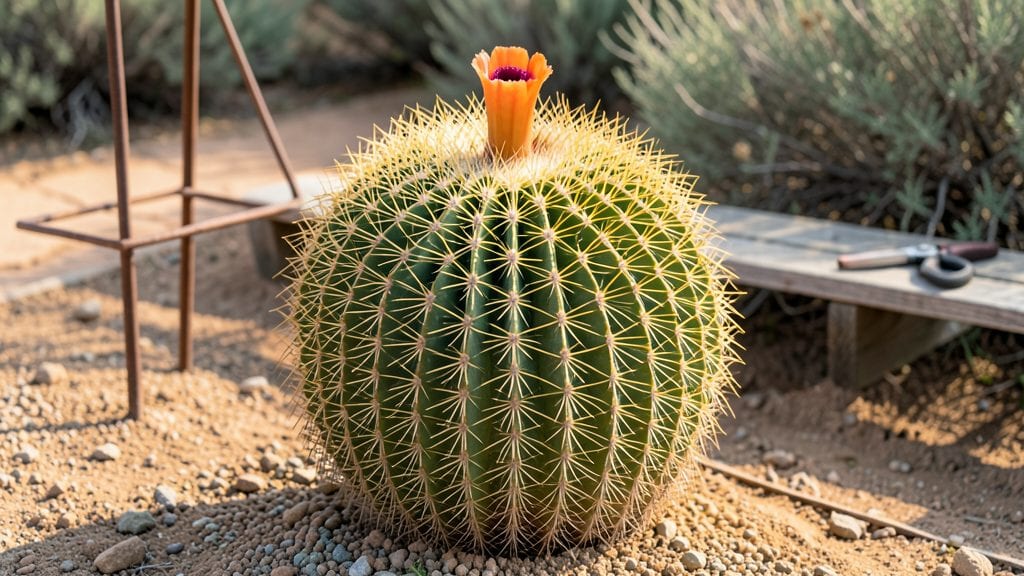
That first burst of orange cactus flowers in your container garden feels like a desert sunset in miniature—bright, unexpected, and impossible to ignore. 🌵 I’ve grown several varieties, and the key to those fiery blooms lies in mimicking their natural arid conditions while giving them just enough coziness to push flowers.
Most people overwater or underlight, and that’s when the blooms fizzle out.
The right setup is shockingly simple: a well-draining soil mix (think 60% cactus/succulent mix, 30% perlite, 10% coarse sand), a container with drainage holes, and bright, direct light for at least 6 hours a day.
My Hylocereus (night-blooming cactus) thrives in a 10-inch pot on my sunniest patio, and it’s rewarded me with dozens of orange blooms every spring. The trick? Let the soil dry completely between waterings—no exceptions.
When you nail the care, you’re treated to vibrant, cup-shaped flowers that last for days, often followed by edible (but seedy) fruit. The scent is subtle but intoxicating—like honey and citrus tangled together.
Even in small spaces, these cacti deliver dramatic color without the fuss of annuals. Just don’t forget: they need a cool winter chill (40–50°F) to trigger blooming the next season.
Works for balconies, windowsills, or rooftop gardens—just pick the right species. Echinocactus (barrel cactus) loves heat, while Selenicereus (Christmas cactus) blooms with shorter daylight. Let’s get those pots prepped for next season’s showstopper blooms!
📚 In This Guide
- What you need
- Instructions
- Tips and common mistakes
- Wrapping up and next steps
What you need
- ● Container: A well-draining pot (12–18 inches deep) with drainage holes. Terracotta or fabric pots work best!
- ● Cactus/Succulent Soil: 5–10 lbs of fast-draining, gritty mix (or add perlite/pumice for extra aeration).
- ● Cactus Flower: A healthy orange-blooming cactus (e.g., Hylocereus undatus for dragon fruit or Echinocactus grusonii for golden barrels).
- ● Sunlight Access: A south-facing window or grow light (12+ hours of bright light daily).
- ● Watering Can: A spray nozzle or drip can to avoid overwatering.
- ● Gloves: Thick gardening gloves to protect from spines.
- ● Trowel: A small hand trowel for repotting.
- ● Fertilizer: Balanced cactus fertilizer (5-10-5 NPK) or diluted houseplant food (use sparingly!).
- ● Support Stakes: For climbing cacti (like Hylocereus)—bamboo or mesh works.
Step-by-step guide to growing vibrant orange cactus flowers in containers
Here's how I cultivate stunning orange-blooming cacti that burst with color year after year.
🪴 Step 1: Select the Right Container and Soil Mix
Choose a shallow but wide container with multiple drainage holes—orange cactus varieties like Echinocactus or Hylocereus need excellent airflow to prevent rot. I use unglazed terra cotta pots because they wick away excess moisture naturally. For a 4-inch pot, fill it with a cactus-specific mix (60% inorganic grit like perlite or pumice, 30% coarse sand, and 10% organic matter like worm castings).
The key is avoiding compacted soil—orange cacti hate soggy roots. Tap the container gently after filling to settle the mix without compressing it. If your mix feels too dense, add an extra 20% perlite to improve drainage. Here's the thing—orange cacti thrive when their roots can breathe, so never use garden soil or pre-mixed potting blends designed for other plants.
🌱 Step 2: Plant Your Cactus and Position for Light
Gently remove your orange cactus from its nursery pot and loosen the roots if they're circling tightly. Place it in the center of your container and fill around the base with the prepared mix, pressing lightly to secure it. Don't bury the base too deep—orange cacti need their lower ribs exposed to sunlight for optimal growth. I like to leave about 1/3 of the plant above soil level initially.
Position your cactus in bright, indirect light for the first 7-10 days to reduce transplant shock. After this period, move it to a south-facing window or under grow lights providing 12-14 hours of light daily. Orange cacti need full sun (6+ hours) to produce vibrant blooms, but direct midday sun can scorch new growth. You'll see richer color development when the plant receives at least 6 hours of direct sunlight combined with bright indirect light.
☀️ Step 3: Water and Fertilize for Blooming Success
Water your orange cactus only when the soil is completely dry—this usually means every 2-3 weeks in summer and every 4-6 weeks in winter. I check by sticking my finger 2 inches into the soil; if it feels dry, it's time to water. Never let water pool in the saucer—empty it after 10 minutes to prevent root rot. During the active growing season (spring to fall), I fertilize once a month with a balanced, diluted cactus fertilizer (half-strength).
Here's the trick for vibrant blooms: reduce watering by half in late summer (around August) to signal the cactus it's time to prepare for dormancy. This stress period encourages bud formation for next year's flowers. If your cactus produces pale or sparse blooms, it's likely getting too much water or not enough light. Orange cacti need consistent care—skipping either will dull their color intensity.
✂️ Step 4: Prune and Encourage Repeat Blooming
After your cactus finishes blooming, remove spent flowers by twisting them gently at the base—this prevents energy drain and encourages new growth. If your cactus develops long, leggy stems, it needs more light. I prune these by cutting just above a healthy node with sterilized scissors, then let the cuttings dry for 3-5 days before replanting in fresh mix.
To promote repeat blooming, I rotate the pot a quarter turn every 2 weeks so all sides receive even light. This prevents the cactus from growing lopsided and ensures balanced flower production. In late fall, move your cactus to a cooler spot (50-60°F) and stop fertilizing to mimic its natural dormancy period. You'll see new flower buds form in early spring—this is your reward for patience!
🌿 Step 5: Overwinter for Next Year's Vibrant Display
During winter, reduce watering to once every 6-8 weeks and keep your cactus in bright, cool light (above 40°F). Avoid drafts or temperature swings—orange cacti are sensitive to sudden cold. If your home gets below 50°F at night, consider moving the pot to a sunroom or greenhouse to maintain consistent conditions.
In late winter (around February), gradually increase watering and resume fertilizing to wake the cactus from dormancy. You'll notice new growth within 4-6 weeks—this is your cue to move it back to a sunny spot and resume regular care. With proper overwintering, your orange cactus will bloom more prolifically each year, with deeper, more vibrant colors. The secret? Consistency—these desert beauties reward steady care with spectacular displays.
Tips & tricks for perfect orange cactus blooms
These are the secrets I've learned after years of growing vibrant orange cacti—tricks that'll help you avoid common pitfalls and get those stunning blooms every season.
Container Material Matters: Terra cotta isn't just my preference—it's essential for orange cacti. The porous nature wicks away excess moisture, preventing root rot that can kill these delicate plants. If you must use plastic, drill extra drainage holes and monitor soil moisture more carefully. I've lost three orange cacti to soggy roots before learning this lesson! The key is mimicking their natural desert environment where water evaporates quickly.
Light Balance is Critical: Those 12-14 hours of light aren't just a suggestion—they're non-negotiable for vibrant orange blooms. In winter when daylight is shorter, supplement with grow lights. I use full-spectrum LED bulbs that provide the blue spectrum cacti need for photosynthesis. Watch for pale stems—this is your plant's way of saying it needs more light. Position your cactus within 12 inches of the light source for best results.
Soil Mix Science: The 60-30-10 ratio of grit to sand to organic matter isn't arbitrary—it's what prevents compaction while providing essential nutrients. I always add an extra 20% perlite to my mix because it creates air pockets that orange cacti crave. Never use garden soil—it compacts too easily and holds moisture, creating the perfect conditions for root rot. If your mix feels dense when moist, it needs more grit.
Watering Strategy: The finger test at 2 inches deep is your best friend. In summer, I water every 2-3 weeks, but in winter, I stretch it to 6-8 weeks. The key is consistency—orange cacti hate moisture fluctuations. I've found that watering in the morning gives the soil time to dry completely before nightfall, which helps prevent fungal issues. Always empty that saucer after 10 minutes to avoid waterlogging.
Pro Tips for Cactus Flower Orange
- These are the secrets I've learned after years of growing vibrant orange cacti—tricks that'll help you avoid common pitfalls and get those stunning blooms every season.
- Container Material Matters: Terra cotta isn't just my preference—it's essential for orange cacti.
- Light Balance is Critical: Those 12-14 hours of light aren't just a suggestion—they're non-negotiable for vibrant orange blooms.
Frequently asked questions
Got questions about growing and caring for orange cactus flowers? You’re not alone! Here are some of the most common queries—plus quick answers to keep your container garden thriving.
How long does it take for a cactus to bloom orange flowers?
Orange cactus flowers, like Echinopsis or Hylocereus varieties, typically take 1–3 years to bloom from seed, depending on the species and growing conditions. Grafted cacti may flower faster (6–12 months) if given bright light, well-draining soil, and proper watering. Patience is key—consistent care speeds up the process!
Why isn’t my cactus flowering, even after years of care?
Several factors can delay blooms: insufficient light (move to a sunnier spot), overwatering (let soil dry completely between waterings), or lack of dormancy. Most cacti need a cool, dry period (50–60°F) in winter to trigger flowering. If your cactus is still young (<3 years), it may not be mature enough yet.
Can I grow orange cactus flowers in containers year-round?
Yes! Container-grown cacti thrive indoors or outdoors (in USDA Zones 9–11) as long as they get 6+ hours of sunlight daily. In colder climates, bring pots inside near a south-facing window during winter. Use terracotta pots with drainage holes to prevent root rot. A slow-release fertilizer in spring encourages blooms.
Are there non-toxic orange cactus alternatives for pets?
If you have curious pets, skip Echinopsis or Hylocereus (mildly toxic). Instead, opt for non-toxic orange-flowering plants like Portulaca grandiflora (moss rose) or Zinnia elegans. For cacti, Pereskia (Barrel Cactus) is pet-safe and produces small orange blooms—just monitor ingestion.
How often should I water an orange cactus in a pot?
Watering depends on the season: Spring–Fall: Every 2–3 weeks (let soil dry completely). Winter: Once every 4–6 weeks (or not at all if indoors). Overwatering is the #1 killer—stick your finger 2 inches into the soil before watering. Drain excess water to avoid root rot.
Can I propagate my orange cactus to get more blooms?
Most cacti propagate easily from stem cuttings. Let a healthy stem dry for 3–5 days, then place it on dry, well-draining soil (or perlite). Keep in bright, indirect light and mist lightly until roots form (2–4 weeks). Once rooted, treat as a mature plant.
Wrapping up and next steps
Growing cactus flower orange in containers is a rewarding way to bring vibrant color and low-maintenance beauty to your space! These striking blooms thrive with minimal care, making them perfect for gardeners of all levels.
Whether you're a seasoned plant parent or just starting your green journey, their resilience and cheerful hues will brighten up any corner.
Ready to level up your container garden? Start by selecting a sunny spot, picking the right pot, and giving your cactus the love it deserves. Watch those fiery orange flowers bloom—and enjoy the satisfaction of nurturing something extraordinary! 🌵💛