Planting
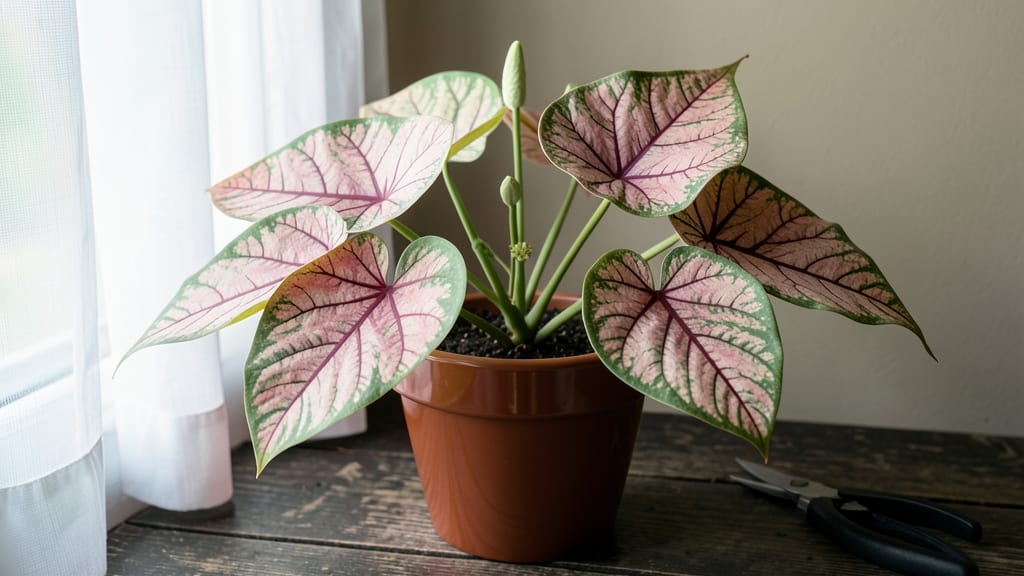
Calandiva plants bring tropical drama to shady spots where most flowers refuse to play. 🌿 I fell for them after seeing their velvety leaves and waxy blooms in a friend’s garden—those heart-shaped flowers look like they’re made of porcelain, and they keep blooming from spring through fall if you give them the right conditions.
The confusion with calla lilies is real, but Calandivas are the shade-loving cousins: no water-logged roots, no need for boggy soil, just consistent moisture and indirect light.
These plants thrive in part to full shade, making them perfect for under trees, along north-facing walls, or even as houseplants when winter chills arrive. Your soil mix should be rich in organic matter—think equal parts peat moss, perlite, and compost—to keep roots happy without waterlogging.
Water when the top inch feels dry, but never let them sit in soggy soil. The foliage alone is a statement, with colors ranging from deep burgundy to lime green, but those candle-like blooms in pink, white, or red are the real showstoppers.
Once established, Calandivas spread gently, creating lush clumps that multiply over time. Divide them every 2-3 years in spring to keep them vigorous, and you’ll have enough to share with neighbors (or just fill more shady spots).
They’re not frost-hardy, but with a little winter protection—like moving pots indoors or covering them with mulch—they’ll bounce back stronger every spring. Imagine a garden corner that stays vibrant when others fade.
For container growing, 6-inch pots work for starters, but they’ll outgrow them fast. Pair them with ferns, hostas, or impatiens for a layered shade garden that feels like a tropical retreat.
The key is patience—these plants take a season or two to really fill out, but once they do, they’ll reward you with months of effortless blooms and foliage that turns heads. Ready to give them a try?
📚 In This Guide
- What you need
- Instructions
- Tips and common mistakes
- Wrapping up and next steps
What you need
- ● Calandiva tubers: 3–5 healthy, firm tubers (ensure they’re free of soft spots or mold).
- ● High-quality potting mix: 1 bag (12–18 quarts) of well-draining, peat-based mix (or add perlite for extra aeration).
- ● Containers or garden bed: Indoors: 6–8" pots with drainage holes (1 per tuber).
- ● Outdoors (frost-free zones 9–11): Partial shade with rich, moist soil (amend with compost if needed).
- ● Slow-release fertilizer: 1 packet (10–12 oz) of balanced 10-10-10 or organic options like worm castings.
- ○ Gloves: 1 pair (optional but recommended—tubers can be slippery!).
- ● Trowel or small shovel: 1 for planting and soil prep.
- ● Misting bottle or spray nozzle: To keep tubers hydrated during sprouting.
- ○ Mulch (optional): Shredded bark or straw (for outdoor beds to retain moisture).
- ● Grow lights (indoors): LED or fluorescent (if natural light is <6 hours/day).
- ● Access to indirect sunlight (4–6 hours daily) or a shaded outdoor spot.
- ● Consistent humidity (50%+; use a humidity tray indoors if needed).
- ● Patience! Tubers take 4–6 weeks to sprout and 2–3 months to bloom.
Step-by-Step guide to growing Calandiva plants for year-round blooms
Here's how to cultivate these frost-hardy beauties—no green thumb required.
🌱 Step 1: Select the Right Location and Soil
Choose a spot with partial shade to full sun—Calandivas tolerate frost down to 15°F, making them perfect for cooler climates. I always test the soil first with a simple pH test kit; these plants prefer 6.0-7.0. If your soil is heavy clay, mix in 2-3 inches of compost to improve drainage.
Work the soil to a depth of 12 inches to loosen roots. Calandivas spread easily, so space plants 18-24 inches apart to give them room to establish. If planting in containers, use pots at least 12 inches deep with drainage holes—these plants hate soggy roots.
☀️ Step 2: Plant and Water for Establishment
Dig holes slightly larger than the root ball and place each plant so the top of the root ball sits ½ inch below soil level. This helps prevent rot and encourages strong root growth. Backfill with native soil and press gently to remove air pockets.
Water deeply right after planting—1 gallon per plant—to settle the soil. You'll know it's enough when water drains freely from the bottom of the hole. After that, water 1-2 times per week depending on rainfall, keeping the top 2 inches of soil consistently moist but never waterlogged.
🌿 Step 3: Fertilize and Prune for Continuous Blooms
Feed plants every 4-6 weeks during the growing season with a balanced 10-10-10 fertilizer. I like to use a slow-release granular fertilizer for steady nutrition without the risk of overfeeding. Stop fertilizing in late summer to encourage dormancy if you're in a cooler climate.
Deadhead spent blooms regularly to redirect energy into new flowers. Prune leggy stems back by ⅓ in early spring to promote bushier growth. Calandivas are forgiving—even if you skip pruning, they'll still bloom, just maybe not as prolifically.
✂️ Step 4: Protect and Maintain Through Seasons
In winter, mulch around the base with 2-3 inches of shredded bark or leaves to insulate roots. These plants handle frost beautifully, but the extra protection keeps them blooming even in 20°F temperatures. Remove mulch in early spring once new growth appears.
Watch for powdery mildew in humid summers—it shows up as white dust on leaves. At the first sign, spray with a neem oil solution (1 tablespoon per gallon of water) and improve airflow by thinning crowded foliage. Calandivas rarely need pesticides, but this keeps them thriving.
⏰ Step 5: Divide and Propagate Every 3-4 Years
When plants outgrow their space, dig up clumps in early spring or fall. Divide the root ball into sections, ensuring each has 3-5 shoots and healthy roots. Replant divisions immediately in prepared soil and water thoroughly. This rejuvenates plants and gives you free extras to share!
You'll know it's time to divide when blooms become sparse or growth slows. I always mark plants needing division with a flag in late summer—it's an easy way to stay on top of maintenance without stressing the plant.
Tips & tricks for perfect Calandiva plant flower care
These simple tricks will help you keep your frost-resistant Calandivas blooming beautifully all year.
Soil Prep Secret: When amending heavy clay soil with 2-3 inches of compost in Step 1, mix in a handful of perlite or coarse sand too. This improves drainage even more while preventing compaction. I've seen Calandivas struggle in pure clay—this combo makes all the difference. The roots will thank you with stronger growth!
Watering Wisdom: After that initial 1 gallon per plant watering in Step 2, I like to use the "finger test" method. Stick your finger 2 inches deep into the soil—if it feels dry, it's time to water. This prevents overwatering while keeping roots consistently moist. Early morning watering also prevents fungal issues from evening moisture.
Fertilizer Timing: The 4-6 week feeding schedule in Step 3 works perfectly, but here's my pro tip: split that dose in half and apply every 3 weeks instead. This gives your Calandivas a gentler, more consistent nutrient supply. Just be sure to stop completely in late summer to encourage dormancy if you're in a cooler climate.
Winter Protection: That 2-3 inch mulch layer in Step 4 is fantastic, but don't apply it until after the ground freezes. First, let the soil cool naturally for a week or two. I've seen new mulch on warm soil create steam pockets that trap moisture—leading to rot. Wait until your zone's first hard frost before adding that protective layer.
Pro Tips for Calandiva Plant Flower
- These simple tricks will help you keep your frost-resistant Calandivas blooming beautifully all year.
- Soil Prep Secret: When amending heavy clay soil with 2-3 inches of compost in Step 1, mix in a handful of perlite or coarse sand too.
- Watering Wisdom: After that initial 1 gallon per plant watering in Step 2, I like to use the "finger test" method.
Frequently asked questions
Got questions about Calandiva plants? You’re not alone!
Here are some of the most common queries—plus straightforward answers to help you grow these frost-resistant beauties with confidence.
How cold can Calandiva plants tolerate?
Calandivas are famously frost-resistant, surviving temperatures as low as 15–20°F (-9 to -7°C). However, prolonged exposure to freezing winds or heavy frost may damage foliage or buds. For extra protection, mulch the base or cover plants with frost cloth during harsh winters.
When is the best time to plant Calandiva flowers?
Plant Calandivas in early spring or fall for optimal root establishment. Avoid extreme heat (like mid-summer) or frost, as these stress young plants. If planting in containers, ensure pots have drainage holes and use well-draining soil to prevent root rot.
Can I grow Calandiva indoors?
While they thrive outdoors, Calandivas can adapt to bright indoor spaces near south- or west-facing windows. Use grow lights if natural light is limited, and keep humidity moderate (40–60%) to mimic their natural habitat. Containers should be 12+ inches deep for root growth.
Why aren’t my Calandiva flowers blooming?
Common culprits include insufficient sunlight (they need 6+ hours daily), over-fertilizing (stick to balanced, low-nitrogen feed), or poor soil drainage. Deadhead spent blooms to encourage new growth, and ensure the plant isn’t root-bound. If issues persist, check for pests like aphids or spider mites.
What’s a good alternative if Calandivas aren’t available?
If Calandivas are hard to find, try frost-hardy alternatives like Heuchera (coral bells), Sedum (stonecrop), or Helleborus (Lenten rose). These also offer year-round interest and tolerate cold climates. For flowers, consider Viola (pansies) or Primula (primroses).
Pro Tip:
For longer blooms, divide mature Calandiva clumps every 3–4 years in early spring. This rejuvenates growth and prevents overcrowding—leading to more vibrant, abundant flowers!
Wrapping up and next steps
The Calandiva plant is a stunning, frost-resistant gem that brings year-round color and joy to any garden—whether you’re a seasoned gardener or just starting out! 🌸 With its low-maintenance charm and vibrant blooms, it’s the perfect choice for adding beauty without the hassle.
Now that you’re armed with the know-how, why not plant one today and watch your outdoor space transform?
Ready to take the next step? Start small—pick a sunny spot, grab your Calandiva, and let nature do the rest! 🌱