Planting
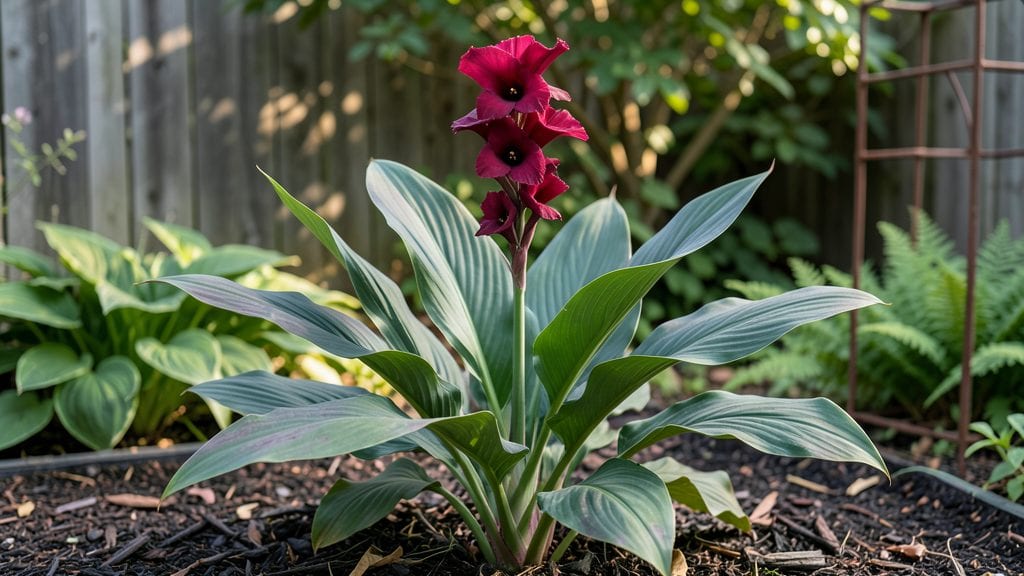
The canna flower plant delivers jungle-worthy drama to gardens that would never survive a true tropical climate—yet what makes it special is its frost tolerance and those showstopping, dinner-plate-sized blooms that last from midsummer until frost. fall.
My first cannas thrived through a Zone 5 winter with just a little mulch, proving they’re tougher than they look.
The secret to their success is simple: rich, well-draining soil, 6+ hours of sun daily, and consistent moisture without soggy roots. They spread quickly, so I divide clumps every 3-4 years to keep them vigorous.
Even in my midwestern garden, they bounce back year after year with minimal fuss—no greenhouse or heat lamp required.
You’ll end up with bold foliage that feels like velvet and flowers in every shade from fiery red to deep purple. The best part? They’re deer-resistant and attract hummingbirds, so you get beauty and wildlife benefits. Once established, they’re nearly indestructible—just watch them transform your garden from ordinary to showstopping.
Works in containers, borders, or rain gardens—just adjust watering for pots. Let’s get those dramatic blooms growing!
📚 In This Guide
- What you need
- Instructions
- Tips and common mistakes
- Wrapping up and next steps
What you need
- ● Canna rhizomes: 3–5 healthy, plump rhizomes (size of a golf ball or larger). Look for firm, blemish-free tubers with visible "eyes" (growth points).
- ● Well-draining potting mix: 1–2 bags (10–15 quarts each) of a blend like African violet mix or cactus/succulent soil (for containers). For in-ground planting, amend native soil with compost (5–10 gallons) and perlite (1–2 lbs) for aeration.
- ○ Containers (optional): 1–2 large pots (12–18 inches deep) with drainage holes if growing indoors or in colder zones.
- ● Mulch: 2–3 inches of straw, wood chips, or shredded leaves to retain moisture and insulate roots.
- ● Garden trowel or shovel (for planting rhizomes 2–4 inches deep).
- ● Pruning shears (to trim dead foliage post-planting).
- ● Watering can or hose with a gentle spray nozzle (cannas love moisture but hate soggy roots!).
- ○ Gloves (optional but recommended—rhizomes can be prickly!).
- ● Fertilizer: Balanced 10-10-10 or organic compost tea (1–2 applications per season).
- ● Cold-frame or cloche (for extending the growing season in chilly climates).
- ● Plant supports (stakes or cages if your canna variety grows tall—up to 6 feet!).
- ● Slow-release fertilizer tablets (for container gardens).
- ● Soil pH tester (ideal range: 6.0–7.0; adjust with lime or sulfur if needed).
Step-by-step guide to growing canna flowers in your garden
Here's how to cultivate these dramatic tropical plants that surprise everyone with their hardiness.
Select and Prepare the Planting Site
Cannas thrive in full sun to partial shade, with at least 6 hours of direct sunlight daily. Choose a location where the soil drains well but retains moisture—cannas hate soggy roots but need consistent dampness. I always test the soil by digging a 6-inch hole and checking for water pooling; if it doesn't drain within 30 minutes, amend with 1-2 inches of compost or sand to improve drainage.
The reason cannas perform so well in cooler climates is their adaptability to various soil types, but they do best in slightly acidic to neutral soil (pH 6.0-7.0). If your soil is heavy clay, mix in organic matter like leaf mold or well-rotted manure to loosen it. Cannas also appreciate a bit of space—plant them 18-24 inches apart to allow their broad leaves to spread without crowding.
Plant Rhizomes at the Right Depth and Time
Cannas grow from rhizomes, not seeds, so timing matters. In cooler climates, plant them after the last frost when soil temperatures reach 60°F or warmer. I dig a hole about 2 inches deep and place the rhizome horizontally with the eyes (small buds) facing upward—this ensures faster and more vigorous growth. Cover it lightly with soil, leaving the top slightly exposed to catch sunlight.
Don't bury the rhizome too deeply; it needs access to light to sprout. Water the planting site thoroughly after placing the rhizome, then maintain moisture until new shoots appear. You'll see the first signs of growth in 2-3 weeks as small green leaves push through the soil. This is your cue that the rhizome has rooted and is ready for regular care.
Water and Fertilize for Lush Growth
Cannas demand consistent moisture, especially during their first growing season. Water deeply 1-2 times per week, ensuring the top 6 inches of soil remain evenly moist. I use a soaker hose or drip irrigation to deliver water slowly at the base, which prevents fungal diseases that often plague overhead watering. Mulch around the plants with 2-3 inches of organic mulch to retain soil moisture and suppress weeds.
Feed cannas with a balanced, water-soluble fertilizer (10-10-10) every 4-6 weeks during the growing season. I start fertilizing when the plants reach 12 inches tall and continue until early fall. Too much fertilizer can lead to excessive leaf growth at the expense of blooms, so follow the package instructions carefully. You'll know you're on the right track when your cannas produce bold, upright stems with vibrant foliage.
Support and Prune for Stronger Blooms
Cannas grow tall and top-heavy, so providing support is key. I install 3-4 foot tall stakes or a sturdy trellis near each plant as soon as the stems reach 18 inches in height. Gently tie the main stems to the support with soft plant ties or old pantyhose to prevent snapping in wind or rain. This also encourages the plant to focus energy on producing more blooms rather than struggling to stay upright.
Deadhead spent blooms regularly to encourage continuous flowering. Use clean, sharp pruners to snip off the faded flowers just above a set of leaves. Avoid cutting into old wood, as this can weaken the plant. In late summer, you might notice the foliage turning yellow or the growth slowing—this is normal and signals the plant is preparing for dormancy, especially in cooler climates.
Prepare for Winter and Store Rhizomes
When frost threatens, cut the foliage back to 2-3 inches above the rhizome and dig up the entire plant. Shake off excess soil and let the rhizomes dry in a shaded, well-ventilated area for 1-2 days. This drying process helps prevent rot during storage. Store the rhizomes in a cool, dark place (40-50°F), such as a basement or garage, wrapped in dry peat moss or vermiculite.
Real talk: I’ve learned the hard way that storing rhizomes in plastic bags leads to mold. Instead, place them in a breathable container like a cardboard box with holes punched in the sides. Check them monthly for signs of rot or drying out, and adjust moisture as needed. With proper storage, your cannas will be ready to replant in spring, delivering another season of stunning tropical blooms.
Tips & tricks for perfect canna flower plant cultivation
These essential insights will help you coax the most vibrant blooms from your cannas, even in cooler climates where they truly shine.
Sunlight Strategy: While cannas thrive with at least 6 hours of direct sunlight, I've found they actually reward you with more dramatic blooms when given full sun exposure (8+ hours daily). In cooler climates, position them where they'll receive morning sun and afternoon shade during peak summer heat. The key is finding that sweet spot where leaves stay lush but don't scorch—look for vibrant green foliage as your indicator of proper light balance.
Soil Preparation Pro Tip: The 30-minute drainage test mentioned in Step 1 is crucial, but I take it one step further by adding a handful of perlite to the amended soil mixture. This creates tiny air pockets that prevent waterlogging while still maintaining that consistent moisture cannas crave. For heavy clay soils, I often mix in equal parts compost and perlite to create an ideal growing medium that drains well but retains moisture.
Rhizome Planting Precision: When planting those 2-inch deep rhizomes, pay special attention to the orientation of the eyes (those small buds). I make a point to position them facing upward and slightly toward the sun's direction for your garden. This isn't just about aesthetics—it ensures the plant will grow more vigorously and produce more blooms. Think of it like planting potatoes: you want those growth points facing the light source to maximize energy capture.
Fertilizer Timing: The 4-6 week fertilization schedule works well, but I've found cannas respond beautifully to a slightly different approach: apply half-strength fertilizer every 3 weeks instead. This prevents salt buildup in the soil while providing consistent nutrition. I also switch to a bloom-boosting fertilizer (like 5-10-10) once the plants reach 12 inches tall, which produces noticeably more flowers without sacrificing foliage health.
Pro Tips for Canna Flower Plant
- These essential insights will help you coax the most vibrant blooms from your cannas, even in cooler climates where they truly shine.
- Sunlight Strategy: While cannas thrive with at least 6 hours of direct sunlight, I've found they actually reward you with more dramatic blooms when given full sun exposure (8+ hours daily).
- Soil Preparation Pro Tip: The 30-minute drainage test mentioned in Step 1 is crucial, but I take it one step further by adding a handful of perlite to the amended soil mixture.
Frequently asked questions
How cold can canna plants tolerate?
Canna plants are not frost-hardy—they thrive in USDA zones 8–11. In colder climates (zones 7 and below), treat them as annuals or dig up tubers before the first frost (around 32°F/0°C). For extra protection, mulch heavily or grow them in containers to move indoors. Pro tip: Use frost blankets for a temporary shield if temps dip unexpectedly!
When is the best time to plant canna tubers?
Plant canna tubers after the last frost when soil temps reach at least 60°F (15°C). In warm climates, this could be as early as March or April, while cooler regions may wait until May or June. For container growing, start tubers indoors 4–6 weeks before the last frost date. Speed up sprouting: Soak tubers in warm water for 24 hours before planting!
Why aren’t my canna flowers blooming?
If your canna plants are lush but not flowering, check these common culprits:
- Not enough sun: Cannas need full sun (6+ hours/day). Move them to a sunnier spot.
- Over-fertilizing: Too much nitrogen = leafy growth, not blooms. Use a balanced (10-10-10) or bloom-boosting (5-10-10) fertilizer instead.
- Old tubers: Tubers older than 2–3 years may lose vigor. Replace them with fresh ones.
Can I grow canna flowers in pots?
Cannas adapt well to containers, making them perfect for patios, balconies, or small gardens. Use pots at least 12–18 inches deep and wide with drainage holes. Mix potting soil with compost for nutrients, and water when the top inch of soil feels dry. Container hack: Place pots in wheelbarrows or saucers to make moving them easier when frost threatens!
Are canna plants toxic to pets or humans?
Good news: Canna plants are non-toxic to both humans and pets (). However, they’re not edible, so avoid consuming them. The Canna lily (a different plant) is toxic, but true canna flowers are safe. Always double-check with your vet if you suspect your pet has ingested any plant!
Wrapping up and next steps
The canna flower plant is a stunning, low-maintenance addition to any garden—whether you're a seasoned gardener or just starting out. 🌿 With its bold tropical blooms and cold-hardy nature, it’s a versatile choice that brings vibrant color to your outdoor space year after year.
Whether you’re planting in containers, garden beds, or even as a striking border, these plants reward your efforts with ease.
Ready to transform your garden? Start by gathering your supplies, choosing the perfect spot, and following the simple steps to get those roots growing. Your next step? Grab a canna plant (or seeds!) and begin your tropical adventure today—your garden will thank you! 🌸