Flowers
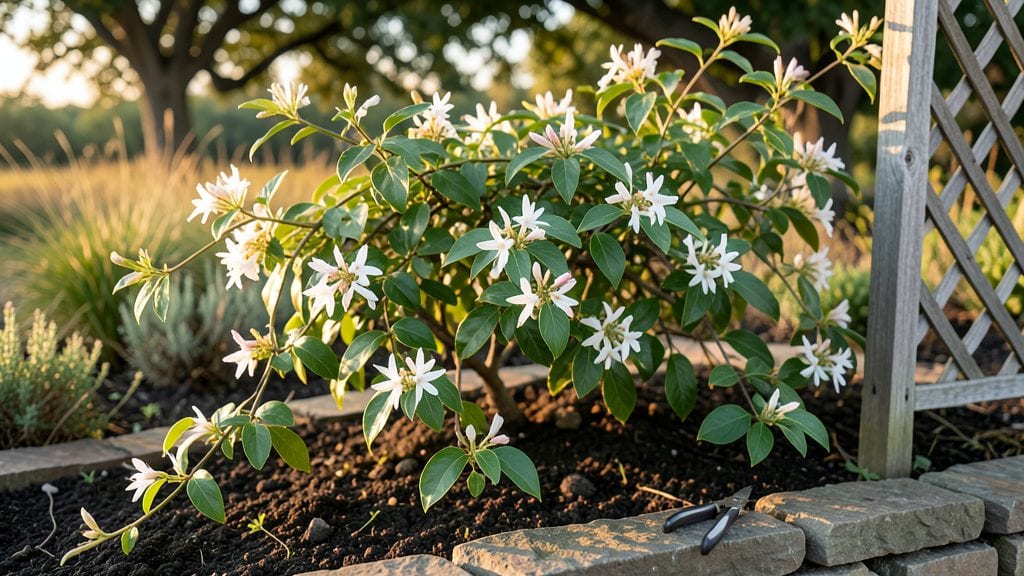
The moment I planted my fragrant cape jasmine flower, I knew it would be different—this climber doesn’t just bloom; it fills the air with a sweet, intoxicating fragrance that lingers long. 🌿 after sunset.
Unlike many climbers that need perfect timing, cape jasmine thrives with minimal fuss once you get the basics right.
The secret lies in its adaptability: it handles partial shade, tolerates a range of soils, and even blooms year-round in warmer climates. My plant, tucked in a corner of the patio, now produces clusters of white flowers that perfume the evening breeze.
The key is balancing water (never soggy soil) and occasional pruning to encourage bushier growth—no advanced horticulture skills required.
You’ll end up with a lush, fragrant vine that attracts pollinators and adds elegance to trellises, fences, or even containers. The flowers stay vibrant longer than most climbers, and the glossy leaves add texture to any space.
Once established, it’s nearly indestructible—just the kind of plant that makes gardening feel effortless.
Perfect for beginners and experienced gardeners alike, this guide covers everything from soil prep to troubleshooting yellowing leaves. Whether you’re planting in a sunny border or a shady corner, cape jasmine delivers beauty and fragrance with minimal effort. Let’s get your vine growing!
📚 In This Guide
- What you need
- Instructions
- Tips and common mistakes
- Wrapping up and next steps
What you need
- ● Cape jasmine plants: 1–3 nursery-grown plants (3–5 gallons in containers for mature size)
- ● Note: Choose healthy-looking plants with lush green leaves and no signs of pests.
- ● Soil: Well-draining potting mix (for containers) or loamy garden soil (for in-ground planting)
- ○ Optional: Amend garden soil with compost (1 part compost to 3 parts soil) for better fertility.
- ● Containers (if potted): 1–3 12–18-inch diameter pots with drainage holes
- ○ Optional: Self-watering planters for easier maintenance.
- ● Fertilizer: Balanced slow-release granular fertilizer (10-10-10 or 20-20-20) or liquid bloom booster (e.g., Miracle-Gro)
- ● Dosage: Follow package instructions (typically 1 tbsp per gallon of soil for granular or 1 tsp per gallon of water for liquid, every 4–6 weeks during growing season).
- ● Support structures: Trellis, arbor, or fence (cape jasmine climbs vigorously—aim for 6–10 feet of vertical space)
- ○ Optional: Soft ties or garden twine to secure vines initially.
- ● Watering tools: Watering can or hose with a gentle spray nozzle
- ○ Optional: Drip irrigation system for consistent moisture.
- ● Pruning tools: Sharp bypass pruners (for clean cuts)
- ● Gloves (to protect from thorns on some varieties).
- ● Mulch: 2–3 inches of organic mulch (e.g., shredded bark or pine straw) to retain moisture and suppress weeds.
- ● Epsom salt: 1 tbsp per gallon of water (monthly spray for magnesium boost, especially in acidic soils).
- ● Pest control: Neem oil or insecticidal soap (for aphids or spider mites).
- ● Grow lights: If starting from seeds indoors (though cape jasmine is often propagated via cuttings).
Step-by-step instructions for growing cape jasmine climbers
Here’s how to cultivate these fragrant, ever-blooming vines with minimal fuss.
🌱 Step 1: Select the Right Location and Prepare the Soil
Cape jasmine (Gardenia jasminoides) thrives in partial shade to dappled sunlight, making it perfect for patios, trellises, or near east-facing windows. Avoid harsh afternoon sun, which can scorch tender leaves. I test soil drainage by pressing a handful—if it stays clumped for more than a minute, amend with 1 part perlite to 3 parts garden soil to improve aeration.
These plants prefer slightly acidic soil (pH 5.5–6.5). A simple test kit confirms this, but if you’re unsure, work in 1 cup of peat moss or pine needles per square foot to acidify the soil naturally. Cape jasmine roots are shallow, so focus on enriching the top 6 inches of soil with compost. Real talk: Skipping this step means fewer blooms and weaker growth.
☀️ Step 2: Plant with Proper Spacing and Support
Dig a hole twice as wide as the root ball but no deeper—burying the stem too far invites rot. Space plants 4–6 feet apart to allow air circulation, which prevents fungal diseases like powdery mildew. I always add a 3-inch layer of pine bark mulch around the base to retain moisture and suppress weeds, but keep it 2 inches away from the stem to avoid rot.
Install a trellis, arbor, or sturdy fence nearby before planting. Cape jasmine vines grow 10–15 feet long and need support to climb. Use soft plant ties or garden twine to gently secure the main stem as it grows—never wrap tightly, or you’ll restrict growth. Watch for new shoots emerging near the base; these can be trained upward to create a fuller, bushier plant.
💧 Step 3: Water and Fertilize for Continuous Blooms
Water deeply 2–3 times per week during the first growing season, ensuring the soil stays evenly moist but not soggy. After establishment, reduce to once a week, adjusting for rainfall—your goal is 1 inch of water per week. Overwatering is the fastest way to kill these plants, so always check the top 2 inches of soil before watering. If it’s dry, water; if it’s damp, wait.
Feed with a balanced, acid-loving fertilizer (10-10-10 or 20-20-20) every 4–6 weeks during spring and summer. I dissolve the fertilizer in water and apply it directly to the soil, avoiding the leaves. For extra fragrance, add 1 tablespoon of Epsom salt per gallon of water monthly—it boosts magnesium, which enhances flower production. Stop fertilizing in fall to encourage dormancy.
✂️ Step 4: Prune to Encourage Bushier Growth and More Flowers
Prune right after flowering in late spring or early summer to shape the plant and stimulate new growth. Remove any dead, diseased, or crossing branches first—these compete with healthy growth. Then, cut back overly long vines by one-third to encourage branching. I always use clean, sharp pruners to make cuts just above a leaf node, which promotes faster healing.
Never prune in fall or winter, as new growth won’t harden off before cold snaps. If your plant gets leggy, trim the tips of the longest stems to redirect energy into side shoots. You’ll see bushier growth within 4–6 weeks, and those new branches will produce even more fragrant blooms. Here’s the thing—pruning might seem harsh, but it’s the secret to a fuller, more vibrant cape jasmine.
⏰ Step 5: Protect and Maintain for Year-Round Blooms
Cape jasmine is semi-evergreen in mild climates but may drop leaves in freezing temps. If you live in USDA zones 8–10, it’s hardy enough to stay outside year-round. In colder zones, move potted plants to a bright, cool indoor space (50–60°F) during winter. Avoid drafts or sudden temperature swings, which stress the plant and reduce blooming.
Watch for aphids or whiteflies, which love the sweet nectar of the flowers. Spray infested areas with neem oil or insecticidal soap at the first sign of pests. Deadhead spent blooms weekly to encourage more flowers—this simple step keeps your plant blooming nearly year-round. With consistent care, your cape jasmine will reward you with intense, intoxicating fragrance that fills your garden or patio.
Tips & tricks for perfect cape jasmine climbers
A few simple strategies will help you cultivate fragrant, thriving cape jasmine vines that bloom abundantly throughout the year.
Soil pH Secret: While the instructions mention testing soil pH, I've found that adding 1/4 cup of coffee grounds per square foot to your planting area naturally lowers pH over time—it's a free, organic way to maintain that ideal 5.5-6.5 range without test kits. The nitrogen from coffee grounds also gives your plants a gentle boost. Just work them into the top 6 inches of soil during planting.
Watering Wisdom: The 1-inch weekly watering guideline is perfect, but here's how to check moisture properly: Use a screwdriver to poke the soil at the 2-inch depth mentioned. If it slides in easily, wait to water—if you feel resistance, it's time. This method gives you a more accurate reading than just feeling the surface. I've learned this the hard way after overwatering and losing two plants.
Pruning Precision: When you cut back those overly long vines by one-third in Step 4, always make your cuts at a 45-degree angle just above a leaf node. This prevents water from pooling on the cut and reduces the risk of disease. I also recommend sterilizing your pruners with rubbing alcohol between cuts—it's a small step that prevents spreading any potential infections between branches.
Winter Care Tip: For plants in colder zones, I've found that moving them to a sunny windowsill (south-facing if possible) during winter provides the bright light they need at 50-60°F. If natural light is insufficient, supplement with a grow light bulb for 12 hours daily. This keeps your plant healthy and ready to bloom again when spring arrives.
Pro Tips for Cape Jasmine Flower
- A few simple strategies will help you cultivate fragrant, thriving cape jasmine vines that bloom abundantly throughout the year.
- The nitrogen from coffee grounds also gives your plants a gentle boost.
- Watering Wisdom: The 1-inch weekly watering guideline is perfect, but here's how to check moisture properly: Use a screwdriver to poke the soil at the 2-inch depth mentioned.
Frequently asked questions
Got questions about growing cape jasmine? You’re not alone!
Here are some of the most common concerns—and their solutions—to help you nurture these fragrant climbers with confidence.
How fast does cape jasmine grow, and how tall can it get?
Cape jasmine (Gardenia jasminoides) is a fast grower, often adding 12–24 inches per year under ideal conditions. With proper support (like trellises or fences), it can reach 6–10 feet tall—though dwarf varieties stay compact (3–5 feet). Prune regularly to control size and encourage bushier growth.
When is the best time to plant cape jasmine?
The ideal planting window is early spring or late fall, when temperatures are mild (60–75°F). Avoid extreme heat or frost, which can stress young plants. If planting in summer, water deeply and shade the roots temporarily to prevent transplant shock.
Why isn’t my cape jasmine blooming?
Lack of blooms often stems from low light, poor soil, or over-fertilizing. Ensure it gets partial shade to full sun (morning sun is best in hot climates). Use acidic, well-draining soil (pH 5.0–6.5) and fertilize lightly with citrus plant food in spring. Deadhead spent flowers to encourage new blooms!
Can I grow cape jasmine in containers? What’s the best pot size?
Yes! Use a 5-gallon or larger container with drainage holes and acidic potting mix. Choose a pot at least 12–18 inches wide to accommodate roots. Place it in a sheltered spot (like a patio or balcony) and water consistently. Dwarf varieties adapt best to containers.
What pests commonly attack cape jasmine, and how do I treat them?
Watch for aphids, spider mites, or whiteflies, which thrive in dry conditions. Treat with neem oil or insecticidal soap for mild infestations. For severe cases, introduce beneficial insects like ladybugs or use systemic granules. Keep plants healthy with proper watering and airflow to deter pests.
Is cape jasmine frost-hardy? How do I protect it in winter?
Most cape jasmine varieties are tender perennials and die back in frost (below 25°F). In cold climates, mulch heavily or wrap containers in burlap. Prune back dead foliage in early spring. If you’re in Zone 9+, it may survive mild winters with minimal protection.
Wrapping up and next steps
Cultivating cape jasmine is a rewarding journey that brings year-round fragrance and beauty to your garden! 🌸 With the right location, soil, and care, these fast-growing climbers will thrive and fill your space with their intoxicating scent.
Whether you’re a beginner or a seasoned gardener, the key is patience and consistency—soon, you’ll be enjoying lush, blooming vines that attract pollinators and elevate your outdoor (or indoor!) oasis.
Ready to transform your space? Start small—plant a single vine in a pot or along a trellis—and watch it grow! For even more inspiration, explore our guide on pruning techniques or share your progress with fellow plant lovers online. Happy gardening! 🌿✨