
Flowers
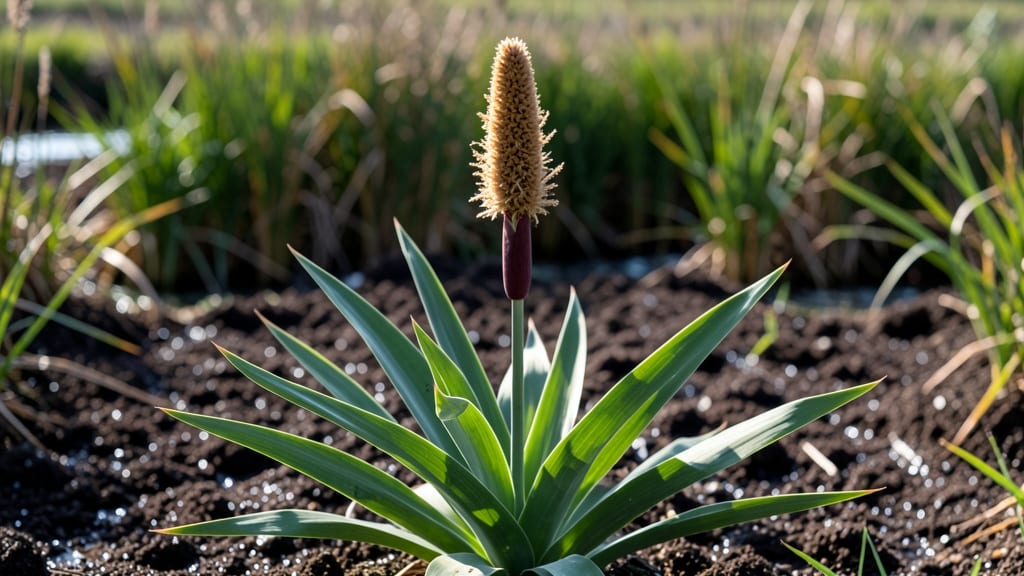
Growing cat tail flowers (Typha spp.) in your Pacific Northwest garden means adding frost-resistant drama with minimal fuss. These architectural plants thrive where others struggle, their feathery plumes swaying through winter—exactly what my soggy Seattle yard needed after years of finicky perennials.
The secret lies in their love of damp soil and chill tolerance, making them perfect for rain gardens or pond edges without the fuss of tropical exotics.
You’ll need part sun to full shade, moist (not soggy) soil, and patience—these plants spread slowly but reward you with 3-6 foot vertical interest by midsummer. They’re equally happy in containers with saucers or planted directly in wetland areas, where they clean water naturally by filtering pollutants.
My first batch took root in a 5-gallon bucket before I committed to a full border, proving they adapt to almost any damp corner.
What you’ll get is a year-round garden feature: golden-brown seed heads in winter, fresh green foliage in spring, and those iconic plumes through summer and fall. They attract birds, repel mosquitoes, and even help control erosion—all while looking like a high-end water garden design.
The trade-off? A little aggressive spread, but that’s easily managed with roots barriers if needed.
Whether you’re fixing a soggy spot or adding texture to a pond, cat tails deliver low-maintenance beauty that outperforms fussy water plants. Here’s how to plant, prune, and keep them thriving—without the high cost or upkeep of tropical alternatives. Let’s get those rhizomes in the ground!
📚 In This Guide
- What you need
- Instructions
- Tips and common mistakes
- Wrapping up and next steps
What you need
- ● Cat Tail Plant: 1–3 live tubers (for fastest growth) or seeds (slower but rewarding!)
- ● Ensure tubers are firm and free of rot (💡 Pro tip: Soak in water for 24 hours before planting to boost germination!
- ● Soil: 1–2 cubic yards of moist, loamy soil (pH 6.0–7.5). Mix in compost (1 part compost to 3 parts soil) for nutrients.
- ● Water Source: Access to 1–2 inches of standing water (cat tails thrive in marshy conditions!)
- ● Garden Trowel (for digging small holes, ~4–6 inches deep)
- ● Garden Fork or Shovel (for loosening soil, especially in clay-heavy PNW gardens)
- ● Watering Can or Hose (with a gentle spray nozzle for post-planting hydration)
- ○ Mulch (Optional): Straw or peat moss (2–3 inches) to retain moisture and suppress weeds.
- ● Sunlight: Full sun (6+ hours/day)—cat tails love bright, open spaces!
- ● Climate: USDA Zones 3–11 (perfect for frost-resistant PNW growing!)
- ● Space: 3–6 feet apart (they spread aggressively—plan for expansion!)
- ● Local Regulations: Check if cat tails are native or invasive in your area (some PNW regions restrict them).
Step-by-Step instructions for growing cat tail flowers in the Pacific Northwest
Here’s the straightforward method I’ve used for years to establish thriving cat tail flowers that survive our damp winters and thrive in summer.
Select the Right Location and Soil Conditions
Cat tail flowers (Typha spp.) thrive in full sun to partial shade, but in the Pacific Northwest’s cooler climate, they perform best with at least 6 hours of direct sunlight daily. Choose a spot near a pond, wetland, or even a constructed rain garden where water levels fluctuate seasonally. The soil should remain consistently moist but not waterlogged—ideal for their natural wetland habitat.
If your site lacks natural moisture, consider installing a French drain or shallow irrigation system to maintain the right water table. Amend heavy clay soils with 2-3 inches of organic compost to improve drainage while retaining moisture. Test the area by digging a 6-inch hole—if water pools after 24 hours, the spot is perfect. If it drains too quickly, you’ll need to water more frequently.
Plant Bare-Root or Container-Grown Plants
Cat tail flowers are typically planted in early spring or fall, when soil temperatures are cool but not frozen. For bare-root plants, dig a hole twice as wide and just as deep as the root ball. Gently loosen the roots if they’re tightly bound and position the plant so the crown sits 1 inch below the soil surface. This prevents rot while allowing roots to spread easily.
For container-grown plants, remove them from the pot and tease the roots outward to encourage spreading. Place the plant in the hole, backfill with native soil mixed with compost, and tamp lightly to eliminate air pockets. Space multiple plants 3-4 feet apart to allow their rhizomes room to expand. Water deeply immediately after planting to settle the soil and eliminate air gaps.
Maintain Moisture and Control Spread
Cat tail flowers are drought-tolerant once established, but young plants need consistent moisture during their first growing season. Water 1-2 times per week to keep the soil evenly damp, especially during dry spells. In the Pacific Northwest’s rainy climate, supplemental watering may not be necessary, but monitor the soil—it should never dry out completely.
These plants spread aggressively via rhizomes, so install a barrier of landscape fabric or plastic sheeting buried 12 inches deep if you want to contain their growth. In naturalized settings, let them spread—they’ll create a lush, wildlife-friendly wetland edge. Trim back any unwanted shoots in early spring before new growth begins.
Prune and Fertilize for Healthy Growth
Prune cat tail flowers in late winter or early spring before new shoots emerge. Cut back dead foliage to 2-3 inches above the ground, which encourages fresh growth and prevents disease. Avoid heavy pruning in fall, as the dried stems provide winter interest and habitat for birds.
Fertilize lightly in early spring with a balanced, slow-release fertilizer (10-10-10) applied at ½ the recommended rate. Over-fertilizing leads to excessive leafy growth at the expense of flower production. In the Pacific Northwest, where soils are often nutrient-rich, fertilization is rarely needed—focus on maintaining moisture instead.
Prepare for Winter and Encourage Perennation
Cat tail flowers are hardy to USDA Zone 3, making them ideal for the Pacific Northwest’s cold winters. No special winter care is required beyond ensuring the soil remains unfrozen. In areas with heavy snowfall, the plants may bend under the weight, but they’ll rebound in spring.
To boost next year’s growth, add a 2-inch layer of mulch (such as wood chips or straw) around the base in late fall. This insulates the roots and retains moisture during winter. Avoid thick mulch piles, which can suffocate the crown. By early spring, you’ll see new shoots emerging—proof that your cat tails are well on their way to becoming a low-maintenance, frost-resistant staple in your garden.
Tips & tricks for thriving cat tail flowers in the Pacific Northwest
These insights will help you avoid common pitfalls and maximize your cat tail flowers' potential in our region's unique climate.
Sunlight Optimization: While cat tail flowers tolerate partial shade, the Pacific Northwest's cooler climate means you need that full 6 hours of direct sunlight daily for robust growth. I've found that positioning them near a south-facing window or in a slightly elevated area can help maximize sunlight exposure, especially in denser forests or shaded yards. If your site gets less than 6 hours, consider supplementing with a small solar-powered grow light during winter months.
Soil Testing Strategy: The 24-hour water retention test in Step 1 is critical but often overlooked. I recommend conducting this test in both spring and fall—soil moisture levels can vary dramatically with seasonal changes. If water drains too quickly, try mixing in a bit of bentonite clay to help retain moisture without suffocating the roots. This adjustment has saved many a struggling cat tail plant in sandy soils.
Planting Depth Precision: Getting that crown exactly 1 inch below the soil surface in Step 2 makes all the difference for winter survival. I've learned to use a simple ruler or even a pencil marked at the right depth to ensure consistency. Too deep causes rot, while too shallow leaves the plant vulnerable to freeze-thaw cycles. This small attention to detail has dramatically improved my success rate with bare-root plants.
Rhizome Management: When installing that 12-inch deep barrier in Step 3, I recommend extending it 6 inches beyond your desired planting area. Cat tail rhizomes can grow surprisingly fast, and giving yourself extra buffer space prevents them from popping up where you don't want them. In natural settings, I've seen them spread 3-4 feet in a single growing season—plan accordingly!
Pro Tips for Cat Tail Flower
- These insights will help you avoid common pitfalls and maximize your cat tail flowers' potential in our region's unique climate.
- Sunlight Optimization: While cat tail flowers tolerate partial shade, the Pacific Northwest's cooler climate means you need that full 6 hours of direct sunlight daily for robust growth.
- Soil Testing Strategy: The 24-hour water retention test in Step 1 is critical but often overlooked.
Frequently asked questions
Got questions about growing cat tail flowers (Typha latifolia) in your Pacific Northwest garden? You’re not alone! Here are answers to the most common queries—from planting to troubleshooting—to help you cultivate these hardy, frost-resistant beauties with confidence.
How cold-hardy are cat tail flowers in the PNW?
Cat tail flowers are extremely cold-tolerant! They thrive in USDA Zones 3–10, making them perfect for the PNW’s frosty winters. In fact, they often look healthier after frost—their brown seed heads add winter interest. Just ensure they’re planted in well-drained soil to prevent root rot in soggy conditions.
When is the best time to plant cat tail flowers?
Spring or early fall are ideal for planting. Spring (March–May) gives roots time to establish before summer heat, while fall (September–October) lets them settle in before winter. Avoid planting in late summer—young plants may struggle with heat stress. Pro tip: Soak container-grown plants for 10 minutes before transplanting to reduce shock!
Do cat tail flowers need full sun, or can they handle shade?
While they love full sun (6+ hours/day) for lush growth, cat tails are adaptable! In the PNW’s partial shade (3–6 hours of sun), they’ll still grow but may produce fewer seed heads. For shady spots, choose the dwarf variety Typha angustifolia—it’s more compact and handles lower light better. Just avoid deep shade (e.g., under dense trees).
Are cat tail flowers invasive? Should I worry about them spreading?
In wild settings, cat tails can spread aggressively via rhizomes, but in landscaped gardens, they’re manageable! To control spread:
- Plant in containers (large pots with drainage).
- Install a rhizome barrier (buried landscape fabric).
- Trim seed heads before they release fluff (late summer).
If you’re near wetlands, check local regulations—some areas restrict them due to invasive potential.
What pests or diseases should I watch for with cat tail flowers?
Cat tails are pest-resistant, but watch for:
- Spider mites (dry conditions): Spray with water or neem oil.
- Root rot (overwatering): Ensure soil drains well.
- Japanese beetles (rare): Handpick or use row covers.
Yellowing leaves? It’s often normal in fall, but if widespread, check for fungal issues (e.g., rust). Prune affected foliage and improve airflow.
Can I grow cat tail flowers in a pond or water garden?
Cat tails are water-loving plants and excel in:
- Shallow marshes (up to 2 feet of water).
- Pond edges (root in soil, stems in water).
- Rain gardens (to filter runoff).
For containers, use a bucket with drainage holes filled with equal parts soil and sand. Change water every 2–3 weeks to prevent stagnation.
Wrapping up and next steps
Growing cat tail flowers in the Pacific Northwest is totally doable—even with frost! 🌿 With the right soil, sunlight, and a little patience, you’ll soon enjoy their striking plumes and eco-friendly benefits. Whether you’re a beginner or a seasoned gardener, this resilient plant rewards effort with beauty and functionality.
Ready to dive in? Start by gathering your supplies and follow the steps above. Before you know it, your garden will be buzzing with life—and maybe even a few curious hummingbirds! Happy planting! 🌸