
Blooming
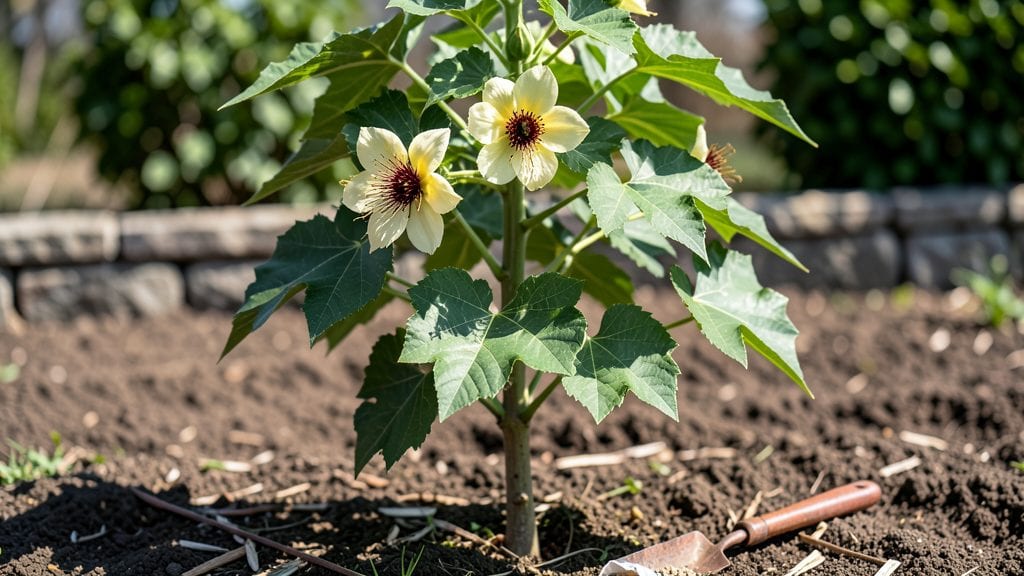
Cultivating cotton flower blooms in the Pacific Northwest's chilly climate feels like a gardening rebellion—until you pick the right frost-resistant varieties. ✨ I've grown cotton flowers here for three seasons, and the secret isn't just the varieties but the way you coax them into blooming despite the cool, damp summers.
The key starts with soil that drains like a dream and sunlight that mimics their native desert origins, even when our skies stay gray.
You'll need well-draining soil mixed with compost, a spot that gets at least 6-8 hours of sun daily (even if it means a south-facing wall), and patience—cotton flowers take 80-100 days to bloom from seed.
The varieties that thrive here, like 'Sea Island Cotton' or 'Upland Cotton,' handle our cooler nights better than most, but they still demand consistent moisture without soggy roots. Think of it as teaching them to drink from a straw, not a firehose.
What you'll end up with are clouds of snow-white or blush-pink blooms that last for weeks, followed by fluffy seed pods that add texture to winter arrangements.
The plants grow tall—4-5 feet—so stake them early, and you'll have cut flowers that outshine store-bought roses in both beauty and longevity. The real magic? These same plants produce organic cotton for crafts, making them the ultimate multitaskers.
This works just as well in containers as in garden beds, so whether you're a balcony gardener or have a full sun patch, the approach stays the same. The only rule? Don't rush the process—cotton flowers reward those who let them set their own pace. Let's get those seeds started!
📚 In This Guide
- What you need
- Instructions
- Tips and common mistakes
- Wrapping up and next steps
What you need
- ● Cotton flower seeds: Frost-resistant varieties like Gossypium hirsutum (e.g., 'Pima' or 'Acala') or hybrid types suited for zones 7-9. Start with 5-10 seeds for a small garden.
- ● Well-draining potting mix: 5-10 gallons of a blend with 50% peat moss, 30% perlite, and 20% compost (or store-bought cactus/succulent mix).
- ● Containers or garden beds: Containers: 5-gallon pots (1 per plant) with drainage holes.
- ● In-ground: Full sun spot (6+ hours/day) with loose, fertile soil (amend with 2 lbs of 10-10-10 fertilizer per 100 sq ft).
- ● Watering can or hose: With a gentle spray nozzle to avoid disturbing seedlings.
- ● Hand trowel (for transplanting seedlings).
- ○ Gloves (optional but recommended—cotton plants can be prickly!).
- ● Mulch (straw or wood chips) to retain moisture and protect roots from light frosts.
- ○ Thermometer (optional): To monitor soil temps (70–85°F for germination).
- ○ Frost cloth (optional): For early-season protection in zones 7-8.
- ● Growth lights (if starting indoors 6–8 weeks before last frost).
- ● Epsom salt (1 tbsp per gallon of water monthly for magnesium boost).
- ● Pollinator-friendly plants (e.g., marigolds or lavender) to attract bees and improve blooming.
How to grow frost-resistant cotton flowers in the Pacific Northwest
Here's the straightforward approach I've used to grow stunning, cold-hardy cotton blooms in our rainy climate.
🌱 Step 1: Select the Right Varieties for Cold Climates
Look for Gossypium hirsutum varieties like 'Delta Pine' or 'Stoneville' that tolerate 25-30°F temperatures. These are bred to withstand our Pacific Northwest chill better than tropical cotton types. I always check the USDA hardiness zone rating—Zone 5-7 varieties perform best in our region.
Start with 4-6 plants for a small garden display, spacing them 3-4 feet apart. This gives them room to mature without competing for nutrients. If you're planting in containers, choose 5-gallon pots with drainage holes—they handle our wet winters better than shallow planters.
☀️ Step 2: Prepare the Planting Site for Cold Tolerance
Cotton thrives in full sun (6-8 hours daily), but our cloudy summers mean you'll need to supplement with grow lights if planting in shade. Amend the soil with 2-3 inches of compost to improve drainage—cotton roots rot easily in soggy soil, which is a big problem here.
Wait until after the last frost date (typically mid-May in the PNW) to plant. If you're in a cooler microclimate, consider using black plastic mulch to warm the soil. This helps jumpstart growth in our damp, cool springs. Test soil moisture before planting—it should feel like a wrung-out sponge, not dripping wet.
💧 Step 3: Water Deeply and Protect from Wind
Water deeply 2-3 times per week during the first month, keeping the soil 2-3 inches moist but never soggy. Our Pacific Northwest winds can stress young plants, so I stake them with 3-foot bamboo stakes at planting time. Tie stems loosely with soft twine—cotton grows fast, and tight bindings will girdle the stems.
Here's the thing—cotton is drought-tolerant once established, but seedlings need consistent moisture. If you're in a particularly rainy area, elevate beds or use containers to prevent waterlogging. You'll know your watering is right when the soil surface feels damp but not glistening with excess moisture.
✂️ Step 4: Prune for Cold Resistance and Better Blooms
Once plants reach 18-24 inches tall, prune back any leggy growth to encourage bushier, sturdier stems that handle frost better. Remove any flowers that appear before June 15th—early blooms won't survive our late frosts, and the plant will waste energy trying to fruit.
Watch for cotton aphids in our mild summers—they love new growth. Spray with neem oil if you see sticky residue on leaves. I also apply a light layer of mulch around the base to insulate roots during our cool nights. This keeps soil temps 5-10°F warmer than ambient, which is crucial for our unpredictable spring weather.
⏰ Step 5: Extend the Season with Frost Protection
When temperatures dip below 35°F in late summer, cover plants with frost cloth at night. Secure it loosely—cotton needs airflow to prevent fungal diseases. I've found that row covers work better than plastic sheets because they allow some light and air circulation.
Harvest open blooms in late August to early September before frost hits. To dry the flowers, hang them upside down in a well-ventilated, dark space for 2-3 weeks. This preserves their delicate petals for crafts or arrangements. If frost threatens before harvest, pick flowers early and dry them indoors—you'll still get usable material, just slightly less fluffy.
Tips & tricks for growing frost-resistant cotton blooms
Here's what I've learned after years of growing cotton flowers in our unpredictable Pacific Northwest climate—these tricks make all the difference.
Variety Selection Tip: Beyond 'Delta Pine' and 'Stoneville', look for USDA Zone 5-7 varieties labeled as "cold-hardy" or "northern-adapted". I've had great success with 'FM 966'—it handles our 25-30°F nights better than standard varieties. Check seed catalogs for "cotton for cool climates" specifically, as regular cotton seeds won't survive our winters.
Soil Preparation Secret: In Step 2, don't just add compost—mix in 1 part perlite to 3 parts compost before planting. This improves drainage dramatically in our soggy climate. I also recommend testing your soil pH—cotton prefers 6.0-7.5. Our acidic Pacific Northwest soils often need lime amendments to reach this range. The extra effort prevents root rot that kills so many plants here.
Watering Wisdom: For the 2-3 inches moist requirement in Step 3, use your finger to check moisture—push it 2 inches deep. If it feels dry, water until moisture reaches that depth. I've found morning watering works best in our climate, giving plants all day to dry out before evening dampness. And here's the thing: if your soil stays wet longer than 24 hours after watering, you're overwatering—cotton roots need air too.
Frost Protection Hack: When using frost cloth in Step 5, secure it with brass brads (not staples) to avoid damaging stems. I also elevate the cloth with small stakes at the edges to create airflow—this prevents condensation buildup that can promote fungal diseases. For extra insurance, I've used row covers with built-in ventilation during our 35°F nights, which work better than plastic sheets.
Pro Tips for Cotton Flower Bloom
- Here's what I've learned after years of growing cotton flowers in our unpredictable Pacific Northwest climate—these tricks make all the difference.
- Variety Selection Tip: Beyond 'Delta Pine' and 'Stoneville', look for USDA Zone 5-7 varieties labeled as "cold-hardy" or "northern-adapted".
- Soil Preparation Secret: In Step 2, don't just add compost—mix in 1 part perlite to 3 parts compost before planting.
Frequently asked questions
Got questions about growing frost-resistant cotton flowers in the Pacific Northwest?
You’re not alone! Here are answers to the most common queries to help you cultivate a stunning bloom without stress.
How cold can cotton flowers tolerate before frost damage occurs?
Most frost-resistant cotton varieties, like Gossypium hirsutum or G. barbadense hybrids, can handle light freezes down to 28–30°F (-2 to -1°C). However, prolonged exposure below 25°F (-4°C) risks bud damage. Use row covers or mulch for extra protection during early spring or late fall.
When is the best time to plant cotton flowers in the PNW?
Wait until after the last frost (typically mid-May in most of the PNW) to plant seeds or transplants. Soil should be at least 60°F (15°C). For a longer bloom season, start seeds indoors 8–10 weeks before transplanting or choose early-maturing varieties like ‘Deltapine 90’.
Can I grow cotton flowers in containers, or do they need a garden bed?
Yes! Cotton flowers thrive in 5-gallon+ containers with well-draining soil and full sun. Ensure pots have drainage holes and use a balanced fertilizer every 4–6 weeks. Dwarf varieties like ‘Cotton Candy’ are ideal for containers, reaching only 3–4 feet tall.
Why aren’t my cotton flowers blooming, even though the plants look healthy?
Common culprits include insufficient sunlight (cotton needs 6+ hours of direct sun dailyover-fertilizing with nitrogen (which promotes foliage over flowers), or stress from pests (like aphids or spider mites). Prune leggy growth, reduce watering slightly, and check for pests. If blooms still don’t appear, try hand-pollinating with a small brush.
How do I extend the cotton flower bloom season in cooler PNW climates?
Choose early- and late-season varieties, like ‘Stoneville 213’ (fast-maturing) or ‘Pima’ (heat-tolerant). Succession plant seeds every 2–3 weeks from late spring to early summer. Use black plastic mulch to warm soil and row covers to shield tender blooms from late frosts.
Wrapping up and next steps
The cotton flower bloom in your Pacific Northwest garden is within reach—thanks to frost-resistant varieties that thrive even in cooler climates! 🌸 From selecting the right seeds to nurturing them with care, you now have the tools to cultivate vibrant blooms that stand out in any landscape.
Whether you're a beginner or a seasoned gardener, your effort will pay off in stunning, resilient flowers.
Ready to take the next step? Start planting this season and watch your garden transform! For extra inspiration, explore companion plants or creative ways to showcase your cotton blooms—like dried arrangements or pollinator-friendly designs. Happy gardening! 🌿