
Container Gardens
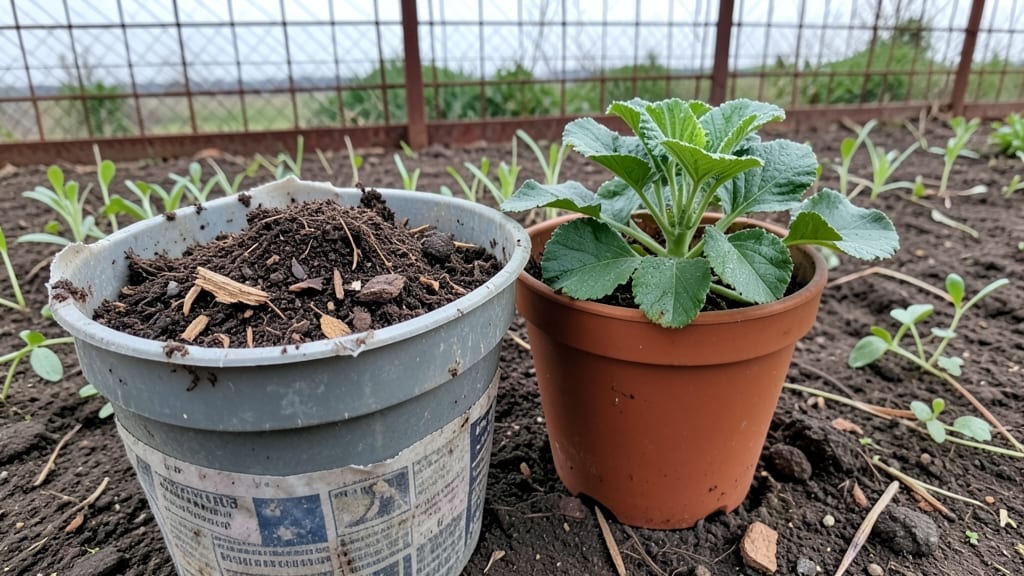
Finding cheap big flower pots that last through seasons and storms is the secret to making bold garden statements without breaking the bank.
I’ve filled my patio with oversized planters for under $30 each—no fancy labels, just sturdy plastic, lightweight fabric, or even repurposed whiskey barrels that scream "garden drama" while costing next to nothing. The key is matching the pot to the plant’s size and weight, not just its color.
Your best bets are home improvement stores like Lowe’s or Home Depot, where large plastic pots run $10–$25 and hold up for years. Fabric grow bags are another game-changer—$15–$30 for 5-gallon sizes that breathe better than clay and won’t crack in freeze-thaw cycles.
For free options, scour Facebook Marketplace for discarded half-barrels or old livestock troughs that need a scrub and a fresh coat of paint.
Once you’ve got them, the possibilities explode: a single 5-gallon pot can anchor a vertical garden of trailing petunias, while stacked 30-gallon tubs create a lush, multi-level display. The trick is drilling drainage holes (if they’re missing) and elevating pots on cinder blocks to prevent waterlogging.
My $20 fabric pots now hold 6-foot-tall sunflowers that neighbors ask about every summer.
Pro tip: Pair cheap pots with thrifted saucers or pebbles to catch runoff, and rotate them seasonally—what works for heat-loving geraniums in summer becomes a cozy spot for pansies in winter. The right pot doesn’t just hold plants; it turns them into centerpieces. Let’s get styling!
📚 In This Guide
- What you need
- Instructions
- Tips and common mistakes
- Wrapping up and next steps
What you need
- ● Large containers: 3–5 sturdy plastic, ceramic, or fabric pots (12–18 inches in diameter). Look for cheap big flower pots at garden centers, dollar stores, or repurpose buckets, troughs, or even old bathtubs!
- ● Drainage: 1–2 inches of small rocks, gravel, or broken pottery pieces (for each pot). Pro tip: 💡 Use recycled materials like crushed bricks or aquarium stones!
- ● Potting soil: 3–5 bags of high-quality, well-draining potting mix (avoid garden soil—it compacts!). Aim for 2–3 cubic feet per pot.
- ● Plants: 1–3 bold foliage or flowering plants per pot (e.g., succulents, ferns, petunias, or ornamental grasses). Choose plants with similar water needs!
- ● Basic tools: 1 trowel or small shovel
- ● 1 pair of gardening gloves
- ● 1 watering can or hose with a gentle spray nozzle
- ○ Optional upgrades: Self-watering kit (for $10–$20) to reduce maintenance
- ● Decorative paint or outdoor-safe markers to personalize pots
- ● Mulch (e.g., bark chips) to retain moisture and add flair
- ● A sunny or partially shaded spot in your yard, patio, or balcony (check plant light requirements!)
- ● Access to water (a hose or watering can within reach)
- ● Patience! Let plants acclimate for 1–2 weeks before heavy watering. ✨
How to select and use cheap big flower pots for striking garden displays
Here's how I choose affordable yet durable large planters that transform any garden space—without breaking the bank.
Identify Your Garden's Weight and Drainage Needs
First, assess what your plants will need in terms of weight and moisture. Heavy pots like terra cotta or fiberglass hold moisture well but may require extra support for large plants. Lighter options like plastic or resin are easier to move but need more frequent watering. I always check the pot's weight capacity label—most big flower pots handle 15-25 pounds of soil and plants, but oversized varieties can support up to 50 pounds.
Look for pots with multiple drainage holes—this prevents root rot, which is the silent killer of container plants. If you find a beautiful pot without holes, you can drill them yourself using a ½-inch masonry bit. Place a piece of landscape fabric over the holes before adding soil to keep roots from escaping while still allowing water to drain freely.
Choose Pots with Structural Integrity for Bold Displays
For large flower pots, structural integrity matters more than aesthetics. I avoid thin-walled plastic pots—they crack under heavy blooms or freeze-thaw cycles. Instead, I opt for thick-walled resin or reinforced plastic, which resists cracking and holds up to seasonal temperature swings. If you're using pots outdoors year-round, look for UV-resistant materials to prevent fading and weakening over time.
Consider the pot's base width—wider bases provide better stability, especially for tall or top-heavy plants like sunflowers or ornamental grasses. A pot with a 12-inch diameter base or larger will anchor plants securely even in windy conditions. If you're placing pots on decks or patios, add saucers or trays to catch runoff and protect surfaces from water stains.
Prepare Pots for Planting with Proper Soil and Drainage
Before adding plants, line the bottom of each pot with a 2-inch layer of gravel or expanded clay pebbles. This creates a reservoir for excess water and prevents soil from clogging the drainage holes. I use perlite or vermiculite mixed into the soil for added aeration, especially in heavy potting mixes. For large pots, I fill them ⅓ full with soil before adding plants—this gives roots room to establish without being buried too deep.
For bold garden displays, I always use well-draining potting mix blended with compost or slow-release fertilizer. Avoid garden soil—it compacts in containers and suffocates roots. If you're planting heavy feeders like petunias or dahlias, mix in a time-release fertilizer pellet at planting time. Water the soil thoroughly after planting to settle it around the roots and remove any air pockets.
Position Pots for Maximum Impact and Plant Health
Place your big flower pots where they’ll get the right amount of light for your plants. Most bold annuals and perennials thrive in 6-8 hours of sunlight daily, but some, like impatiens or ferns, prefer partial shade. I group pots by sunlight needs to create cohesive displays—this makes maintenance easier and ensures every plant gets what it needs to flourish.
Elevate pots on plant stands, bricks, or pot feet to improve drainage and airflow around the base. This prevents water from pooling and keeps roots from rotting. If you're using pots on a balcony or rooftop, check local weight limits—some structures can't support heavy, water-filled containers. For extra stability, place pots with a wider base closer to the center of the space and smaller pots toward the edges.
Maintain Pots for Longevity and Seasonal Transitions
Clean pots thoroughly at the end of each season to prevent mold and pests. Scrub them with a 10% bleach solution (1 part bleach to 9 parts water) or a vinegar rinse, then rinse well and let them dry in the sun. Store lightweight pots indoors or in a sheltered area during winter to extend their lifespan. For heavy pots, leave them outdoors but empty them and store plants in smaller containers if frost is expected.
Inspect pots for cracks or wear before each planting season. Small cracks can be sealed with waterproof silicone caulk, but large breaks mean it’s time to replace the pot. If you notice soil erosion or root growth through drainage holes, it’s a sign the pot is too small—upgrade to a larger size for next season. With proper care, even the most budget-friendly big flower pots can last 5-10 years and remain a stunning centerpiece in your garden.
Tips & tricks for perfect big flower pot displays
A few strategic choices can transform your garden pots from functional to show-stopping. Here's what I've learned after years of trial and error with large planters.
Material Matters: In Step 1, when choosing between terra cotta, fiberglass, or resin, consider your climate. Terra cotta breathes but cracks in freeze-thaw cycles, while fiberglass holds moisture beautifully but can be heavy. I've found that UV-resistant resin offers the best balance of durability and weight for most climates. For extra protection, store pots in a shaded area during peak summer sun to prevent fading and weakening of any material over time.
Drainage Hack: When modifying pots without drainage holes in Step 1, use a ½-inch masonry bit and drill holes in a staggered pattern rather than straight lines. This creates more surface area for water to escape while keeping roots contained. I also recommend adding a piece of hardware cloth over the holes before placing landscape fabric—this prevents soil from washing out while still allowing proper drainage.
Soil Science: The ⅓ soil fill recommendation in Step 3 is non-negotiable for large pots. This gives roots room to establish without being buried too deep, which prevents suffocation. For heavy feeders like petunias or dahlias mentioned, I mix in orchid bark with the potting soil—it improves aeration and helps prevent compaction over time. This small adjustment has dramatically improved plant health in my largest containers.
Light Grouping Strategy: In Step 4, when arranging pots by sunlight needs, I create "light zones" in my garden. Place sun-loving annuals together in the brightest spot, then gradually move to partial shade options like impatiens or ferns. This creates a natural gradient and makes watering maintenance much easier. I also use reflective mulch around sun-loving pots to amplify light exposure for plants at the edges of each zone.
Pro Tips for Cheap Big Flower Pots
- A few strategic choices can transform your garden pots from functional to show-stopping.
- Material Matters: In Step 1, when choosing between terra cotta, fiberglass, or resin, consider your climate.
- Drainage Hack: When modifying pots without drainage holes in Step 1, use a ½-inch masonry bit and drill holes in a staggered pattern rather than straight lines.
Frequently asked questions
Got questions about snagging cheap big flower pots without sacrificing style or durability? You’re in the right place! Here are answers to the most common queries—so you can shop smarter and garden bolder.
What are the best budget-friendly materials for large flower pots?
For affordability and durability, opt for plastic (lightweight, weather-resistant) or fiberglass (mimics ceramic at half the price). Resin is another great pick—it’s sturdy, stylish, and often under $20 for oversized pots. Avoid thin plastic; it cracks under heavy soil or frost.
Where can I find cheap big flower pots without compromising quality?
Check home improvement stores (Home Depot, Lowe’s—look for clearance sections!), Dollar Tree (yes, really!), or Facebook Marketplace for gently used pots. Thrift stores and garage sales also yield hidden gems. Pro tip: Shop in late summer or early spring when retailers discount seasonal inventory.
How do I prevent my cheap big pots from cracking or fading?
To extend your pots’ life, avoid placing them in direct sunlight (UV rays weaken plastic/fiberglass over time). If using outdoors, rotate them seasonally to prevent uneven fading. For extra protection, apply a clear outdoor sealant (like Rust-Oleum) to plastic pots. And always drain excess water—soggy soil speeds up material degradation.
Can I use big flower pots for heavy plants like trees or large shrubs?
Just ensure the pot has drainage holes and a wide, stable base (or add a saucer for weight). For trees, choose pots at least 12–18 inches deep and 3x wider than the root ball. If your pot feels wobbly, fill the bottom 10% with gravel or broken pottery to improve drainage and stability.
How can I make cheap pots look more expensive or stylish?
Transform thrifted or basic pots with pebble paint (apply a base coat, then sprinkle pebbles while wet), chalkboard paint (for a modern touch), or moss/ivy wraps (glue preserved moss to the sides). For a luxe look, add gold or brass accents (like handles or rim trim) from a hardware store. A little creativity goes a long way!
Do cheap big pots survive winter or need winterizing?
Most plastic and resin pots are frost-resistant, but empty them or store them indoors if possible. If left outdoors, drain all water before the first freeze to prevent cracking. For terracotta pots (if you find them cheap!), wrap them in bubble wrap or move them to a sheltered spot. Pro tip: Label pots with plant names before winterizing—you’ll thank yourself in spring!
Wrapping up and next steps
Transforming your outdoor space with bold, budget-friendly flower displays is easier than you think! Whether you’re revamping a patio, balcony, or garden bed, cheap big flower pots offer the perfect blend of affordability and durability.
From repurposing sturdy containers to choosing lightweight yet long-lasting materials, these planters let your creativity—and your plants—thrive without breaking the bank.
Ready to get started? Grab your supplies, pick a design, and let your green thumb shine! 🌱✨ Head back to the materials guide for a refresher, or dive into your next project with confidence.