
Companion Plants
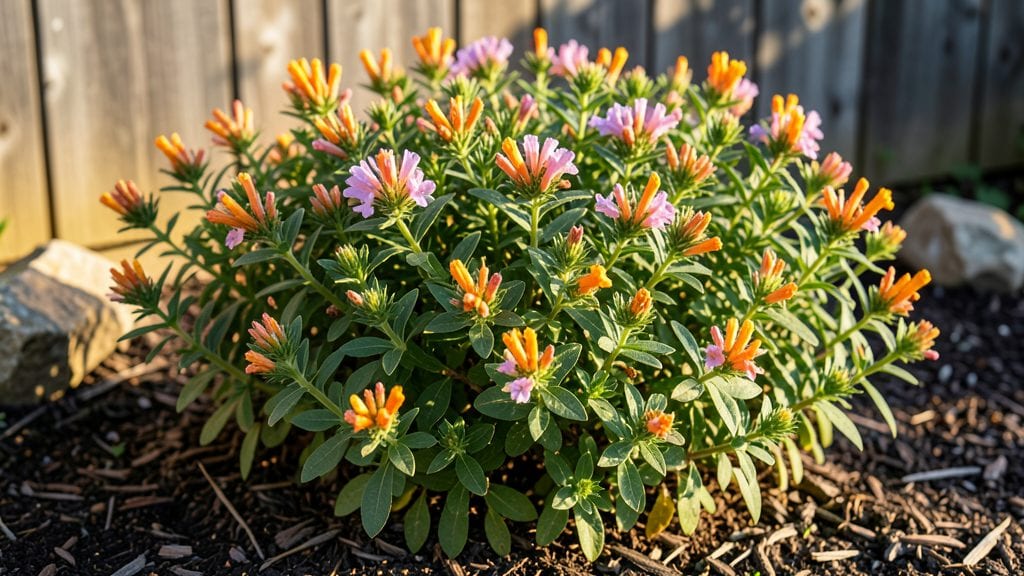
Heat-tolerant flowering plants turn your yard into a vibrant oasis when summer hits 100°F—no wilting in sight. 🌿 I learned the hard way that most flowers give up by July, but these tough beauties thrive when others fade.
The secret isn’t just heat resistance—it’s matching their natural habits with your climate’s extremes.
These plants need full sun exposure, well-draining soil (think sandy or rocky mixes), and deep but infrequent watering—more like a drink once a week than daily sips.
Lantana, bougainvillea, and salvia top the list, but regional picks like blanket flower or zinnia work too if you’re in drier areas. Pruning spent blooms keeps them flowering longer, and mulch saves moisture like a desert survival trick.
You’ll end up with nonstop color from spring through fall, even when your neighbors’ gardens look crispy. The fragrance of evening primrose or the bold hues of firebush create a backyard that feels like a tropical getaway—without the travel.
These plants also attract pollinators when everything else is struggling, turning your yard into a buzzing ecosystem.
Works in USDA zones 7-11, but even cooler climates can grow heat lovers in containers and move them indoors during winter. Start with one or two tough species to test your microclimate—once you see what thrives, you’ll never go back to heat-sensitive flowers again.
📚 In This Guide
- What you need
- Instructions
- Tips and common mistakes
- Wrapping up and next steps
What you need
- ● Heat-tolerant flowering plants: 5–10 plants (e.g., Lantana, Bougainvillea, Salvia, Portulaca, or Zinnia). Choose varieties native to your region or labeled as "drought-resistant."
- ● Well-draining soil: 1–2 bags (50 lb each) of cactus/succulent mix or amend garden soil with perlite or coarse sand (1 part perlite to 3 parts soil).
- ● Organic mulch: 1–2 bags (e.g., gravel, pine bark, or straw) to retain moisture and regulate soil temperature.
- ● Slow-release fertilizer: 1–2 lbs of balanced, heat-resistant fertilizer (e.g., 10-10-10 or composted manure).
- ○ Drip irrigation system or soaker hoses: Optional but ideal for efficient watering (10–20 ft of tubing, depending on garden size).
- ○ Garden gloves (1 pair) and knee pads (optional but comfy!).
- ● Hand trowel or transplant spade (for digging small holes).
- ● Watering can or hose with adjustable nozzle (for gentle watering post-planting).
- ● Pruning shears (for trimming dead blooms or shaping plants).
- ● Sunlight assessment: Identify full-sun areas (6+ hours of direct sunlight daily).
- ● Containers (if needed): 5–10 terracotta or fabric pots (10–12 inches deep) with drainage holes.
- ● 🌡️ Test soil moisture: Stick your finger 1–2 inches into the soil before watering—if it’s dry, it’s time!
- ● ✨ Group plants by water needs: Cluster heat-lovers together to minimize waste.
- ● 🎯 Morning watering: Water early to reduce evaporation and fungal risks.
How to select and plant heat-tolerant flowering plants for year-round color
Here’s my foolproof method for choosing and planting flowers that thrive in 100°F+ heat—no wilting, no fading, just relentless blooms.
🌿 Step 1: Choose the Right Heat-Tolerant Varieties
Start with native or desert-adapted species that naturally handle high temperatures and low humidity. My top picks include Lantana, Gaillardia (Blanket Flower), Zinnia, Portulaca (Moss Rose), and Salvia—all of which bloom profusely in full sun and dry conditions. Avoid moisture-loving flowers like impatiens or petunias; they’ll crisp within days.
Look for drought-resistant labels on seed packets or nursery tags. Plants with thick, waxy leaves (like succulents) or silvery foliage (like lavender) are also great indicators of heat resilience. I always check the USDA Hardiness Zone on the tag—Zone 9-11 varieties are your safest bet for year-round color in hot climates.
☀️ Step 2: Prepare the Planting Site for Extreme Heat
Amend the soil with 1-2 inches of organic compost to improve water retention without compacting it. Heat-stressed roots need loose, well-draining soil—sandy or gravelly mixes work best. If your soil is heavy clay, mix in perlite or coarse sand to prevent waterlogging, which can suffocate roots in intense heat.
Plant in morning sun with afternoon shade if possible, especially in Zone 10+. A 3-4 foot tall shade cloth (30-50% coverage) over the hottest afternoon hours can extend the lifespan of heat-sensitive blooms. I’ve seen Lantana last twice as long with this simple protection—its flowers stay vibrant instead of turning brown by midday.
💧 Step 3: Water Deeply but Infrequently
Water deeply once a week (or every 5-7 days) rather than shallow daily doses. This encourages deep root growth, which helps plants access moisture during dry spells. The soil should feel dry 2-3 inches down before watering again—stick your finger in to check. Overwatering in heat is just as deadly as underwatering; it promotes root rot and fungal diseases.
Water early in the morning (5-7 AM) to allow foliage to dry before evening. Wet leaves in 100°F+ heat can scorch or invite powdery mildew. I use drip irrigation or soaker hoses to deliver water directly to the soil, minimizing evaporation. Mulch with 2-3 inches of gravel or wood chips to retain moisture and keep roots cool—this is non-negotiable in desert climates.
✂️ Step 4: Prune and Deadhead for Continuous Blooms
Trim back spent blooms every 7-10 days to encourage new growth. For Lantana and Zinnia, I snip 1/3 of the plant mid-season to stimulate bushier, more prolific flowering. Avoid heavy pruning in peak summer heat—wait until temperatures dip below 90°F to reduce stress on the plant.
Remove yellowing or diseased leaves immediately to prevent spread. Heat-stressed plants are more vulnerable to pests like aphids or spider mites, so I inspect foliage weekly with a hand lens. A neem oil spray applied in the evening keeps pests at bay without harming beneficial insects. This simple habit keeps my Gaillardia blooming for six months straight instead of just a few weeks.
🌱 Step 5: Fertilize Strategically for Heat Resilience
Use a balanced, slow-release fertilizer (10-10-10) at planting time and again in early fall. Avoid high-nitrogen feeds—they promote leafy growth at the expense of blooms. Instead, opt for a phosphorus-heavy formula (5-10-10) to support root and flower development. I apply granular fertilizer around the drip line (not the base) to prevent burning tender roots.
In extreme heat (above 105°F), pause fertilizing entirely. Plants under stress cannot process nutrients efficiently, and overfeeding can lead to leaf scorch or blossom drop. Instead, focus on hydration and shade during heatwaves. Once temperatures stabilize, resume feeding in early September to prep plants for fall and winter blooms.
Tips & tricks for perfect heat-tolerant flower gardens
These game-changing strategies will help your heat-loving blooms thrive year-round without wilting or fading.
Selection Tip: When choosing varieties, prioritize plants with hairy or fuzzy leaves like Lantana or Salvia—these natural adaptations reduce water loss during extreme heat. I've found that Portulaca (Moss Rose), with its succulent-like stems, can survive 100°F+ temperatures without supplemental shade, making it ideal for full-sun desert landscapes. The key is looking for plants that have evolved in similar climates to yours.
Soil Preparation Strategy: For Zone 10+ climates, I recommend mixing coarse sand or perlite into your native soil at a 1:3 ratio before planting. This creates air pockets that prevent soil compaction while maintaining excellent drainage—critical when temperatures exceed 105°F. The goal is to mimic the loose, mineral-rich soils found in natural desert ecosystems where these plants thrive. Test your amended soil's drainage by filling a container with water—it should drain completely within 15 minutes.
Watering Wisdom: The 5-7 day watering interval mentioned works perfectly for established plants, but new transplants need more frequent hydration. Water them every 3-4 days for the first two weeks to help roots establish before transitioning to the weekly schedule. I've seen Zinnia seedlings crisp within days when planted in dry soil and watered only weekly. Use a moisture meter to check soil moisture at 2-3 inch depth—this is more reliable than the finger test when temperatures exceed 90°F.
Pruning Precision: When you're deadheading every 7-10 days, focus on removing only the spent blooms rather than cutting back entire stems. This preserves the plant's energy while encouraging continuous flowering. For Lantana, I've found that pinching back the tips of new growth in early spring stimulates bushier plants that handle heat better. The 90°F temperature threshold for pruning is crucial—above this, plants are more vulnerable to stress and disease from pruning wounds.
Pro Tips for Heat Tolerant Flowering Plants
- These game-changing strategies will help your heat-loving blooms thrive year-round without wilting or fading.
- Selection Tip: When choosing varieties, prioritize plants with hairy or fuzzy leaves like Lantana or Salvia—these natural adaptations reduce water loss during extreme heat.
- Soil Preparation Strategy: For Zone 10+ climates, I recommend mixing coarse sand or perlite into your native soil at a 1:3 ratio before planting.
Frequently asked questions
Got questions about keeping your garden blooming bright even when the sun’s blazing? Here are some of the most common queries about heat-tolerant flowering plants—plus quick, practical answers to help you garden with confidence!
Which heat-tolerant flowers bloom fastest for instant color?
If you’re craving fast results, opt for Lantana (blooms in 6-8 weeks) or Zinnias (4-6 weeks). Both thrive in heat and drought once established. For year-round blooms, Portulaca (Moss Rose) is a top pick—it flowers within weeks and handles 100°F+ temps like a champ!
When is the best time to plant heat-loving flowers?
For most heat-tolerant varieties, late spring after the last frost is ideal (around 70°F soil temps). However, succulents like Sedum or Lavender can handle planting in early fall. Pro tip: Water deeply after planting to help roots establish before summer’s peak heat!
How often should I water heat-tolerant plants?
While these plants love heat, they still need consistent moisture during establishment (first 2-3 weeks). Once rooted, most (like Salvia or Gaillardia) thrive on deep watering 1-2x/week. Mulch with 2-3 inches of organic material to retain moisture and protect roots. Morning watering is best—it prevents fungal issues from evening dampness.
Can I grow heat-tolerant flowers in containers?
Containers are great for Portulaca, Vinca, or Petunias—just ensure pots have drainage holes and use a well-draining cactus/succulent mix. Place containers in full sun (6+ hours/day) and water more frequently than in-ground plants (soil dries out faster). Terracotta pots help regulate temperature—perfect for scorching afternoons!
What pests should I watch for with heat-loving flowers?
Heat-tolerant plants are generally pest-resistant, but keep an eye out for aphids (on Zinnias) or whiteflies (on Lantana). Spider mites thrive in dry heat—mist plants occasionally or spray with neem oil if webs appear. Ladybugs are natural predators—invite them to your garden by planting Dill or Marigolds nearby!
Are there any heat-tolerant annuals that also attract pollinators?
Yes! Bee Balm, Coneflower (Echinacea), and Black-Eyed Susan are pollinator magnets and heat-resistant. Lantana is another winner—its clusters draw butterflies, hummingbirds, and bees. For evening bloomers, Moonflower (Ipomoea alba) thrives in heat and opens at dusk, giving moths a late-night feast!
Wrapping up and next steps
Transforming your garden into a vibrant oasis in hot climates is easier than you think! Heat-tolerant flowering plants like Lantana, Bougainvillea, and Blanket Flower prove that scorching summers don’t have to mean dull landscapes. These resilient beauties thrive under the sun, offering year-round color while requiring minimal fuss.
Ready to take the next step? Start small—pick one or two plants to test in your garden, and watch your space bloom with confidence! Whether you’re a seasoned gardener or just beginning, these heat champions will reward you with low-maintenance joy. 🌸☀️