
Flowers
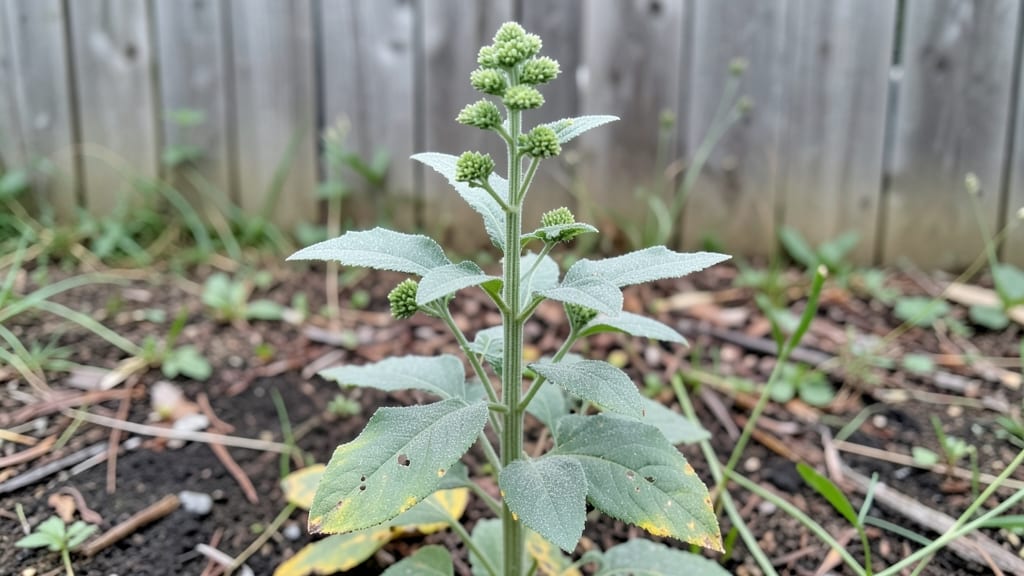
Transforming that stubborn lamb’s quarters into a stunning edible flower display starts with understanding its wild roots. ✨ Chenopodium album—commonly called lamb’s quarters—might be a garden nuisance, but its delicate, papery flowers add a unique texture and flavor to dishes.
The secret lies in channeling its natural vigor while keeping it contained.
You’ll need full sun and well-draining soil, but don’t fuss over fertility—this plant thrives even in poor conditions. A 6-inch-deep hole and consistent moisture (not soggy) are all it takes to coax those pale green blooms.
The key? Prune regularly to encourage bushier growth and prevent it from taking over your yard.
By midsummer, you’ll have clusters of edible, slightly salty flowers perfect for garnishes or salads. Harvest them young for the best flavor, and watch pollinators flock to your garden. It’s a two-for-one: beauty and dinner.
Works in borders, containers, or even as a living mulch—just keep an eye on its spread. Once you master it, you’ll see lamb’s quarters in a whole new light. Let’s get growing!
📚 In This Guide
- What you need
- Instructions
- Tips and common mistakes
- Wrapping up and next steps
What you need
- ● Chenopodium album seeds or seedlings: 10–20 seeds (or 2–3 young plants) to ensure a good start. Pro tip: Collect seeds from mature plants or purchase organic, non-GMO seeds for best results! 🌱
- ● Well-draining soil: A mix of 60% garden soil, 30% compost, and 10% perlite/sand (pH 6.0–7.5). Lamb’s quarters thrive in loose, nutrient-rich soil.
- ● Sunlight access: A full-sun location (6+ hours/day). Partial shade is tolerable but may reduce floral yield.
- ● Watering can or hose: For consistent moisture (avoid waterlogging!).
- ○ Organic fertilizer (optional but recommended): Balanced 10-10-10 or 5-10-10 fertilizer (apply every 4–6 weeks).
- ● Compost tea or worm castings for a natural boost.
- ● Pruning shears or scissors: For harvesting flowers and shaping plants.
- ● Garden twine or stakes: To support taller plants (especially in windy areas).
- ● Mulch (straw or shredded leaves): To retain moisture and suppress weeds.
- ● Pollinator-friendly companions: Plant marigolds or basil nearby to attract bees and boost flower production! 🐝
- ● Drying rack or paper towels: For preserving harvested flowers (if making teas or crafts).
Step-by-step instructions for cultivating Chenopodium album flowers
Turn that "weed" into a stunning, edible garden feature with these simple yet precise steps.
🌱 Step 1: Identify and Select Healthy Wild or Cultivated Plants
Chenopodium album thrives in disturbed soils, so scout areas with loose, nutrient-rich ground—think garden edges, compost piles, or neglected corners. Look for plants with lambs-quarters' characteristic triangular leaves and reddish stems, especially those already flowering. Avoid plants near roadsides (possible contamination) or treated with herbicides.
If starting from seed, collect seed heads in late summer when they turn papery and brown. Store in a cool, dry place until spring—these seeds remain viable for years. I always test germination by planting a few indoors first; if they sprout within 10-14 days, the batch is fresh. For established plants, dig up 4-6 healthy specimens with roots intact, shaking off excess soil to check for pests.
☀️ Step 2: Prepare the Planting Site for Optimal Growth
Chenopodium album loves full sun to partial shade—6+ hours of direct light yields the most vibrant flowers. Clear the area of competing weeds (this plant spreads aggressively!) and loosen the soil to a depth of 6-8 inches with a garden fork. Amend with 2-3 inches of compost to boost fertility, but avoid over-fertilizing—these plants thrive in lean conditions too.
For container growing, use 5-gallon pots with drainage holes. Fill with a mix of 50% potting soil and 50% sand or perlite to mimic its native, well-drained habitat. Water thoroughly before planting, letting excess drain completely—soggy soil invites rot, especially in humid climates. Space plants 18-24 inches apart to allow air circulation and prevent disease.
💧 Step 3: Plant and Establish for Robust Flowering
Set plants in the prepared soil at the same depth they grew in their original location. Press gently around the base to eliminate air pockets but don’t compact the soil—roots need oxygen to spread. Water deeply right after planting to encourage root establishment, then maintain 1 inch of water per week, adjusting for rainfall. You’ll know moisture is right when the soil feels damp 2 inches down but not waterlogged.
Mulch with 1-2 inches of straw or shredded leaves to suppress weeds and retain moisture, but keep mulch 3 inches away from stems to prevent rot. In 4-6 weeks, you’ll see new growth—first true leaves appear in pairs along the stem. This is your cue to start light fertilizing with a balanced 10-10-10 every 4-6 weeks if growth stalls, but Chenopodium album often thrives without extra nutrients.
✂️ Step 4: Encourage Flowering and Maintain Plant Health
To promote abundant blooms, pinch back tender new growth when plants reach 12 inches tall, cutting just above a set of leaves. This redirects energy to flower production. Deadhead spent blooms regularly to encourage continuous flowering—simply snip off faded clusters with clean scissors. The tiny, greenish-white flowers may not be showstoppers, but their edible seed heads (later stages) are a gourmet delight.
Watch for aphids or spider mites, common pests on Chenopodium. Spray infested areas with neem oil or a soapy water solution (1 tsp mild dish soap per quart of water) at the first sign of webbing or sticky residue. Avoid chemical sprays—this plant is often grown for its edible qualities. If leaves yellow between veins, it’s likely iron deficiency; amend soil with chelated iron or composted leaves.
🌿 Step 5: Harvest and Preserve Edible Blooms and Seed Heads
Harvest young flower buds in the morning for the most intense flavor—these can be used like capers in salads or infused into oils. Snip clusters with 2-3 inches of stem and rinse gently to remove debris. For seed heads, wait until they turn papery and brown (usually late summer to fall). Harvest entire stems, then rub seed heads over a bowl to collect the tiny, nutrient-rich seeds—a staple in survivalist and forager diets.
Dry flowers and seeds in a well-ventilated area out of direct sunlight for 3-5 days, stirring occasionally. Store in airtight containers away from light. You’ll have 4-6 harvests per season from a single plant, with seeds lasting 2+ years if stored properly. Real talk: these plants are low-maintenance, but their culinary and ornamental value makes them worth the effort.
Tips & tricks for perfect Chenopodium album flower cultivation
These simple yet game-changing tips will help you transform wild lambs-quarters into a thriving, edible garden star with minimal fuss.
Seed Germination Test: That 10-14 day germination window is your quality control moment. If seeds sprout within this timeframe, you've got fresh, viable seeds ready for planting. I always do this test indoors first—it saves you from planting hundreds of seeds only to find they won't grow. For container growing, this becomes especially critical since you're working with limited space and want every seed to count.
Soil Preparation Secret: The 6-8 inch soil loosening depth might seem excessive, but it's worth the effort. Chenopodium's native habitat is disturbed, nutrient-rich soil—think construction sites or garden edges. This deep loosening mimics those conditions perfectly, giving roots room to spread aggressively. For container growing, the 50/50 soil mix is non-negotiable—it prevents the compacted soil that leads to root rot in humid climates.
Pinching Technique: When your plants hit that 12-inch mark, don't just snip randomly. Cut just above a set of leaves where new growth emerges—this ensures you're redirecting energy to flower production while maintaining leaf surface area for photosynthesis. I've seen gardeners pinch too high or too low, which either stunts growth or creates leggy plants. The key is precision: you want to encourage bushiness while promoting those edible seed heads.
Harvest Timing: That morning harvest for flower buds is non-negotiable for flavor intensity. The tiny greenish-white flowers contain the most concentrated flavor when freshly opened. For seed heads, wait until they're completely papery and brown—this ensures maximum seed development. I harvest seed heads in late summer when they've fully matured, then dry them in a well-ventilated area for 3-5 days. This drying process preserves their nutritional value while making them easy to store for later use.
Pro Tips for Chenopodium Album Flowers
- These simple yet game-changing tips will help you transform wild lambs-quarters into a thriving, edible garden star with minimal fuss.
- Seed Germination Test: That 10-14 day germination window is your quality control moment.
- Soil Preparation Secret: The 6-8 inch soil loosening depth might seem excessive, but it's worth the effort.
Frequently asked questions
Got questions about growing and using Chenopodium album (also known as lamb’s quarters) flowers? You’re not alone! Here are some of the most common queries—and their answers—to help you navigate this edible weed with confidence.
Can I eat Chenopodium album flowers raw?
Yes! These delicate, mineral-rich blooms are perfectly safe to eat raw—just like their leaves. They add a mild, slightly earthy flavor to salads, garnishes, or infused oils. Pro tip: Harvest them early in the morning when they’re freshest and most vibrant.
When is the best time to harvest Chenopodium album flowers?
The ideal time is when the flowers are fully open but before they turn brown or seed. Aim for late spring to early summer, depending on your climate. Harvest on dry mornings to preserve their flavor and texture. Bonus: Pick flowers from plants that haven’t been treated with herbicides!
How do I distinguish Chenopodium album flowers from poisonous look-alikes?
Chenopodium album flowers are small, greenish-yellow, and clustered in panicles. Avoid plants with milky sap, bitter leaves, or red stems—these could be toxic look-alikes. Always harvest from healthy, thriving plants in pesticide-free areas. When in doubt, consult a local foraging expert!
What are the best culinary uses for these edible flowers?
These versatile blooms shine in salads, soups, or as a garnish for dishes like quiche or pasta. You can also infuse their petals into honey, vinegar, or olive oil for a unique mineral twist. Try them in a lamb’s quarters pesto for a nutrient-packed upgrade!
What should I do if I accidentally ingested too many?
While Chenopodium album is non-toxic, consuming excessive amounts may cause mild digestive upset (like bloating). Stick to moderate portions, and if symptoms persist, seek medical advice. When foraging, moderation is key!
Wrapping up and next steps
Chenopodium album flowers aren’t just resilient survivors—they’re a delicious, nutrient-packed gift from nature! Whether you’re growing them for their edible blooms, pest-repelling properties, or vibrant pollinator appeal, this "weed" transforms into a versatile garden asset. With minimal effort and the right conditions, you can harvest their zesty, spinach-like leaves and petal garnishes to elevate your dishes or herbal remedies.
Ready to turn your green thumb into a floral chef’s toolkit? Start small—plant a few seeds, experiment with recipes, or share your harvest with fellow plant enthusiasts. Your garden (and taste buds) will thank you! 🌱✨