
Planting
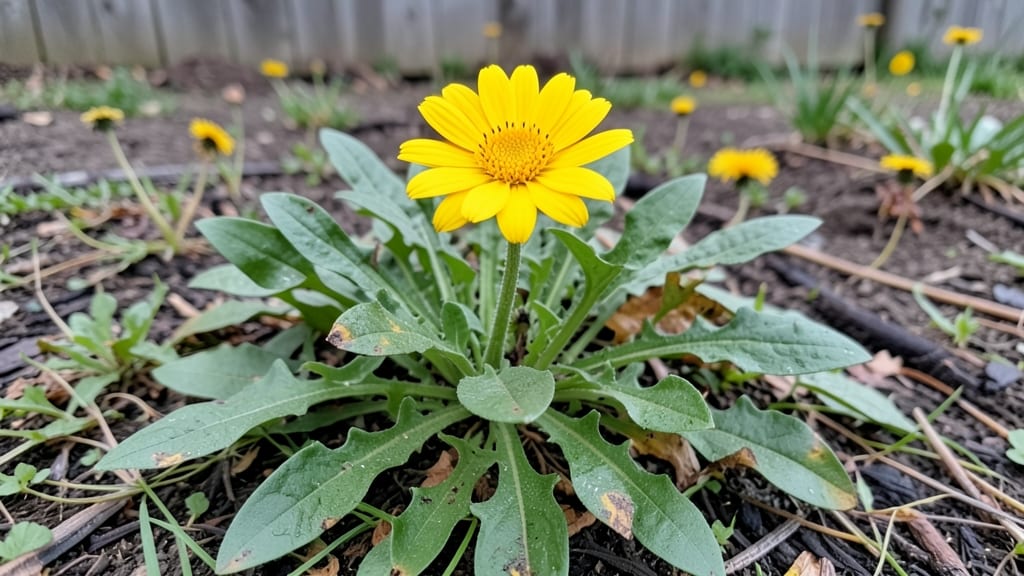
The chocolate flower plant (Berlandiera lyrata) brings sunlit joy year-round with its velvety brown blooms that smell like cocoa. 🌻 I’ve grown these tough perennials for years—they thrive where many plants fail, even in my hot, dry zone.
Their low-maintenance nature makes them perfect for busy gardeners or beginners who want instant impact.
These plants love full sun and well-draining soil, but they’re surprisingly forgiving. A light watering once established is all they need, and they bounce back from drought like nothing happened.
The secret to year-round blooms? A little frost protection in winter—just a thin layer of mulch or a row cover when temps drop below 20°F. No fuss, no drama.
You’ll end up with cheerful, fragrant plants that attract pollinators and fill containers or borders with color from spring through fall. Their chocolate-scented blooms make them a conversation starter, and they pair beautifully with lavender, yarrow, or salvias. Once established, they spread gently, creating a lush ground cover over time.
Works in containers, rock gardens, or sunny borders—they’re adaptable enough for almost any landscape. Whether you’re a first-time gardener or a seasoned pro, these plants deliver effortless beauty. Let’s get yours growing!
📚 In This Guide
- What you need
- Instructions
- Tips and common mistakes
- Wrapping up and next steps
What you need
- ● Seeds or a young plant: 3–5 seeds (if starting from scratch) or 1–2 nursery-grown plants (for faster blooms). Look for Berlandiera lyrata or "chocolate flower" labels.
- ● Well-draining potting mix: 10–15 lbs of a blend designed for xerophytic (drought-tolerant) plants. Add perlite or coarse sand (20–30%) for aeration.
- ● Container or garden bed: Containers: 1–2 gallon pots (with drainage holes) for each plant. Terracotta or fabric pots work best.
- ● Garden beds: Full sun exposure (6+ hours daily) and loose, sandy soil with a pH of 6.0–7.5.
- ● Slow-release fertilizer: 1–2 cups of a balanced 10-10-10 or organic fertilizer (like composted manure) per plant.
- ● Hand trowel or transplanting spade (for digging and repotting).
- ● Watering can or hose with a gentle spray nozzle (avoid overwatering!).
- ● Pruning shears (for trimming dead blooms or shaping the plant).
- ○ Mulch (optional but helpful): 1–2 inches of gravel or organic mulch (like straw) to retain moisture and deter weeds.
- ○ Grow lights (optional): For indoor growers in low-light areas—LED full-spectrum bulbs work best.
- ● Hardiness zone: 7–11 (chocolate flowers thrive in warm climates but can tolerate light frost with protection).
- ● Temperature: Ideal range: 65–85°F (18–30°C). Avoid planting until soil temps reach at least 60°F (15°C).
- ● Sunlight: Full sun is a must—place plants where they’ll receive direct light for most of the day.
Step-by-Step guide to growing chocolate flower plants year-round
Here’s how to cultivate Berlandiera lyrata—the chocolate flower—with vibrant blooms that last through seasons, even when frost threatens.
🌱 Step 1: Select the Right Location and Prepare the Soil
Chocolate flowers thrive in full sun, needing at least 6-8 hours of direct light daily. Choose a spot with well-draining soil—they despise soggy roots. Amend heavy soil with 1-2 inches of coarse sand or perlite to improve aeration. I always test drainage by pressing a shovel into the soil; if water pools, I know it’s too dense.
These plants tolerate poor soil but reward you with more blooms when fed lightly. Mix in 1 cup of compost per 4 square feet at planting time. Avoid fresh manure—it burns tender roots. The ideal soil pH is 6.0-7.0, but they’re flexible enough to handle slight variations.
☀️ Step 2: Plant at the Correct Depth and Spacing
Dig holes twice as wide as the root ball but only as deep as the container’s base. Gently remove the plant from its pot and tease out any circling roots—this prevents girdling as it matures. Place the plant so the top of the root ball sits even with the surrounding soil line; planting too deep suffocates the stem.
Space plants 12-18 inches apart for optimal airflow. Crowding invites fungal diseases like powdery mildew, which can defoliate plants in humid conditions. Water deeply after planting to settle the soil and eliminate air pockets. You’ll know it’s right when the soil surface looks firm but not compacted.
💧 Step 3: Water Strategically to Encourage Blooms
Water deeply once a week during the growing season, aiming for 1 inch of moisture per week. Let the top 2-3 inches of soil dry out between waterings—this mimics their native drought conditions. Overwatering leads to weak stems and fewer flowers. I check moisture by sticking my finger into the soil; if it feels dry at that depth, it’s time to water.
In frost-prone areas, reduce watering in late fall to harden off the plant. Mulch with 1-2 inches of straw or shredded leaves to insulate roots but keep mulch 3 inches away from the stem to prevent rot. Chocolate flowers are surprisingly cold-hardy (down to 10°F), but young plants benefit from a light frost cloth on chilly nights.
✂️ Step 4: Prune for Bushier Growth and Prolonged Blooms
Deadhead spent blooms weekly by snipping stems back to the nearest leaf node. This redirects energy from seed production to more flowers. I use clean, sharp pruners to avoid tearing stems. Prune in the morning when plants are hydrated, reducing stress. Never cut into old wood—new growth emerges from the current season’s stems.
After the first frost, cut back stems by one-third to encourage fresh spring growth. Avoid heavy pruning in late summer, as this interrupts fall blooming cycles. Fertilize lightly in early spring with 5-10-5 fertilizer (½ cup per 10 square feet) to support new shoots. Too much nitrogen produces leafy growth at the expense of flowers.
🪴 Step 5: Overwinter for Year-Round Color
In colder climates, mound 4-6 inches of mulch around the base of mature plants to protect roots. Water sparingly in winter—just enough to keep soil from freezing solid. Young plants may need container protection: Move them to a sheltered spot or wrap pots in bubble wrap for insulation.
Chocolate flowers reward patience. By late winter, you’ll spot fresh growth through the mulch—this is your cue to trim back any dead foliage. Resume regular care in early spring, and you’ll have continuous blooms from May through October with minimal effort.
Tips & tricks for perfect chocolate flower plant cultivation
These game-changing insights will help you coax vibrant blooms from your chocolate flower plants all year long—even when frost threatens to put an end to your gardening dreams.
Soil Testing Secret: Before amending your soil in Step 1, grab a simple soil pH test kit from your garden center. Chocolate flowers prefer a pH of 6.0-7.0, but if your soil tests outside this range, you can adjust it with lime to raise pH or sulfur to lower it. I've seen plants struggle in acidic soils (below 6.0) where roots can't access nutrients properly. The 1 cup of compost per 4 square feet mentioned in Step 1 actually helps buffer pH naturally over time.
Planting Depth Visual: When planting in Step 2, imagine the root ball as a pancake—you want the top of that pancake to be level with the surrounding soil. Too deep and you'll suffocate the stem; too shallow and roots will dry out. For container plants, make sure the pot has drainage holes and use a well-draining mix with 30% perlite or vermiculite to mimic their native conditions. I've had containers dry out faster than in-ground plantings, so check soil moisture more frequently.
Watering Technique: The weekly deep watering in Step 3 works best if you water slowly at the base of the plant, allowing moisture to penetrate deeply. I use a soaker hose for established plants to avoid wetting the foliage, which helps prevent fungal diseases. For container plants, water until you see moisture running out the drainage holes—this ensures you're meeting that 1-inch weekly target. The finger test is perfect, but if you're new to gardening, use a moisture meter for accuracy.
Pruning Precision: When deadheading weekly in Step 4, make your cuts at a 45-degree angle just above a leaf node. This angled cut prevents water from pooling on the stem, reducing rot risk. I've found that using sterilized pruners (wiped with rubbing alcohol between cuts) prevents spreading disease between plants. The one-third prune after frost is crucial—it removes dead growth while stimulating fresh spring shoots from the base.
Pro Tips for Chocolate Flower Plant
- These game-changing insights will help you coax vibrant blooms from your chocolate flower plants all year long—even when frost threatens to put an end to your gardening dreams.
- Soil Testing Secret: Before amending your soil in Step 1, grab a simple soil pH test kit from your garden center.
- Planting Depth Visual: When planting in Step 2, imagine the root ball as a pancake—you want the top of that pancake to be level with the surrounding soil.
Frequently asked questions
Got questions about growing chocolate flower plants? You’re not alone! Here are answers to the most common queries—from care tips to troubleshooting—to help your Berlandiera lyrata thrive year-round.
How cold can chocolate flower plants tolerate?
These hardy perennials handle light frost down to 10–15°F (-12 to -9°C). In colder zones (below 6a), mulch heavily or grow them as annuals. Their deep roots insulate them, but young plants may need winter protection. Pro tip: Prune back dead foliage in spring—they bounce back fast!
When do chocolate flowers bloom, and how long do they last?
Expect blooms from late spring to fall, peaking in summer. Each yellow-orange flower lasts 1–2 days but opens sequentially, creating a 3–4 month show. Deadhead spent blooms to encourage more flowers—though they’re self-cleaning, a little help speeds things up!
Can I grow chocolate flower plants in containers?
Use a 5–7 gallon pot with drainage holes and well-draining soil. Place in full sun and water when the top inch of soil is dry. Containers dry out faster, so monitor moisture closely. Bonus: They’re great for balconies or patios in colder climates!
Are chocolate flower plants toxic to pets or kids?
Great news—they’re non-toxic to cats, dogs, and humans! Safe for curious pets and little hands, these plants add beauty without worry. Always double-check with your vet if your pet has sensitivities, but this one’s a green light.
What if my chocolate flower plant isn’t blooming?
Check these fixes:
- Light: Ensure 6+ hours of direct sun daily.
- Soil: Amend heavy clay with compost for better drainage.
- Fertilizer: Use a low-phosphorus feed (like 5-5-5) in early spring.
- Age: Young plants may take 1–2 years to bloom.
If nothing works, they might be overcrowded—divide clumps in early spring for a fresh start!
Wrapping up and next steps
The chocolate flower plant is a rewarding addition to any garden, offering lush, fragrant blooms with surprisingly low-maintenance care—especially when protected from frost. Whether you’re drawn to its velvety petals or its sweet aroma, this plant proves that beauty and resilience go hand in hand. 🌸
Ready to bring home your own? Start by choosing the right variety for your climate, then gather your supplies and follow the simple steps to plant and nurture it. With a little patience, you’ll soon enjoy a garden that smells like a candy shop—year-round!