Flowers
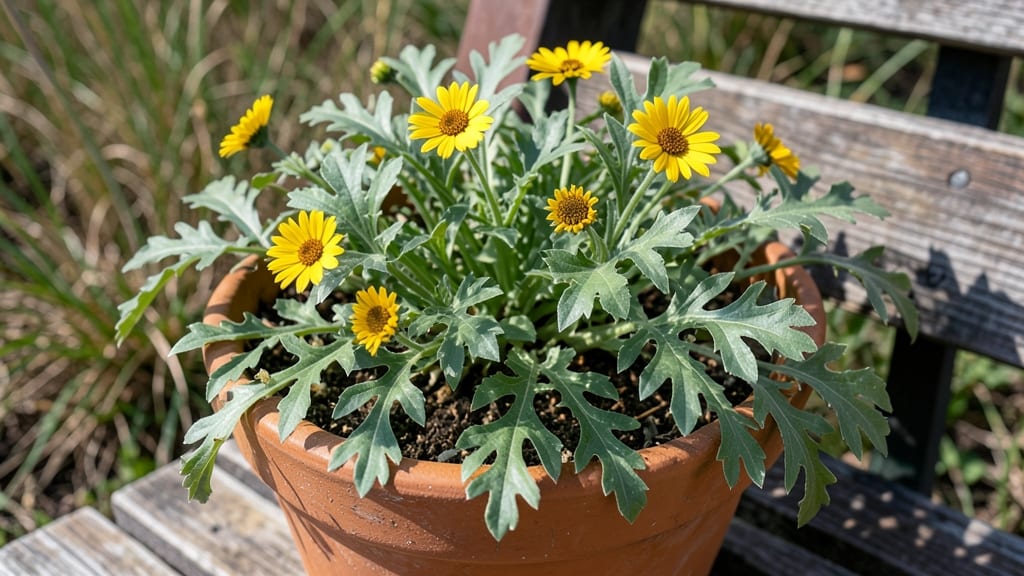
The chocolate flower Berlandiera lyrata thrives where others freeze—its velvety brown blooms survive Pacific Northwest winters like a tough little survivor. 🌱 I’ve grown this native beauty in my Portland garden for three years, and it’s become my hummingbird magnet, blooming from early spring through fall with almost no fuss.
The secret lies in mimicking its dry, rocky prairie roots while giving it just enough care to reward you with those rich, cocoa-scented flowers.
This plant practically grows itself once established—drought-tolerant once roots take hold, full sun lover, and happy in poor soil. Start with well-draining mix (even gravelly works), plant in spring after last frost, and water lightly until established.
It spreads gently, perfect for sunny slopes or rock gardens where other plants struggle. The hummingbirds will find it faster than you can say "nectar feast."
By midsummer, you’ll have a low-maintenance groundcover bursting with chocolate-hued blooms that hummingbirds can’t resist. The foliage stays lush even in heatwaves, and it handles light frosts better than most natives.
Prune back in early spring to encourage fresh growth—though mine often looks better left alone. This is the plant that proves "low effort" doesn’t mean "low impact."
Works equally well in containers on patios or as a border plant in garden beds. Native to Texas but surprisingly adaptable to the PNW’s cooler summers—just protect young plants from heavy rains.
The real magic? It multiplies over time, creating a hummingbird haven that requires almost no attention once happy. Let’s get those seeds in the ground.
📚 In This Guide
- What you need
- Instructions
- Tips and common mistakes
- Wrapping up and next steps
What you need
- ● Berlandiera lyrata seeds – 10–20 seeds (or 1–2 young plants from a nursery). Pro tip: Look for organic, non-GMO seeds for best results! 🌱
- ● Well-draining potting mix – 2–3 gallons (use a cactus/succulent blend or amend garden soil with perlite/sand for drainage).
- ● Containers or garden bed – 6–12 inch pots (if starting indoors) or a sunny, south-facing garden spot (6+ hours of light).
- ○ Grow lights (optional but helpful) – LED full-spectrum lights (12–16 hrs/day) if indoor starting in low-light areas.
- ● Spray bottle or watering can with a fine rose nozzle – For gentle watering (overhead watering can cause fungal issues!).
- ● Fertilizer (low-nitrogen) – 5–10–10 or cactus fertilizer (diluted to half-strength). Pro tip: Feed lightly—Chocolate Flowers thrive on neglect! 💪
- ○ Mulch (optional but recommended) – 1–2 inches of gravel or pebbles to retain moisture and deter weeds.
- ● Cold-hardy protection (if needed) – While Berlandiera lyrata tolerates USDA Zones 5–10, young plants may need a lightweight frost cloth in early spring/fall.
- ● Windbreaks – If your garden is exposed, use bamboo stakes or mesh to shield delicate stems.
- ● Hummingbird feeders (to attract pollinators while your flowers establish!).
- ● Soil moisture meter (to avoid over/under-watering—Chocolate Flowers hate soggy roots!).
- ● Pruning shears (for shaping or removing spent blooms to encourage more flowers).
- ● Compost or worm castings (for a nutrient boost without overfeeding).
Step-by-step instructions for planting Berlandiera lyrata (chocolate flower)
This hardy perennial thrives in the Pacific Northwest's climate and brings hummingbirds buzzing—here's how to establish it properly.
🌱 Step 1: Select and Prepare the Planting Site
Berlandiera lyrata loves full sun—choose a spot that receives at least 6-8 hours of direct sunlight daily. In the Pacific Northwest's cooler, cloudy days, this might mean a south-facing slope or a location with minimal shade from trees or structures. I always test the site by observing how sunlight moves across the area throughout the day, especially during the shorter winter months.
This plant tolerates poor, dry soil better than rich, moist conditions, so avoid low-lying areas where water pools. Amend the soil with sandy loam if your native soil is heavy clay—just work in a handful of coarse sand or perlite to improve drainage. The key is to mimic its natural prairie habitat where water drains quickly after rain.
🌿 Step 2: Plant Bare-Root or Container-Grown Starts at the Right Time
Spring is the best time to plant Berlandiera lyrata in the Pacific Northwest, ideally after the last frost when soil temperatures reach at least 50°F. If planting in fall, do so 6-8 weeks before the first expected frost to allow roots to establish before winter dormancy. Dig a hole twice as wide as the root ball but only as deep—the top of the root ball should sit level with the surrounding soil.
Gently loosen the roots if the plant was pot-bound, then place it in the hole and backfill with native soil. Press lightly around the base to eliminate air pockets but don't compact the soil. Water deeply right after planting to settle the soil and encourage root contact. You'll know you've done it right when the soil surface looks slightly settled but not muddy.
☀️ Step 3: Establish Watering and Mulching Routines
Berlandiera lyrata is drought-tolerant once established, but new plants need consistent moisture for the first 3-4 weeks to encourage root growth. Water deeply every 3-5 days until the soil feels dry 2-3 inches below the surface. In the Pacific Northwest's cooler climate, this might mean watering more frequently during summer heatwaves but less in spring or fall.
Apply a 2-inch layer of mulch (like wood chips or gravel) around the base, keeping it 3 inches away from the plant stem to prevent rot. This mimics the plant's natural habitat and helps retain moisture while suppressing weeds. Avoid over-mulching—too much can smother the plant and create an environment too moist for its liking.
✂️ Step 4: Prune and Maintain for Long-Term Health
Deadhead spent blooms in late summer to encourage a second flush of flowers, but don't cut back the entire plant—Berlandiera lyrata stores energy in its roots for next year's growth. In early spring, trim back any dead or damaged foliage to make way for new growth. This plant is naturally tidy, so minimal pruning is required beyond removing spent flowers.
Fertilizer isn't necessary for Berlandiera lyrata, as it thrives in lean soils. In fact, too much nitrogen can reduce flowering. If you notice weak growth or pale leaves, a light application of low-nitrogen, slow-release fertilizer in early spring might help, but most often, this plant does just fine without any extra nutrients.
🪴 Step 5: Overwintering in the Pacific Northwest Climate
Berlandiera lyrata is frost-resistant, making it perfect for the Pacific Northwest's winters. In mild winters, it may stay green year-round, while in colder areas, it may go dormant but will regrow in spring. No special winter care is needed—simply leave the plant as-is. If you live in an area with hard freezes below 10°F, a light layer of mulch (like straw) can provide extra protection.
In early spring, remove any remaining mulch and check for signs of new growth. If the plant looks dormant, wait until you see new shoots emerging before watering or fertilizing. This hardy perennial is built to handle the Pacific Northwest's climate, so minimal intervention is all it needs to thrive year after year.
Tips & tricks for perfect Berlandiera lyrata planting
Here's how to give your chocolate flower the best possible start in the Pacific Northwest's unique climate.
Site Selection Secret: When evaluating your 6-8 hour sun spot, observe it throughout the day—especially during the shorter winter months. The Pacific Northwest's frequent cloud cover means you might need a slightly longer exposure than you'd expect. South-facing slopes capture the most sunlight, but even east or west exposures can work if they receive direct sun for at least 6 hours during peak growing season. I've seen plants thrive in partial shade when given afternoon sun, though flowering may be less prolific.
Soil Preparation Strategy: The sandy loam amendment is crucial for proper drainage, but don't overdo it. Mix just enough coarse sand or perlite to break up heavy clay—think about 10-20% of your native soil by volume. Test your soil's drainage by digging a small hole, filling it with water, and timing how long it takes to drain. If it takes more than 30 minutes, you need better drainage. This plant's natural prairie habitat has quick-draining soils, so mimic that condition.
Planting Timing Tip: That 50°F soil temperature threshold is your green light to plant in spring. Use a soil thermometer for accuracy—surface temps can be misleading. For fall planting, check your local frost dates and count back 6-8 weeks. In the Pacific Northwest, this typically means planting in late September to early October. The goal is to give roots time to establish before winter dormancy begins, but not so early that they get stressed by summer heat.
Watering Wisdom: During those first 3-4 critical weeks, water deeply every 3-5 days until the soil is dry 2-3 inches down. In summer heatwaves, you might need to water every 2-3 days instead. The key is to keep the soil consistently moist but not soggy. I use a screwdriver to check moisture—if it slides in easily, it's time to water. This plant's drought tolerance kicks in once established, but new roots need consistent moisture to spread properly.
Pro Tips for Berlandiera Lyrata Chocolate Flower
- Here's how to give your chocolate flower the best possible start in the Pacific Northwest's unique climate.
- Site Selection Secret: When evaluating your 6-8 hour sun spot, observe it throughout the day—especially during the shorter winter months.
- Soil Preparation Strategy: The sandy loam amendment is crucial for proper drainage, but don't overdo it.
Frequently asked questions
Is Berlandiera lyrata really frost-resistant?
Yes! This tough little flower thrives in USDA Zones 5-10 and can handle light frosts down to 15°F (-9°C). In the Pacific Northwest’s cooler climates, it often blooms earlier than many perennials, making it a standout spring performer. Just mulch lightly in winter for extra protection.
How long does it take for Berlandiera lyrata to bloom after planting?
Patience pays off! From seed, expect 60-90 days to first blooms, while transplants may flower in 4-6 weeks. In ideal conditions (full sun, well-draining soil), it rewards gardeners with continuous blooms from late spring to early fall.
Does the chocolate scent really come from the flowers?
The cobweb-like petals release a rich, mocha-like aroma when brushed—especially on warm, sunny days. Hummingbirds and bees love it too, making it a dual-purpose garden star. Pro tip: Sniff the flowers in the morning for the strongest scent!
Can I grow Berlandiera lyrata in containers?
Yes, but choose large pots (10"+ diameter) with drainage holes. Use a fast-draining mix (like cactus/succulent blend) to prevent root rot. Containers dry out faster, so water deeply 2-3 times weekly in summer. Bonus: Potted plants are easier to move to protect from late frosts.
Why aren’t hummingbirds visiting my chocolate flowers?
Check these fixes:
- Timing: Plant in early spring—hummingbirds migrate back to the PNW by March/April.
- Scent: Brush petals gently to release fragrance (hummingbirds are drawn to both color and aroma!).
- Location: Place near feeders or other nectar sources to attract them initially.
- Pests: Spider mites can deter pollinators—spray with neem oil if needed.
What’s the best companion plant for Berlandiera lyrata?
Pair it with:
- Drought-tolerant perennials: Lavender, blanket flower (Gaillardia), or yarrow for a low-maintenance pollinator meadow.
- Edibles: Plant near thyme or rosemary—they share similar water needs and repel pests.
- Avoid: Heavy feeders like tomatoes or peppers (they’ll compete for nutrients).
Wrapping up and next steps
Growing Berlandiera lyrata—the stunning chocolate flower—is a rewarding way to attract hummingbirds, add vibrant color to your Pacific Northwest garden, and enjoy a frost-hardy perennial that thrives with minimal fuss. 🌸 Whether you’re drawn to its rich cocoa-scented blooms or its ability to brighten shady spots, this resilient plant proves that beauty and ease go hand in hand.
Ready to transform your outdoor space? Start by planting a few seeds or seedlings this spring and watch your garden come alive with buzzing visitors and velvety petals!