
Flowers
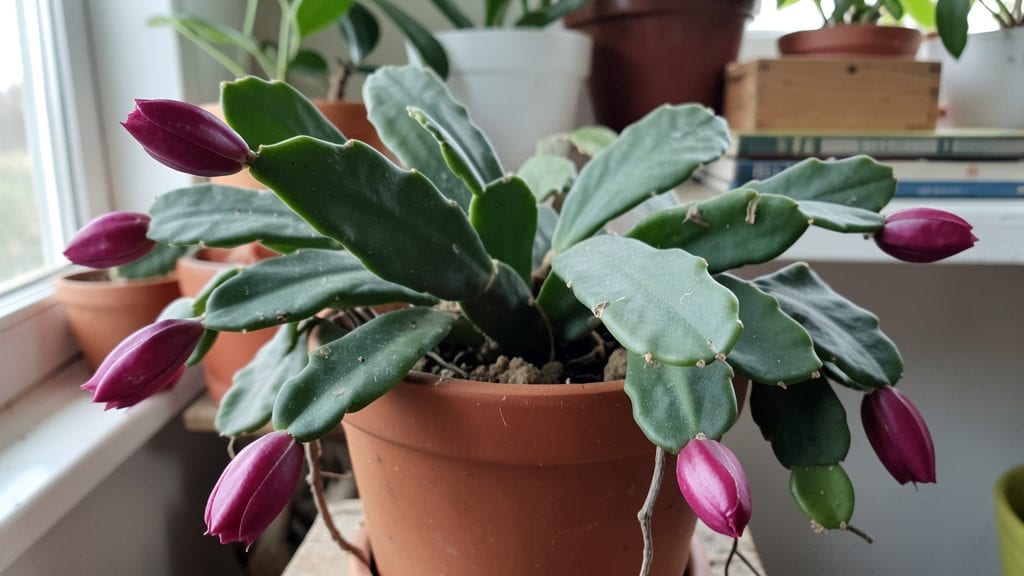
Your Christmas cactus with red flowers isn’t just a holiday decoration—it’s a year-round conversation piece that rewards you with vibrant blooms when most plants rest. 🌸 I’ve nurtured mine through three winters, and the secret to those deep red blooms lies in mimicking its natural seasonal cues, not just watering it when you remember.
The key is light, timing, and patience. Start by giving it bright, indirect light for 12 hours a day in late summer, then reduce it to 10 hours as fall arrives.
Cool nights—below 60°F—trigger the blooming process, while consistent moisture (but never soggy soil) keeps those delicate stems happy. Most people rush the watering, but the plant actually prefers to dry out slightly between drinks.
By December, you’ll see buds forming along the segmented stems, and with proper care, those red blooms will last for weeks. The fragrance alone makes it worth the effort—like a tiny forest in your windowsill.
The best part? This plant thrives on neglect once it’s established, making it perfect for busy gardeners.
Whether you’re troubleshooting a non-blooming plant or just starting your first cactus, the same principles apply. Let’s get those red flowers blooming reliably every year—no black thumb required.
📚 In This Guide
- What you need
- Instructions
- Tips and common mistakes
- Wrapping up and next steps
What you need
- ● Christmas Cactus Plant – A healthy specimen with green, segmented leaves (avoid plants already in bloom if you’re just starting).
- ● Well-draining potting mix – A blend of peat moss, perlite, and pine bark (or a cactus/succulent mix). Quantity: Enough to fill your pot (typically 6–8 inches in diameter).
- ○ Pot with drainage holes – Terracotta or ceramic (8–10 inches wide). Optional: A decorative cache pot for a polished look.
- ● Watering can with a narrow spout – To avoid over-saturating the soil.
- ● Fertilizer – A balanced, water-soluble fertilizer (10-10-10 or 20-20-20) or a slow-release cactus fertilizer.
- ● Pruning shears or clean scissors – For trimming leggy stems (sterilize with rubbing alcohol first!).
- ● Spray bottle – To mist leaves lightly (especially in dry environments).
- ○ Grow lights (optional) – If your space lacks natural light (LED or fluorescent bulbs work well).
- ● Humidity tray or pebbles – To increase moisture levels (place pot on a tray with pebbles and water).
- ● Plant labels – To track watering schedules or blooming cycles.
- ● Indirect sunlight – Bright, filtered light (east or west-facing windows are ideal). Avoid harsh midday sun.
- ● Cool temperatures – 60–70°F (15–21°C) during the day, 50–55°F (10–13°C) at night to trigger blooming.
- ● Consistent humidity – 40–50% humidity (higher in dry climates).
Step-by-Step instructions for growing a Christmas cactus with red flowers
Here's how to coax vibrant red blooms from your Christmas cactus—no black thumb required.
🌱 Step 1: Choose and Prepare Your Plant
Christmas cacti thrive with minimal fuss, but start by selecting a healthy plant with flat, segmented stems (not round ones—those are Easter cacti). Check for deep green, plump pads—any wrinkled or mushy segments mean the plant needs more water or better light. I like to repot mine every 2-3 years using a 4-inch pot with fresh well-draining cactus mix (the one with perlite or pumice).
Gently remove the plant from its current pot and loosen the roots if they're circling. Press the cactus into the new pot, filling gaps with soil until it sits 1 inch below the rim. Don’t water yet—let it settle for 24 hours to avoid shocking the roots. This is the moment that matters: a snug fit prevents toppling, while loose soil keeps roots oxygenated.
☀️ Step 2: Master the Light and Temperature Balance
Christmas cacti love bright, indirect light—think east or west windows, or 6-8 feet from a south-facing window. Too much direct sun (especially afternoon rays) scorches the pads, turning them yellow or white. If your plant stretches toward the light, it’s begging for more brightness. I rotate mine quarter-turn weekly so it grows evenly.
Keep temperatures steady between 65-75°F during the day and 55-60°F at night. A cool, dark spot (like a closet) for 6-8 weeks in fall triggers blooming. Watch for buds forming at the tips—this is your cue to move it back to warmer, brighter conditions and keep it away from drafts or heating vents.
💧 Step 3: Water with Precision (The Secret to Red Blooms)
Watering is where most people go wrong. Stick your finger 1 inch into the soil—if it’s dry, give the plant a deep drink until water runs out the drainage hole. Let it drain completely, then wait until the top 2 inches feel dry before watering again. Overwatering causes root rot, while underwatering makes pads wrinkle. I water mine every 7-10 days in winter (when it’s blooming) and every 5-7 days in summer.
Here’s the thing—red flowers thrive with consistent moisture but no soggy soil. When buds appear, reduce watering slightly to every 10-14 days. Too much water now can cause buds to drop. If leaves start curling or falling, you’re either over- or underwatering. Adjust until the pads stay firm and green.
⏰ Step 4: Trigger Blooming with the Right Timeline
Blooms appear 6-8 weeks after you start the cool, dark treatment. Begin this process in early October for Christmas-time flowers. Move your cactus to a cool (60°F), dark spot for 12-14 hours daily—a closet or unheated garage works. Keep the soil slightly dry during this time. After 6-8 weeks, return it to bright, warm light (65-75°F) and resume normal watering.
Watch for tiny pink or red buds forming at the stem tips—this is your signal to stop rotating the plant and keep it in the same spot. Red flowers need stable conditions once buds form. If buds drop, it’s usually due to temperature fluctuations (like drafts or sudden heat changes) or overwatering. Real talk: even with perfect care, some buds may fall, but you’ll still get a stunning display.
🌿 Step 5: Maintain Post-Bloom and Encourage Next Year’s Flowers
After blooms fade, remove spent flowers by twisting them off gently—don’t cut, or you might damage the stem. Let the plant rest through late winter and early spring (March-April) with normal watering and light. In early May, fertilize with a balanced cactus fertilizer (5-10-10) once a month until mid-summer. This jumpstarts new growth for next year’s blooms.
Prune leggy or overgrown stems in late spring by cutting just above a joint (where segments meet). The cuttings root easily in water or soil—propagate them to share with friends or expand your collection. By mid-summer, reduce watering slightly and stop fertilizing to prep for the fall blooming cycle. You’ll see new pads forming, and by October, you’re ready to repeat the process for another dazzling display.
Tips & tricks for perfect Christmas cactus blooms
A few small adjustments can make all the difference between a few sad buds and a spectacular red flower display.
Pot Size Matters: That 24-hour settling period after repotting isn't just about roots—it's also about letting the plant adjust to its new home. I've found that using a pot that's just 1 inch larger than your current plant's diameter gives roots room to breathe without creating excess soil that stays too wet. The 4-inch pot mentioned in Step 1 is perfect for most Christmas cacti, but if yours is particularly large, consider a 6-inch pot instead. The key is never going more than 2 inches larger than your plant's current size.
Light Rotation Secret: Rotating your plant quarter-turn weekly (as mentioned in Step 2) prevents that lopsided growth where it stretches toward the light. Here's what I do: I place a small sticker on the window side of my pot to mark north, then rotate clockwise each week. This creates a more symmetrical plant that's not only prettier but also stronger. The bright, indirect light requirement is non-negotiable—direct sun will scorch those delicate pads, turning them yellow or white.
Bud Formation Watch: When you spot those tiny pink or red buds forming at the stem tips (Step 4), this is your signal to stop rotating the plant and keep it perfectly still. I like to move it to a spot where it won't be disturbed—like a table away from doorways. The buds are incredibly sensitive to movement at this stage. Also, watch the soil moisture closely now—reduce watering to every 10-14 days as the buds develop. Too much water can cause them to drop before they even open.
Temperature Transition: The 6-8 week cool, dark treatment is crucial for triggering blooms, but the transition back to warm light must be gradual. I move my plant from the cool closet to a bright window over about 3 days, increasing exposure by 2 hours each day. This helps prevent shock that could cause buds to drop. Keep daytime temps steady between 65-75°F and nighttime temps between 55-60°F—fluctuations are what most people miss when buds fail to open properly.
Pro Tips for Christmas Cactus With Red Flowers
- A few small adjustments can make all the difference between a few sad buds and a spectacular red flower display.
- Pot Size Matters: That 24-hour settling period after repotting isn't just about roots—it's also about letting the plant adjust to its new home.
- Light Rotation Secret: Rotating your plant quarter-turn weekly (as mentioned in Step 2) prevents that lopsided growth where it stretches toward the light.
Frequently asked questions
Got questions about your Christmas cactus with red flowers? You’re not alone! Here are some of the most common queries—and their answers—to keep your plant thriving and blooming beautifully.
Why aren’t my Christmas cactus flowers red?
Your cactus might not be producing red blooms due to a few factors: light exposure (too much direct sun can fade colors), temperature stress (below 50°F triggers blooming, but extreme cold can damage buds), or nutrient deficiencies. Try moving it to a cooler spot (like a windowsill) for 6–8 weeks before expected blooming time. If it’s been years since flowering, it may need a rest period—reduce watering and stop fertilizing for 6–8 weeks to reset its cycle.
When should I expect red flowers this year?
Christmas cacti typically bloom between late October and December, aligning with their name! However, timing depends on their light and temperature exposure. If you’ve given your plant 12–14 hours of darkness nightly for 6–8 weeks (mimicking winter), buds should form in 4–6 weeks. Pro tip: Avoid moving the plant during bud formation—consistency is key!
How often should I water a Christmas cactus with red flowers?
Water your cactus only when the top 1–2 inches of soil are dry—overwatering is the #1 killer! During active growth (spring/summer), water every 7–10 days. When buds form (fall/winter), reduce watering to every 2–3 weeks to prevent bud drop. Always use room-temperature water and ensure pots have drainage holes to avoid root rot.
Can I make my Christmas cactus bloom earlier or later?
Yes! To delay blooming, keep the plant in warm conditions (above 65°F) and avoid darkness triggers. For earlier blooms, start the 12-hour darkness routine in September instead of October. Just remember: stress (like cool temps) is what triggers flowers, so don’t skip the chill! If you’re in a warm climate, move it outdoors in a shaded spot for a few weeks to simulate winter.
What should I do if my Christmas cactus leaves turn yellow or brown?
Yellow leaves often signal overwatering or root rot, while brown edges can mean underwatering or low humidity. Check the soil moisture first—adjust your watering schedule accordingly. If roots look mushy or black, repot in fresh, well-draining soil and trim affected roots. Brown tips? Increase humidity with a pebble tray or misting (but avoid soggy soil!).
Are there other colors besides red for Christmas cacti?
While red is classic, Christmas cacti also bloom in pink, white, purple, and even bi-color varieties. The color depends on the cultivar—check the plant tag or ask at a nursery. Some hybrids even produce salmon or lavender flowers! If you love red but want variety, try propagating cuttings from a red-flowering plant to grow a colorful collection.
Wrapping up and next steps
Growing a Christmas cactus with red flowers is a rewarding way to bring vibrant color and festive cheer to your home—even in winter! 🌸 With the right care, patience, and a dash of love, you’ll enjoy stunning blooms year after year.
Whether you’re a seasoned plant parent or just starting, this magical plant proves that beauty thrives with simple, consistent effort.
Now that you’re armed with tips and tricks, why not take the next step? Share your progress with fellow plant lovers online, experiment with propagation, or treat yourself to a new variety. Happy blooming! 🌿✨