
Flowers
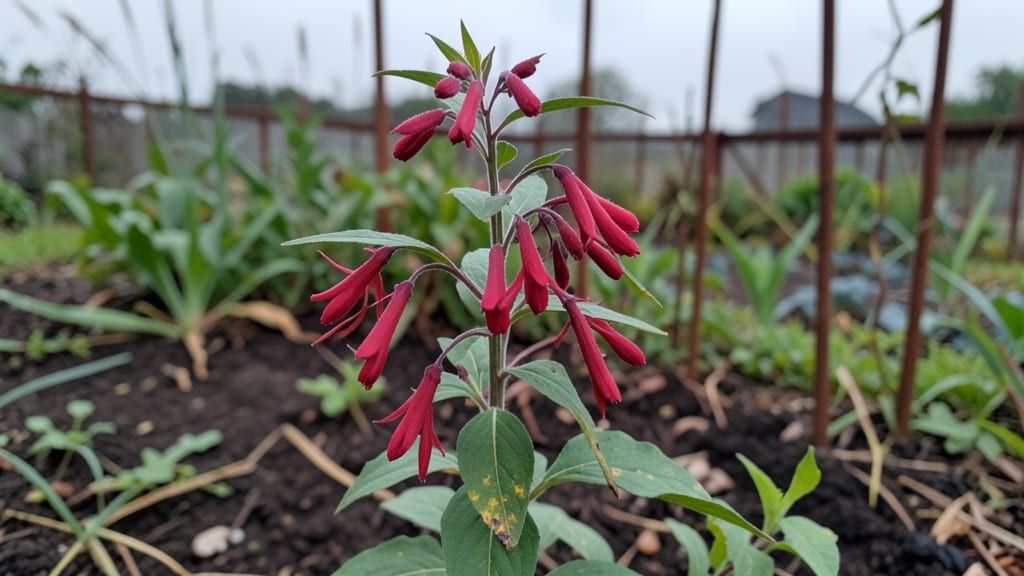
The climbing cardinal flower isn’t just a plant—it’s a hummingbird magnet with those fiery red blooms that make your garden the talk of the neighborhood. I’ve grown mine for three summers now, and the way hummingbirds hover just inches from the flowers is something you won’t forget.
The secret starts with the right spot: partial shade and consistently moist soil, or you’ll end up with leggy stems and fewer blooms.
You’ll need a sturdy trellis or fence to support its 6-foot vines, plus rich, well-draining soil mixed with compost. Watering is key—these plants wilt fast in dry conditions, but they’ll reward you with nonstop blooms from midsummer to frost.
Pruning spent flowers keeps the plant producing, and dividing clumps every few years prevents overcrowding. The best part? It self-seeds, so you’ll likely get volunteers popping up where you least expect them.
By late July, your trellis will be draped in cardinal-red trumpets, and hummingbirds will be your constant companions. The flowers attract pollinators all day, and the foliage stays lush if you keep the soil evenly moist.
Even in hotter climates, a little afternoon shade keeps them thriving. Once established, they’re tougher than they look—just don’t let them dry out, and you’ll have a showstopper every year.
If you’ve ever wanted a garden that feels alive with movement and color, this is it. The climbing cardinal flower turns a corner of your yard into a living hummingbird feeder, and the bold red blooms make it a standout in any landscape.
Ready to bring this drama to your garden? Let’s get growing.
📚 In This Guide
- What you need
- Instructions
- Tips and common mistakes
- Wrapping up and next steps
What you need
- ● Climbing cardinal flower seeds or young plants: 3–5 plants (for full coverage in a small trellis or vine area). Opt for Lobelia cardinalis varieties like 'Queen Victoria' for vibrant blooms.
- ● Well-draining potting mix: 5–10 gallons (for containers) or amend garden soil with 20% compost to improve fertility and drainage.
- ● Trellis or sturdy support: At least 6–8 feet tall (bamboo stakes, wire mesh, or a pergola). Cardinal flowers are vigorous climbers!
- ● Watering can or hose with a gentle spray nozzle: For consistent moisture without disturbing roots.
- ● Balanced liquid fertilizer (10-10-10): 1–2 bottles (dilute to half-strength for feeding).
- ● Pruning shears: Sharp, clean pair for trimming spent blooms and shaping vines.
- ○ Mulch (optional but recommended): 2–3 inches of organic mulch (e.g., shredded bark) to retain moisture and suppress weeds.
- ● Garden gloves: Protect your hands from soil and thorns (some supports may have them!).
- ● pH test kit: Ideal pH range: 5.0–6.5 (acidic). Adjust with sulfur or peat moss if needed.
- ● Hummingbird feeder: Place nearby to attract pollinators and boost your garden’s charm!
- ● Slow-release fertilizer pellets: For a low-maintenance nutrient boost over 3–4 months.
- ● Shade cloth (30–50% coverage): Use in hot climates to protect young plants from afternoon sun.
How to grow climbing cardinal flower for stunning hummingbird attraction
This vibrant perennial thrives with the right conditions—here’s how to cultivate it into a hummingbird magnet.
Select the Perfect Planting Location
Climbing cardinal flower (Lobelia cardinalis) craves partial shade to full sun with 6+ hours of morning light—afternoon shade prevents wilting in hot climates. I always plant mine near a trellis or fence where it can climb 4-6 feet while still receiving dappled sunlight. The ideal spot has moist, well-draining soil with 6.0-7.0 pH—test your soil first, as cardinal flower hates alkaline conditions.
If your garden soil is heavy clay, amend it with 3-4 inches of compost mixed into the top 12 inches of soil. This ensures roots stay hydrated without suffocating. Avoid planting in windy areas—the tall spikes can flop under strong breezes. A sheltered corner near a water source (like a pond or rain barrel) keeps the soil consistently moist, which is critical for this plant.
Prepare the Soil and Plant with Care
Dig a hole twice as wide as the root ball but only as deep as the container’s base—planting too deep can rot the crown. Gently loosen the roots if they’re circling and place the plant so the top of the root ball sits just below soil level. This prevents stem rot while allowing the crown to access moisture.
Fill the hole with the amended soil, pressing lightly to remove air pockets but not compacting too firmly. Water deeply to settle the soil around the roots, then add a 2-inch layer of mulch (like shredded bark) to retain moisture and regulate temperature. Here’s the thing—cardinal flower’s deep red blooms signal humidity-loving roots, so keep the soil evenly moist (never soggy) for the first 4-6 weeks to encourage strong establishment.
Install Support and Train the Vines
Install a 4-6 foot tall trellis, obelisk, or sturdy fence within 12 inches of the plant at planting time. Cardinal flower’s square stems naturally cling using tiny aerial roots, but young plants need gentle guidance. Tie the main stems to the support with soft plant ties (like old fabric strips) every 12-18 inches as they grow. Avoid wire or plastic ties—they can gouge tender stems.
Watch for the first true leaves (not the initial seedling leaves) to appear—this is your cue to begin light fertilizing. Use a balanced, water-soluble fertilizer (10-10-10) diluted to half strength every 4-6 weeks during the growing season. Too much nitrogen produces lush foliage but fewer flowers, and cardinal flower’s showy blooms are its star attraction. Real talk: I’ve learned the hard way that over-fertilizing delays flowering by weeks.
Water and Maintain for Continuous Blooms
Water deeply 2-3 times per week (more in extreme heat) to encourage deep root growth. The soil should feel damp 2-3 inches down—stick your finger in to check. Drip irrigation or soaker hoses work best, as overhead watering can spread fungal diseases. Once established, cardinal flower is moderately drought-tolerant but produces far more blooms with consistent moisture.
Deadhead spent flowers by snipping the entire stem back to a leaf node below the bloom. This redirects energy into new growth and prolongs the flowering season, which typically runs from mid-summer to fall. I also prune leggy stems in early spring to encourage bushier growth. Avoid heavy pruning after mid-summer—you’ll sacrifice next year’s blooms.
Overwinter and Prepare for Next Season
In USDA Zones 3-8, cardinal flower is hardy to -20°F, but young plants benefit from a 3-inch layer of mulch in winter to insulate the crown. In colder zones, cut back stems to 6 inches tall after the first frost to prevent wind damage. The plant’s basal leaves (those at the soil level) will regrow in spring—never remove them, as they’re the plant’s energy source for new growth.
Divide mature clumps every 3-4 years in early spring to rejuvenate the plant. Dig up the root ball, separate into 3-4 inch sections with a sharp knife, and replant immediately. This prevents overcrowding and ensures bold, vibrant blooms year after year. Here’s the moment that matters: When you see the first red spikes emerge in spring, you’ll know your efforts paid off—a hummingbird haven is on its way.
Tips & tricks for perfect climbing cardinal flower growth
These simple strategies will help you transform your garden into a vibrant hummingbird haven with bold red blooms.
Soil Preparation Secret: Before planting, mix a handful of sphagnum peat moss into your amended soil—this mimics the moisture-retentive conditions cardinal flower loves in its native wetlands. I've found that adding peat moss improves drainage while keeping roots consistently moist, which is critical during those first 4-6 weeks of establishment. This small adjustment prevents the most common issue: root rot from soggy soil.
Support System Strategy: When installing your 4-6 foot trellis, position it on the north side of the plant in the Northern Hemisphere (or south side in the Southern Hemisphere). This ensures the climbing stems receive maximum morning light while avoiding harsh afternoon sun that can scorch the delicate foliage. I've seen plants with supports on the wrong side develop uneven growth patterns, so this simple positioning makes all the difference.
Fertilizing Insight: The instructions mention using a 10-10-10 fertilizer diluted to half strength every 4-6 weeks, but here's what nobody tells you: Switch to a low-phosphorus fertilizer (like 5-5-5) once flowering begins. The extra phosphorus can actually reduce the intensity of those signature red blooms. I made this switch after my first year and noticed noticeably deeper red flowers the following season.
Winter Protection Tip: In colder zones, don't just add that 3-inch layer of mulch—cover the base of the plant with a lightweight frost blanket during extreme cold snaps (below -10°F). I've seen young plants suffer frost damage even in Zone 5 when temperatures drop unexpectedly. The blanket provides that extra insulation while still allowing air circulation to prevent rot.
Pro Tips for Climbing Cardinal Flower
- These simple strategies will help you transform your garden into a vibrant hummingbird haven with bold red blooms.
- Soil Preparation Secret: Before planting, mix a handful of sphagnum peat moss into your amended soil—this mimics the moisture-retentive conditions cardinal flower loves in its native wetlands.
- Support System Strategy: When installing your 4-6 foot trellis, position it on the north side of the plant in the Northern Hemisphere (or south side in the Southern Hemisphere).
Frequently asked questions
When is the best time to plant climbing cardinal flower seeds or transplants?
Plant seeds indoors 8–10 weeks before your last frost date (they germinate slowly, so start early!). Transplants thrive when moved outdoors after soil warms to 60°F+—typically late spring. For zones 7–9, aim for April–May. In cooler climates, wait until June to avoid frost damage.
How much water does climbing cardinal flower need, and how often should I water it?
This moisture-loving beauty needs consistent watering—keep soil evenly damp but not soggy. Water 2–3 times per week in dry spells, or daily during heatwaves. Mulch around the base to retain moisture. Yellowing leaves? You’re likely underwatering; wilting or mold? Cut back on water.
Why aren’t hummingbirds visiting my climbing cardinal flower?
Hummingbirds adore cardinal flowers, but a few factors might deter them:
- Lack of nectar—ensure blooms are fully open.
- Poor placement—plant near feeders or in sunny, sheltered spots.
- Pesticides—skip chemicals; opt for neem oil instead.
- Timing—blooms peak in summer; plant early for seasonal visitors!
Can I grow climbing cardinal flower in containers, or does it need garden space?
Yes! With the right setup, it thrives in containers. Use a large pot (12"+ diameter) with drainage holes, moisture-retentive soil, and a trellis or stakes for support. Place in partial shade (morning sun, afternoon shade works best). Pro tip: Fertilize lightly with balanced liquid fertilizer every 4–6 weeks for lush growth.
What should I do if my climbing cardinal flower gets powdery mildew or pests?
Powdery mildew (white powder on leaves) and aphids are common. Prevent it: Space plants for airflow and water at the base. Treat it:
- Mildew: Spray with baking soda mix (1 tsp baking soda + 1 quart water + a drop of soap).
- Aphids: Blast off with water or use insecticidal soap. Introduce ladybugs for natural control.
Wrapping up and next steps
Growing a climbing cardinal flower is a rewarding journey that brings vibrant color and life to your garden while attracting hummingbirds with its nectar-rich blooms. 🌸 With the right location, soil, and care, you’ll enjoy a stunning vertical display that thrives in partial shade and moist conditions.
Whether you’re a seasoned gardener or just starting, this striking plant offers beauty and ease—perfect for transforming any space into a hummingbird haven.
Ready to take the next step? Start by selecting a healthy plant or seeds, then give your climbing cardinal flower the love it deserves. Watch as it climbs, blooms, and becomes the star of your garden! 🌿