
Planting
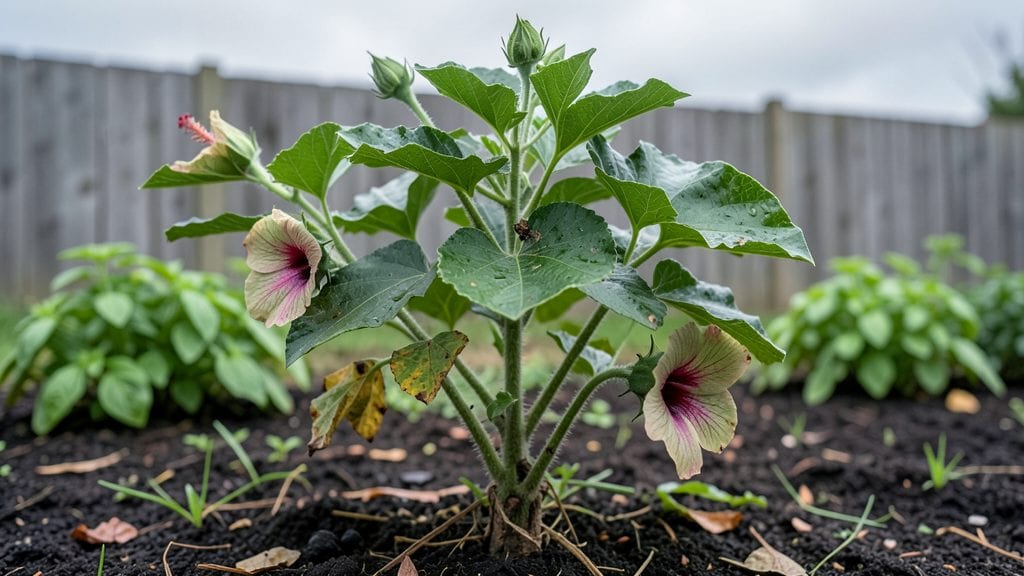
Growing roselle plant flowers means welcoming bold, hibiscus-like blooms that double as edible gems for tea and cooking. 🌺 I’ve watched mine transform from delicate seedlings into thriving plants bursting with deep red calyces—the star ingredient in tangy roselle tea.
The secret lies in mimicking their tropical roots while keeping care simple enough for beginners.
These plants crave full sun (6+ hours daily) and well-draining soil rich in organic matter—think compost mixed with sand for that loose, airy texture. Water deeply when the top inch dries out, but avoid soggy roots, which stunt growth.
Prune back leggy stems in early spring to encourage bushier, flower-heavy growth, and watch those vibrant blooms multiply.
By midsummer, you’ll harvest bright red calyces and delicate flowers for soups, jams, or steeped tea. The flavor is tart-sweet, perfect for drinks or stews, and the plants reward patience with years of productivity if given the right conditions.
Even urban gardeners can grow them in large containers near sunny patios.
Here’s where it gets interesting—they thrive in zones 9-11 but can overwinter indoors in cooler climates. Start with seeds or cuttings, and soon you’ll be harvesting enough for homemade roselle jelly or iced tea. Let’s get those bold blooms growing!
📚 In This Guide
- What you need
- Instructions
- Tips and common mistakes
- Wrapping up and next steps
What you need
- ● Roselle seeds: 5–10 seeds (or 2–3 starter plants from a nursery for faster blooms). Choose organic or heirloom varieties for best results.
- ● Well-draining soil: 1–2 cubic yards (for in-ground planting) or a 10–15 gallon pot (for container growing). Mix with compost (ratio: 3 parts soil, 1 part compost).
- ● Sunlight: Full sun (6–8+ hours daily). A south-facing window or greenhouse works for indoor starters.
- ● Watering can or hose: With a gentle spray nozzle (roselle hates soggy roots!).
- ● Fertilizer: Balanced organic fertilizer (10-10-10 or 5-5-5 NPK ratio). Use at planting and every 4–6 weeks.
- ○ Optional: Fish emulsion or compost tea for a nutrient boost during flowering.
- ● Support structure: Tall stakes (5–6 ft) or a trellis (for climbing varieties).
- ● Mulch: Straw or shredded leaves to retain moisture and suppress weeds.
- ● pH test kit: Ideal soil pH: 6.0–6.8. Adjust with lime (to raise pH) or sulfur (to lower) if needed.
- ● Pruning shears: For shaping plants and encouraging bushier growth.
- ● Drip irrigation system: Automates watering for consistent moisture (great for hot climates!).
Step-by-step guide to cultivating roselle flowers
Here’s how I grow these stunning tropical blooms—bold, edible, and perfect for both gardens and kitchens.
🌱 Step 1: Select the Right Variety and Planting Site
Roselle (Hibiscus sabdariffa) thrives in warm climates with full sun exposure—6+ hours daily—and well-draining soil. Choose a location sheltered from strong winds, as the tall stems can reach 6-8 feet and may topple. I always opt for dwarf varieties like 'Red Roselle' if space is limited, as they stay around 4-5 feet tall.
Test your soil’s pH—roselle prefers 6.0-6.8. If your soil is heavy clay, amend it with 2-3 inches of compost before planting. The roots are sensitive to waterlogging, so avoid low-lying areas where water pools. Here’s the thing—roselle is frost-sensitive, so wait until after the last frost date and soil temperatures reach at least 65°F before transplanting seedlings.
☀️ Step 2: Start Seeds Indoors or Transplant Seedlings
For a head start, sow seeds indoors 8-10 weeks before the last frost. Use biodegradable pots to avoid disturbing roots later. Plant seeds ½ inch deep in a well-draining seed-starting mix, keeping it moist but not soggy. Germination takes 10-14 days at 75-85°F, so use a heat mat if your home runs cooler.
If you’re transplanting, space seedlings 3-4 feet apart in rows 3 feet apart to allow for airflow and prevent fungal diseases. I always harden off seedlings for 7-10 days before moving them outside—gradually increase their time in sunlight to avoid shock. Watch for first true leaves (not the initial seed leaves) before transplanting; they signal the plant is ready for the garden.
💧 Step 3: Water and Fertilize for Optimal Growth
Roselle needs consistent moisture, especially during flowering. Water deeply 2-3 times per week, aiming for 1-1.5 inches of water per week. Let the top 2 inches of soil dry out between waterings to prevent root rot. Mulch around the base with 2-3 inches of organic mulch (like straw or shredded leaves) to retain moisture and suppress weeds.
Fertilize lightly every 4-6 weeks with a balanced, water-soluble fertilizer (10-10-10). Avoid heavy nitrogen, which promotes leafy growth at the expense of flowers. I switch to a low-nitrogen, high-phosphorus fertilizer (like 5-10-10) when buds form to encourage blooming. You’ll know you’re on track when you see bright red or yellow calyces (the edible flower buds) forming along the stems.
✂️ Step 4: Prune and Support for Stronger Blooms
Prune roselle lightly to encourage bushier growth and more flowers. Pinch back the top 2-3 inches of new growth when the plant is 12-18 inches tall to stimulate branching. Remove any dead or yellowing leaves regularly to improve airflow and reduce disease risk.
Tall varieties may need staking or trellising to prevent flopping. I use bamboo stakes or cages and tie stems loosely with soft plant ties every 6-8 inches. Avoid tight binding—roselle stems can grow thick and woody, and constriction can girdle them. Harvest flowers when the calyces are fully swollen but still firm—this is when they’re most flavorful and tender.
🌿 Step 5: Harvest and Encourage Continuous Blooming
Harvest roselle calyces in the morning after the dew has dried but before the heat of the day. Twist or cut the calyx just above the leaf node with clean pruners. Regular harvesting—every 2-3 days during peak season—stimulates more blooms. The flowers themselves are edible and can be used fresh in teas, soups, or stews.
To extend the blooming season, deadhead spent flowers by removing the wilted blooms and seed pods. This redirects the plant’s energy into producing new flowers instead of seeds. In cooler climates, roselle may go dormant in winter. If frost threatens, cut back the plant to 6 inches tall and mulch heavily to protect the roots. With proper care, roselle can rebloom the following spring.
Tips & tricks for cultivating roselle flowers
These insider strategies will help you grow vibrant roselle flowers that thrive from seed to harvest—without the common pitfalls.
Soil and Temperature Secrets: Roselle loves warmth, so if your soil temperatures dip below 65°F in spring, hold off planting until the ground warms up. I've learned the hard way that cold soil slows germination dramatically—sometimes by weeks. For extra insurance, use a seedling heat mat to maintain that 75-85°F range during germination, especially if your home runs cool. This consistent warmth is what triggers those first true leaves you're waiting for.
Germination Hack: Don't be tempted to overwater those seeds during germination—½ inch deep in moist (not soggy) starting mix is perfect. I've ruined batches by keeping them too wet, which leads to mold before the seeds even sprout. Place a humidity dome or plastic wrap over the pot, but remove it daily for 10 minutes to prevent fungal issues. Those 10-14 days of patience will pay off with strong seedlings.
Pruning for Productivity: When you're pinching back that top 2-3 inches of growth at 12-18 inches tall, aim for just above a leaf node where new branches will form. I always make the cut at a 45-degree angle to increase surface area for water absorption. This technique encourages bushier growth and more calyces—up to 30% more flowers than unpruned plants. Just avoid cutting into woody stems, which won't regrow.
Harvesting Timing: The morning harvest after dew dries is non-negotiable for tender calyces. I've found that harvesting every 2-3 days during peak season keeps the plant producing continuously. Look for calyces that are fully swollen but still firm to the touch—they should snap cleanly when gently squeezed. If they feel mushy, you've waited too long and the flavor will be compromised.
Pro Tips for Roselle Plant Flowers
- These insider strategies will help you grow vibrant roselle flowers that thrive from seed to harvest—without the common pitfalls.
- Soil and Temperature Secrets: Roselle loves warmth, so if your soil temperatures dip below 65°F in spring, hold off planting until the ground warms up.
- Germination Hack: Don't be tempted to overwater those seeds during germination—½ inch deep in moist (not soggy) starting mix is perfect.
Frequently asked questions
Got questions about growing and caring for roselle plant flowers? You’re not alone! Here are some of the most common queries—plus straightforward answers to help you cultivate stunning blooms with ease.
When do roselle flowers bloom for the first time?
Roselle plants typically produce their first flowers 6–8 months after planting from seed, assuming they’re grown in warm, tropical conditions. If you’re starting with cuttings or young plants, blooms may appear slightly sooner—around 4–6 months. Patience is key, especially in cooler climates where growth slows down.
Can roselle flowers survive frost or cold weather?
Roselle plants are tropical and not frost-tolerant. Temperatures below 50°F (10°C) can damage leaves, and frost will kill the plant outright. If you live in a colder region, grow roselle in containers and bring them indoors during winter or plant them in greenhouses.
What’s the best way to encourage more roselle flowers?
To boost flowering, ensure your roselle gets:
- Full sun (6+ hours daily)
- Well-draining, slightly acidic soil (pH 6.0–6.5)
- Regular pruning to remove dead blooms (this encourages new growth)
- Balanced fertilizer (low nitrogen, high phosphorus/potassium)
Are roselle flowers edible, and how do I harvest them?
Yes! Roselle flowers (and calyces) are edible and prized for their tart, cranberry-like flavor. Harvest fully open blooms or unopened buds by gently twisting them off the stem. For tea or cooking, use the calyx (the red, bulbous part). Rinse thoroughly and store in the fridge for up to 5 days or freeze for longer shelf life.
Why aren’t my roselle flowers opening, even though the buds look healthy?
If buds form but won’t open, check these common culprits:
- Inconsistent temperatures (roselle loves warmth—below 65°F/18°C can stall blooming)
- Overwatering (soggy roots cause stress; water when the top 1–2 inches of soil are dry)
- Pests or disease (aphids or fungal spots can weaken buds; treat with neem oil if needed)
- Lack of sunlight (move to a sunnier spot if blooms are sparse)
Wrapping up and next steps
Growing roselle plant flowers is a rewarding journey that brings vibrant beauty and tropical charm to your garden! 🌺 Whether you're drawn to their striking blooms or the potential for homemade hibiscus tea, these hardy plants thrive with the right care.
Now that you’re armed with the essentials—from soil prep to troubleshooting—why not take the next step? Start with a single cutting or seed and watch your garden transform into a lush, floral paradise.
🌱 Ready to Grow?
Pick a sunny spot, gather your supplies, and dive in! Share your progress or blooms with fellow plant enthusiasts—your roselle adventure is just beginning. Happy gardening! 🌿