
Flowers
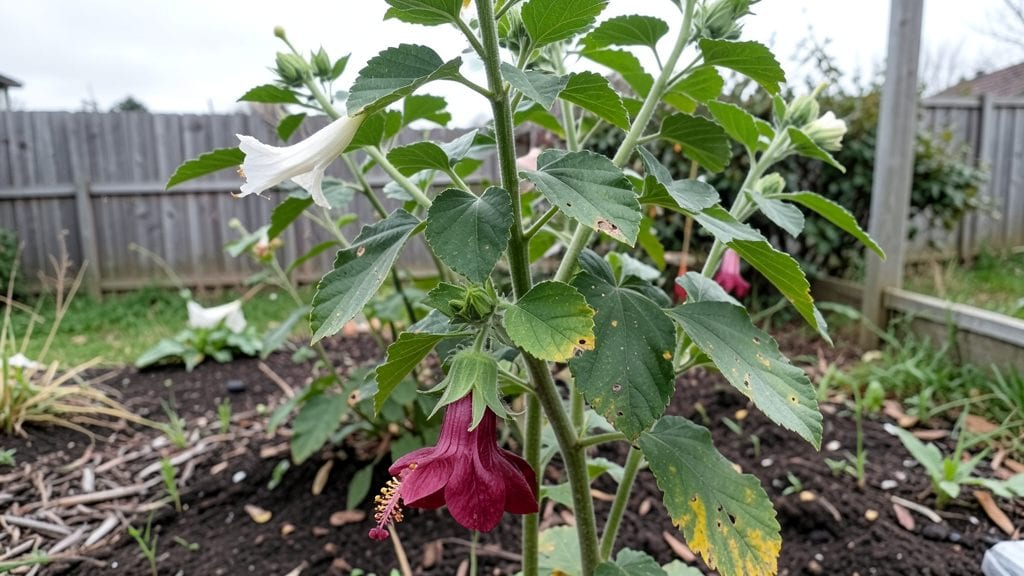
Growing Hibiscus sabdariffa means adding a bold, tropical statement to your garden that keeps blooming through heat and humidity. 🌿 I learned the hard way that this isn’t your average hibiscus—it demands patience but rewards you with edible flowers and striking foliage that thrives where others falter.
The secret lies in mimicking its natural habitat: rich soil, full sun, and consistent moisture without soggy roots.
Your best bet is well-draining soil mixed with compost, planted in zones 9-11 or as an annual in cooler climates. This plant loves heat—think 80°F+ days—and will wilt if you let it dry out.
Prune back leggy growth in spring to encourage bushier, more productive plants, and watch those deep red calyces form by late summer.
Once established, you’ll harvest bright, tangy flowers perfect for teas, jams, or garnishes. The first flush comes 6-8 weeks after planting, and with proper care, you’ll get two harvests per season. Just avoid overwatering—root rot is the silent killer of happy roselle plants.
Perfect for containers, borders, or even as a living privacy screen. If you’re in a cooler zone, treat it as an annual and start seeds indoors 8-10 weeks before last frost. The payoff? A year-round tropical vibe that outshines most ornamental hibiscus varieties.
📚 In This Guide
- What you need
- Instructions
- Tips and common mistakes
- Wrapping up and next steps
What you need
- ● Hibiscus sabdariffa seeds or cuttings: 3–5 seeds (or 1–2 healthy cuttings) for optimal growth.
- ● Well-draining potting mix: 10–15 lbs of a blend designed for tropical plants (e.g., 60% peat moss, 30% perlite, 10% compost).
- ● Containers or garden bed: For pots: 5–7 gallon containers (minimum 12" deep) with drainage holes.
- ● For in-ground planting: A sunny spot with loose, fertile soil (pH 6.0–6.5).
- ● Organic fertilizer: 1 lb of balanced fertilizer (e.g., 10-10-10) or compost tea for nutrient-rich soil.
- ● Watering can or hose with a gentle spray nozzle: For consistent moisture without over-saturating roots.
- ● Pruning shears: Sharp, sterilized shears for trimming dead blooms or shaping the plant.
- ○ Gloves (optional): To protect hands from thorns or soil.
- ○ Mulch (optional): 2–3 inches of straw or wood chips to retain moisture and suppress weeds.
- ● Sunlight access: Full sun (6+ hours daily) is non-negotiable for vibrant blooms!
- ● Patience: Hibiscus sabdariffa thrives in warm climates (USDA Zones 9–11) but can be grown indoors with grow lights in cooler areas.
Step-by-Step instructions for growing hibiscus sabdariffa as a year-round tropical canopy
This vibrant hibiscus thrives with minimal fuss—just a few key conditions to unlock its bold flowers and lush foliage.
🌱 Step 1: Select the Perfect Planting Spot with Full Sun
Hibiscus sabdariffa demands 6+ hours of direct sunlight daily—think south-facing windows or a sheltered patio. I always choose the sunniest corner of my garden because even partial shade leads to leggy stems and sparse blooms. The plant’s deep roots need well-draining soil, so avoid low-lying areas where water pools.
For container growing, place pots on casters so you can rotate them weekly—this ensures even sun exposure and prevents the plant from leaning toward the light. Watch for yellowing leaves on one side; that’s your signal the plant is stretching for more light.
💧 Step 2: Water Deeply but Infrequently
This tropical beauty hates soggy roots, so water only when the top 2-3 inches of soil feel dry. I use my finger to check moisture—if it’s damp below the surface, wait another day. Deep watering encourages strong root growth, which translates to bigger blooms. Mulch with 2-3 inches of organic matter (like shredded bark) to retain moisture and regulate soil temperature.
Overwatering is the fastest way to kill hibiscus—stunted growth and blackened stems are classic signs of root rot. If your plant’s leaves start curling or dropping, you’re likely watering too much. Let the soil dry out completely between waterings, especially in cooler months.
☀️ Step 3: Feed with Balanced Fertilizer During Blooming Season
Start fertilizing in early spring with a balanced 10-10-10 formula, applied every 4-6 weeks until late summer. Hibiscus sabdariffa responds beautifully to feeding but can’t handle heavy doses—always follow label instructions. I mix fertilizer into the top inch of soil rather than applying it to the leaves to avoid burn.
Watch for new growth and vibrant foliage as your signal the plant is thriving. If blooms are sparse, switch to a low-phosphorus fertilizer (like 5-5-5) to encourage more flowers instead of leaves. Stop fertilizing in fall to let the plant prepare for winter dormancy.
✂️ Step 4: Prune Strategically for Bushier Growth and More Flowers
Prune hibiscus sabdariffa in early spring before new growth begins. Cut back one-third of the plant’s height to encourage bushier growth. I always use clean, sharp pruners and make cuts just above a leaf node—this promotes branching and more blooms. Remove any dead or diseased stems immediately to prevent spread.
Throughout the growing season, pinch back new growth to maintain shape and encourage lateral branches. Never prune in fall—this stimulates tender new growth that won’t survive winter. If your plant becomes too leggy, a hard prune in late winter can rejuvenate it for the next season.
🪴 Step 5: Protect from Cold and Pests Year-Round
Hibiscus sabdariffa thrives in USDA zones 9-11 but can be grown in cooler climates with winter protection. In fall, move potted plants to a sheltered location or wrap the pot in bubble wrap. Mulch heavily around the base to insulate roots. If frost threatens, cover the plant with a breathable frost cloth—never plastic, which traps moisture and causes rot.
Keep an eye out for aphids and spider mites, which love hibiscus leaves. I spray plants with neem oil at the first sign of pests—it’s organic, effective, and won’t harm beneficial insects. Regularly inspect the undersides of leaves where pests hide; early intervention prevents infestations from spreading.
Tips & tricks for perfect hibiscus sabdariffa flower growth
Unlock the secret to lush, year-round hibiscus blooms with these game-changing strategies that go beyond the basics.
Light Optimization: In Step 1, if you notice your hibiscus leaning toward the light, it's not getting enough sun! Place your plant on a rotating stand or turn pots weekly to ensure all sides receive equal exposure. For indoor growing, supplement with a grow light for 12-14 hours daily during shorter winter months. I've seen hibiscus nearly double its bloom production with just this simple adjustment—those extra hours of light make all the difference!
Soil Science: The well-draining soil mentioned in Step 1 deserves special attention. Mix in perlite or coarse sand (about 20% of your potting mix) to improve drainage, especially if you're growing in containers. Hibiscus roots need oxygen—compacted soil leads to root rot and stunted growth. Test your soil's pH too; hibiscus prefers slightly acidic to neutral (6.0-7.0). You can adjust with sulfur or lime if needed.
Fertilizer Timing: When you start fertilizing in Step 3, remember that less is often more. The 4-6 week interval is perfect, but split your dose into two applications—half when you plant and half mid-cycle. This prevents fertilizer burn while still providing consistent nutrition. I've found that hibiscus responds better to frequent light feedings than heavy doses. Also, switch to a bloom booster (like 5-10-10) when you notice buds forming to encourage more flowers instead of leaves.
Pruning Precision: For Step 4's early spring pruning, focus on removing only the oldest, leggiest stems first. These are typically the brown or woody stems at the center. New growth emerges from the lower nodes, so make cuts just above these to encourage bushier growth. I like to prune on a dry morning when the plant is fully hydrated—this helps minimize stress. And remember, sharp tools prevent tearing that can introduce diseases.
Pro Tips for Hibiscus Sabdariffa Flower
- Unlock the secret to lush, year-round hibiscus blooms with these game-changing strategies that go beyond the basics.
- Light Optimization: In Step 1, if you notice your hibiscus leaning toward the light, it's not getting enough sun!
- Soil Science: The well-draining soil mentioned in Step 1 deserves special attention.
Frequently asked questions
How fast does Hibiscus sabdariffa grow?
Hibiscus sabdariffa is a fast grower! Under ideal conditions (full sun, warm climate, and regular watering), it can reach 6–10 feet tall in just 6–12 months. For compact varieties, growth may slow slightly, but expect noticeable height gains within 3–4 months of planting. Prune regularly to encourage bushier growth and prevent legginess.
When is the best time to plant Hibiscus sabdariffa?
Plant after the last frost when soil temperatures are consistently above 60°F (15°C). In tropical climates, you can plant year-round, but spring or early summer gives flowers the longest growing season. If starting from seeds, sow indoors 8–10 weeks before the last frost for a head start!
How often should I water Hibiscus sabdariffa?
Keep soil consistently moist but not soggy. Water deeply 2–3 times per week during hot, dry spells, and reduce slightly in cooler weather. Pro tip: Mulch around the base to retain moisture and prevent weeds. Overwatering can lead to root rot, so always ensure well-draining soil.
Can Hibiscus sabdariffa grow in containers?
Choose a large pot (at least 15–20 gallons) with drainage holes and use a well-draining potting mix. Place in full sun and water frequently. Dwarf varieties like ‘Texas Star’ are ideal for containers. Just remember: container-grown plants need more frequent watering and fertilizer than in-ground ones.
What pests should I watch for with Hibiscus sabdariffa?
Common pests include aphids, whiteflies, and spider mites. Inspect leaves regularly for sticky residue or tiny webs. Treat infestations early with neem oil or insecticidal soap. For severe cases, introduce beneficial insects like ladybugs. Prevention tip: Keep plants healthy with balanced fertilization to deter pests!
Does Hibiscus sabdariffa need full sun?
Yes! It thrives in full sun (6–8+ hours daily), but can tolerate partial shade (4–6 hours) in very hot climates. In shadier spots, expect fewer flowers and slower growth. If growing indoors, place near a south-facing window or use grow lights for optimal health.
Wrapping up and next steps
The Hibiscus sabdariffa flower isn’t just a stunning tropical beauty—it’s a resilient, year-round powerhouse that brings vibrant color and unexpected benefits to your garden. Whether you’re drawn to its striking blooms, medicinal properties, or easy-care nature, this plant proves that beauty and practicality go hand in hand. 🌺
Ready to bring a little tropical magic to your space? Start by gathering your supplies, choosing the perfect spot, and diving into planting—your garden (and future harvests) will thank you! Happy gardening! 🌱