
Flowers
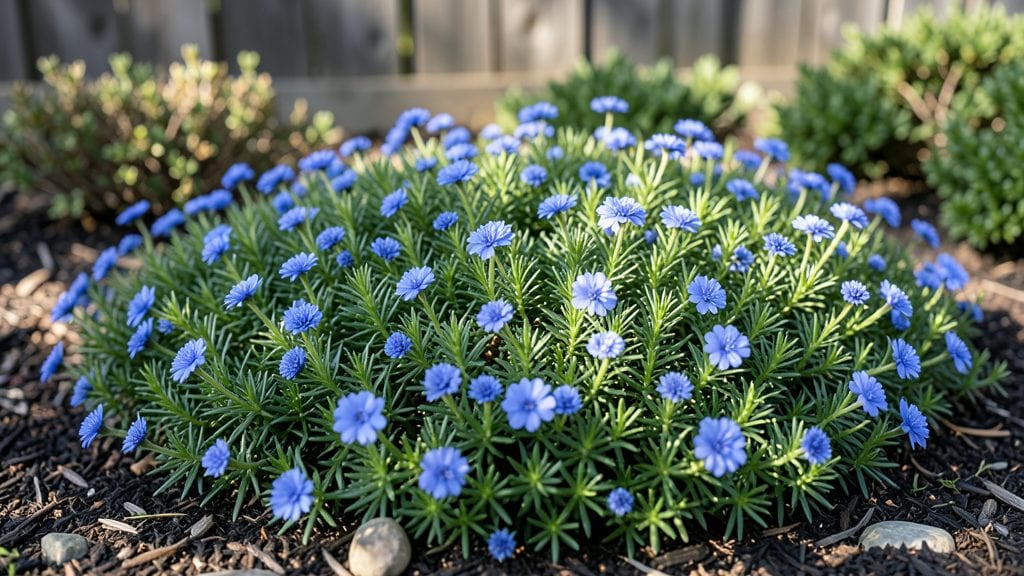
Blue pom pom flowers turn any garden into a storybook scene with their whimsical clusters that look like nature’s own pom-poms. 🌿 I fell in love with them when I spotted a cottage garden overflowing with Caryopteris—their sky-blue blooms swaying in the breeze, attracting bees and butterflies like a magnet.
These aren’t just pretty faces; they’re tough little plants that thrive where others falter, offering color from early summer through frost.
The magic happens when you pair them with lavender, catmint, or silver foliage—the contrast makes their blue pop like a fresh summer sky. They’re happy in full sun but tolerate partial shade, making them perfect for borders, containers, or even that tricky spot near the driveway.
Low-maintenance doesn’t mean low-impact: these plants keep pollinators buzzing all season long.
Imagine your garden in July, when the first pom poms burst open, or in October, when their seed heads add texture to winter arrangements. They’re the kind of plants that make neighbors stop and ask, “What are those?”—then want them for their own yards.
Best of all, they come back year after year, proving that charm and resilience go hand in hand.
Whether you’re designing a cottage garden, brightening a dull corner, or luring pollinators to your space, these blue beauties deliver. Let’s talk placement, pairings, and how to keep them thriving through every season—no green thumb required.
📚 In This Guide
- What you need
- Instructions
- Tips and common mistakes
- Wrapping up and next steps
What you need
- ● Blue pom pom flower seeds: 10–20 seeds (e.g., Caryopteris × clandonensis or Salvia nemorosa ‘May Night’ for true blue pom-pom blooms).
- ● Well-draining potting mix: 5–10 lbs (look for a blend with perlite or sand for aeration).
- ● Containers or garden beds: Containers: 5–10-inch pots with drainage holes (1–2 per plant).
- ● Garden beds: Full sun (6+ hours/day) and slightly alkaline soil (pH 6.5–7.5).
- ● Slow-release fertilizer: 1–2 tbsp (10-10-10 NPK ratio) mixed into soil.
- ● Mulch: 1–2 inches of organic mulch (e.g., straw or shredded bark) to retain moisture.
- ● Watering can or hose with gentle spray nozzle.
- ● Pruning shears: For shaping and encouraging bushier growth.
- ● Blue felt or fabric: ¼ yard (solid blue or a floral pattern for texture).
- ● Scissors: Sharp fabric scissors for clean cuts.
- ● Wire or pipe cleaners: 12-inch pieces (22-gauge floral wire works well).
- ● Hot glue gun + glue sticks: For securing layers (or fabric glue for a mess-free option).
- ○ Green floral tape or ribbon: To wrap stems (optional, for realism).
- ○ Cardboard or foam core: As a base for arranging (optional).
- ○ Spray adhesive (optional): For attaching pom poms to wreaths or garlands.
- ● For plants: If your soil isn’t alkaline, mix in crushed limestone (1 cup per gallon of soil).
- ● For crafts: Use blue tissue paper instead of felt for a softer, more delicate look!
- ● Year-round charm: Pair living pom poms with evergreen shrubs (like boxwood) for winter interest.
How to grow and care for blue pom pom flowers
These cheerful blooms bring instant cottage charm—here's how to keep them thriving season after season.
🌱 Step 1: Select the Right Varieties for Your Climate
Blue pom pom flowers (often Caryopteris or Lavandula varieties) thrive in zones 5-9, but check your local nursery for cold-hardy types like Caryopteris × clandonensis if you live in colder regions. I always opt for established plants rather than seeds—they bloom in their first year, while seedlings take two seasons to mature. Look for healthy specimens with deep blue-green foliage and no brown leaf edges, which signals drought stress or winter damage.
For containers, choose compact varieties like Lavandula angustifolia 'Hidcote' Blue'—they stay bushy and won't outgrow their pots. If planting in the ground, space them 2-3 feet apart to allow airflow, which prevents fungal diseases that turn leaves yellow. I swear by mulching with 2-3 inches of shredded bark right after planting to lock in moisture and regulate soil temperature.
☀️ Step 2: Plant in Full Sun with Well-Draining Soil
Pom pom flowers demand 6+ hours of direct sun daily—they wilt dramatically in shade. I've learned the hard way that even partial shade produces sparse, pale blooms. Amend heavy clay soil with compost and coarse sand (I mix 1 part sand to 3 parts native soil) to prevent root rot. The roots need oxygen, and soggy conditions invite disease.
Dig a hole twice as wide as the root ball but only as deep. This encourages roots to spread horizontally rather than settling into a deep, compacted pocket. Water deeply after planting, then let the soil dry completely before watering again. Overwatering at this stage causes roots to suffocate—you'll know it's right when the top 2 inches of soil feel dry to the touch.
💧 Step 3: Water Deeply but Infrequently
Once established, these plants are drought-tolerant, but they need deep watering every 7-10 days during their first growing season. I water in the early morning to reduce evaporation and fungal risks. Let the soil dry out completely between waterings—wilting leaves usually bounce back within hours of a good drink, but soggy soil leads to root rot.
In containers, check soil moisture by sticking your finger 1 inch deep. If it's dry, water until it runs out the drainage holes. I've noticed that potted pom pom flowers actually bloom more prolifically when slightly thirsty—just don't let them crisp up. Fertilize lightly with a balanced 10-10-10 formula in early spring, but skip summer feeding. Too much nitrogen produces lush foliage at the expense of those signature blue pom pom blooms.
✂️ Step 4: Prune for Bushier Growth and More Blooms
After the first flush of blooms fades (usually late summer), cut back stems by half to encourage a second round of flowers. I use clean, sharp pruners and make cuts just above a set of leaves or buds. Avoid shearing—it creates weak, leggy growth. Prune again in early spring to shape the plant and remove any dead or crossing branches.
Here's the thing—if you wait too long to prune, you'll miss the second bloom cycle. Watch for stems to turn woody and bare—this is your cue to trim. I also deadhead spent blooms regularly (just snip the flower heads) to redirect the plant's energy into new growth. The result? A bushier plant with continuous blooms from midsummer through fall.
⏰ Step 5: Protect in Winter and Prepare for Next Season
In colder zones, mulch heavily with 4-6 inches of straw or leaves after the first frost to insulate roots. I've seen these plants survive down to 0°F with proper protection, but young plants may need burlap wraps around the stems for extra insulation. In containers, move pots to a garage or unheated shed where temps stay above freezing.
Come spring, remove old mulch and refresh the soil with 1 inch of compost. This jumpstarts growth without overwhelming the plant. I've found that dividing clumps every 3-4 years rejuvenates older plants—simply dig up the root ball, separate the sections, and replant. The divided sections bloom even more vigorously in their new homes.
Tips & tricks for perfect blue pom pom flowers
Here's what nobody tells you about keeping these charming blooms looking their best year after year.
Climate-Smart Selection: If you're in zone 4 or colder, look for Caryopteris × clandonensis—it's the most cold-hardy variety and will survive those brutal winters down to 0°F. I've seen these tough plants bounce back from snow-covered stems every spring. For containers, the compact Lavandula angustifolia 'Hidcote' Blue' variety stays manageable and won't outgrow its pot like some larger varieties might.
Soil Science: The 1 part sand to 3 parts native soil mix in Step 2 is non-negotiable for clay soil regions. I've had to rescue too many soggy plants that were planted directly into heavy clay without this amendment. For a quick test, squeeze a handful of your soil—if it forms a tight ball that doesn't crumble when dropped, you definitely need that sand addition. The goal is soil that feels like a damp sponge, not wet cement.
Pruning Precision: When you cut back stems by half in late summer, always make your cuts just above a set of leaves or buds. This creates new growth points that will produce next year's blooms. I learned this the hard way by making cuts too low—next thing I knew, I had bare stems where flowers should have been. Think of it like giving your plant a fresh haircut that encourages new growth at the right spots.
Winter Protection Hacks: For container plants, I've found that wrapping the pots in bubble wrap before moving them to the garage adds an extra layer of insulation. The bubble wrap acts like a thermal blanket, helping maintain more stable temperatures. And here's a pro tip: label your containers with permanent marker before winter storage—you'll thank yourself next spring when you can't remember which pot is which!
Pro Tips for Blue Pom Pom Flowers
- Here's what nobody tells you about keeping these charming blooms looking their best year after year.
- Climate-Smart Selection: If you're in zone 4 or colder, look for Caryopteris × clandonensis—it's the most cold-hardy variety and will survive those brutal winters down to 0°F.
- Soil Science: The 1 part sand to 3 parts native soil mix in Step 2 is non-negotiable for clay soil regions.
Frequently asked questions
Got questions about adding blue pom pom flowers to your garden? You’re not alone! Here are some of the most common queries—and their answers—to help you grow these charming blooms with confidence.
What are blue pom pom flowers, and how do they differ from other blue flowers?
Blue pom pom flowers (often Alcea rosea or Cobaea scandens cultivars) are fluffy, globe-shaped blooms that resemble tiny pom poms. Unlike traditional blue flowers like hydrangeas or delphiniums, their texture is soft and voluminous, making them perfect for whimsical, cottage-style gardens. They’re also annuals or tender perennials, depending on the variety, which affects their care needs.
How long does it take for blue pom pom flowers to bloom after planting?
Most blue pom pom flowers (like Cobaea scandens) take 60–90 days to bloom from seed when grown in ideal conditions (full sun, well-draining soil, and consistent moisture). If you start seeds indoors 8–10 weeks before the last frost, you can often enjoy flowers by mid-summer. Alcea rosea (hollyhocks) may take slightly longer—up to 120 days—but rewards you with towering stems!
Can I grow blue pom pom flowers in containers, or do they need a garden bed?
Cobaea scandens (cup-and-saucer vine) thrives in hanging baskets or trellises, while Alcea rosea (hollyhocks) can grow in large containers (at least 12–18 inches wide) as long as they have good drainage and support for their tall stems. Just ensure containers get 6+ hours of sunlight daily and are watered regularly—container soil dries out faster!
Are blue pom pom flowers toxic to pets or humans?
Most blue pom pom flowers are non-toxic to humans and pets, but it’s always best to supervise pets around new plants. Cobaea scandens is generally safe, while Alcea rosea (hollyhocks) contains saponins, which can cause mild stomach upset if ingested in large quantities. When in doubt, check with your vet or the ASPCA for updates.
What should I do if my blue pom pom flowers aren’t blooming?
If your pom poms are leafy but flowerless, try these fixes:
- Check sunlight: They need full sun (6+ hours/day). Move to a sunnier spot if possible.
- Fertilize lightly: Use a balanced, low-nitrogen fertilizer (like 10-10-10) every 4–6 weeks.
- Deadhead spent blooms: This encourages more flowers by redirecting energy.
- Water consistently: Too much or too little water can stress plants. Aim for 1 inch/week.
Wrapping up and next steps
Blue pom pom flowers bring a playful, dreamy vibe to any garden—whether you’re crafting a cozy cottage escape or adding a pop of color to containers.
Their versatile charm and low-maintenance nature make them perfect for gardeners of all levels, while their year-round appeal ensures your space stays magical in every season. 🌸
Ready to dive in? Start small—try a single pot or a border—and let your creativity bloom! Which corner of your garden will you transform first?