
Flowers
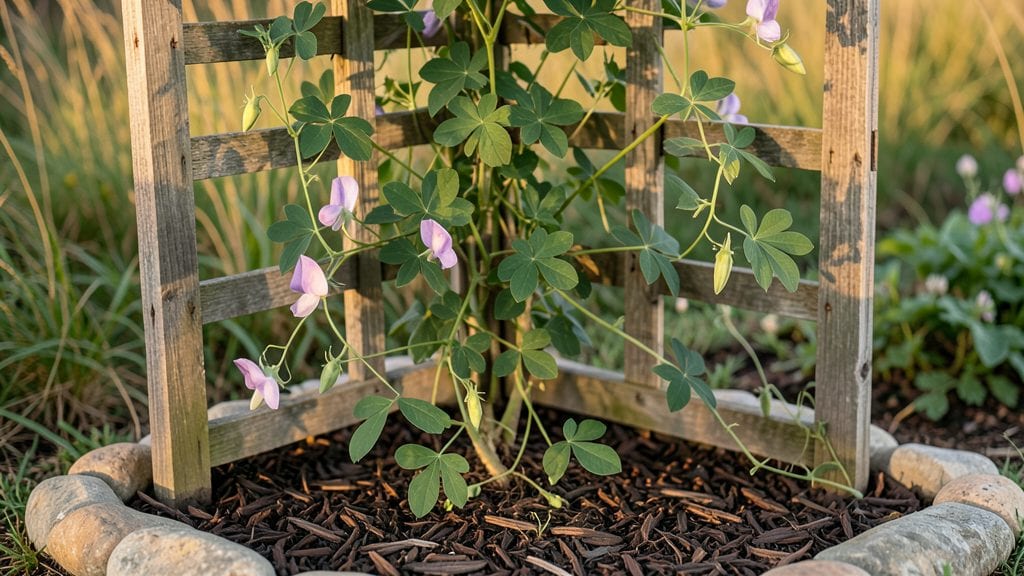
Climbing sweet pea flowers transform any fence or trellis into a fragrant, floral masterpiece that keeps blooming until frost. 🌸 I remember the first time I saw them—twisting up a rusted metal trellis in my grandmother’s garden, their delicate blossoms spilling like confetti over everything.
The secret to their long-lasting display isn’t complicated, but it does require a few key steps to set them up right.
You’ll need well-draining soil rich in organic matter, sturdy supports like a sturdy trellis or obelisk, and a sunny spot with at least 6 hours of sunlight daily.
Plant seeds ½ inch deep in early spring or fall, spacing them 4-6 inches apart—they’ll climb 6-8 feet high if given the right encouragement. The fragrance alone makes the effort worthwhile, but the continuous blooms from late spring through summer are the real reward.
Once established, these vines are surprisingly low-maintenance. Water consistently to keep the soil moist but never soggy, and pinch back the tips of young plants to encourage bushier growth.
Deadheading spent blooms every few days extends the flowering season, and a light feeding with balanced fertilizer every 4-6 weeks keeps them thriving. Before you know it, you’ll have a vertical garden that smells like a spring meadow.
They handle partial shade better than many climbers, making them perfect for patios or north-facing walls. Just avoid heavy pruning after the first flush of blooms—you’ll want to preserve that lush, cascading habit.
With the right care, your sweet peas will outperform even the most expensive cut flowers, and you’ll never buy a bouquet again.
📚 In This Guide
- What you need
- Instructions
- Tips and common mistakes
- Wrapping up and next steps
What you need
- ● Climbing Sweet Pea Seeds: 10–20 seeds (choose varieties like 'Cupani', 'Black Knight', or 'Perfume Delight' for vibrant colors and fragrance).
- ● Growing Containers or Garden Bed: For containers: 5–10 gallon pots with drainage holes (1–2 plants per container).
- ● For gardens: Well-draining soil in a sunny spot (6+ hours of sunlight daily).
- ● Potting Mix: High-quality, well-draining seed-starting mix or garden soil amended with compost.
- ● Trellis or Support Structure: 5–6 ft tall trellis, obelisk, or sturdy fence (sweet peas are twining vines!).
- ● Watering Can or Hose: With a gentle spray nozzle for consistent moisture.
- ● Gloves (to protect hands while handling soil or thorny vines).
- ● Pruning Shears (for deadheading spent blooms and shaping vines).
- ● Fertilizer: Balanced 10-10-10 or slow-release organic fertilizer (apply lightly every 4–6 weeks).
- ● Mulch (straw or shredded bark to retain moisture and suppress weeds).
- ● Peat Pots or Seed Trays (if starting indoors 8–10 weeks before last frost).
- ● Support Ties (soft plant ties or old pantyhose to secure vines to trellises initially).
Step-by-Step guide to growing climbing sweet pea flowers
Here’s my foolproof method for cultivating these fragrant, colorful vines that will transform any garden space.
🌱 Step 1: Choose the Right Location and Support Structure
Sweet peas thrive in full sun to partial shade—at least 6 hours of direct sunlight daily—but they’ll also tolerate light afternoon shade in hotter climates. I always plant mine where they’ll receive morning sun and afternoon dappled shade, which extends blooming season. The key is avoiding midday heat stress on tender foliage.
Install a 5-6 foot tall trellis, obelisk, or sturdy fence before planting. Sweet peas are vigorous climbers but need immediate support—their vines will twine around anything within reach. I use galvanized wire mesh for a rustic look, but bamboo stakes or wooden lattice work just as well. Space supports 12-18 inches apart if planting multiple vines.
🌿 Step 2: Prepare Soil and Plant Seeds at the Right Time
Sweet peas prefer well-draining, slightly alkaline soil with a pH of 6.5-7.5. Amend heavy clay with compost or coarse sand to prevent waterlogging, which causes root rot. I mix in 1-2 inches of compost into the top 6 inches of soil and sprinkle a balanced fertilizer (10-10-10) lightly over the area—just enough to feed the soil, not the seeds.
Plant seeds 4-6 weeks before your last frost date in spring or late summer for fall blooms. Press seeds ½ inch deep into the soil—never cover them with more than ½ inch of soil, or they won’t germinate. Space seeds 2-3 inches apart in rows 18 inches apart for air circulation. Water gently but thoroughly after planting, keeping the soil consistently moist until germination.
💧 Step 3: Provide Consistent Water and Fertilizer
Sweet peas need 1-1.5 inches of water weekly, but never let the soil dry out completely—wilting can cause buds to drop. I water at the base of the plant in the early morning to reduce evaporation and fungal risks. Mulch with 2-3 inches of straw or shredded leaves to retain moisture and suppress weeds, but keep mulch 2 inches away from stems to prevent rot.
Fertilize lightly every 4-6 weeks with a low-nitrogen, high-phosphorus fertilizer (like 5-10-10) to encourage blooming. Too much nitrogen promotes leafy growth at the expense of flowers. I also side-dress with aged compost mid-season to boost soil fertility without overwhelming the plants.
✂️ Step 4: Train Vines and Deadhead for Continuous Blooms
As vines grow, guide them gently along the trellis or support structure. Sweet peas twine counterclockwise, so I coil the tips around the support every few inches to encourage upward growth. Pinch back the top set of leaves when the plant reaches 12 inches tall to promote bushier growth and more flowers.
Deadhead spent blooms regularly—twice weekly if possible—to prevent seed pods from forming. This redirects the plant’s energy into producing new flowers instead of seeds. I also trim any yellowing or diseased leaves immediately to keep the plant healthy. With consistent deadheading, your vines will bloom continuously from early summer until frost.
☀️ Step 5: Extend the Blooming Season with Proper Care
Sweet peas are cool-season plants and may slow down in hot, humid weather. To keep them blooming, provide afternoon shade during heatwaves and increase watering slightly. I also mist the foliage lightly in the evening to help them cool down—just avoid wetting the flowers, which can attract pests.
For a second flush of blooms, plant a late-summer batch of seeds (around mid-August). These will bloom in late fall, often lasting until the first frost. With the right care, your climbing sweet peas will reward you with fragrant, colorful blooms from spring through autumn.
Tips & tricks for perfect climbing sweet pea flowers
A few key strategies will help you avoid common pitfalls and maximize those stunning blooms all season long.
Location and Light Secret: In Step 1, when choosing your location, pay special attention to the morning sun rule. I've learned the hard way that while sweet peas tolerate afternoon shade, they absolutely need those morning rays to kickstart photosynthesis. If your garden gets intense afternoon sun, use a sheer curtain or lattice to filter the light during the hottest hours. This balance is what extends that glorious blooming season from spring through fall.
Soil Preparation Tip: For Step 2, don't just amend your soil—test it first. Sweet peas prefer that slightly alkaline pH of 6.5-7.5, and you can adjust with lime if needed. I always mix in that 1-2 inches of compost into the top 6 inches, but I also add a handful of crushed eggshells for extra calcium. This prevents blossom end rot and gives you stronger vines that can support those heavy flower clusters.
Watering Wisdom: The 1-1.5 inches of water weekly in Step 3 is a guideline, but timing matters more. I water at the base in the early morning because this prevents fungal issues that come from wet foliage. Pro tip: Use a soaker hose or drip irrigation to deliver water directly to the roots. This keeps the leaves dry while ensuring consistent moisture—critical for preventing those buds from dropping before they open.
Training Technique: When training your vines in Step 4, remember that sweet peas twine counterclockwise. I've seen beginners get frustrated when their vines won't climb properly because they're coiling them the wrong way. Start training early—when vines reach about 6 inches—and gently coil them every few inches. This creates a strong framework that will support those beautiful flower spikes without sagging.
Pro Tips for Climbing Sweet Pea Flowers
- A few key strategies will help you avoid common pitfalls and maximize those stunning blooms all season long.
- Location and Light Secret: In Step 1, when choosing your location, pay special attention to the morning sun rule.
- Soil Preparation Tip: For Step 2, don't just amend your soil—test it first.
Frequently asked questions
Got questions about growing climbing sweet pea flowers? You’re not alone! Here are some of the most common queries—plus quick, practical answers to help your vines thrive.
How do I encourage climbing sweet peas to bloom longer?
To extend their flowering season, deadhead faded blooms regularly and prune leggy stems back by a third in early summer. Pro tip: Plant in full sun (6+ hours daily) and fertilize lightly with a balanced 10-10-10 mix every 4-6 weeks. Avoid overwatering—consistent moisture (not soggy soil) keeps them happy!
When is the best time to plant climbing sweet peas?
For most climates, sow seeds 6-8 weeks before your last frost date (early spring). If you live in a warm region, fall planting (September-October) also works. Key trick: Soak seeds overnight before planting—they germinate faster! Harden off seedlings before transplanting outdoors.
Can climbing sweet peas grow in containers?
Choose a 5-gallon+ container with drainage holes and a trellis for support. Use a well-draining potting mix with compost, and water consistently. Dwarf varieties like ‘Cupani’ or ‘Black Knight’ are perfect for pots. Watch out: Containers dry out faster—check soil moisture daily in hot weather.
Why aren’t my climbing sweet peas flowering?
Lack of blooms often signals overcrowding, poor light, or excess nitrogen. Thin seedlings to 2–3 inches apart, ensure full sun, and switch to a low-nitrogen fertilizer (like 5-10-10) to promote flowers. Quick fix: Pinch back stems when they’re 4–6 inches tall to encourage bushier growth.
What’s the difference between annual and perennial climbing sweet peas?
Most climbing sweet peas are annuals (e.g., ‘Blue Moon’ or ‘Perfume Delight’), meaning they die back after one season. Perennial varieties (like Lathyrus latifolius) return yearly but may need winter protection in cold zones. Fun fact: Perennials often have larger flowers but slower growth!
Can I save seeds from my climbing sweet peas?
Yes! Let a few pods mature on the vine until they turn brown and papery. Harvest seeds, dry them in a cool, dark place for 1–2 weeks, and store in a sealed container. Note: Seed viability drops after 2–3 years, so label and date your stash. Cross-pollination can affect traits, so isolate plants if you want pure colors.
Wrapping up and next steps
Growing climbing sweet pea flowers is a rewarding journey that brings bursts of color and fragrance to your garden all season long! 🌸 With the right care—sunlight, support, and consistent watering—these charming vines will thrive and reward you with stunning blooms.
Whether you’re a seasoned gardener or just starting out, their easygoing nature makes them a perfect addition to trellises, fences, or even balconies.
Ready to take the next step? Start by choosing your favorite varieties and plant them this spring or fall. Before you know it, your garden will be alive with sweet-scented, cascading flowers—pure joy in vine form! 🌿