Trees
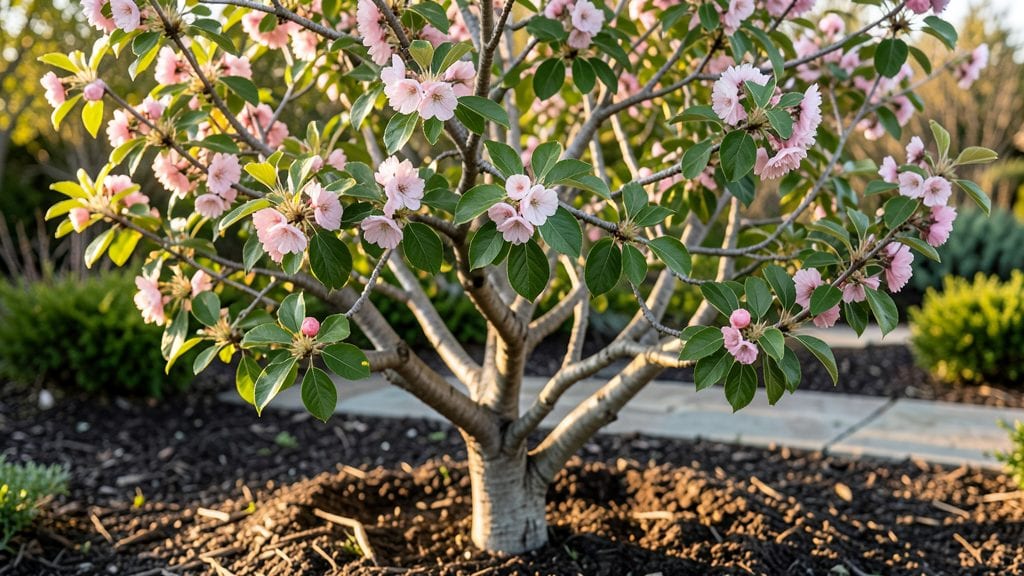
Cold hardy flowering trees are the unsung heroes of Pacific Northwest gardens—they bloom reliably through frost, drought, and wind while giving you that jaw-dropping spring show. 🌸 I planted my first serviceberry tree five years ago, and every March, it bursts into white blossoms that outshine even the most pampered roses.
The secret isn’t luck—it’s choosing the right species for your zone and giving them the care they actually need, not what you think they need.
You’ll want trees that thrive in zones 4-7, like crabapple (for bold color), serviceberry (for edible berries), or dogwood (for elegant form). Most need full sun to part shade and well-draining soil—no fancy amendments required.
The real game-changer? Planting in fall when roots establish before winter, and pruning right after blooming to encourage next year’s flowers. I’ve seen beginners overwater these trees, but they’re tougher than they look.
By summer’s end, you’ll have a canopy of fragrant blooms, glossy leaves, and maybe even fruit—all while supporting pollinators that struggle in urban areas. My neighbor’s dogwood now draws hummingbirds every June, and the scent of serviceberry blossoms lingers for weeks.
The best part? These trees keep growing for decades with minimal fuss. Let’s pick the perfect one for your yard.
Whether you’re in Seattle’s rainy climate or Portland’s dry summers, these trees adapt—just avoid soggy soil and late-season pruning. I’ll walk you through the exact steps to plant, prune, and protect them so they outlast your mailbox. Ready to add some frost-proof drama to your landscape?
📚 In This Guide
- What you need
- Instructions
- Tips and common mistakes
- Wrapping up and next steps
What you need
- ● Cold-hardy tree saplings: 1–3 trees (e.g., Magnolia, Cherry, Crabapple, or Dogwood—choose based on your zone’s hardiness, typically USDA Zones 5–8 for PNW resilience).
- ● Size: 5–15 ft tall (container-grown or bare-root, depending on season).
- ● Soil amendments: Compost (5–10 gallons per tree) for nutrient-rich soil.
- ● Organic mulch (e.g., wood chips or straw, 2–4 inches deep) to retain moisture and insulate roots.
- ● Planting tools: Shovel (18–24 inches wide for digging).
- ● Garden fork (to loosen compacted soil).
- ● Pruning shears (bypass or anvil type, sterilized).
- ● Wheelbarrow (for hauling soil/amendments).
- ● Safety gear: Gloves (gardening or work gloves).
- ○ Knee pads (optional but comfy!).
- ● Tree supports: Stakes (2–3 ft tall) + tree ties (for young/small trees).
- ● Slow-release fertilizer: 10-10-10 or 5-10-10 (1–2 lbs per tree, applied post-planting).
- ● Drip irrigation kit (to automate watering in dry spells).
- ● Soil pH tester (to check acidity—ideal range: 6.0–7.0 for most flowering trees).
- ● Winter protection: Burlap wraps or tree guards (for newly planted trees in Zone 5).
Step-by-step guide to selecting and planting cold hardy flowering trees
Here's how to choose and establish frost-resistant trees that thrive in the Pacific Northwest's climate.
🌱 Step 1: Choose Trees Suited to Your Microclimate
Select species proven to survive 10-25°F winters like Magnolia stellata, Prunus serrulata (Japanese cherry), or Cercis canadensis (eastern redbud). These varieties handle the region's wet winters and cool summers better than tender alternatives. Check your USDA Hardiness Zone—most PNW areas fall between 7b-9a, so prioritize trees rated for those zones.
Observe your yard's sun exposure patterns. South-facing sites get the most winter sun, which can stress some trees, while north-facing spots stay cooler. I always plant Amelanchier alnifolia (serviceberry) on north sides—it handles shade better than many flowering trees. For full sun areas, Prunus 'Kanzan' cherry delivers spectacular spring blooms without fuss.
☀️ Step 2: Time Planting for Optimal Establishment
Fall is the best time to plant in the PNW—between October and November when soil stays warm but air cools. Trees planted then establish roots before winter dormancy, giving them a head start next spring. Avoid planting in late winter when frost heaves can damage newly rooted trees.
Dig a hole twice as wide as the root ball but no deeper. This encourages roots to spread horizontally rather than circling in tight loops. Gently loosen any circling roots with your fingers before placing the tree in the hole. The top of the root ball should sit 1-2 inches above ground level—settling will occur over time.
💧 Step 3: Water and Mulch for Winter Protection
Water deeply immediately after planting, then again every 7-10 days until the first hard frost. The goal is to keep the root zone consistently moist but not soggy—1 inch of water per week is ideal. In the PNW's wet climate, overwatering is more common than underwatering, so check soil moisture before each watering.
Spread 3-4 inches of mulch over the root zone, keeping it 6 inches away from the trunk to prevent rot. I use shredded bark mulch because it breaks down slowly and improves soil structure over time. This mulch layer acts like a blanket, protecting roots from freeze-thaw cycles that can heave trees out of the ground.
✂️ Step 4: Prune for Structure and Frost Resilience
Wait until late winter or early spring (just before buds swell) to prune. Remove any dead, diseased, or crossing branches first—they're weak points where frost damage can enter. Thin the canopy by 20-25% to improve air circulation, which reduces winter moisture stress that can lead to fungal issues.
Never remove more than one-third of the canopy in a single year—this stresses trees and makes them more vulnerable to cold snaps. I always prune Prunus varieties lightly in their first year to encourage a strong central leader. For multi-stemmed trees like Magnolia, maintain 3-5 main branches to prevent overcrowding.
🪴 Step 5: Monitor and Adjust for Long-Term Success
Check trees annually for winter burn (brown leaf edges) or frost cracks (vertical splits in bark). These issues are normal in young trees but can be prevented with proper mulching and watering. Apply a balanced fertilizer in early spring (10-10-10 ratio) to support new growth without encouraging tender shoots that frost can damage.
As trees mature, their root systems expand. If you notice leaf scorch in summer or reduced flowering, it may indicate roots are hitting an underground barrier. In that case, aerate the soil around the dripline with a garden fork to relieve compaction. Most PNW flowering trees thrive for 50+ years with minimal care—just watch for these subtle signs of stress.
Tips & tricks for perfect cold hardy flowering trees
These pro tips will help you select, plant, and maintain frost-resistant trees that bring lasting beauty to your Pacific Northwest landscape.
Microclimate Matching: Beyond just checking USDA Hardiness Zones, observe your site's specific conditions during all seasons. Notice which areas get afternoon sun versus morning shade—this affects everything from bloom intensity to winter survival. For example, Magnolia stellata thrives in partial shade but may struggle with hot afternoon sun exposure in inland PNW areas. I always test my site for 24 hours before selecting trees to ensure they'll match the microclimate perfectly.
Root Ball Preparation: When you receive your tree, don't plant it immediately—store it in a cool, shaded spot and water the root ball every 3-4 days to keep it moist. Before planting, soak the root ball for 30-60 minutes in a bucket of water to revive any roots that may have dried out during shipping. This simple step dramatically improves transplant success rates, especially for container-grown trees.
Mulching Strategy: The 3-4 inches of mulch mentioned in Step 3 should be applied in two layers: first spread 1-2 inches immediately after planting to protect newly exposed roots, then add the remaining 2 inches once the tree shows signs of new growth in spring. This two-step approach prevents root desiccation while allowing proper moisture penetration. I also create a small berm of soil around the trunk to further protect against freeze-thaw heaving that's common in PNW winters.
Pruning Timing: Late winter pruning between January and early March gives you the best balance of visibility and dormancy. On particularly cold days (below 20°F), avoid heavy pruning as the sap flow increases vulnerability to frost cracks. I always carry a small pair of hand pruners with me during this window to make quick cuts when I spot dead branches—removing them early prevents fungal spread that can occur when branches die back during warmer spells.
Pro Tips for Cold Hardy Flowering Trees
- These pro tips will help you select, plant, and maintain frost-resistant trees that bring lasting beauty to your Pacific Northwest landscape.
- Microclimate Matching: Beyond just checking USDA Hardiness Zones, observe your site's specific conditions during all seasons.
- Root Ball Preparation: When you receive your tree, don't plant it immediately—store it in a cool, shaded spot and water the root ball every 3-4 days to keep it moist.
Frequently asked questions
Got questions about cold-hardy flowering trees? You’re not alone! Here are answers to some of the most common concerns—whether you’re planning a new garden or troubleshooting an existing one.
Which cold-hardy flowering trees bloom the earliest in the Pacific Northwest?
Look for Prunus serrulata (cherry blossoms) or Magnolia stellata—both thrive in PNW winters and often bloom as early as late winter or early spring. Cornus mas (dogwood) is another great choice, with vibrant flowers appearing in February or March.
Can these trees survive heavy frost or late-season freezes?
Many cold-hardy varieties, like Cercis canadensis (eastern redbud) and Amelanchier alnifolia (serviceberry), are rated for USDA zones 3-7. Still, young trees may need winter mulch or burlap wraps for extra protection during extreme cold snaps.
How do I choose the right spot for planting?
Prioritize full sun (6+ hours/day) and well-draining soil. Avoid low-lying areas where frost pools—elevated spots or south-facing slopes work best. Spacing matters too! Dwarf varieties need 8-10 feet apart; larger trees like Malus (crabapple) may need 15-20 feet.
What’s the best time to prune cold-hardy flowering trees?
Prune after blooming (late spring/early summer) to avoid cutting off next year’s flowers. Never prune in winter—it stresses the tree and invites disease. Use clean, sharp tools and seal larger cuts with pruning paste for faster healing.
Why aren’t my cold-hardy trees flowering this year?
Common culprits: age (young trees focus on roots first), stress (drought, poor soil), or over-pruning. Check for pests (aphids, spider mites) and ensure they’re getting enough sunlight. Patience helps—some trees take 3-5 years to bloom!
Are there drought-tolerant alternatives for water-wise gardens?
Yes! Try Cercis canadensis ‘Forest Pansy’ (drought-tolerant once established) or Halesia carolina (silverbell tree), which handles dry spells better than average. Mulching with wood chips retains moisture and reduces watering needs.
Wrapping up and next steps
Cold-hardy flowering trees are the perfect way to bring color, life, and charm to your Pacific Northwest garden—without the worry of frost damage! 🌸 From the delicate blooms of the Magnolia to the bold beauty of Crabapples, these resilient trees thrive in your region’s unique climate.
Whether you’re a seasoned gardener or just starting, adding one (or a few!) will transform your outdoor space into a year-round haven.
Ready to take the next step? Start small—research a tree that fits your space, soil, and sunlight, then plant it with confidence! Your future self (and pollinators!) will thank you. 🌿✨