
Flowers
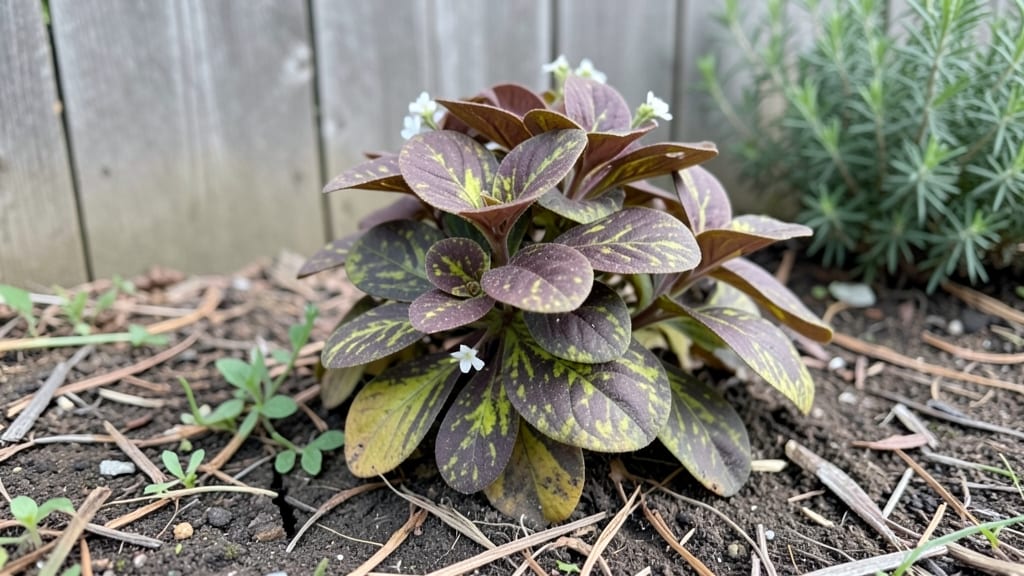
My flower beds got a bold upgrade the day I swapped out tired annuals for coleus—those velvety, jewel-toned leaves turned my garden into a living painting. 🌿 The secret isn’t just their vibrant colors but how they play with textures, making every bed feel like a curated art piece rather than just a patch of green.
Start by treating coleus as your design anchor. Plant them in clusters of 3-5 for maximum impact, mixing deep purples with chartreuse or burgundy with silver for striking contrasts. They thrive in partial shade too, so they’re perfect for borders or under trees where other plants might struggle.
Just remember: their foliage is the star, so avoid letting them flower—pinching back stems keeps them lush and colorful.
What you’ll end up with is a year-round showstopper that stays vibrant even when other plants fade. Coleus handles heat, humidity, and light frosts (with some protection), so they’re the unsung heroes of seasonal interest.
Pair them with dusty miller or heuchera for height, or tuck them into containers for portable pops of color on patios.
Here’s the best part: they’re foolproof once you get the basics. No fussy care—just water when the top inch of soil dries and trim occasionally to encourage bushier growth. Your flower beds will look like they were designed by a pro, with minimal effort. Ready to transform your space?
📚 In This Guide
- What you need
- Instructions
- Tips and common mistakes
- Wrapping up and next steps
What you need
- ○ Coleus plants: 3–5 mature plants per flower bed (mix varieties for bold contrasts, like ‘Wizard’ or ‘Margot Koster’). Well-draining potting mix: 2–3 cubic feet per plant (blend 60% garden soil, 30% compost, and 10% perlite). Organic mulch: 2–3 inches (shredded bark or straw to retain moisture and suppress weeds). Slow-release fertilizer: 10-10-10 or 14-14-14 (1 tablespoon per plant at planting). Watering can or hose with a gentle spray nozzle: For deep but even hydration. 🛠️ Tools & Equipment Garden trowel or hand shovel: For planting and soil prep. Pruning shears: Sharp, sterilized shears for trimming (sanitize with rubbing alcohol). Gloves: Heavy-duty gardening gloves to protect hands from soil and thorns (some varieties have prickly stems!). Measuring tape or ruler: To space plants 12–18 inches apart (varies by variety). Spray bottle (optional): For misting seedlings or humidifying foliage in hot climates.
- ○ Sunlight assessment: Confirm your flower bed gets partial shade (4–6 hours of filtered light)—coleus thrives here but avoids harsh afternoon sun. Soil test (optional but helpful): Ensure pH is between 6.0–6.5 (coleus prefers slightly acidic soil). Weather check: Plant on a cool, overcast day or water deeply before/after transplanting to reduce shock.
How to plant and maintain coleus in flower beds
Here’s how I keep my coleus thriving all season long with vibrant foliage that steals the show.
🌱 Step 1: Choose the Right Coleus Varieties and Planting Location
Start with 4-6 coleus plants (the more colors, the better). Look for varieties with bold, contrasting foliage—think deep purples, fiery oranges, or lime greens. Coleus loves partial shade, so pick a spot that gets 3-6 hours of morning sun or dappled shade all day. Too much direct afternoon sun will scorch their leaves, while too little light will make them grow leggy and pale.
I always plant mine near other shade-tolerant perennials like impatiens or ferns. The key is to avoid windy areas—their delicate leaves can tear easily. If you’re planting in a sunny bed, choose a location near taller plants that will cast shade during peak afternoon heat.
🪴 Step 2: Prepare the Soil and Plant Coleus Properly
Coleus thrives in well-draining, slightly acidic soil with a pH between 6.1-6.5. If your garden soil is heavy clay, mix in 2-3 inches of compost or peat moss to lighten it up. Amend the soil within a 12-inch diameter around each planting hole to ensure roots have room to spread.
Dig holes just as deep as the root ball and twice as wide to encourage outward root growth. Gently remove the plant from its container, loosen the roots if they’re circling, and place it in the hole. Backfill with soil, pressing lightly to eliminate air pockets. Water deeply right after planting to settle the soil and eliminate stress.
💧 Step 3: Water and Fertilize for Lush, Colorful Growth
Keep the soil consistently moist but never soggy—coleus roots rot easily. Water every 2-3 days until the top 2 inches of soil feel damp. In hotter months, you may need to water daily, especially if your bed is in full sun. I water in the morning to give leaves time to dry, which prevents fungal diseases like powdery mildew.
Feed your coleus with a balanced liquid fertilizer (10-10-10) every 4-6 weeks during the growing season. Too much fertilizer can burn their tender leaves, so always dilute it to half-strength. If you notice new growth looking weak or pale, it’s a sign they need a boost.
✂️ Step 4: Prune and Pinch for Bushier, More Vibrant Plants
Pinch back the tips of new growth when plants reach 6 inches tall to encourage bushier, fuller plants. Use clean, sharp scissors to snip just above a leaf node. Regular pruning also keeps coleus from getting leggy and ensures those bold colors stay vibrant. I prune mine every 4-6 weeks during the growing season.
If your coleus starts to flower, remove the blooms immediately—they sap energy from the foliage. Deadhead spent flowers by pinching them off at the base. This keeps your plants looking fresh and encourages more leaf growth. Just be gentle: coleus leaves bruise easily, so handle them with care.
☀️ Step 5: Protect Coleus Through Seasonal Changes
As temperatures drop below 50°F, coleus will start to slow down. In colder climates, bring potted coleus indoors or mulch heavily to protect roots. If you’re growing in the ground, cut back plants by half before winter and cover with 3-4 inches of mulch to insulate the soil.
In spring, trim back any dead or damaged growth and fertilize lightly to kickstart new growth. Coleus is a tender perennial, so don’t be surprised if it doesn’t survive winter outdoors in colder zones. But with proper care, it’ll reward you with year-round color in containers or as an annual in flower beds.
Tips & tricks for perfect coleus in flower beds
Here's what I've learned after years of growing show-stopping coleus—these tricks keep your plants vibrant and healthy from spring to fall.
Lighting Strategy: The 3-6 hours of morning sun in Step 1 is your sweet spot, but watch for afternoon sun sneaking in. If your bed gets even partial afternoon rays, move plants to dappled shade by noon. I often use taller perennials like hostas as natural shade providers—plant them strategically around your coleus to create that perfect filtered light environment.
Soil Science: That 6.1-6.5 pH range in Step 2 is non-negotiable for vibrant colors. Test your soil first—if it's too alkaline, mix in a handful of sulfur or use composted pine needles to lower the pH. I also add a thin layer of mulch (like shredded bark) to maintain moisture and prevent soil pH fluctuations. The 12-inch diameter amendment zone is perfect—it gives roots plenty of room to spread without competing with nearby plants.
Watering Wisdom: The 2-3 day watering schedule in Step 3 works best when you check soil moisture by hand. Stick your finger 2 inches down—if it feels dry, water thoroughly. I've found that watering in the morning (as mentioned) prevents fungal issues, but if you must water in the evening, avoid getting leaves wet. For containers, I use self-watering pots with saucers to maintain consistent moisture without overwatering.
Seasonal Transition: When temperatures drop below 50°F in Step 5, don't just cut back—take cuttings from your healthiest plants! Coleus roots easily from stem cuttings, so you can overwinter them indoors and replant next spring. I keep mine in bright, indirect light with minimal watering during winter dormancy. This way, you're not starting from scratch every season!
Pro Tips for Coleus In Flower Beds
- Here's what I've learned after years of growing show-stopping coleus—these tricks keep your plants vibrant and healthy from spring to fall.
- Lighting Strategy: The 3-6 hours of morning sun in Step 1 is your sweet spot, but watch for afternoon sun sneaking in.
- Soil Science: That 6.1-6.5 pH range in Step 2 is non-negotiable for vibrant colors.
Frequently asked questions
Got questions about adding coleus to your flower beds? You’re not alone! Here are answers to the most common queries—from planting tips to troubleshooting—so you can create stunning, low-maintenance displays with ease.
When is the best time to plant coleus in flower beds?
Plant coleus in spring after the last frost (when soil temps hit 60°F+) or in early summer for a late-season burst of color. If you’re in a warm climate, you can even plant in fall for winter interest. Avoid planting in extreme heat (above 90°F), as it can stress young plants.
Can coleus survive winter in flower beds?
Most coleus are tender perennials and won’t survive freezing temps. In cold climates, dig up plants before frost, trim them back, and overwinter indoors. In mild zones (USDA 9-11), mulch heavily and protect with frost cloth. For year-round color, treat coleus as an annual and replant each spring.
What’s the best way to mix coleus with other plants in flower beds?
Pair coleus with low-growing perennials like heuchera (coral bells) or ajuga (bugleweed) for texture contrast. For height, combine with grasses (like fountain grass) or spiky plants (e.g., dusty miller or lamb’s ear). Avoid overcrowding—space coleus 12–18 inches apart for airflow and vibrant foliage.
Why are my coleus leaves turning yellow or spotted?
Yellowing leaves often signal overwatering or fungal issues (like powdery mildew). Spots could mean pests (aphids, spider mites) or bacterial infections. Fix it: Water at soil level (not overhead), improve drainage, and spray with neem oil. Remove severely affected leaves and avoid wetting foliage during watering.
Are there drought-tolerant coleus varieties for hot, dry climates?
Yes! Look for heat-tolerant varieties like ‘Wizard’ series or ‘Chocolate Soldier’, which handle dry spells better than traditional coleus. Pro tips:
- Mulch heavily to retain moisture.
- Plant in partial shade (morning sun + afternoon shade) to prevent leaf scorch.
- Group with succulents or sedum to reduce water needs.
Can I grow coleus from cuttings instead of buying new plants?
Coleus roots easily from stem cuttings—just snip a 4–6 inch section, remove lower leaves, and dip in rooting hormone. Plant in moist potting mix, cover with a plastic bag, and keep in bright, indirect light. Roots form in 2–3 weeks! This is a cost-effective way to propagate your favorite varieties.
Wrapping up and next steps
Incorporating coleus in flower beds is a game-changer for adding vibrant, year-round color with minimal effort—no blooms required! 🌿 With its striking foliage and low-maintenance nature, coleus effortlessly elevates any garden design while thriving in partial shade or filtered sunlight.
Whether you’re a seasoned gardener or just starting, these bold contrasts will inspire creativity and keep your outdoor space lively.
Ready to transform your flower beds? Start by selecting your favorite coleus varieties, grab your gardening tools, and dive in! Your next step: sketch a quick layout or snap a photo of your space for inspiration—then plant with confidence. Happy gardening! 🌸