
Flowers
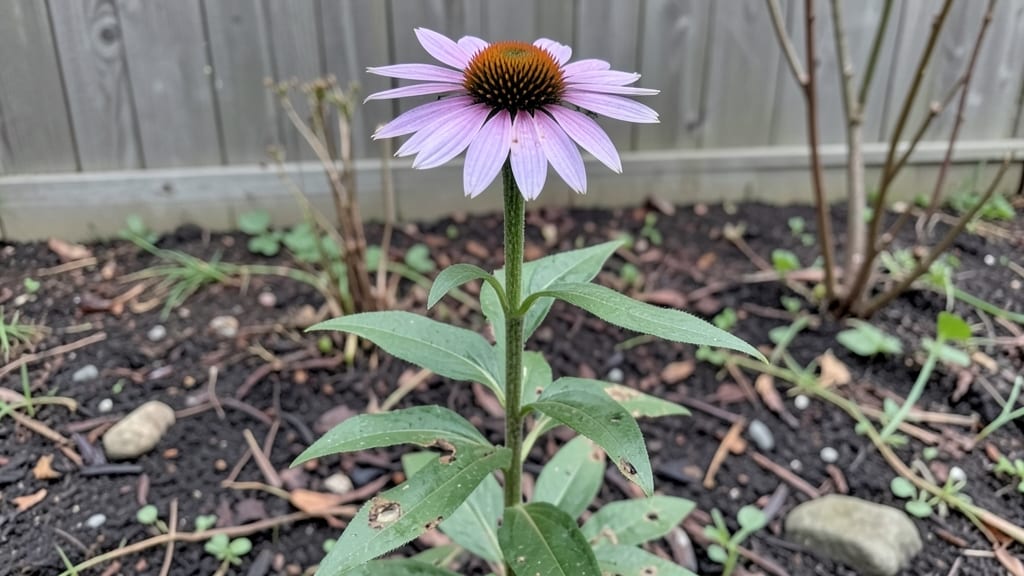
Cone flower care in the Pacific Northwest starts with one simple truth: these hardy perennials thrive where others freeze—frost-proofing is built into their DNA. 🌿 I’ve grown them through three winters here, and they’ve never skipped a beat, even when temperatures dip below freezing.
The secret isn’t fancy tricks but understanding how their deep roots and fuzzy buds handle cold snaps better than most plants.
You’ll need full sun (at least 6 hours daily) and well-draining soil—sandy loam works best, but they’ll tolerate clay if amended with compost. Watering is easy: deep but infrequent—think once a week in summer, less in winter.
The real magic happens in late winter when you prune back dead stems to make room for fresh growth, and by mid-summer, you’ll be rewarded with those iconic daisy-like blooms that pollinators adore.
What you’ll end up with is a low-maintenance, pollinator magnet that blooms from early summer through fall, even after frost. The flowers stay vibrant, the roots stay sturdy, and you’ll spend less time fussing over them than most annuals.
Plus, their medicinal properties (like immune-boosting echinacea tea) make them a garden workhorse.
Works in every corner of the PNW—from Seattle’s mild winters to Eastern Washington’s cold snaps. Here’s how to keep them thriving year after year without the guesswork.
📚 In This Guide
- What you need
- Instructions
- Tips and common mistakes
- Wrapping up and next steps
What you need
- ● Cone flower plants: 3–5 nursery-grown Echinacea purpurea or Echinacea pallida (choose native PNW varieties like ‘White Swan’ or ‘Hot Papaya’ for resilience).
- ● Well-draining soil: 5–10 bags (20 lbs each) of compost + 2–3 bags of perlite or pumice (to prevent soggy roots).
- ● Organic mulch: 1–2 cubic yards of straw, wood chips, or shredded leaves (3–4 inches deep for insulation).
- ● Fertilizer: 1 bag of slow-release, low-nitrogen fertilizer (5-10-10 ratio, 1 lb per 100 sq ft).
- ● Drip irrigation or soaker hose: 50–100 ft (adjust based on garden size).
- ● Garden trowel (for planting).
- ● Pruning shears (sterilized with rubbing alcohol).
- ● Garden fork (to loosen soil before planting).
- ● Wheelbarrow (for hauling mulch/soil).
- ● Gloves + knee pads (PNW winters are tough on joints!).
- ● Burlap or frost cloth: 1–2 rolls (to shield young plants in early spring/late fall).
- ● Garden stakes or rings: 6–10 (to support tall varieties like ‘Green Envy’).
- ● Epsom salt: 1 lb (for magnesium boost in clay-heavy PNW soil).
- ● Compost tea: 1 gallon (homemade or store-bought, for microbial health).
How to prepare coneflowers for Pacific Northwest winters
Here’s how I’ve kept my coneflowers thriving through PNW winters—no fuss, just smart prep.
🌿 Step 1: Mulch Heavily Before First Frost
Once temperatures dip near 32°F, spread 3-4 inches of organic mulch around the base of each plant. I use shredded leaves or wood chips because they break down slowly, insulating roots while adding nutrients back to the soil. Leave a 1-inch gap around stems to prevent rot—too much mulch traps moisture and smothers the crown.
Press the mulch down lightly so it stays in place during wind or rain. You’ll see the soil surface stay cooler longer, and the mulch will slowly decompose into a protective blanket over winter. This is the single most important step for PNW survival—skipping it often leads to frost-heaved roots or winter dieback.
✂️ Step 2: Prune Back Dead Stems in Late Winter
Wait until late February or early March when new growth starts showing at the base. Cut back all dead stems to 1-2 inches above the ground using clean, sharp shears. I avoid cutting into green tissue—you’ll know you’ve gone too far if you see fresh growth when you slice. The old stems provide some winter protection, but removing them prevents disease buildup and makes room for fresh spring shoots.
Don’t worry if the plant looks bare—coneflowers store energy in their roots. You’ll see new shoots within 3-4 weeks of pruning, and they’ll grow faster than you expect. This is also the perfect time to remove any remaining seed heads from last season’s blooms.
☀️ Step 3: Water Deeply Before Soil Freezes
Give your coneflowers a deep watering 2-3 weeks before the first hard frost. The goal is to saturate the soil 12-18 inches deep—this ensures roots have enough moisture to sustain them through dry winter spells. You’ll know you’ve watered enough when the soil feels damp 6 inches down and water pools briefly on the surface before draining.
After this watering, reduce irrigation completely until spring. Overwatering in winter leads to soggy soil that encourages rot. The deep initial soak primes the roots for dormancy, while the mulch layer helps retain moisture without creating wet conditions.
🪴 Step 4: Protect Young Plants in Exposed Areas
If your coneflowers are in a windy or low-lying spot, add extra protection by wrapping the base with burlap or frost cloth before temperatures drop below 25°F. Secure it loosely so airflow isn’t blocked—you’re shielding from windburn and cold drafts, not creating a greenhouse. Remove the wrap in early spring once new growth appears.
I’ve found that even established plants benefit from this in exposed gardens. Look for yellowing leaves or wilting in early spring as signs they struggled—this usually means they needed more shelter. For container-grown coneflowers, move pots to a sheltered spot or wrap them completely in bubble wrap for added insulation.
⏰ Step 5: Fertilize Lightly in Early Spring
Once you see new shoots emerging in late March or April, apply a balanced 10-10-10 fertilizer at half strength. Spread it evenly over the soil surface and water it in immediately. Coneflowers don’t need heavy feeding, but a little boost after winter helps them bounce back faster. I avoid high-nitrogen fertilizers—they encourage leafy growth at the expense of blooms.
Watch for bright green new leaves as your signal that the plant is actively growing. This is also the time to check for any winter damage—if stems look mushy or black, trim them back further to healthy tissue. With proper care, your coneflowers will reward you with vibrant blooms by early summer.
Tips & tricks for perfect cone flower winter care
These simple strategies will help you keep your coneflowers thriving through Pacific Northwest winters without any stress.
Mulch Timing Tip: The 3-4 inches of mulch should be applied right before temperatures hit 32°F—this is when roots start becoming vulnerable to frost damage. I like to check the weather forecast and schedule this when a cold snap is predicted. For extra insurance, add a second layer of mulch if we get an unusually harsh winter. The goal is to maintain a consistent temperature around the roots, so don't wait until after frost has already damaged the plants.
Pruning Precision: When cutting back those dead stems in late February or early March, look for the point where the stem meets the crown—this is where new growth will emerge. I find it helpful to make a small mark with a pencil on the stem to identify this spot before pruning. The 1-2 inch height recommendation gives the plant enough protection during any late winter cold snaps while still allowing room for fresh growth. Avoid cutting into green tissue at all costs—this signals the plant to put energy into healing rather than blooming.
Watering Wisdom: That 2-3 week window before soil freezes is critical for deep watering. I use a soil probe to check moisture levels—if it comes out dry at 6 inches down, I water again. For container-grown coneflowers, water more frequently since pots dry out faster. The key is to get that moisture down to 12-18 inches—this ensures roots have enough hydration to last through winter without encouraging rot. After this watering, I completely stop until spring growth appears.
Exposed Plant Rescue: If your coneflowers are in windy areas, I've found that adding a second layer of frost cloth (rather than just burlap) works best for temperatures below 25°F. Make sure to secure it loosely—you want to protect from windburn without suffocating the plant. For container plants, I move them to a sheltered location like against a south-facing wall. The goal is to create a microclimate that's just a few degrees warmer than the surrounding area.
Pro Tips for Cone Flower Care
- These simple strategies will help you keep your coneflowers thriving through Pacific Northwest winters without any stress.
- Mulch Timing Tip: The 3-4 inches of mulch should be applied right before temperatures hit 32°F—this is when roots start becoming vulnerable to frost damage.
- Pruning Precision: When cutting back those dead stems in late February or early March, look for the point where the stem meets the crown—this is where new growth will emerge.
Frequently asked questions
When is the best time to plant cone flowers in the PNW?
Plant cone flowers in early spring (March–April) or early fall (September–October) for the best results. This timing lets roots establish before summer heat or winter frost hits. If transplanting, water deeply to reduce shock—PNW’s damp springs make this especially easy!
Do cone flowers need extra protection from PNW frost?
Most cone flowers (like Echinacea) are hardy to USDA Zone 3–9, but young plants or late-season blooms may need a little help. Mulch heavily (3–4 inches) with straw or shredded leaves after the first frost. For extreme cold snaps (<10°F), a light frost cloth can shield tender stems until spring.
Why are my cone flower leaves turning yellow?
Yellowing leaves usually signal overwatering or poor drainage—common in PNW’s rainy climate. Ensure pots have drainage holes or amend garden soil with compost or perlite. If yellowing starts at the bottom of leaves, it’s likely overwatering; brown edges suggest underwatering or salt buildup from tap water.
Can I grow cone flowers in containers in the PNW?
Choose large containers (12+ inches deep) with fast-draining mix (60% potting soil, 30% perlite, 10% compost). Move pots to a sheltered spot (like a garage or under eaves) during hard freezes. Dwarf varieties like ‘White Swan’ thrive in containers and add vertical interest to patios.
Are cone flowers deer- or rabbit-resistant?
While cone flowers are mildly deer-resistant, hungry herbivores may nibble young shoots. Plant near deer-repellent companions like lavender, Russian sage, or allium. For rabbits, a chicken wire cage around new plants until established (3–4 weeks) works wonders. Once mature, their fuzzy leaves are usually left alone!
How do I revive a cone flower that’s not blooming?
Lack of blooms often stems from over-fertilizing (especially nitrogen-heavy) or cutting back too late. Deadhead spent blooms in early fall to encourage reblooming, and fertilize lightly in spring with 5-10-5. If the plant is leggy, trim 1/3 of stems in early spring to promote bushier growth and more flowers.
Wrapping up and next steps
Caring for cone flowers in the Pacific Northwest’s chilly climate is all about preparation, patience, and a little love—and you’ve got this! 🌿 By choosing the right varieties, protecting them from frost, and giving them the space to thrive, you’ll enjoy stunning blooms season after season.
Remember, even the hardiest plants need a little help to shine.
Ready to level up your garden game? Start by grabbing a few more Echinacea friends or experimenting with companion plants to create a showstopping display. Happy gardening! 🌸