
Propagation
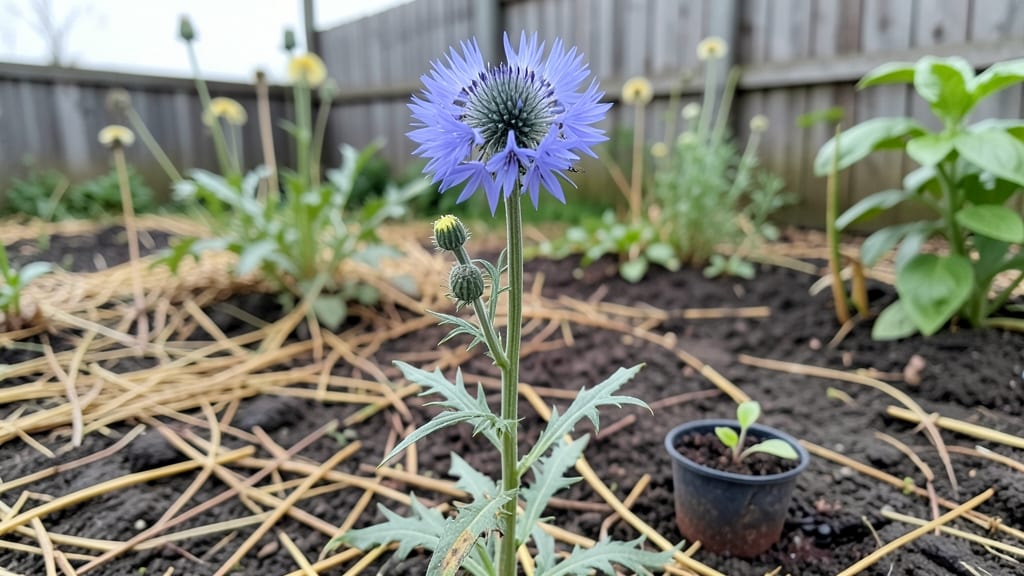
Growing cornflowers from seed is one of those foolproof gardening wins—bright blue blooms that pop up like clockwork in just 60 days without fuss. I still remember the first time I scattered seeds in early spring and watched them transform my garden into a sky-blue meadow by summer.
The secret isn’t complicated: these hardy annuals thrive with minimal effort, making them perfect for beginners or busy gardeners who want instant color.
You’ll need just a few basics: a sunny spot (they love full sun), loose soil (they hate soggy roots), and a light touch with watering. Cornflowers are drought-tolerant once established, so overwatering is their only real enemy.
The seeds are tiny but tough—plant them about ¼ inch deep, 12 inches apart, and keep the soil barely moist until sprouts appear. Germination happens fast in warm soil, often within 7-14 days, though they’re patient enough to wait for cooler spring temperatures.
What you’ll end up with is a nearly maintenance-free display of delicate blue blooms that attract bees and butterflies while adding height to cut flower arrangements. The plants grow 2-3 feet tall, with blooms lasting from midsummer until frost.
Even better? They self-seed like crazy, so you’ll get free flowers for years after the first planting. The only real challenge is resisting the urge to deadhead—though if you do, you’ll have even more flowers next season.
This method works in zones 3-10, whether you’re planting in garden beds, containers, or even between stepping stones. The key is patience—those first sprouts might look fragile, but they’ll toughen up fast.
Ready to add a splash of blue to your garden without the hassle? Let’s get those seeds in the ground.
📚 In This Guide
- What you need
- Instructions
- Tips and common mistakes
- Wrapping up and next steps
What you need
- ● Cornflower seeds – 1 packet (50–100 seeds) (choose a variety like ‘Blue Boy’ or ‘Black Ball’ for vibrant blooms).
- ● Seed-starting mix – 1 small bag (1–2 quarts) (lightweight, sterile potting mix for seedlings).
- ● Seed trays or small pots – 6–12 individual cells or 3–4 small pots (2–3 inches deep) (biodegradable pots work too!).
- ● Grow lights or sunny windowsill – 6–8 hours of light daily (or a sunny spot with indirect light).
- ● Watering can or spray bottle – with a fine mist setting (to avoid disturbing seeds).
- ● Plant labels – small markers or sticks (to track varieties and planting dates).
- ○ Gloves – gardening gloves (optional) (to keep hands clean while handling soil).
- ○ Planting tweezers – (optional) (for precise seed placement).
- ● Fertilizer – balanced liquid fertilizer (5-10-5) or compost tea (once seedlings sprout).
- ○ Transplanting tray – (optional) (for hardening off seedlings before outdoor planting).
- ○ Stakes or cages – (optional) (if growing tall varieties for support).
Step-by-Step guide to growing cornflowers from seed
Here's how to cultivate vibrant cornflowers with minimal fuss—just follow these straightforward steps.
🌱 Step 1: Prepare the Soil and Sow Seeds
Cornflowers thrive in well-draining soil with a pH between 6.0 and 7.5. Work the first 2 inches of soil to loosen it, removing any rocks or debris. If your soil is heavy clay, mix in 2-3 inches of compost to improve drainage and fertility. This ensures roots grow freely without waterlogging.
Scatter seeds ¼ inch deep and 6 inches apart in rows spaced 12 inches apart. Lightly cover them with soil—cornflower seeds need darkness to germinate, so avoid pressing them too firmly. Water gently but thoroughly to settle the soil around the seeds without displacing them. You'll see tiny sprouts in 7-14 days, depending on temperature.
☀️ Step 2: Provide Full Sun and Consistent Moisture
Cornflowers demand full sun, meaning 6-8 hours of direct sunlight daily. Once seedlings emerge, thin them to 12 inches apart to prevent overcrowding. Weak, crowded plants produce fewer blooms. Use sharp scissors to snip unwanted seedlings at soil level rather than pulling, which can disturb roots.
Water 1 inch per week, allowing the top 1-2 inches of soil to dry between waterings. Overwatering causes root rot, while underwatering leads to stunted growth. Mulch with 1 inch of straw after thinning to retain moisture and suppress weeds. You'll notice stems strengthening and leaves developing a deeper green as they mature.
✂️ Step 3: Support Tall Varieties and Deadhead for Longer Blooms
Taller cornflower varieties (like 'Black Prince') may need staking if they top 3 feet. Insert 2-3 foot stakes near the base at planting time or add them as plants grow. Tie stems loosely with soft garden twine to avoid restricting growth. This prevents flopping in wind or rain.
Deadhead spent blooms by snipping the faded flower head just above the next set of leaves. This encourages continuous flowering through the season. If you notice powdery mildew on leaves (a white, dusty coating), remove affected foliage immediately and avoid overhead watering to prevent spread. Healthy plants will produce blooms in 60-70 days from sowing.
🌿 Step 4: Harvest Seeds for Next Year’s Garden
Allow some flowers to mature fully for seed collection. Once the blooms fade and the seed heads turn brown, cut the entire stalk and hang it upside down in a dry, well-ventilated area. The seeds will rattle free from the dried head in 1-2 weeks. Store them in a paper envelope in a cool, dark place for up to 2 years.
Cornflowers self-seed readily, so you may find volunteers popping up the following spring. Thin these naturally occurring seedlings to maintain spacing and avoid overcrowding. With proper care, your cornflowers will reward you with bright blue blooms that attract pollinators all season long.
Tips & tricks for perfect cornflower cultivation
Here's what I've learned after growing these stunning blooms for years—simple secrets that make all the difference between a patch of weeds and a garden full of vibrant blue.
Soil Preparation Secret: The 2-inch deep soil loosening in Step 1 is non-negotiable for cornflowers. Use a broadfork to aerate without bringing up weeds from lower layers. If your soil tests below pH 6.0, add powdered lime (½ cup per square foot) and mix it in 2-3 weeks before planting—this gives the lime time to adjust the pH properly before seeds go in.
Seed Placement Technique: When scattering seeds ¼ inch deep in Step 1, think of them like tiny treasure chests—don't bury them too deeply or they'll struggle to emerge. I like to use a seed spreader for even distribution, then lightly cover with a fine screen to avoid disturbing the seeds while maintaining that crucial darkness. The 6-inch spacing might seem generous, but it prevents competition that leads to leggy, weak stems.
Sunlight Strategy: Those 6-8 hours of full sun in Step 2 are absolute requirements, but not all sunlight is equal. Morning sun (6am-12pm) is gentler than afternoon sun (12pm-6pm), so position your plants to get afternoon shade if your climate gets extremely hot. I've seen cornflowers wilt dramatically in intense afternoon heat, even when they had enough total sunlight hours.
Watering Wisdom: The 1-inch weekly watering guideline in Step 2 works perfectly in moderate climates, but here's the key: water deeply but infrequently. Shallow, frequent watering encourages shallow roots. Instead, let the top 1-2 inches dry completely between waterings—this forces roots to grow deeper in search of moisture, making your plants more drought-resistant once established.
Pro Tips for Cornflower From Seed
- Here's what I've learned after growing these stunning blooms for years—simple secrets that make all the difference between a patch of weeds and a garden full of vibrant blue.
- Soil Preparation Secret: The 2-inch deep soil loosening in Step 1 is non-negotiable for cornflowers.
- Seed Placement Technique: When scattering seeds ¼ inch deep in Step 1, think of them like tiny treasure chests—don't bury them too deeply or they'll struggle to emerge.
Frequently asked questions
Got questions about growing cornflowers from seed? You’re not alone!
Here are answers to the most common queries to help you cultivate stunning blue blooms with confidence.
How long does it take for cornflower seeds to germinate?
Cornflower seeds typically germinate in 7–14 days when planted at the right soil temperature (around 60–70°F). Keep the soil consistently moist but not soggy, and place the tray in a warm, sunny spot (or under grow lights) to speed up the process. Patience pays off—just avoid overwatering, which can cause rot!
Can I plant cornflower seeds indoors first, or should I sow them directly outside?
Both methods work, but direct sowing outdoors is easiest for beginners. If you start indoors, plant seeds 4–6 weeks before your last frost date in biodegradable pots. Transplant seedlings outdoors after the soil warms up (when night temps stay above 50°F). For direct sowing, wait until soil temps reach 55°F+—cornflowers hate cold!
Why aren’t my cornflower seeds sprouting? Troubleshooting tips!
If your seeds aren’t germinating, check these fixes:
- Depth: Plant seeds ¼ inch deep—too deep = slower sprouting.
- Moisture: Keep soil damp (not wet) to prevent mold.
- Light: Seeds need warmth (60°F+) and light to sprout.
- Fresh seeds: Old seeds (over 2 years) may lose viability.
- Soil: Use well-draining, fertile soil (amend with compost if needed).
Are cornflowers annuals or perennials? Will they come back every year?
Cornflowers (Centaurea cyanus) are tender annuals, meaning they complete their life cycle in one season and won’t regrow from the same roots. However, they self-seed prolifically! Save seeds from mature flowers to scatter in fall or early spring for next year’s surprise blooms. Bonus: Their cheerful blue flowers attract pollinators like bees and butterflies!
Can I grow cornflowers in containers, or do they need a garden bed?
Cornflowers thrive in containers, pots, or garden beds as long as they get:
- At least 6–8 inches of soil depth (roots need room to stretch).
- Full sun (6+ hours daily)—they wilt in shade.
- Well-draining soil (add perlite or sand if your soil is heavy).
Wrapping up and next steps
Growing cornflowers from seed is a rewarding journey that brings vibrant blue blooms to your garden in just 60 days—no green thumb required! With the right soil, sunlight, and a little patience, you’ll enjoy cheerful flowers that attract pollinators and add charm to any space. 🌸
Ready to dive in? Start by gathering your seeds and supplies, then follow the simple steps to nurture your plants. Once your cornflowers are thriving, consider saving seeds for next year or experimenting with companion planting to boost your garden’s beauty. Happy growing! 🌱