
Flowers
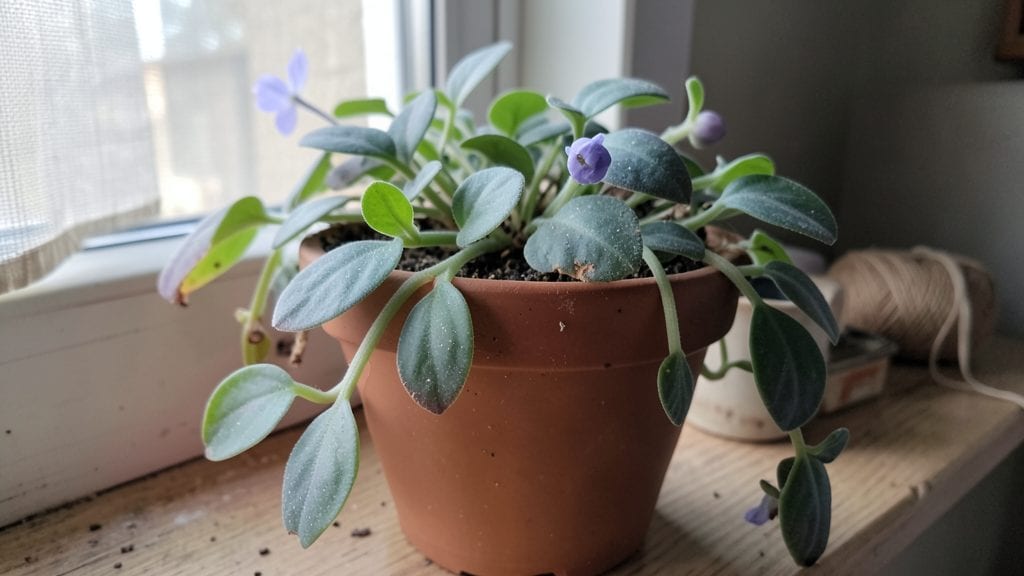
The wandering jew blue flowers I adore bring a dreamy, velvety hue to gardens while offering frost-tolerant resilience and effortless year-round color—perfect for softening edges, spilling over containers, or tucking into rocky nooks where others falter. 💙 struggle.
The key to its magic lies in how it pairs with other textures—think silvery lavender, deep burgundy heuchera, or crisp white alyssum for a border that pops in every season.
This plant thrives in partial shade, making it perfect for under trees or along north-facing walls where most foliage fades. It handles light frost better than many annuals, so you get color even when spring lingers or fall stretches late.
Plus, it’s a ground cover that stays contained (unlike mint!) when given enough space to spread—ideal for filling gaps between stepping stones or framing a patio edge.
What you’ll love most is how it brightens shady spots without needing constant attention. The blue hues deepen in cooler weather, creating a striking contrast against golden autumn leaves or evergreen shrubs. Mix it with variegated hostas or dusty miller for a high-impact, low-maintenance border that feels intentional, not fussy.
For maximum impact, plant it in drifts rather than single clumps—it looks best when it’s allowed to mingle naturally with other perennials. In containers, let it spill over edges to create a cascading effect that draws the eye downward.
Whether you’re dressing up a shadowy corner or adding a pop of cool color to a sunny border, this plant delivers effortless elegance.
📚 In This Guide
- What you need
- Instructions
- Tips and common mistakes
- Wrapping up and next steps
What you need
- ● Wandering Jew (Tradescantia) plants – Choose a blue or purple-leaved variety (e.g., 'Oca' or 'Giant Blue'). Quantity: 1-3 plants per container or 3-5 plants per linear foot in garden beds.
- ● Well-draining potting mix – A blend of peat moss, perlite, and compost (or a cactus/succulent mix). Quantity: 2-3 gallons per container.
- ○ Containers (optional but recommended for colder climates) – 10-12" pots with drainage holes or hanging baskets for trailing varieties. Material: Terracotta, ceramic, or fabric grow bags.
- ● Slow-release fertilizer – A balanced 10-10-10 or 20-20-20 formula. Quantity: 1 tbsp per gallon of soil.
- ○ Mulch (optional for garden beds) – Shredded bark or straw to protect roots from frost. Quantity: 2-3 inches thick.
- ● Garden trowel or small shovel – For planting and soil prep.
- ● Pruning shears – To trim leggy stems and encourage bushiness.
- ● Watering can or hose with a gentle spray nozzle – Wandering Jew prefers consistent moisture but hates soggy roots.
- ○ Gloves (optional) – To protect hands from mildly irritating sap.
- ● Sunlight assessment – Bright, indirect light (3-6 hours daily). Test your spot before planting!
- ● Frost cloth or bubble wrap – To shield plants from light frosts (below 28°F).
- ○ Indoor grow lights (optional) – For overwintering indoors if temps drop below 20°F.
How to grow vibrant Wandering Jew blue flowers as a frost-resistant border plant
This hardy ground cover brings year-round color with minimal effort—here's how to plant and maintain it for maximum impact.
🌱 Step 1: Choose the Perfect Planting Location
Wandering Jew thrives in partial shade to full sun, but the blue varieties develop their richest color in morning sun with afternoon shade—especially in hotter climates. I always test the spot first by observing how much direct sunlight it gets between 10 AM and 2 PM. If the area stays dry and the soil stays warm, it's ideal.
This plant tolerates USDA Zones 5-11, making it one of the most frost-resistant options for borders. In colder zones, it dies back to the ground in winter but returns vigorously in spring. For year-round color, plant in a sheltered spot where winter winds won't scorch the foliage. You'll notice the blue hues deepen when temperatures drop below 60°F—that's when it really shows off.
🪴 Step 2: Prepare the Soil and Plant Correctly
Wandering Jew adapts to most soil types but grows best in well-draining, slightly acidic to neutral soil (pH 6.0-7.0). Before planting, mix 2 inches of compost into the top 6 inches of native soil to improve drainage and fertility. This plant hates soggy roots, so if your soil stays wet for more than 24 hours after rain, amend with 1 part perlite to 3 parts soil.
Plant 4-6 inch pots (or bare-root divisions) 12-18 inches apart in rows. Dig holes just deep enough to cover the root ball completely—no deeper, as this can rot the stems. Gently firm the soil around each plant and water deeply to eliminate air pockets. You'll see new growth appear within 7-10 days if conditions are right.
☀️ Step 3: Water and Maintain for Year-Round Color
Established Wandering Jew is drought-tolerant once rooted, but new plants need 1 inch of water per week during the first growing season. Water at the base of the plant in the morning to prevent fungal issues from overnight moisture. You'll know it's getting enough water when the soil feels damp 2 inches down—stick your finger in to check.
Fertilize lightly in early spring with a balanced 10-10-10 formula (½ strength) to encourage lush growth. Avoid high-nitrogen fertilizers—they promote leafy growth at the expense of those stunning blue flowers. Prune back leggy stems in late winter to shape the plant and encourage bushier, more vibrant growth. You'll notice the blue tones intensify after pruning, as new growth emerges more compact.
✂️ Step 4: Control Spread and Prevent Common Issues
Wandering Jew spreads aggressively—too aggressively for some gardeners. To keep it contained in borders, trim back the edges every 4-6 weeks during the growing season. I like to use clean, sharp pruners to cut just above a leaf node, which encourages branching. If it escapes your intended area, simply dig up unwanted sections and replant them elsewhere.
Watch for aphids or spider mites, which can dull the vibrant blue color. Treat infestations immediately with neem oil spray (mix 1 tablespoon per quart of water). The plant rarely suffers from disease, but powdery mildew can occur in humid conditions. Improve airflow by spacing plants 18 inches apart and avoid overhead watering.
⏰ Step 5: Overwinter for Next Year's Color
In Zones 5-7, Wandering Jew may die back in winter but returns reliably in spring. In colder zones, mulch heavily (3-4 inches) with straw or shredded leaves after the first frost to protect the roots. Remove the mulch in early spring as new growth appears—you'll spot tiny blue-green shoots peeking through first.
For Zones 8-11, no winter care is needed beyond occasional watering during dry spells. The plant stays evergreen in mild winters, providing year-round color with minimal effort. Divide mature clumps every 3-4 years in early spring to rejuvenate growth—simply dig up sections, replant, and watch them fill in quickly.
Tips & tricks for perfect Wandering Jew blue flowers
Want those stunning blue hues to shine year-round? These simple yet game-changing tips will help you create a vibrant, low-maintenance border that thrives through every season.
Location is Everything: The morning sun with afternoon shade is non-negotiable for those rich blue tones. I test potential spots by placing a white piece of paper in the sun between 10 AM and 2 PM—if it stays dry and warm, it's perfect. In hotter climates, afternoon shade prevents the blue from fading to green. Trust me, this small step makes all the difference!
Soil Science Matters: Don't skip the soil prep! The 2 inches of compost mixed into the top 6 inches of soil creates the perfect environment. I've seen plants struggle in heavy clay—amending with perlite when needed prevents soggy roots that can rot stems. For best results, aim for that slightly acidic to neutral pH (6.0-7.0) using a simple soil test kit.
Watering Wisdom: Those first 7-10 days after planting are critical. Water deeply at the base in the morning to encourage strong root development. I check moisture by sticking my finger 2 inches down—if it's dry, it's time to water. Once established, this drought-tolerant beauty thrives on neglect, but those first weeks set the foundation for vibrant growth.
Pruning Power: Late winter pruning isn't just about shaping—it's about revealing the most intense blue colors. Cut just above a leaf node to encourage bushier growth, and you'll notice the new shoots emerge with deeper blue hues. This is when the plant really shows off its winter-hardy beauty, especially when temperatures drop below 60°F.
Pro Tips for Wandering Jew Blue Flowers
- Want those stunning blue hues to shine year-round?
- Location is Everything: The morning sun with afternoon shade is non-negotiable for those rich blue tones.
- Soil Science Matters: Don't skip the soil prep!
Frequently asked questions
Got questions about growing and caring for Wandering Jew blue flowers? You’re not alone! Here are answers to the most common queries to help you keep your frost-resistant beauty thriving all year.
How cold can Wandering Jew blue flowers tolerate?
These resilient plants can handle light frosts down to 20–25°F (-6 to -4°C), making them perfect for USDA zones 9–11. For colder climates, grow them in containers and bring them indoors during winter or mulch heavily to protect roots.
Why aren’t my Wandering Jew blue flowers blooming?
Blooms may be sparse if the plant isn’t getting enough sunlight (4–6 hours daily) or nutrients. Prune leggy stems to encourage bushier growth, and fertilize lightly with a balanced formula in spring. Overwatering can also stress the plant—let soil dry slightly between waterings.
Can I grow Wandering Jew blue flowers in containers?
They thrive in pots with well-draining soil and a mix of perlite or sand. Use containers at least 12 inches wide for mature plants, and place them where they get bright, indirect light. Drainage holes are a must to prevent root rot.
How do I propagate Wandering Jew blue flowers?
Propagation is easy! Snip healthy stems just below a leaf node, dip in rooting hormone (optional), and place in moist soil or water. Roots typically form in 2–4 weeks. Transplant once rooted, and avoid overwatering during this phase.
Are Wandering Jew blue flowers toxic to pets?
Yes, these plants are toxic to cats and dogs if ingested, causing vomiting or irritation. Keep them out of reach of pets, or opt for non-toxic alternatives like Coleus or Impatiens if you have furry friends at home.
Wrapping up and next steps
The Wandering Jew blue flowers are a true gem for gardeners seeking low-maintenance, frost-resistant beauty with year-round charm. Their vibrant hues and hardy nature make them perfect for borders, containers, or cascading displays—ideal for both novice and seasoned plant lovers. 🌿
Ready to bring this easy-care color to your space? Start by selecting your favorite blue variety, gathering the right supplies, and following our step-by-step guide. Soon, you’ll be enjoying a thriving, low-fuss garden that blooms without the fuss—and that’s a win for every green thumb! 🌸