
Flowers
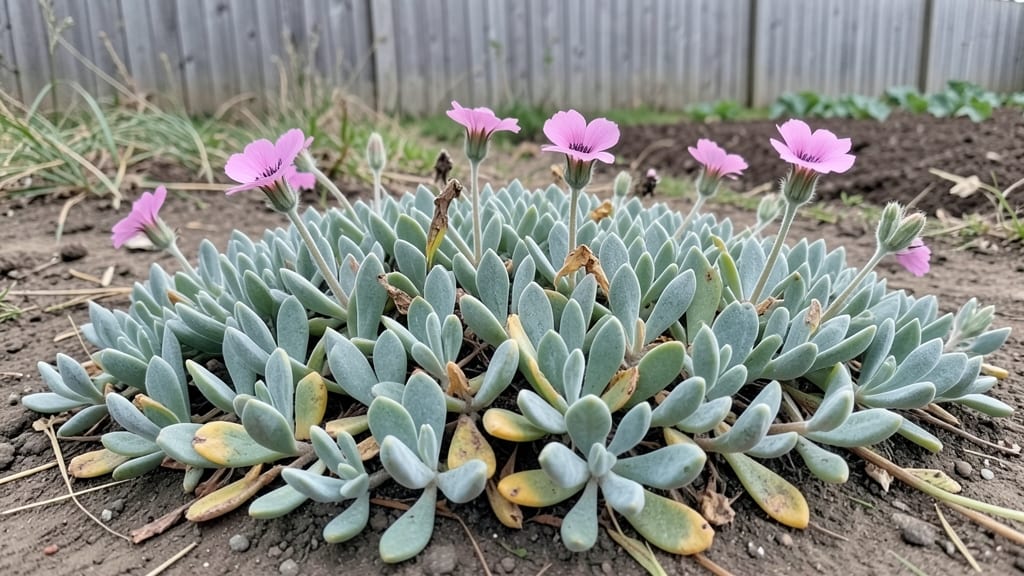
Pink flowering succulents as ground cover transform dull borders into vibrant, drought-proof carpets that beg to be touched. 🌸 I planted mine last spring along a shady patio edge, and by summer, the soft pink blooms of Delosperma markii and Sedum 'Autumn Joy' created a living rug that neighbors kept asking about.
The best part? These plants thrive on neglect—once established, they handle heat, foot traffic, and even occasional drought like pros.
These succulent ground covers work best in full sun to partial shade, though some varieties like Echeveria hybrids tolerate morning sun with afternoon relief. Pair them with lavender for contrast or let them spill over retaining walls where their trailing stems create natural cascades.
In my design, I tucked them between stepping stones to soften hard edges while keeping weeds at bay—zero mulch required. The key is spacing them 8-12 inches apart at planting to allow room for growth.
You’ll love how they stay lush and colorful from spring through fall, with some varieties like Kalanchoe blossfeldiana even flowering indoors if brought inside before frost. Maintenance is minimal: water deeply once a month after establishment, and watch them spread effortlessly.
The only trade-off? They may need dividing every 2-3 years to keep them from becoming too crowded—though that’s just free plants for friends.
Perfect for rock gardens, slopes, or container edges, these pink beauties adapt to zones 5-11 with proper winter protection (a light layer of straw mulch does the trick).
Start small with a single variety to test your site, then expand—your garden’s new star performer won’t disappoint. Ready to see how they’ll look in your space?
📚 In This Guide
- What you need
- Instructions
- Tips and common mistakes
- Wrapping up and next steps
What you need
- ● Succulent ground cover plants with pink flowers: 10–20 plants (e.g., Sedum ‘Angelina’, Delosperma ‘Pink Blush’, or Portulaca ‘Pink Beauty’)
- ● Ensure they’re drought-tolerant and thrive in full sun to partial shade.
- ● Well-draining soil: 5–10 bags of cactus/succulent mix (or amend garden soil with perlite/coarse sand for drainage).
- ● Garden bed or containers: 1–2 raised beds (12" deep) or shallow containers (6" depth) with drainage holes.
- ● Basic gardening tools: 1 trowel or hand shovel
- ● 1 pair of pruning shears
- ● 1 watering can or hose with a gentle spray nozzle
- ○ Mulch (optional but recommended): 2–3 bags of gravel, decomposed granite, or organic mulch (e.g., bark chips).
- ● Slow-release fertilizer (e.g., Osmocote for succulents)
- ● Plant labels (to track varieties)
- ● Garden gloves (for protection)
- ● Drip irrigation system (for automated watering)
- ● Compost or worm castings (to boost soil health)
Step-by-Step guide to planting succulent ground cover with pink flowers
Here’s how to create a vibrant, drought-tolerant border that thrives with minimal fuss and bursts with seasonal pink blooms.
🌱 Step 1: Prepare the Planting Area for Optimal Drainage
Succulents and their pink-flowering companions despise soggy roots, so start by amending the soil with coarse sand or perlite to improve drainage. I like to work in 2-3 inches of gritty material mixed into the top 6 inches of native soil. This prevents waterlogging while allowing roots to breathe.
Choose a site with at least 6 hours of sunlight daily—partial shade works for some varieties, but pink-flowering succulents like Sedum or Delosperma need full sun to bloom reliably. Clear any weeds or grass, then rake the soil smooth. A slight slope helps water run off instead of pooling.
🪴 Step 2: Space Plants for Full Coverage Without Crowding
For a lush ground cover effect, plant succulents 6-12 inches apart, depending on their mature size. Smaller varieties like Sedum spurium (which produces pink flowers) can go closer (6 inches), while larger ones like Echeveria need more space (12 inches). I always stagger plants in a staggered pattern—think bricks—not rows—to create a seamless, natural look.
Dig holes just deeper than the root ball but no deeper, or the plant will suffocate. Gently tease apart any circling roots before placing the succulent in its hole. Press the soil firmly around the base to eliminate air pockets, but avoid compacting it too tightly. Water lightly immediately after planting to help settle the soil.
☀️ Step 3: Water Deeply and Establish a Drought-Tolerant Routine
The first watering is critical: soak the soil deeply until water runs out the drainage layer (if planting on a slope, let gravity help distribute moisture). After that, let the soil dry completely between waterings—succulents rot faster from overwatering than they wilt from drought. I check soil moisture by sticking my finger 1 inch deep; if it’s dry, it’s time to water.
Pink-flowering succulents like Sedum or Portulaca thrive on neglect. Once established, they’ll survive on rainwater alone in many climates. Mulch with 1 inch of gravel or coarse sand (not organic mulch) to suppress weeds and reflect excess heat away from roots. This step is non-negotiable—organic mulch holds moisture and invites rot.
✂️ Step 4: Encourage Blooms with Strategic Pruning
To maximize pink flowers, deadhead spent blooms as soon as they fade by snipping stems back to the nearest leaf. This redirects the plant’s energy into producing new flowers instead of seed pods. I use clean, sharp scissors to avoid crushing stems, and I prune in the early morning when plants are hydrated and less stressed.
In late winter or early spring, give your ground cover a light trim to remove any leggy growth or dead foliage. This isn’t just for looks—it encourages bushier, more compact growth and ensures air circulates freely, reducing disease risk. Pink-flowering succulents often bloom best after a cold snap, so don’t rush to prune in fall.
🌿 Step 5: Maintain Year-Round with Seasonal Adjustments
Winter care is where many gardeners trip up. Most pink-flowering succulents are hardy, but a light dusting of mulch (like sand) protects roots from freeze-thaw cycles. In zones with harsh winters, I group plants together to share warmth and avoid planting near cold air pockets. Spring is the time to divide overcrowded clumps—simply lift, separate, and replant sections to fill gaps.
Fertilize once in early spring with a balanced, diluted succulent fertilizer (half-strength). Too much nitrogen promotes leafy growth at the expense of flowers. Watch for pests like mealybugs or scale; a neem oil spray applied in late summer keeps them at bay without harming beneficial insects. With this routine, your border will stay vibrant and blooming for years with almost no effort.
Tips & tricks for perfect succulent ground cover with pink flowers
These game-changing insights will help you create a stunning, low-maintenance border that blooms reliably year after year.
Soil Preparation Secret: Don't just amend the soil—test your native soil first! If it's heavy clay, mix in 50% more gritty material (like coarse sand or perlite) than the recommended 2-3 inches. Clay holds moisture for days, creating the perfect conditions for root rot. I've seen succulents thrive in amended clay soil that would otherwise be deadly.
Planting Layout Pro Tip: When creating that staggered brick pattern in Step 2, start with your largest plants first. Place them at the back of your border, then fill in with medium and small varieties. This creates natural depth and prevents smaller plants from getting lost. I always sketch a quick layout on graph paper first—it takes 5 minutes and saves hours of replanting!
Watering Wisdom: The "1 inch deep" moisture check in Step 3 works perfectly, but here's the real trick: water in the early morning so any excess moisture evaporates before nightfall. This prevents fungal issues that can develop when plants stay damp overnight. I set a reminder on my phone for the first few weeks to maintain consistency.
Bloom-Boosting Hack: For those late-summer pink flowers you're dreaming of, give your plants a light frost exposure in late winter. Most pink-flowering succulents like Sedum actually need this cold period to trigger blooming. If you're in a mild climate, move pots to an unheated garage for a few weeks in January. It's like giving them a natural winter chill!
Pro Tips for Succulent Ground Cover Pink Flowers
- These game-changing insights will help you create a stunning, low-maintenance border that blooms reliably year after year.
- Soil Preparation Secret: Don't just amend the soil—test your native soil first!
- Planting Layout Pro Tip: When creating that staggered brick pattern in Step 2, start with your largest plants first.
Frequently asked questions
Got questions about adding succulent ground cover with pink flowers to your garden? You’re in the right place! Here are answers to the most common queries—from planting tips to troubleshooting—so you can enjoy vibrant, low-maintenance color all year.
What’s the best succulent ground cover for pink flowers?
Top picks include Sedum ‘Angelina’ (golden foliage with pink blooms), Delosperma ‘Pink Blush’ (hardy and drought-tolerant), and Portulaca grandiflora (annual but packed with bright pink flowers). For evergreen options, try Sedum morganianum (pink-tinged leaves) or Echeveria ‘Lola’ (rosy hues).
When is the best time to plant succulent ground cover?
Plant in early spring or late summer to avoid extreme heat or frost. Succulents need time to establish roots before winter or peak summer temperatures. If planting in containers, you can extend the window slightly—just protect from frost. Pro tip: Water deeply after planting to settle the soil!
How often should I water succulent ground cover with pink flowers?
Water deeply but infrequently—about once every 1–2 weeks (less in winter). Let the top 1–2 inches of soil dry out completely before watering. Overwatering is the #1 killer! If your ground cover is in a shaded area, it may need slightly more moisture, but never let it sit in soggy soil.
What pests or diseases should I watch for in pink-flowering succulents?
Common issues include mealybugs, aphids, and fungal rot (from overwatering). Prevent pests by keeping plants healthy and spacing them well for airflow. Treat infestations with neem oil or insecticidal soap. Pro tip: Remove affected leaves immediately to stop spread!
Can I use succulent ground cover under trees or in shady spots?
Most pink-flowering succulents thrive in full sun to partial shade, but a few like Sedum ‘Dragon’s Blood’ or Hylotelephium ‘Autumn Joy’ tolerate dappled shade. Avoid deep shade—it can cause leggy growth and fewer blooms. If shade is unavoidable, choose shade-tolerant varieties and amend soil with compost for better drainage.
How do I propagate succulent ground cover to spread it faster?
Most succulents spread via stem cuttings or leaf propagation. Snip healthy stems, let them callous for 1–2 days, then place in well-draining soil. For leaf propagation (like Echeveria), lay leaves on soil and mist lightly until roots form. Pro tip: Use a sharp knife to avoid crushing stems—healthy cuttings = faster growth!
Wrapping up and next steps
Transforming your garden into a vibrant, low-maintenance paradise with succulent ground cover pink flowers is easier—and more rewarding—than you think! These drought-resistant beauties bring year-round color while demanding minimal effort, making them perfect for busy gardeners or eco-conscious landscapers.
Whether you're lining a border, filling gaps, or adding a pop of pink to rocky terrain, these plants deliver effortless charm.
Ready to get started? Pick your favorite variety, gather your supplies, and dive in—your garden’s next masterpiece is just a few steps away! 🌸✨