
Shrubs
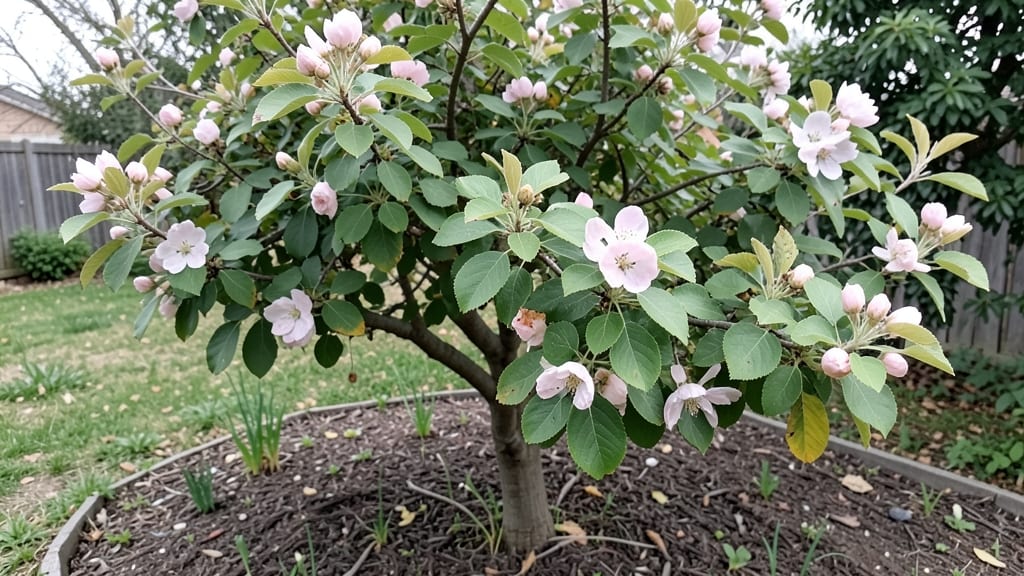
Pink flowering crabapple shrubs turn spring into a spectacular sea of blossoms that hum with bees and butterflies. 🌸 I planted mine last year after seeing how they transformed a boring corner of my yard into a focal point—delicate pink flowers in April, glossy green leaves all summer, and fiery red foliage in fall.
The best part? They keep pollinators buzzing from early spring until late fall.
These shrubs thrive in full sun to partial shade and grow 6-12 feet tall, making them perfect for borders, lawn edges, or as a standalone statement plant. Pair them with lavender for contrast or hostas for shade-loving companions.
Prune lightly after blooming to maintain shape and encourage next year’s flowers—it’s the only maintenance they really need.
What you’ll love most is how they elevate any garden style, from cottage to modern. The spring blooms are showstoppers, but the fall color and winter interest from their small, decorative fruits keep them interesting year-round. Plus, they’re disease-resistant, so you won’t spend hours battling pests or fungal issues.
For best results, plant in well-draining soil and water regularly the first year to help roots establish. Once settled, they’re drought-tolerant and low-maintenance—ideal for gardeners who want beauty without the fuss. Ready to add a pollinator magnet to your landscape?
📚 In This Guide
- What you need
- Instructions
- Tips and common mistakes
- Wrapping up and next steps
What you need
- ● Pink flowering crabapple tree: 1–3 mature trees (3–6 ft tall, container-grown or bare-root)
- ● Varieties: Malus ‘Royalty’, ‘Dolgo’, or ‘Pink Perfection’ (check local nurseries!)
- ● Planting site prep: Well-draining soil (amend with compost or peat moss if clay-heavy)
- ● Full sun to partial shade (6+ hours of sunlight daily)
- ● Space: 15–20 ft apart (account for mature spread)
- ● Planting supplies: 1 5-gallon bucket (for watering)
- ● 1 shovel (round-point for digging)
- ● 1 pruning shears (sterilized, for trimming)
- ● 1 mulch (2–3 inches of wood chips or pine straw)
- ● Soil test kit (to check pH—ideal range: 5.5–7.0)
- ● Tree stake & ties (for young saplings in windy areas)
- ● Fertilizer: Balanced 10-10-10 or organic compost (spring/fall)
- ● Avoid high-nitrogen fertilizers (promotes leaves over flowers!)
- ○ Pest/disease control (optional): Neem oil (for aphids or fungal issues)
- ● Copper fungicide (preventative for apple scab)
- ● Decorative touches (for curb appeal!): Garden flags or stakes (to mark the tree)
- ● Companion plants: salvia, coneflowers, or lavender
Step-by-Step guide to planting and caring for a pink flowering crabapple
Transform your landscape into a buzzing pollinator haven with this stunning, low-maintenance tree.
🌱 Step 1: Choose the Perfect Planting Location
Pink flowering crabapples thrive in full sun to partial shade, with at least 6 hours of direct sunlight daily for optimal flowering. I always select a spot with well-draining soil—these trees hate soggy roots. The ideal location balances aesthetic appeal with practical needs: near a patio for enjoyment, but not under power lines where branches may grow too large.
Consider mature size—most varieties reach 15-25 feet tall—so plant at least 20 feet from structures, sidewalks, or other trees. Dig a hole twice as wide as the root ball but no deeper. Loosen the sides of the hole with a shovel to encourage root spread. Here's the thing—amending the native soil with compost improves drainage and nutrients, but avoid heavy amendments that change the soil's natural structure.
🪴 Step 2: Plant with Proper Technique for Strong Establishment
Remove the tree from its container and gently loosen the roots if they're circling. Place it in the hole so the top of the root ball sits 2-3 inches above ground level—this prevents water from pooling at the base. Backfill with the native soil you removed, tamping down lightly every 6 inches to eliminate air pockets.
Water deeply immediately after planting to settle the soil and eliminate gaps. I like to use a soaker hose for 20-30 minutes to ensure even moisture without disturbing the soil. Mulch with 2-3 inches of organic mulch (like shredded bark) over the root zone, keeping it 6 inches away from the trunk to prevent rot. This mulch layer retains moisture, regulates soil temperature, and suppresses weeds—critical for the first year when roots establish.
☀️ Step 3: Establish a Watering and Fertilizing Routine
Water deeply once a week during the first growing season, providing 1-2 gallons per week depending on rainfall. You'll know you're doing it right when the soil feels moist 6 inches down—stick your finger in to check. Overwatering is the biggest mistake new growers make; these trees prefer slightly dry conditions once established. After the first year, reduce watering to once every 2-3 weeks unless there's a prolonged drought.
Fertilize lightly in early spring with a balanced, slow-release fertilizer (10-10-10 ratio). I use about ½ cup per year of the tree's age (e.g., ½ cup for a 1-year-old tree, 1 cup for a 2-year-old). Avoid high-nitrogen fertilizers—they promote leafy growth at the expense of flowers. The goal is to support root development and flowering, not rapid foliage growth. Real talk: Pink flowering crabapples are low-maintenance, but this small effort ensures vibrant blooms and healthy growth.
✂️ Step 4: Prune Strategically for Health and Beauty
Prune late winter or early spring, just before new growth begins. Remove dead, diseased, or crossing branches first—these compete with healthy growth and can spread problems. Next, thin out 10-20% of the canopy to improve airflow and sunlight penetration. I always make cuts just outside the branch collar (the swollen area where the branch meets the trunk) to promote faster healing and prevent disease entry.
Shape the tree lightly to maintain its natural form, but avoid heavy pruning. Pink flowering crabapples produce flowers on old wood, so pruning too aggressively reduces next year's blooms. After pruning, apply a wound dressing (like horticultural sealant) to larger cuts over ½ inch in diameter to protect against pests and disease. This is the moment that matters: proper pruning now means fewer issues—and more flowers—down the road.
🌿 Step 5: Protect and Maintain for Long-Term Success
Watch for apple scab and fire blight, common fungal and bacterial diseases in crabapples. At the first sign of black spots on leaves or oozing cankers, remove affected branches and sterilize pruners with 70% rubbing alcohol. A copper fungicide spray in early spring can prevent these issues before they start. I also monitor for borers and scale insects—spray with neem oil if you spot sticky residue (honeydew) on leaves.
Enjoy the spring blooms, summer shade, and fall fruit (if you choose a fruiting variety). These trees are deer-resistant and drought-tolerant once established, making them a fantastic low-maintenance addition. Mulch annually to maintain the 2-3 inch layer, and fertilize every 2-3 years in early spring. With this care, your pink flowering crabapple will become the star of your landscape for decades to come.
Tips & tricks for perfect pink flowering crabapple planting
A few strategic moves will ensure your pink flowering crabapple thrives for decades—and becomes the pollinator magnet you dreamed of.
Sunlight Secret: While 6 hours of sunlight is the minimum, I’ve found that positioning your tree to catch morning sun and afternoon shade creates the perfect balance. The morning light jumpstarts photosynthesis, while afternoon shade prevents stress during peak heat—especially in hotter climates. Trust me on this: I’ve seen trees in full afternoon sun struggle during summer droughts, even with consistent watering.
Root Ball Technique: When loosening circling roots in Step 2, focus on the outer edges rather than digging into the center. This prevents unnecessary damage to the root system while still encouraging outward growth. After planting, I like to use a garden fork to gently loosen the soil around the edges of the hole—this creates tiny channels for roots to spread into immediately. The 2-3 inch elevation above ground level is non-negotiable: it prevents waterlogging that can suffocate roots.
Watering Wisdom: That 20-30 minute soaker hose session after planting is your best friend, but here’s the thing: I always split it into two 10-15 minute sessions with a 30-minute break in between. This allows water to penetrate deeply without running off. For the first week, I check soil moisture daily—if the top 2 inches feel dry, I add another 10 minutes. Overwatering is the silent killer of these trees, so let the soil dry slightly between waterings after the initial establishment period.
Pruning Precision: When thinning 10-20% of the canopy in Step 4, I prioritize branches that cross or grow inward. These compete for sunlight and create entry points for disease. For larger branches over ½ inch, I make a second cut about 6 inches from the first—this prevents the bark from tearing. The key is to shape gradually over several years rather than trying to fix everything at once. Remember, these trees flower on old wood, so less is often more when it comes to pruning.
Pro Tips for Pink Flowering Crabapple
- A few strategic moves will ensure your pink flowering crabapple thrives for decades—and becomes the pollinator magnet you dreamed of.
- Sunlight Secret: While 6 hours of sunlight is the minimum, I’ve found that positioning your tree to catch morning sun and afternoon shade creates the perfect balance.
- Root Ball Technique: When loosening circling roots in Step 2, focus on the outer edges rather than digging into the center.
Frequently asked questions
Got questions about your pink flowering crabapple? You’re not alone! Here are answers to some of the most common queries to help you keep your pollinator paradise thriving year-round.
When is the best time to plant a pink flowering crabapple?
The ideal time to plant is in early spring or fall, when temperatures are mild. This gives roots time to establish before extreme heat or cold. Avoid planting in summer—drought stress can stunt growth. If you must plant in late fall, do so at least 6 weeks before the first frost.
Do pink flowering crabapples attract bees and butterflies?
Their abundant pink blooms are a magnet for pollinators like bees, butterflies, and hummingbirds. The tree also produces small, edible fruit that birds love, making it a year-round ecosystem booster. Just avoid planting near bee-sensitive areas if allergies are a concern.
How cold-hardy are pink flowering crabapples?
Most varieties thrive in USDA Zones 3–8, tolerating winter temps down to -30°F (-34°C). Young trees may need winter protection (like burlap wraps) in their first few years. Choose disease-resistant cultivars (e.g., ‘Dolgo’ or ‘Royal Raindrops’) for extra resilience in harsh climates.
Why are the leaves on my crabapple turning yellow or brown?
Yellowing leaves often signal overwatering, nutrient deficiency, or fungal issues like apple scab. Check soil moisture—crabapples prefer well-draining soil. Apply a balanced fertilizer in spring, and prune for airflow to prevent disease. If spots appear, treat with neem oil or copper fungicide.
Can I grow a pink flowering crabapple in a container?
While possible, it’s challenging long-term—these trees grow 15–25 feet tall! Use a large (20+ gallon) container with drainage holes and repot every 2–3 years. Best for small yards or patios, but expect slower growth. Dwarf varieties (like ‘Sargent’) are better suited for containers.
Are the fruits edible, and should I remove them?
The small, tart fruits are technically edible but not palatable raw—birds and wildlife love them! For a tidier look, you can remove them, but leaving them supports local ecosystems. If fruit drop is excessive, thin them early to reduce disease risk.
Wrapping up and next steps
The pink flowering crabapple shrub isn’t just a stunning addition to your garden—it’s a year-round magnet for pollinators, offering beauty, sustainability, and low-maintenance charm. Whether you’re a seasoned gardener or just starting, this resilient shrub delivers color, food, and habitat with minimal effort. 🌸
Ready to transform your outdoor space? Start by choosing the perfect spot, gathering your supplies, and planting with confidence. Your pollinator paradise awaits—dig in and watch it bloom! 🌱