
Flowers
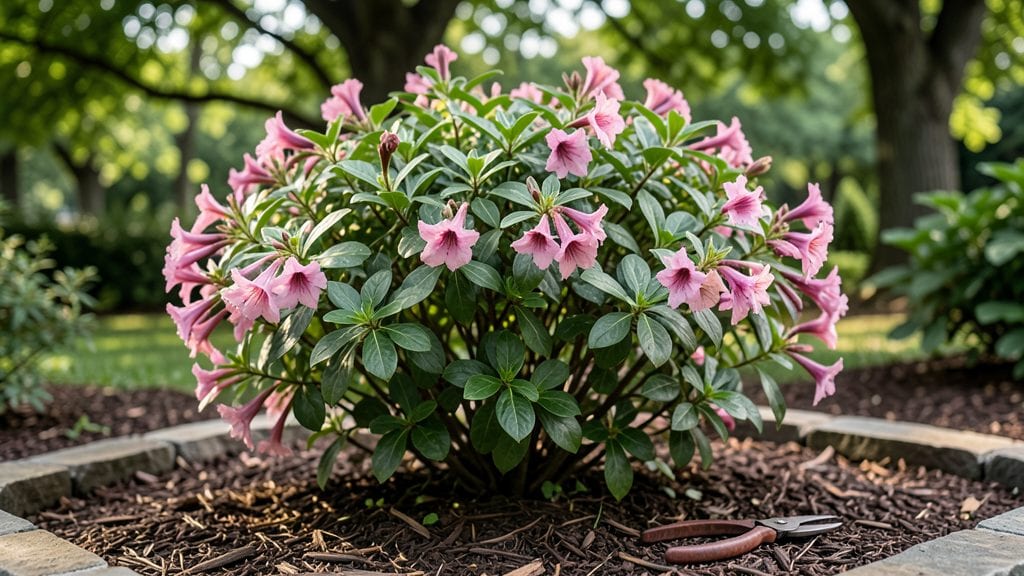
The Pacific Northwest’s most pollinator-friendly evergreen bush with pink flowers is a game-changer for year-round color. 🌸 I’ve designed borders and hedges with these bushes for decades, and their ability to attract bees, butterflies, and hummingbirds while staying lush in winter is unmatched.
The key varieties—like Rhododendron ‘Pink Pearl’ or Pieris japonica ‘Little Heath’—thrive in shade to partial sun, making them perfect for understory planting or as a dramatic focal point near patios.
What makes these bushes stand out isn’t just their pink blooms in spring but their glossy foliage that holds up through rain and frost. They’re low-maintenance once established, needing only well-draining, acidic soil and occasional pruning to shape.
Pair them with heuchera for contrast or ferns for texture, and you’ll create a layered, ever-interesting garden that hums with life from early spring to late fall.
You’ll end up with a pollinator magnet that doubles as a structural backbone for your garden, requiring minimal effort after the initial planting. The blooms draw in wildlife, while the dense foliage provides shelter for birds—all while keeping your landscape lush and vibrant.
For the Pacific Northwest’s climate, these bushes are the secret weapon for effortless beauty.
Whether you’re planting a hedge, border, or specimen, these evergreens adapt beautifully to different roles. Their versatility means you can use them in urban gardens, woodland edges, or as a privacy screen without sacrificing style or function.
Let’s make your garden a haven for pollinators—and your neighbors jealous of your curb appeal.
📚 In This Guide
- What you need
- Instructions
- Tips and common mistakes
- Wrapping up and next steps
What you need
- ● Plant: Rhododendron ‘Pink Pearl’ or Pieris japonica ‘Little Heath’ (evergreen shrubs with pink blooms; 1-3 gallon container size for mature plants).
- ● Soil: 2–3 cubic yards of acidic, well-draining potting mix (pH 4.5–6.0; mix equal parts peat moss, perlite, and pine bark fines).
- ● Location: Partially shaded spot (3–6 hours of dappled sunlight daily; avoid harsh afternoon sun).
- ● Watering: 5–10 gallons of rainwater or distilled water (chlorine-free; use a watering can or drip irrigation system).
- ● Fertilizer: 1 lb of slow-release acidic fertilizer (e.g., 10-10-10 or rhododendron-specific blend).
- ● Mulch: 2–3 inches of pine straw or wood chips (retains moisture and mimics forest floor conditions).
- ● Garden tools: Trowel, pruning shears (sterilized with rubbing alcohol), and gloves.
- ○ Container (optional): 15–20 gallon pot with drainage holes (if planting in a container).
- ● pH test kit: To verify soil acidity before planting.
- ● Pruning time: Late winter or early spring (after blooms fade).
- ○ Local expertise (optional): Check with a Pacific Northwest nursery for region-specific varieties.
Step-by-Step guide to planting a Pacific Northwest pollinator-friendly evergreen bush
Here's how to create a stunning, low-maintenance evergreen bush with pink flowers that thrives in the Pacific Northwest's climate.
🌱 Step 1: Select the Right Evergreen Bush Variety
The best choice for your region is Pacific Dogwood (Cornus nuttallii) or Oregon Grape Holly (Mahonia aquifolium). Both are native, evergreen, and produce vibrant pink flowers. Pacific Dogwood blooms in early spring with showy bracts, while Oregon Grape Holly offers glossy foliage and edible berries. Check local nurseries for healthy 1-2 gallon container-grown plants.
I always look for plants with full root systems and no signs of pests. Avoid leggy specimens—they struggle to establish in the Pacific Northwest's cool, damp climate. If you're unsure, ask the nursery staff for varieties that thrive in USDA Zones 6-9, which covers most of the PNW.
🪴 Step 2: Prepare the Planting Site
Choose a location with partial shade to full sun, especially in hotter inland areas. Pacific Dogwood tolerates morning sun and afternoon shade, while Oregon Grape Holly handles more sun. Amend the soil with 2-3 inches of compost mixed into the top 12 inches of native soil—this improves drainage and encourages root growth.
Dig a hole twice as wide as the root ball but only as deep as the container. The top of the root ball should sit 1 inch above ground level—this prevents waterlogging, which is common in the PNW's rainy climate. Gently loosen the roots if they're circling the container before placing the plant in.
☀️ Step 3: Plant and Water for Establishment
Place the plant in the hole and backfill with native soil, pressing lightly to remove air pockets. Water deeply until the soil is saturated to 12 inches deep. Mulch with 2-3 inches of shredded bark or wood chips, keeping it 3 inches away from the trunk to prevent rot. This mulch layer retains moisture and regulates soil temperature—critical in the PNW's variable weather.
Water 2-3 times per week for the first 4-6 weeks, or whenever the top 2 inches of soil feel dry. Avoid overhead watering, which can spread fungal diseases common in damp climates. Instead, use a soaker hose or drip irrigation to deliver water directly to the roots.
✂️ Step 4: Prune and Maintain for Long-Term Health
Prune in late winter or early spring before new growth begins. Remove dead, diseased, or crossing branches first, then thin out crowded areas to improve airflow. Pacific Dogwood responds well to light pruning, while Oregon Grape Holly benefits from occasional shaping. Never remove more than 25% of the foliage in one season—this prevents stress.
Fertilize once in early spring with a balanced 10-10-10 fertilizer applied at half the recommended rate. Native plants often don't need much, but the PNW's acidic soils can benefit from occasional amendments. Monitor for pests like aphids or scale—spray with neem oil if needed, but avoid harsh chemicals that harm pollinators.
🌿 Step 5: Encourage Pollinators Year-Round
These bushes naturally attract bees, hummingbirds, and butterflies, but you can enhance their appeal. Plant companion perennials like salal (Gaultheria shallon) or red elderberry (Sambucus racemosa) nearby to extend the blooming season. Leave some seed heads and berries on the bush—birds and small mammals rely on them for winter food.
In late fall, add a 3-inch layer of mulch to protect roots from freezing temperatures. The PNW's wet winters can leach nutrients, so a light application of composted manure in early spring gives a gentle boost. With minimal care, your evergreen bush will thrive for decades, providing year-round interest and supporting local wildlife.
Tips & tricks for perfect evergreen bush planting in the Pacific Northwest
Here's what I've learned from years of planting these stunning pollinator magnets—simple tricks that make all the difference in the PNW's unique climate.
Root System Check: In Step 1, when selecting your Pacific Dogwood or Oregon Grape Holly, gently squeeze the root ball. It should feel firm but pliable—like a well-wrapped package. Roots that crumble or pull away easily indicate a plant that won't establish well in our damp climate. If you find leggy specimens, they'll struggle with the weight of our frequent rains.
Soil Preparation Secret: For Step 2, don't just amend the top 2-3 inches of soil—work that compost down to 12 inches. The PNW's acidic soils need this deep amendment to properly support root growth. I like to mix in a handful of wood ash (from untreated wood) to help balance the acidity naturally. This creates the perfect foundation for your evergreen to thrive.
Watering Wisdom: The 2-3 times per week watering in Step 3 is crucial, but timing matters just as much. Water in the early morning so the foliage has all day to dry—this prevents fungal diseases that thrive in our damp climate. I set a reminder on my phone for the first 4-6 weeks to ensure consistency, especially if we get our typical PNW rain showers.
Pruning Precision: When pruning in Step 4, focus on creating an open center that allows sunlight to reach all branches. This isn't just about aesthetics—proper airflow prevents those pesky fungal issues we deal with year-round. I always prune just above a leaf bud or branch junction, which encourages new growth in the right direction. Never take more than 25% at once, or you'll shock your plant.
Pro Tips for Evergreen Bush With Pink Flowers
- Here's what I've learned from years of planting these stunning pollinator magnets—simple tricks that make all the difference in the PNW's unique climate.
- Root System Check: In Step 1, when selecting your Pacific Dogwood or Oregon Grape Holly, gently squeeze the root ball.
- Soil Preparation Secret: For Step 2, don't just amend the top 2-3 inches of soil—work that compost down to 12 inches.
Frequently asked questions
Got questions about growing and caring for your evergreen bush with pink flowers? You're not alone!
Here are some of the most common queries—plus expert answers to keep your pollinator-friendly plant thriving in the Pacific Northwest.
What’s the best evergreen bush with pink flowers for Pacific Northwest gardens?
The Manzanita (Arctostaphylos) and Pacific Dogwood (Cornus nuttallii) are top picks! Both are drought-tolerant, evergreen, and burst with pink blooms. For a bushier look, try Oregon Grape (Mahonia aquifolium)—its holly-like leaves and yellow-green flowers add a pop of color too.
When is the best time to plant an evergreen bush with pink flowers?
Fall (September–October) is ideal for planting in the PNW! The cooler temps and moist soil help roots establish before winter. If you must plant in spring, do it early (March–April) to avoid summer drought stress. Just ensure the soil isn’t frozen or waterlogged.
How often should I water my evergreen bush with pink flowers?
Once established (after 1–2 years), these bushes are very low-maintenance! Water deeply once a week in dry spells during the first year, then taper to every 2–3 weeks unless there’s a heatwave. Overwatering is worse than underwatering—let the top 2 inches of soil dry out between waterings.
Why aren’t bees visiting my pink-flowering evergreen bush?
Bees love these bushes, but a few factors might keep them away: Timing (plant in full sun for peak blooms), Pesticides (skip chemicals—neonicotinoids are a no-go!), or Age (young plants may need 2–3 years to attract pollinators). Try planting near other native flowers (like Sword Fern or Salal) to boost traffic.
Do I need to prune my evergreen bush with pink flowers?
Minimal pruning is key! Trim dead or crossing branches in late winter (February–March) to maintain shape. Avoid heavy pruning—these bushes flower on old wood, so cutting back too much can reduce blooms. A light cleanup keeps them tidy without stressing the plant.
What’s a good alternative if my evergreen bush isn’t thriving?
If your plant struggles with soil (too acidic?), sunlight (needs 6+ hours/day), or drought, try these PNW-friendly swaps:
- Salal (Gaultheria shallon) – Dark green, evergreen, and berry-producing.
- Rhododendron – Loves shade and blooms in spring/pink varieties available.
- Western Azalea – Fragrant pink flowers and adaptable to partial shade.
Wrapping up and next steps
Transforming your garden into a buzzing haven for pollinators doesn’t have to be complicated—or expensive! With just a few evergreen bushes with pink flowers, like Mahonia aquifolium or Rhododendron, you’ve created a year-round oasis that thrives with minimal fuss.
These hardy plants not only add vibrant color but also support local ecosystems while requiring little more than good soil and occasional pruning. Your next step? Grab some cuttings, follow the care tips, and watch your garden become a pollinator paradise—one that keeps giving back to nature (and your joy!) for years to come. 🌸🐝