Flowers
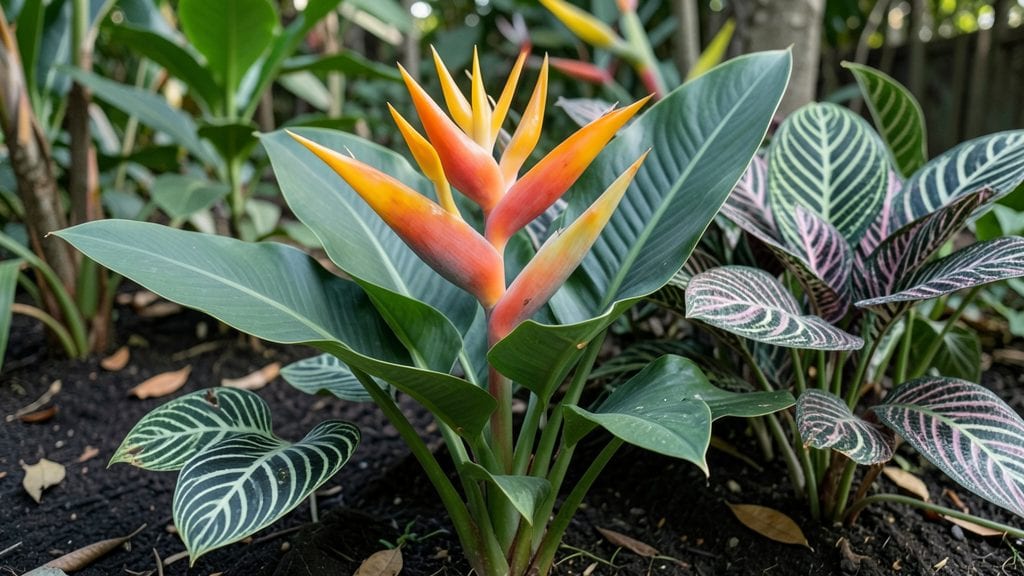
Transforming your garden borders into a tropical paradise starts with the right flowers and leaves—think velvety cannas, neon-colored caladiums, and the deep green of bird-of-paradise. 🌺 The key isn’t just picking plants; it’s layering textures and colors to create that jungle-meets-balcony magic.
I’ve designed borders that feel like a vacation, even in a small yard, by mixing bold blooms with glossy foliage that pops against any backdrop.
You don’t need a greenhouse or a humid climate to pull this off—just a sunny spot and a few smart plant pairings. Start with tall statement plants like hibiscus or ginger lilies as your backbone, then weave in trailing pothos or sweet potato vine for that draping, tropical effect.
The color schemes? Go for high-contrast combos like deep purple black mondo grass with chartreuse variegated leaves, or fiery red cannas against black soil for drama. Even modern or cottage gardens can steal this look with the right edits.
What you’ll end up with is a border that feels alive—velvety to the touch, fragrant on warm evenings, and impossible to ignore. The leaves alone tell a story: waxy, glossy, or feathery, they create depth that flowers can’t. And the best part?
These plants thrive in containers too, so you can create mini tropical oases on patios or balconies. Let’s talk specifics—where to place them, how to mix them, and which combos steal the show.
Whether you’re going full jungle vibes or just adding a few tropical accents, the secret is confidence in layering. Start small with one bold leaf or flower, then build from there—your garden will thank you with color that lasts all season.
The payoff? A space that feels like an escape, no passport required.
📚 In This Guide
- What you need
- Instructions
- Tips and common mistakes
- Wrapping up and next steps
What you need
- ● Tropical plants: 1–3 Heliconia (for bold, banana-like blooms)
- ● 2–4 Bird of Paradise (Strelitzia nicolai or reginae)
- ● 3–5 Bromeliads (e.g., Aechmea or Neoregelia) for texture
- ● 1–2 Canas (e.g., Canna indica) for height and drama
- ● 3–4 Tropical hibiscus (Hibiscus rosa-sinensis) for vibrant blooms
- ● 5–7 Calathea or Maranta (for lush, patterned foliage)
- ● Soil: 1–2 bags of well-draining potting mix (or garden soil amended with compost)
- ○ Optional: Perlite or orchid bark (1 part per 3 parts soil) for aeration
- ● Gardening tools: 1 trowel or hand shovel
- ● 1 pair of pruning shears
- ● 1 garden fork (for loosening soil)
- ● 1 watering can or hose with a gentle spray nozzle
- ○ Optional (but helpful!): Mulch (e.g., pine bark or cocoa hulls) to retain moisture
- ● Slow-release fertilizer (e.g., osmocote or fish emulsion)
- ● Decorative stones or pebbles (for a polished look)
- ● Garden gloves (to protect your hands!)
- ● A sunny to partially shaded garden border (most tropicals thrive in 6+ hours of indirect light)
- ● Access to water (tropical plants love consistent moisture!)
- ● Patience! Some plants (like Heliconia) take 1–2 years to reach full bloom.
How to design a stunning tropical garden border
Here's the method I've used to create bold, year-round color—no matter your climate.
🌿 Step 1: Select the Right Tropical Plants for Your Climate
Start with plants that thrive in your hardiness zone. For cooler climates, choose cold-hardy tropicals like canna lilies or elephant ears, which survive down to 20°F. Warmer zones can handle hibiscus, plumeria, or bird-of-paradise. I always check the USDA zone range before buying—some tropicals need winter protection even in mild areas.
Mix textures for visual interest: pair broad-leaved monstera with spiky yucca and delicate ginger lilies. The contrast between glossy leaves and bold blooms creates that lush, layered look. I like to group 3-5 plants of each type for maximum impact—single plants get lost in a border.
☀️ Step 2: Prepare the Soil for Tropical Lovers
Tropical plants crave rich, well-draining soil with plenty of organic matter. Amend your native soil with 3-4 inches of compost and a handful of perlite to prevent waterlogging. I dig down 12 inches deep to loosen compacted layers—tropical roots need room to spread.
For containers, use a mix of 50% potting soil, 30% coconut coir, and 20% perlite. The coir holds moisture while the perlite prevents root rot. Test your soil's pH—most tropicals prefer 6.0-7.5. If yours is too acidic, add crushed limestone to raise the pH gradually.
🪴 Step 3: Plant in Layers for Depth and Movement
Begin with tall plants at the back (like 6-foot canna lilies), then mid-height accents (such as 3-foot hibiscus), and finish with low-growing foliage (like caladiums). Space plants 18-24 inches apart—crowding leads to disease and weak stems. I always plant in clusters of 3 or 5 for a natural, full look.
Dig holes twice as wide as the root ball but only as deep. The top of the root ball should sit 1 inch above soil level—burying too deep suffocates roots. Water deeply right after planting to settle the soil and eliminate air pockets. Mulch with 2-3 inches of shredded bark to retain moisture and protect roots from temperature swings.
💧 Step 4: Water and Fertilize for Year-Round Color
Tropical plants need consistent moisture—water when the top 2 inches of soil feel dry. In hot climates, that might mean daily watering; in cooler areas, every 2-3 days suffices. I use drip irrigation to deliver water at the base, reducing leaf diseases. Avoid overhead watering after dark—wet foliage invites fungal problems.
Feed with a balanced liquid fertilizer (10-10-10) every 4-6 weeks during growing season. For flowering plants, switch to a high-phosphorus formula (5-10-5) when buds form. I also top-dress with worm castings twice a year to boost soil health naturally.
✂️ Step 5: Prune and Protect for Seasonal Changes
Deadhead spent blooms regularly to encourage new flowers. For canne lilies, cut back stems to 6 inches after flowering to redirect energy to next year's growth. In fall, trim back any frost-damaged foliage but leave 3-4 inches of stem—new growth emerges from the base in spring.
For winter protection, wrap tender plants in burlap and cover with straw mulch (6-8 inches deep). In containers, move plants to a garage or shed (above freezing) and reduce watering to once every 2 weeks. I always mark protected plants with flags so I remember where they are in spring.
Tips & tricks for perfect tropical garden borders
Here's what nobody tells you about creating tropical borders that stay vibrant all season long.
Climate-Smart Plant Pairing: In Step 1, when selecting tropical plants, consider pairing cold-hardy tropicals like canna lilies with more tender varieties like plumeria. This creates a layered look where the hardy plants provide structure while the tender ones add bursts of color. For example, I've found that pairing canna lilies (which survive down to 20°F) with hibiscus (which needs winter protection) creates a stunning contrast that works beautifully in transitional zones.
Soil Prep Pro Tip: When preparing your soil in Step 2, don't just amend the surface—focus on that deep 12-inch dig. I've seen gardeners skip this step and end up with plants that struggle to establish roots. For extra insurance, mix in a handful of mycorrhizal fungi with your compost. These beneficial fungi help plant roots absorb nutrients more efficiently, giving your tropical plants a stronger start.
Layering Like a Pro: In Step 3, when creating your layered design, think about the "rule of thirds" for visual balance. Place your tallest plants (like 6-foot canna lilies) at the back third of your border, mid-height plants (3-foot hibiscus) in the middle, and low-growing foliage (caladiums) in the front. This creates depth and draws the eye through your garden. I also recommend leaving 6-12 inches of space at the front edge for easy maintenance access.
Winter Protection Hacks: For Step 5's winter protection, here's my game-changer: instead of just wrapping plants in burlap, create a mini greenhouse effect. After wrapping, place clear plastic domes (like those used for seed starting) over the entire plant. This traps warmth while still allowing light to penetrate. For container plants, I use insulated plant saucers filled with straw to keep roots warm from below. This extra layer of protection has saved my tropical plants through winters as cold as 15°F!
Pro Tips for Tropical Flowers And Leaves
- Here's what nobody tells you about creating tropical borders that stay vibrant all season long.
- Climate-Smart Plant Pairing: In Step 1, when selecting tropical plants, consider pairing cold-hardy tropicals like canna lilies with more tender varieties like plumeria.
- Soil Prep Pro Tip: When preparing your soil in Step 2, don't just amend the surface—focus on that deep 12-inch dig.
Frequently asked questions
Got questions about tropical flowers and leaves?
Here are answers to the most common ones to help you create stunning garden borders with ease!
What are the best low-maintenance tropical flowers for beginners?
Start with Heliconia, Bird of Paradise, or Plumeria—they’re hardy, drought-tolerant, and thrive in warm climates. For foliage, Monstera deliciosa or Alocasia add drama with minimal fuss. Just ensure they get bright, indirect light and well-draining soil!
How long does it take for tropical flowers to bloom after planting?
Most tropical flowers take 3–6 months to bloom after planting, depending on the variety and care. For example, Ixora blooms faster (2–3 months), while Orchids may take up to a year. Patience pays off—consistent watering and sunlight speed up the process!
Can I mix tropical flowers with other plants in garden borders?
Pair tropical blooms like Bougainvillea or Hibiscus with Palm trees or Fern varieties for texture. Just match their sunlight needs—most tropicals love full sun, while ferns prefer shade. Avoid overcrowding to prevent disease.
Why are my tropical leaves turning yellow or brown?
Yellowing leaves often mean overwatering or poor drainage, while brown edges signal underwatering or sunburn. Check soil moisture (top inch should be dry) and ensure pots/containers have drainage holes. Move plants to partial shade if leaves look crispy!
Do tropical flowers survive winter, or should I bring them indoors?
Most tropicals are not frost-hardy, so move potted plants indoors (or to a garage) when temps drop below 50°F (10°C). For in-ground plants, mulch heavily and cover with burlap. If you’re in a mild climate, Plumeria or Bromeliads may tolerate brief cold snaps.
Wrapping up and next steps
From the bold hues of hibiscus to the delicate charm of bird-of-paradise, tropical flowers and leaves bring a burst of life to any garden border. 🌺 Their low-maintenance beauty and versatility make them perfect for adding drama, texture, and color—whether you’re a seasoned gardener or just starting out. Now’s the time to let your creativity bloom!
Ready to transform your outdoor space? Start small—pick one or two standout varieties, sketch a simple layout, and dive in! Need inspiration? Browse our plant pairings guide or visit a local nursery to see these tropical gems in person. Happy gardening! 🌿