Flowers
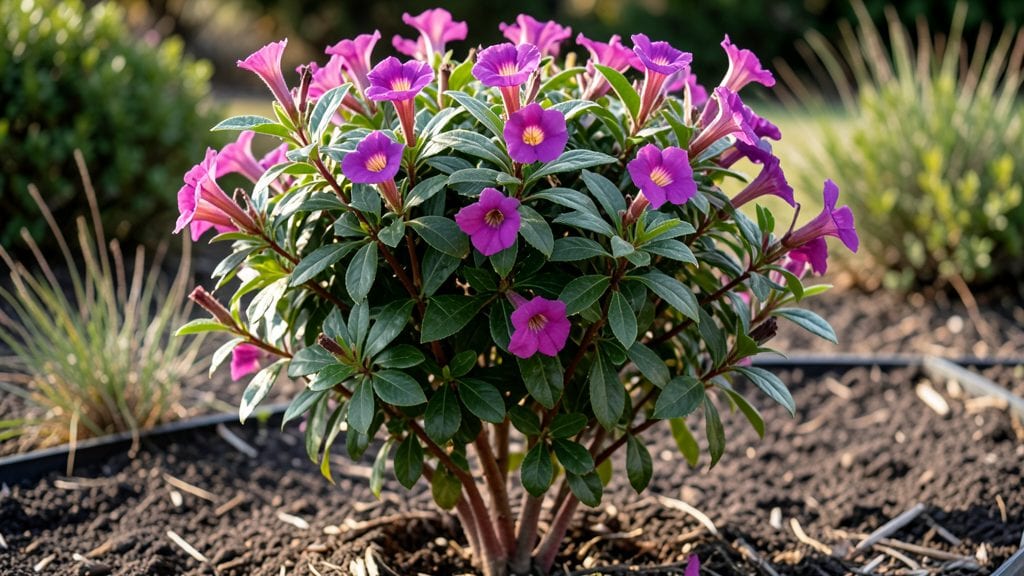
That evergreen bush with purple flowers I planted last spring is now the star of my Pacific Northwest garden—hummingbirds swarm it from March to October, and it stays lush even in winter. 🌿 The moment I spotted Weigela florida at the nursery, I knew it would be perfect: its arching branches, deep green leaves, and clusters of trumpet-shaped blooms in shades of pink, purple, and white create a show that never stops.
This bush thrives in the PNW’s mild winters and loves partial shade to full sun, making it ideal for borders, hedges, or as a focal point near patios.
I paired mine with heucheras for their silvery foliage and salmonberry for a pop of orange berries—together, they create a layered look that hummingbirds can’t resist. The best part? It’s low-maintenance once established, with minimal pruning needed to keep its shape tidy.
By summer, your bush will be covered in blooms, attracting pollinators and adding vertical interest to your garden. The dark green leaves provide structure year-round, while the flowers bring color even in late fall.
Hummingbirds will return season after season if you keep it healthy—just feed them a little sugar water nearby for extra appeal.
Works beautifully in coastal gardens, urban yards, or woodland edges. If you love purple flowers that last, this is the plant to steal the show without stealing all the attention from your other favorites.
📚 In This Guide
- What you need
- Instructions
- Tips and common mistakes
- Wrapping up and next steps
What you need
- ● 1-3 healthy nursery-grown plants (3-5 ft tall, depending on desired fullness; check local PNW nurseries for native varieties).
- ● High-quality native soil mix (or amend garden soil with 50% compost + 50% peat moss or coconut coir for drainage).
- ● Organic mulch (3-4 inches of cedar chips, pine bark, or leaf mold to retain moisture and suppress weeds).
- ● Slow-release organic fertilizer (e.g., 10-10-10 or fish emulsion; apply once per year in early spring).
- ● Drip irrigation system or soaker hose (for consistent moisture, especially in dry summers).
- ● Pruning shears (sterilized, sharp, and bypass-style for clean cuts).
- ● Gloves & knee pads (for comfort during planting and maintenance).
- ● Trowel or spade (for digging holes; 12-18 inches wide/deep).
- ● pH test kit (ideal soil pH: 5.0–6.5 for most PNW evergreens).
- ● Epsom salt (magnesium sulfate) (1 tbsp per plant annually to boost purple flower intensity).
- ○ Hummingbird feeder (optional but highly encouraged—place 3-5 ft from the bush!).
- ● Native companion plants (e.g., Sword Fern or Salmonberry for layered texture).
Step-by-step guide to planting an evergreen bush for year-round hummingbird appeal
Here's how to transform your Pacific Northwest garden into a hummingbird haven with a stunning evergreen shrub.
🌱 Step 1: Select the Perfect Location for Sun and Shelter
Choose a spot that gets at least 6 hours of sunlight daily—morning sun with afternoon shade works best in the PNW's cooler climate. I always check for wind exposure too; evergreens need protection from harsh coastal winds. A south-facing wall or fence provides natural shelter while maximizing sun exposure.
Dig a hole twice as wide as the root ball but no deeper. The top of the root ball should sit 1 inch above ground level—this prevents waterlogging during our rainy winters. Amend the native soil with 3 inches of compost mixed into the bottom of the hole to improve drainage and fertility.
🪴 Step 2: Plant and Water for Immediate Establishment
Gently remove the plant from its container and loosen any circling roots with your fingers. Position it in the hole so the root flare (where roots meet trunk) is visible above the soil line. Backfill with native soil mixed with the remaining compost, tamping lightly every 2 inches to eliminate air pockets.
Water deeply right after planting—1 gallon per week for the first month, even if it rains. You'll know it's enough when water drains freely from the bottom of the hole. Mulch with 2-3 inches of wood chips around the base, keeping it 6 inches away from the trunk to prevent rot.
☀️ Step 3: Maintain Year-Round Hummingbird Appeal
Prune lightly in late winter to shape the bush and remove any dead or crossing branches. I never cut more than 1/3 of the plant at once—this ensures the evergreen stays dense and provides continuous cover for hummingbirds. Fertilize once in early spring with a 10-10-10 balanced fertilizer at half strength.
Watch for purple flower clusters in late spring—this is your signal that hummingbirds will visit. Leave any spent blooms on the plant; they provide winter interest and seed for birds. In drought years, water every 7-10 days until new growth appears, then reduce to every 2 weeks.
⏰ Step 4: Winter Care for Next Season's Blooms
Evergreens in the PNW need extra protection during our wet winters. Apply a 3-inch layer of mulch in late fall to insulate roots. I also spray the foliage with anti-desiccant in late winter if we get heavy snow—this prevents winter burn from cold winds.
The key to year-round appeal is consistent care. You'll see hummingbirds return annually if you maintain the plant's health and provide water during dry spells. By next spring, your bush will be a vibrant purple magnet that keeps these tiny visitors coming back all season.
Tips & tricks for perfect evergreen bush planting
A few simple tricks will help you create a thriving hummingbird magnet that keeps these tiny visitors coming back all season.
Sunlight Secret: That 6 hours of sunlight daily is non-negotiable for purple flower production. In the PNW's cooler climate, morning sun with afternoon shade prevents stress. I always check for wind exposure first—harsh coastal winds can stunt growth. If you're planting near the coast, consider a windbreak like a fence or wall to protect your bush.
Root Ball Position: The 1 inch above ground level rule is critical—it prevents waterlogging during our rainy winters. I've seen too many plants rot because they were planted too deep. Use a level to ensure the root flare is visible above the soil line. This small detail makes all the difference in long-term plant health.
Watering Wisdom: That 1 gallon per week for the first month is a minimum, not a maximum. Check soil moisture by sticking your finger 2 inches down—if it's dry, water again. Evergreens need consistent moisture to establish strong roots. In drought years, you'll need to increase to every 7-10 days as mentioned, but don't let the soil dry out completely.
Pruning Strategy: When pruning in late winter, I always cut at a 45-degree angle just above a leaf node. This encourages new growth while maintaining the bush's dense shape. Never remove more than 1/3 of the plant at once—this ensures continuous cover for hummingbirds throughout the year.
Pro Tips for Evergreen Bush With Purple Flowers
- A few simple tricks will help you create a thriving hummingbird magnet that keeps these tiny visitors coming back all season.
- Sunlight Secret: That 6 hours of sunlight daily is non-negotiable for purple flower production.
- Root Ball Position: The 1 inch above ground level rule is critical—it prevents waterlogging during our rainy winters.
Frequently asked questions
Got questions about growing and caring for your evergreen bush with purple flowers? You’re not alone! Here are some of the most common queries from gardeners in the Pacific Northwest—plus expert answers to keep your hummingbird magnet thriving year-round.
What’s the best evergreen bush with purple flowers for attracting hummingbirds year-round?
The Pacific Dogwood (Cornus nuttallii) and Salal (Gaultheria shallon) are top picks! Both are native to the PNW, evergreen, and produce stunning purple blooms that hummingbirds adore. For a bushier option, Oregon Grape (Mahonia aquifolium) offers clusters of purple flowers and berries—just ensure it’s planted in partial shade.
When is the best time to plant this bush in the Pacific Northwest?
Plant in early spring (March–April) or fall (September–October) for optimal root establishment. Avoid summer heatwaves or winter frosts, which can stress young plants. If planting in containers, do it anytime—just keep the soil consistently moist until established!
How often should I water my evergreen bush with purple flowers?
Newly planted bushes need deep watering 2–3 times per week for the first year. Once established, they’re drought-tolerant but appreciate 1 inch of water weekly during dry spells. Pro tip: Mulch around the base to retain moisture and protect roots from temperature swings!
Why aren’t my purple flowers blooming this year?
Lack of blooms often signals over-fertilization (too much nitrogen), poor sunlight, or stress from pests/disease. Check your bush’s location—most need partial sun (3–6 hours/day). Prune dead branches in late winter and fertilize lightly with a low-nitrogen, high-phosphorus blend in early spring to encourage flowers.
Are there any non-toxic alternatives if I have pets or kids?
Yes! Salal (Gaultheria shallon) and Red Huckleberry (Vaccinium parvifolium) are pet-safe evergreens with purple-tinged foliage and flowers. Avoid Oregon Grape if you have cats—its berries can cause mild stomach upset. Always research before planting near curious paws!
What pests should I watch for with these bushes?
Keep an eye out for aphids, spider mites, and scale insects, which thrive in dry conditions. Treat infestations early with neem oil or insecticidal soap. Birds and lizards are natural predators—encourage them by adding a small water feature nearby!
Still stumped? Drop your question in the comments—we’re happy to help your PNW garden bloom with color and life!
Wrapping up and next steps
Transforming your garden into a vibrant hummingbird haven is easier than you think! The evergreen bush with purple flowers—like Pacific Northwest favorites—offers year-round beauty and pollinator power. With the right care, you’ll enjoy a thriving, low-maintenance plant that keeps your space lively and buzzing with life.
Ready to get started? Pick your favorite variety, gather your supplies, and plant with confidence! 🌿 Whether you’re a seasoned gardener or a beginner, this bush is the perfect way to add color, charm, and a touch of magic to your outdoor space.