Shrubs
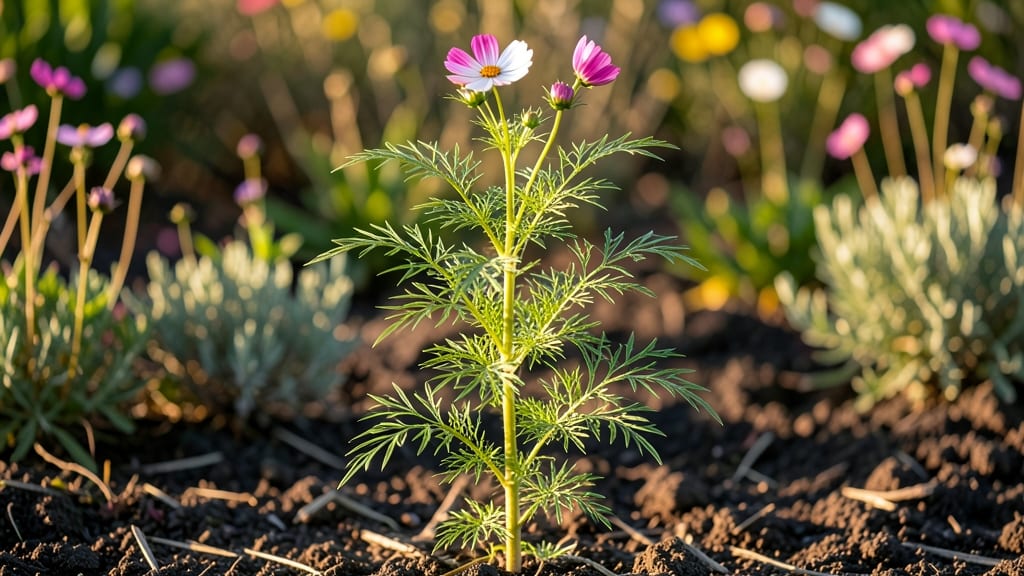
Cosmos before flowering is where the magic happens—those feathery green leaves hold the secret to your future blooms. 🌿 I’ve watched my Pacific Northwest cosmos go from scraggly to showstopping by focusing on the early stages, and the difference is night and day.
The right soil, spacing, and watering routine now means taller stems, stronger roots, and blooms that last from summer into fall.
Start with well-draining soil—cosmos hate soggy feet—and space plants 12 to 18 inches apart to give them room to breathe. Water deeply once a week, letting the soil dry slightly between sessions.
This isn’t about pampering; it’s about teaching your plants to develop resilience from the start. Skip the fertilizers here—cosmos thrive on neglect once established, but they need a strong foundation.
Pinch back the tips of young plants when they’re about 6 inches tall to encourage bushier growth. It’s counterintuitive, but those early cuts trigger more branches, which means more flowers later.
By mid-summer, you’ll have stems packed with buds instead of a few lonely blooms. The payoff? A cloud of vibrant pink, white, or red that attracts pollinators all season long.
This method works especially well in the Pacific Northwest’s cooler, wetter climate—cosmos stay healthier longer and handle the rain better than store-bought plants. Once you master the early care, you’ll wonder why you ever struggled with floppy stems or sparse blooms. Let’s get those plants prepped for their big debut.
📚 In This Guide
- What you need
- Instructions
- Tips and common mistakes
- Wrapping up and next steps
What you need
- ● Pruning shears: Sharp, bypass-style shears (1 pair) for clean cuts—avoid dull blades that crush stems!
- ● Gloves: Heavy-duty gardening gloves (1 pair) to protect against thorns and dirt.
- ● Disinfectant: 70% isopropyl alcohol (small bottle) or a gardening disinfectant spray to sterilize tools between cuts.
- ● Rubbing alcohol wipes: 3–5 wipes for quick tool cleaning in the field.
- ○ Pruning saw (optional): For thicker stems (if your cosmos plants are woody)—folding saw with 7–8" blade.
- ● Timing: Prune on a dry, overcast day (early morning is ideal) to minimize stress on plants.
- ● Weather check: Ensure no rain is forecasted for 24–48 hours post-pruning.
- ● Plant health: Wait until cosmos have 4–6 true leaves (not just cotyledons) and are at least 6 inches tall.
- ● Tools check: Sharpen shears and test disinfectant to avoid spreading disease.
- ● 🌡️ Pacific Northwest note: Cosmos thrive in cooler temps—prune 1–2 weeks earlier than in warmer climates to avoid fungal risks.
- ● ✨ Mulch ready: Have 2–3 inches of organic mulch (straw or shredded bark) on hand to reduce soil-borne pathogens post-pruning.
- ● 📊 Labeling: Mark pruned plants with biodegradable plant tags if testing different pruning techniques.
Step-by-step guide to pruning cosmos before flowering
Here’s how I keep my cosmos lush and blooming all season—especially in the Pacific Northwest’s cooler, wetter climate.
🌱 Step 1: Identify the Right Time to Prune
Wait until your cosmos plants reach 6-8 inches tall and have 4-6 true leaves—this usually happens 4-6 weeks after germination. You’ll notice sturdy stems with a bushy base, but leggy growth if they’re stretching too fast. This is your cue to prune.
Pruning too early stunts growth, while waiting too long reduces flower production. I always check for new leaf sets—when the plant has at least two sets of leaves on each stem, it’s ready. In the PNW, this often aligns with late May to early June, but adjust based on your planting date.
✂️ Step 2: Pinch Back the First Growth
Use clean, sharp pruning shears or your fingers to pinch off the top set of leaves just above a leaf node (where leaves meet the stem). This encourages branching, giving you a fuller plant. I like to make the cut at a 45-degree angle to reduce water pooling on the stem.
Don’t cut too far down—leave at least 3-4 inches of stem to maintain stability. You’ll see side shoots emerge within 7-10 days. These new shoots will become your future blooms, so aim for 3-5 main branches per plant. If you end up with too many, thin them later to focus energy.
☀️ Step 3: Monitor Light and Growth After Pruning
Move your cosmos to a sunnier spot if possible—6+ hours of direct sun is ideal for recovery. In the PNW, partial shade might slow regrowth, so supplement with a grow light if needed. Watch for new leaf growth within 10-14 days; this confirms the plant is responding well.
Water deeply but infrequently—1-2 inches per week—to encourage strong root development. Avoid overhead watering, which can cause fungal issues. If your soil stays damp for more than 2-3 days, reduce watering slightly. You’ll know you’re doing it right when the stems feel firm but not woody when touched.
🌿 Step 4: Repeat Pruning for Bushier Blooms
After the first set of branches grows 4-6 inches tall, pinch them back again to promote even more side shoots. This second pruning happens 6-8 weeks after the first, and you’ll see a noticeable bushier shape. I usually do this in late June to early July for PNW gardens.
This step is where the magic happens—your cosmos will start looking like a fluffy, multi-stemmed bush instead of a single tall stalk. If you notice any yellowing leaves, trim those off immediately to redirect energy to healthy growth. By late summer, you’ll have a continuous bloom cycle instead of one big flush.
Tips & tricks for perfectly pruned cosmos
Here's what nobody tells you about keeping your cosmos thriving in the Pacific Northwest's tricky climate.
Timing Secret: In the PNW, your 4-6 week germination timeline might shift based on when you started seeds indoors. If you planted in early spring, expect pruning time around late May to early June. But if you started seeds in late March, you could be ready by mid-May. Check for those two sets of leaves per stem—that's your real cue, not just calendar dates.
Pruning Technique: When you're pinching back in Step 2, focus on making clean cuts just above a leaf node at a 45-degree angle. This prevents water from pooling and causing rot. I've found that using your fingers works just as well as pruning shears for cosmos—just make sure your hands are clean! The 3-4 inch stem length you leave behind gives you the perfect balance between stability and new growth potential.
Light and Recovery: After pruning, don't be afraid to move your cosmos to a sunnier spot if needed. In the PNW's partial shade conditions, supplementing with a grow light for 4-6 hours daily can make all the difference in recovery time. Watch for those new leaves within 10-14 days—if you're not seeing growth by day 14, your plant might need more light or better drainage.
Second Pruning Strategy: The 6-8 week interval between prunings gives your cosmos time to establish strong branches before the second pinch. In late June, when you're doing your second pruning, look for branches that have grown to 4-6 inches tall—these are ready for another trim. This is where you'll see the most dramatic transformation from single stalks to lush bushes.
Pro Tips for Cosmos Before Flowering
- Here's what nobody tells you about keeping your cosmos thriving in the Pacific Northwest's tricky climate.
- Timing Secret: In the PNW, your 4-6 week germination timeline might shift based on when you started seeds indoors.
- Pruning Technique: When you're pinching back in Step 2, focus on making clean cuts just above a leaf node at a 45-degree angle.
Frequently asked questions
Got questions about pre-flowering cosmos care?
Here’s what Pacific Northwest gardeners ask most often—plus expert answers to keep your plants thriving before those stunning blooms even appear!
When is the best time to prune cosmos before flowering?
Prune cosmos early in the season—ideally in late winter or early spring (February–March in the PNW) when new growth begins but before buds form. This encourages bushier, more vigorous plants. Avoid pruning too late, or you may delay or reduce flowering.
How much should I trim off cosmos before they flower?
Aim to remove 1/3 to 1/2 of the plant’s height (about 6–12 inches, depending on variety). Focus on dead, weak, or crossing stems to improve airflow and sunlight penetration. Over-pruning can stress the plant, so err on the side of caution!
What if I missed the early pruning window? Can I still do it?
Yes! If you skipped early pruning, wait until after flowering (late summer) to trim back spent blooms and shape the plant. Avoid heavy cuts now—just light maintenance to prep for next year’s growth. Cosmos are resilient, so don’t stress!
Why are my cosmos leaves turning yellow or wilting before flowering?
Yellowing leaves often signal overwatering, pests (like aphids), or fungal issues (common in PNW’s damp climate). Reduce watering, inspect for bugs, and ensure good drainage. If fungal spots appear, treat with neem oil or copper fungicide.
Can I use cosmos prunings for anything else?
Compost prunings
to enrich your soil, or use them as mulch around other plants. Avoid using diseased stems—toss those in the trash instead. Bonus: The fresh cuttings can root in water for new plants!
Wrapping up and next steps
The cosmos before flowering stage is your golden opportunity to shape healthier, more vibrant plants!
By mastering early pruning techniques—like removing leggy stems, thinning crowded foliage, and encouraging bushier growth—you’ll unlock the full potential of your Pacific Northwest cosmos. Don’t wait until blooms appear; act now to transform your garden into a lush, thriving paradise!
Ready to take the next step? Grab your pruners and head outdoors this weekend—your cosmos will thank you with a dazzling display of color and resilience! 🌱✨