
Flowers
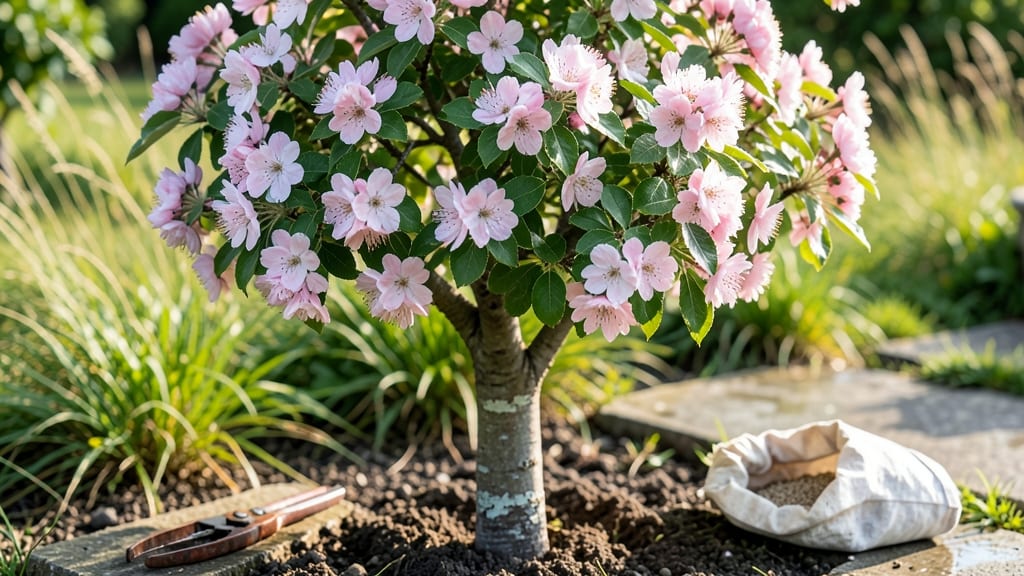
Crab apple flowers burst into life in Pacific Northwest winters, their delicate pink and white blooms defying the chill with stubborn beauty. 🌸 I planted my first tree after seeing them heavy with blossoms along Seattle’s rain-soaked streets, and now I’m hooked on their resilience.
These aren’t just flowers—they’re the backbone of winter gardens, offering weeks of color when little else does.
The secret to their success lies in patience and the right conditions: full sun, well-draining soil, and a spot where they won’t fight for space. My tree thrives in a raised bed with amended soil, and it’s returned the favor with three weeks of blooms every spring.
The flowers attract pollinators even in cold snaps, while the tiny fruit later feeds birds—making them a year-round performer.
What you’ll love most is how low-maintenance they are. Prune in late winter to shape the tree and remove dead wood, then step back. These trees handle frost, drought, and even urban pollution better than many ornamentals.
The payoff? A tree that looks stunning in every season, from snowy blossoms to fiery fall foliage.
Perfect for small yards, urban gardens, or as a focal point in larger landscapes. Whether you’re drawn to their flowers, fruit, or just their tough-as-nails attitude, this guide will help you grow one that thrives for decades. Let’s get those roots in the ground!
📚 In This Guide
- What you need
- Instructions
- Tips and common mistakes
- Wrapping up and next steps
What you need
- ● Crab apple tree saplings or bare-root plants: Choose cold-hardy varieties like Malus coronaria or Malus fusca (Pacific crab apple). Buy 1–3 plants, depending on your garden size.
- ● Well-draining soil: Aim for slightly acidic to neutral pH (6.0–7.0). Amend heavy clay soil with compost (5–10 gallons) or peat moss (2–3 cubic feet) if needed.
- ● Organic mulch: Wood chips or straw (2–3 inches) to retain moisture and regulate soil temperature.
- ● Balanced fertilizer: A 10-10-10 or 5-10-10 NPK blend (1–2 lbs) for planting, plus a slow-release option (like osmocote) in spring.
- ● Watering can or hose with a gentle spray nozzle: For deep, infrequent watering (aim for 1–2 gallons per plant, 2–3 times per week in dry spells).
- ● Pruning shears: Sharp, bypass-style shears (4–6 inches) for shaping and removing dead wood.
- ● Garden gloves: Heavy-duty to protect against thorns and rough bark.
- ● Trowel or spade: For digging holes (2–3 times wider than the root ball).
- ○ Soil pH test kit: Ensure optimal growing conditions (optional but helpful!).
- ● Bird netting: To protect blossoms from hungry critters (especially in early spring).
- ● Epsom salt (magnesium sulfate): A 1 tbsp per gallon of water spray in early spring for vibrant blooms.
- ● Staking materials: If planting in windy areas, use 3–4 ft bamboo stakes and soft ties.
How to plant and care for crab apple trees in the Pacific Northwest
These cold-hardy beauties bring stunning spring blooms and wildlife value to your yard—here’s how to grow them successfully.
🪴 Step 1: Choose the Right Location and Soil
Crab apple trees thrive in full sun (at least 6 hours daily) and well-draining soil. In the Pacific Northwest’s damp climate, avoid low spots where water pools—roots rot quickly. I dig a hole twice as wide as the root ball but only as deep to prevent burying the graft union (usually marked by a slight swelling near the base).
Amend heavy clay soil with compost or peat moss to improve drainage. A soil test helps determine if your yard needs extra phosphorus or potassium—crab apples love fertile ground. I always work in a handful of slow-release fertilizer at planting time to give young trees a strong start.
☀️ Step 2: Plant at the Correct Time and Depth
Fall or early spring are ideal planting times in the PNW. The tree’s roots should spread easily in moist but not soggy soil. Place the tree so the graft union sits 2-3 inches above soil level—this prevents disease from creeping up the trunk. Backfill with native soil, tamping gently to remove air pockets.
Create a watering basin by mounding soil around the edges—this directs water straight to the roots. Water deeply right after planting to settle the soil and eliminate air gaps. Mulch with 3-4 inches of wood chips, keeping it 6 inches away from the trunk to prevent rot.
💧 Step 3: Water Deeply and Establish a Routine
Newly planted trees need 1-2 inches of water weekly (more in summer heat). I check moisture by sticking my finger 2 inches into the soil—if it feels dry, it’s time to water. Drip irrigation or soaker hoses work best, delivering water slowly to avoid runoff.
Deep watering encourages strong root growth. Shallow watering leads to weak, surface roots that struggle in winter. After the first year, trees develop drought tolerance, but consistent moisture keeps blooms vibrant. Fertilize lightly in early spring with balanced 10-10-10 to support flowering.
✂️ Step 4: Prune for Health and Shape
Prune in late winter or early spring before buds swell. Remove dead, crossing, or inward-growing branches first. I thin the canopy to improve airflow—this prevents fungal diseases common in the PNW’s humid climate. Aim for an open center that lets sunlight reach all branches.
Shape the tree gradually over years to avoid stress. Never remove more than 25% of the canopy in one season. Prune suckers (shoots growing from the base) immediately—they drain energy from the main tree. Seal larger cuts with pruning sealant to protect against disease.
🌿 Step 5: Protect and Maintain for Long-Term Blooms
Young trees benefit from winter mulch—pile 4-6 inches of straw or leaves around the base in late fall. This insulates roots from freezing-thaw cycles. In spring, remove mulch before buds break to prevent rot.
Monitor for pests like apple maggots or aphids—spray with neem oil if needed. Crab apples attract pollinators, so avoid pesticides during bloom. Feed mature trees with organic compost every 2-3 years to maintain fertility. With proper care, your tree will reward you with stunning spring flowers for decades.
Tips & tricks for perfect crab apple flower growth
Here's what I've learned after watching my own crab apple trees thrive in PNW's challenging climate—these tricks make all the difference.
Sunlight Secret: While the instructions mention 6 hours of sun, I've found that morning sun (east-facing) combined with afternoon shade works beautifully in hotter PNW summers. The delicate blossoms actually last longer when they're not scorched by midday heat. If you notice buds dropping before opening, it's a sign they're getting too much intense afternoon sun.
Soil Test Tip: Don't skip that soil test—especially in the PNW where our native soils often lack phosphorus. I've seen trees struggle for years because they weren't getting enough of this key nutrient. If your test shows low phosphorus, add bone meal to the planting hole at 1/2 cup per young tree. The compost and peat moss will help, but phosphorus is critical for those vibrant spring blooms.
Watering Wisdom: The 1-2 inches weekly guideline is perfect, but here's my extra tip: water in the early morning so the foliage has all day to dry. Wet leaves overnight invite fungal diseases that can ruin your blooms. I also water at the base rather than overhead to keep those beautiful flowers clean and pest-free. A soaker hose makes this easy and prevents water waste.
Pruning Pro Move: When pruning in late winter, I always look for branches that are growing toward the center of the tree. These compete with each other for sunlight and create a dense canopy that blocks airflow. Removing just 10-15% of these competing branches in Step 4 creates a more open structure that lets sunlight reach all blossoms—resulting in more flowers and better fruit set.
Pro Tips for Crab Apple Flower
- Here's what I've learned after watching my own crab apple trees thrive in PNW's challenging climate—these tricks make all the difference.
- Sunlight Secret: While the instructions mention 6 hours of sun, I've found that morning sun (east-facing) combined with afternoon shade works beautifully in hotter PNW summers.
- Soil Test Tip: Don't skip that soil test—especially in the PNW where our native soils often lack phosphorus.
Frequently asked questions
Got questions about growing crab apple flowers? You’re not alone!
Here are some of the most common queries from gardeners in the Pacific Northwest—and beyond—along with quick, practical answers to help you cultivate these hardy blooms with confidence.
When is the best time to plant crab apple trees for optimal flowering?
Plant crab apple trees in early spring (March–April) or early fall (September–October) for the best results. This timing allows roots to establish before summer heat or winter frost. In the PNW’s mild, wet climate, fall planting is ideal—just ensure the ground isn’t frozen!
How long does it take for a crab apple tree to flower after planting?
Patience is key! Most crab apple varieties take 3–5 years to produce flowers after planting, though some dwarf or grafted trees may bloom sooner (1–2 years). Healthy soil, consistent watering, and proper pruning can encourage earlier flowering.
Are crab apple flowers good for pollinators like bees and butterflies?
Crab apple flowers are a pollinator magnet, attracting bees, butterflies, and hummingbirds. Their early spring blooms provide critical nectar when other flowers are scarce. For extra buzz, plant near native shrubs like serviceberry or elderberry.
How should I prune crab apple trees to encourage more flowers?
Prune in late winter or early spring (before buds swell) to remove dead, crossing, or crowded branches. Focus on open-center shaping to improve airflow and sunlight—both key for abundant blooms. Avoid heavy pruning in fall, as it can stimulate late-season growth vulnerable to frost.
Can I grow crab apple trees in containers, or do they need a yard?
While crab apples thrive in the ground, dwarf varieties (like ‘Dolgo’ or ‘Centennial’) can grow in large containers (20+ gallons) for patios or small spaces. Use well-draining soil and repot every 2–3 years. Just note: container-grown trees may produce fewer flowers than those planted in-ground.
Will crab apple flowers turn into edible fruit?
Yes! The flowers develop into small, tart apples (1–2 inches wide) that are technically edible but best used for jellies, sauces, or wildlife treats. They’re not as sweet as commercial apples but add rustic charm to your garden. Birds and squirrels will thank you too!
Wrapping up and next steps
Crab apple flowers are a true gift for Pacific Northwest gardeners—easy to grow, stunning to behold, and perfect for attracting pollinators. Whether you’re drawn to their fragrant blooms or the promise of future fruit, these hardy plants reward patience with beauty and resilience. 🌸
Ready to transform your garden? Start small—plant a single tree or shrub this season, then expand as you gain confidence. Watch your outdoor space bloom with effortless charm, and enjoy the satisfaction of nurturing nature’s finest creations!