
Flowers
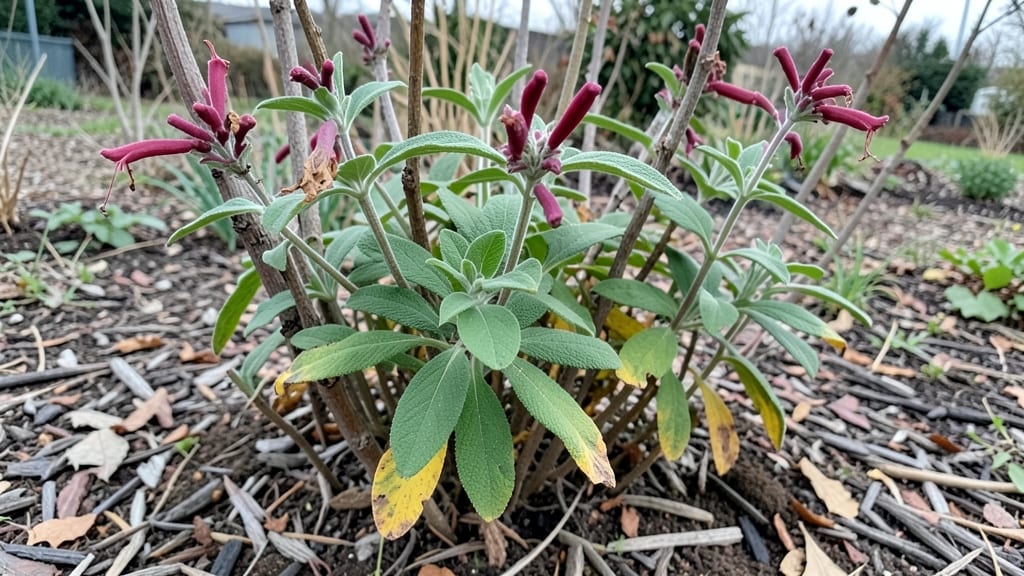
Growing pineapple sage flowers means waking up to a garden that smells like a tropical morning. 🌿 The secret to those fragrant purple blooms isn’t complicated—it’s about sunlight, pruning, and knowing when to let the plant rest.
My first batch nearly became a leggy mess, but after a few seasons, I perfected the rhythm of cutting back and feeding it just enough water.
This plant thrives in 6+ hours of sun daily, but it’s forgiving if you’re in a partial shade spot—just expect fewer blooms. The soil should drain well, and a light hand with watering prevents root rot.
When you see those first purple spikes in late summer, you’ll know you’re on the right track.
With the right care, your pineapple sage will reward you with year-round fragrance—even the leaves smell amazing when crushed. Prune after each flush of flowers to keep it bushy, and you’ll have a plant that blooms continuously from summer through fall.
Whether you’re growing it for the scent, the flowers, or both, this sage handles everything from containers to garden beds. The key is staying consistent—just like with any plant, it pays to pay attention to what it’s telling you.
📚 In This Guide
- What you need
- Instructions
- Tips and common mistakes
- Wrapping up and next steps
What you need
- ● Pineapple sage plants: 1-3 healthy nursery-grown plants (or seeds, if starting from scratch). Look for varieties like Salvia elegans.
- ● Well-draining potting mix: 1-2 bags (10-15 quarts each) of a high-quality, organic mix with perlite or sand for aeration.
- ○ Containers (optional but recommended): 1-2 pots (12-16 inches in diameter) with drainage holes for potted growth.
- ● OR a garden bed in full sun (6+ hours daily) with loose, fertile soil.
- ● Slow-release fertilizer: 1-2 packets (10-20 lb coverage) of a balanced, organic option (e.g., 10-10-10 or compost).
- ● Pruning shears: 1 pair (sharp, clean, and sterilized to prevent disease).
- ● Watering can or hose with a gentle spray nozzle: 1 unit for precise hydration.
- ● Mulch (straw or shredded bark) to retain moisture and suppress weeds.
- ● Plant supports (small stakes or cages) if growing tall varieties.
- ● pH test kit to ensure soil acidity (ideal: 6.0–7.0 for pineapple sage).
- ● Gloves (to protect hands from prickly stems).
- ● Drip irrigation system for large garden beds (automates watering!).
Step-by-step instructions for growing pineapple sage flowers
Here's how to coax those fragrant purple blooms into your garden—no matter the season.
🌱 Step 1: Choose the Perfect Spot for Planting
Pineapple sage thrives in full sun to partial shade, so pick a location that gets at least 4-6 hours of sunlight daily. A south-facing window or a sheltered patio spot works well if you're growing in containers. The soil should drain well—pineapple sage hates soggy roots, so avoid low-lying areas where water pools.
I like to plant mine near seating areas or walkways so I can brush past the fragrant foliage. The scent alone makes it worth growing, even without flowers! If you're in a hot climate, afternoon shade helps prevent the leaves from scorching. Watch for the leaves—if they start looking pale or crispy, that's your cue to move the plant to a slightly shadier spot.
🪴 Step 2: Plant in Well-Draining Soil with Ample Space
Dig a hole twice as wide as the root ball but only as deep as the container it came in. Pineapple sage grows 3-4 feet tall and spreads 2-3 feet wide, so give it plenty of room to avoid overcrowding. Mix in a handful of compost or well-rotted manure to enrich the soil—this plant loves nutrients to fuel its vibrant growth.
If you're planting in containers, use a 10-12 inch diameter pot with drainage holes. I always fill the bottom third with a mix of perlite and potting soil to ensure excess water drains away quickly. Gently firm the soil around the roots after planting to eliminate air pockets, but don't pack it down too tightly—roots need room to breathe.
💧 Step 3: Water Consistently Without Overdoing It
Keep the soil evenly moist but not soggy during the first 2-3 weeks after planting. Pineapple sage is drought-tolerant once established, but young plants need consistent moisture to take root. Water deeply once a week during dry spells, letting 1-2 inches of soil dry out between waterings. You'll know it's time to water when the top inch of soil feels dry to the touch.
Overwatering is the biggest mistake beginners make—it leads to root rot and yellowing leaves. If the leaves start drooping or turning brown at the edges, you're likely overwatering. Let the soil dry out more between waterings and consider using a moisture meter to avoid guesswork. Mulching around the base helps retain moisture and keeps roots cool.
☀️ Step 4: Prune and Encourage Bushy Growth
Prune pineapple sage in early spring to shape the plant and encourage fuller growth. Cut back one-third of the stems to just above a set of leaves. This might seem harsh, but it triggers new growth and more abundant blooms. Regular pruning also prevents the plant from becoming leggy and woody over time.
After the first flush of flowers fades, trim back the spent blooms by half their length. This deadheading encourages a second round of flowers later in the season. I like to use clean, sharp pruners and always sterilize them with rubbing alcohol between cuts to prevent disease. Watch for new growth—within 2-3 weeks, you'll see fresh, vibrant stems emerging.
✂️ Step 5: Harvest and Enjoy the Fragrant Blooms
Harvest pineapple sage flowers in the morning when they're fully open and fragrant. Cut the stems at a 45-degree angle just above a leaf node to encourage more growth. You can use the flowers fresh in salads, garnishes, or even dried for potpourri. The leaves are just as fragrant—brush them against your skin or steep them in tea for a pineapple-scented treat.
To dry the flowers, tie small bundles with twine and hang them upside down in a dry, dark place for 1-2 weeks. Once completely dry, strip the petals from the stems and store them in an airtight container. The dried flowers retain their scent for months, making them perfect for homemade crafts or winter potpourri. If you're growing in containers, you can even overwinter the plant indoors near a sunny window and enjoy its fragrance year-round.
Tips & tricks for growing pineapple sage flowers
Here's what nobody tells you about getting those fragrant purple blooms to thrive—these tricks make all the difference.
The Sunlight Secret: While 4-6 hours of sunlight is ideal, pineapple sage can actually handle up to 8 hours in cooler climates. In hotter regions, I've found that providing afternoon shade (around 2-3 PM) prevents leaf scorch while still encouraging flowering. The key is watching the leaves—if they start looking crispy, that's your plant's way of saying "I need a break from the heat."
Soil Hack for First-Time Growers: Don't just use regular garden soil! Mix in a 50/50 blend of potting soil and perlite or coarse sand for that perfect drainage. I've seen beginners struggle with soggy soil—pineapple sage roots need to breathe. A good test is to squeeze a handful of your soil mix: if water drips out immediately, you're golden. If it stays clumpy, add more perlite.
Pruning Payoff: When you cut back one-third of the stems in Step 4, make sure to cut at a 45-degree angle just above a leaf node. This isn't just for looks—it creates a larger surface area for new growth to emerge. I've noticed that plants pruned this way produce flowers about 2 weeks earlier than those cut straight across. And here's a bonus: those trimmed stems make perfect cuttings for propagating new plants!
Harvesting Timing: Morning is absolutely the best time to harvest those fragrant blooms—this is when their essential oils are at their peak. I've found that flowers harvested at this time retain their scent for up to 3 weeks when dried properly. Pro tip: If you're making tea with the leaves, harvest them just before they fully open for maximum fragrance. The scent intensifies as they bloom!
Pro Tips for Pineapple Sage Flowers
- Here's what nobody tells you about getting those fragrant purple blooms to thrive—these tricks make all the difference.
- The Sunlight Secret: While 4-6 hours of sunlight is ideal, pineapple sage can actually handle up to 8 hours in cooler climates.
- Soil Hack for First-Time Growers: Don't just use regular garden soil!
Frequently asked questions
Got questions about growing and enjoying pineapple sage flowers? Here are some of the most common ones—plus practical answers to help you nurture these fragrant beauties with ease!
When do pineapple sage flowers bloom, and how long do they last?
Pineapple sage typically blooms in late summer to fall (August–October), but with proper care, you can coax flowers year-round in warm climates. Each flower cluster lasts 2–4 weeks, though individual blooms may fade faster. Prune spent flowers to encourage more blooms and extend the season!
Can pineapple sage survive winter, or do I need to bring it indoors?
In USDA Zones 8–11, pineapple sage is perennial and thrives outdoors year-round. For colder zones (below 20°F), protect it with mulch or move pots indoors to a sunny window. Trim back lightly before winter to reduce stress.
What can I do if my pineapple sage isn’t flowering?
No flowers? Try these fixes:
- More sun: Ensure it gets 6+ hours of sunlight daily—partial shade may delay blooms.
- Prune strategically: Trim leggy growth in early spring to encourage bushier, flower-rich growth.
- Fertilize lightly: Use a balanced, low-nitrogen fertilizer (like 10-10-10) in spring.
- Check for pests: Spider mites or aphids can stress plants—spray with neem oil if needed.
Are pineapple sage flowers edible, and how can I use them?
Yes! While the flowers are edible, they’re mildly fragrant—best used sparingly. Try them in:
- Garnishes for cocktails or mocktails (e.g., pineapple mojitos).
- Infused honey or syrups (steep flowers in warm honey for 2 weeks).
- Decorative salad toppings (pair with citrusy greens).
Pro tip: Harvest flowers in the morning for peak flavor and aroma!
What’s a good alternative if I can’t grow pineapple sage?
If pineapple sage proves tricky, try these fragrant, purple-blooming alternatives:
- Salvia ‘May Night’ – Drought-tolerant with deep purple spikes.
- Lantana – Heat-loving, attracts pollinators, and blooms nonstop.
- Russian Sage (Perovskia) – Silvery foliage + lavender-blue flowers.
- Clematis – Vining climber with showy, pineapple-scented varieties.
Wrapping up and next steps
Pineapple sage flowers are a fragrant, low-maintenance gem that can brighten your garden—and your kitchen—with their vibrant purple blooms and citrusy scent. Whether you’re growing them for their beauty, culinary uses, or pollinator-friendly appeal, these plants reward patience with year-round interest.
Now that you’re armed with the right tips, why not take the next step?
- 🌱 Start small: Try growing a single plant in a pot on your patio or balcony to test the waters.
- 🌿 Experiment: Snip a few leaves for tea or garnishes—you’ll love the pineapple-like flavor!
- 📸 Share the joy: Snap photos of your blooms and tag #PineappleSageLove to inspire others!
Your garden—and your senses—will thank you! 🌸