
Flowers
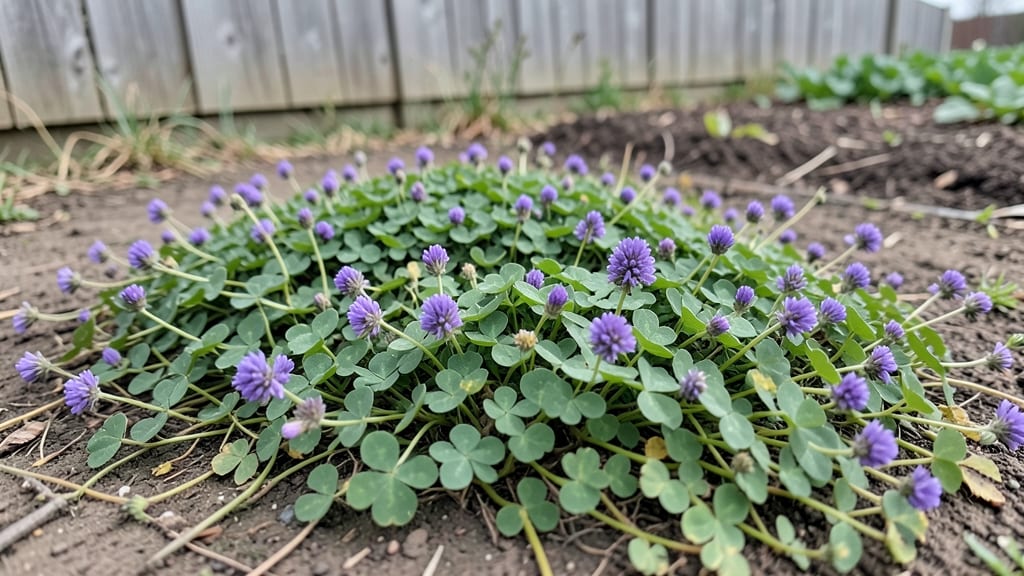
That purple-flowered ground cover creeping through your garden isn’t a desirable plant—it’s creeping Charlie in disguise. 🌿 I’ve spent years pulling this sneaky weed, and the key is knowing how to spot it before it takes over.
What looks like a pretty purple ground cover is actually a fast-spreading invader that chokes out your lawn and garden beds.
The trick is distinguishing it from ornamental ground covers. Creeping Charlie has rounded leaves with scalloped edges and tiny purple flowers in spring, while desirable plants like ajuga or purple vinca have distinct leaf shapes and growth habits.
Once identified, organic removal methods like smothering with cardboard or targeted vinegar sprays work best without harming your garden.
You’ll see results within weeks if you tackle it early—less purple blooming next spring and healthier grass or plants underneath. The secret is persistence; this weed comes back if you don’t break its growth cycle completely.
I’ve perfected a no-mess approach that keeps my garden looking clean while eradicating it for good.
Whether you’re dealing with a small patch or a full lawn invasion, the same principles apply. Start with the edges where it’s easiest to pull, then work inward.
Prevention is about monitoring and acting fast—once it’s established, it’s a battle, not a quick fix. Let’s get that garden back under control.
📚 In This Guide
- What you need
- Instructions
- Tips and common mistakes
- Wrapping up and next steps
What you need
- ● Garden gloves – Heavy-duty, chemical-resistant (1 pair) 👷♂️
- ● Hand weeder or dandelion digger – Sturdy, long-tined tool (1-2 units)
- ● Pruners or shears – Sharp, bypass-style (1 pair) ✂️
- ● Garden fork or hoe – For deep-rooted clumps (1 unit)
- ● Trash bags or compost bin – For disposal (2-3 bags)
- ● Vinegar (20-30% acetic acid) – 1 gallon (for natural removal)
- ● Dish soap – 1 tbsp (as a surfactant) 🧼
- ● Spray bottle – 16-32 oz (for vinegar mix)
- ● Pre-emergent herbicide – For prevention (follow label)
- ● Mulch or landscape fabric – To block regrowth 🌿
- ● Knee pad or stool – For comfort during long sessions
- ● Label or marker – To tag treated areas (if using chemicals)
Step-by-Step instructions for removing creeping charlie weeds
Here's how to tackle this stubborn plant without spreading seeds or leaving behind messy regrowth.
🌱 Step 1: Identify and Prepare the Work Area
Creeping Charlie (Glechoma hederacea) thrives in shady, moist areas with its distinctive square stems and purple flowers. Before you begin, walk your yard to locate all infestations—this weed spreads via both roots and seeds, so you'll need to address every patch. I like to mark the edges with a garden flag or spray paint for reference.
Clear the area of debris and loosen the soil slightly with a garden fork or trowel. This makes it easier to access the roots without tearing the lawn. Avoid tilling, as buried fragments can sprout into new plants. Instead, focus on manual removal where possible—this method is far more effective for controlling creeping charlie than herbicides alone.
✂️ Step 2: Remove Plants by Hand or With Tools
Grab the plant at the base, just above the soil line, and pull upward with steady pressure. The roots are shallow but fibrous, so you may need to wiggle the plant free. For stubborn patches, use a weeding tool or a flat-bladed spade to slice through the roots at soil level. I always wear gloves—this weed can irritate skin, and the sap stains easily.
Work in small sections to avoid missing any fragments. If you encounter a particularly dense mat, cut the plant into smaller sections first, then remove each piece. Dispose of the weeds immediately in a sealed trash bag—never compost them, as they'll regrow. For large lawns, repeat this process every 2-3 weeks until no new growth appears.
💧 Step 3: Prevent Regrowth With Mulch or Barrier
After removal, apply a 2-3 inch layer of mulch (like wood chips or straw) to the affected area to block sunlight and suppress new growth. For lawns, overseed bare spots with grass seed and keep the area moist until the grass establishes. I’ve found that a thick layer of cardboard (covered with mulch) works well for preventing regrowth in garden beds.
For creeping charlie along sidewalks or driveways, install a landscape fabric barrier at least 6 inches deep to block roots. This is especially effective in high-traffic areas where hand-pulling isn’t practical. Water the area lightly after installing the barrier to help settle everything in place.
☀️ Step 4: Monitor and Retreat as Needed
Check the treated areas every 7-10 days for the first month, then weekly until you’re confident the weed is gone. New shoots will appear pale and weak—remove them immediately before they establish. Over time, the mulch or barrier will break down, so plan to refresh it annually or as needed.
If you miss any patches, don’t panic. Creeping charlie is persistent, but consistent effort pays off. I’ve seen lawns completely reclaim themselves within a season if you stay vigilant. For stubborn cases, a spot treatment of vinegar-based herbicide (applied directly to leaves) can help, but always test a small area first to avoid damaging nearby plants.
Tips & tricks for perfect creeping charlie removal
These game-changing strategies will help you eliminate creeping charlie without turning your yard into a battleground.
Root Removal Precision: In Step 2, when pulling creeping charlie, focus on removing every last root fragment—even tiny pieces can regrow. I've found that using a flat-bladed spade to slice through the roots at soil level works better than pulling for dense mats. This method prevents the fibrous roots from breaking and spreading underground. For stubborn patches, cut the plant into smaller sections first to make removal easier without tearing the lawn.
Visual Identification Tip: Before you start, familiarize yourself with creeping charlie's distinctive square stems and purple flowers—this helps you spot hidden patches. I mark the edges with garden flags to avoid missing any areas during removal. The key is thoroughness: even small fragments left behind can sprout into new plants. In Step 1, take your time to identify every infestation before beginning the removal process.
Mulch Layer Strategy: When applying that 2-3 inch layer of mulch in Step 3, choose organic mulches like wood chips or straw that will break down over time. For garden beds, I've had great success with a thick layer of cardboard covered with mulch—this creates a barrier that blocks both sunlight and root growth. Remember to refresh your mulch annually, as it will decompose and lose effectiveness over time.
Monitoring System: The 7-10 day monitoring schedule in Step 4 is crucial for catching new growth early. I've created a simple calendar system to track my inspections, marking each treated area with a small flag until I'm confident it's weed-free. This consistent monitoring prevents small shoots from establishing and becoming a bigger problem later. For large lawns, consider setting reminders on your phone to check these areas regularly.
Pro Tips for Creeping Charlie Weeds With Purple Flowers
- These game-changing strategies will help you eliminate creeping charlie without turning your yard into a battleground.
- Root Removal Precision: In Step 2, when pulling creeping charlie, focus on removing every last root fragment—even tiny pieces can regrow.
- Visual Identification Tip: Before you start, familiarize yourself with creeping charlie's distinctive square stems and purple flowers—this helps you spot hidden patches.
Frequently asked questions
about creeping Charlie weeds with purple flowers—because even the toughest gardeners need a little clarity! Here are answers to the most common questions to help you tackle this pesky invader like a pro.What does creeping Charlie with purple flowers look like?
Creeping Charlie (Glechoma hederacea) typically has round, scalloped leaves and small, tubular purple or white flowers. The purple-flowered variety is less common but spreads just as aggressively. Look for its square stems and creeping growth habit—it’s a sneaky ground cover that chokes out lawns and gardens!
When is the best time to remove creeping Charlie?
The ideal time to tackle creeping Charlie is in early spring (before it spreads) or late summer/fall (when growth slows). Avoid letting it go to seed—pull or mow it back before flowers appear to prevent new plants. For persistent patches, repeat treatments may be needed!
Will vinegar or other natural remedies work?
Yes! A vinegar-based solution (1 gallon vinegar + 1 oz dish soap) can kill creeping Charlie, but it’s non-selective—spray carefully to avoid damaging nearby plants. For spot treatment, try corn gluten meal (pre-emergent) or boiling water on small patches. Always test in a small area first!
What’s the best alternative ground cover to replace creeping Charlie?
If you’re tired of creeping Charlie, try these low-maintenance, non-invasive alternatives:
Creeping Charlie spreads via rhizomes (underground stems) and seeds, so even small pieces left behind can regrow. To break the cycle:
Why does creeping Charlie keep coming back after removal?
Patience is key—consistent effort pays off!
Wrapping up and next steps
Say goodbye to those stubborn creeping Charlie weeds with purple flowers—you’ve got the tools and know-how to tackle them cleanly and effectively! 🌱 Whether you chose manual removal, vinegar solutions, or natural alternatives like corn gluten, consistency is key.
Start small, stay patient, and watch your garden reclaim its beauty without the hassle.
Ready to take action? Pick a method that fits your style and roll up your sleeves—your yard will thank you! Need extra tips? Check out our step-by-step guide for a refresher.