
Flowers
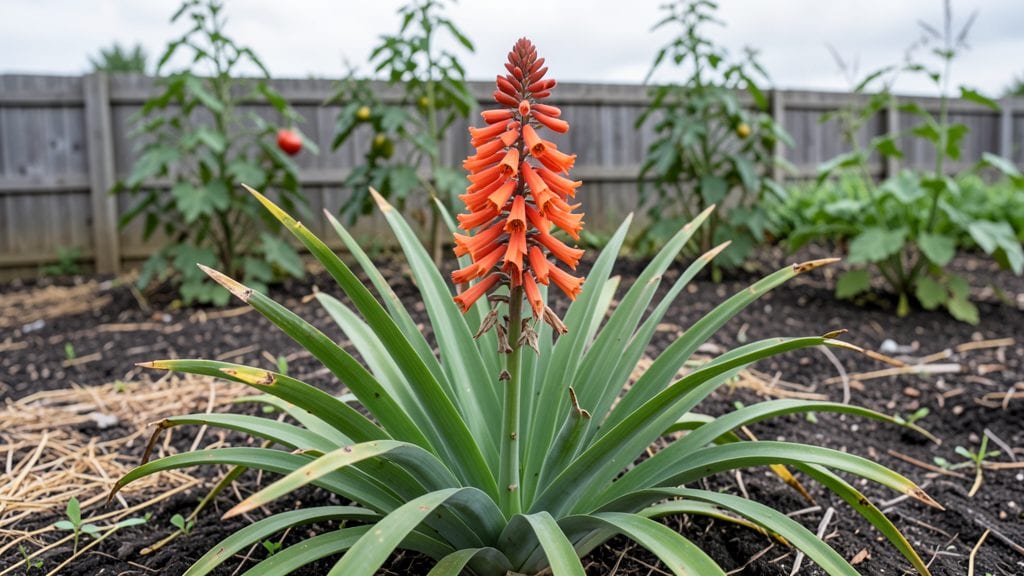
Crocosmia flower care starts with understanding these drought-tolerant beauties thrive on neglect—but only if you get a few basics right. 🌿 I’ve watched these fiery plumes bounce back from summer heatwaves while my more delicate perennials wilted, and the secret isn’t complicated: they want sun, well-draining soil, and a hands-off approach after establishment.
Their care routine is simpler than most gardeners realize. You’ll need 6+ hours of sunlight daily, soil that drains fast (they hate soggy roots), and minimal watering once established—think once a week in dry spells, or let nature handle it.
The real magic happens in late summer when those arching spikes of orange, red, or yellow burst into bloom, often without any extra effort from you.
Pruning is where most gardeners trip up, but it’s actually the easiest part. Cut back the dead foliage in early spring before new shoots appear, and you’ll encourage even more dramatic blooms.
The plants multiply underground, so you’ll soon have clumps to share—or divide to keep them vigorous. Before you know it, your garden will be bursting with these low-maintenance, high-impact stars.
They handle drought like champions, making them perfect for xeriscaping or busy gardeners who want color without the fuss. Just avoid heavy clay soil, and you’re golden. Let’s get these fiery beauties thriving in your garden with almost no effort at all.
📚 In This Guide
- What you need
- Instructions
- Tips and common mistakes
- Wrapping up and next steps
What you need
- ● Crocosmia corms or tubers: Choose healthy, firm corms (1–2 inches in diameter) from a reputable nursery. Quantity: 3–5 per planting spot for a fuller look.
- ● Well-draining soil: Crocosmia hates soggy roots! Amend heavy clay with compost (3–5 gallons) or sand (1–2 parts per 3 parts soil) to improve drainage.
- ● Sunlight access: A spot with full sun (6+ hours/day) or partial shade (4–6 hours) in hot climates.
- ● Watering can or hose with a gentle spray nozzle: For deep but infrequent watering (avoid overhead sprinklers to prevent fungal issues).
- ○ Mulch (optional but recommended): 2–3 inches of organic mulch (e.g., straw, shredded bark, or pine needles) to retain moisture and suppress weeds.
- ● Fertilizer: A balanced, slow-release granular fertilizer (10-10-10) or compost tea applied in early spring for a nutrient boost.
- ● Garden gloves: To protect your hands while handling corms or mulch.
- ● Pruners or sharp scissors: For trimming dead foliage in late winter/early spring.
- ● Stakes or supports: If your Crocosmia grows tall (e.g., Crocosmia ‘Lucifer’), lightweight stakes can help prevent flopping in windy areas.
- ● Drought-resistant companion plants: Pair with lavender, sedum, or ornamental grasses to create a low-maintenance, water-wise garden.
Instructions for crocosmia flower care
Here's the straightforward approach I use to keep crocosmia thriving with almost no effort.
🌱 Step 1: Plant in Well-Draining Soil With Full Sun
Crocosmia loves full sun—at least 6 hours daily—and thrives in average garden soil that drains well. I dig a hole twice as wide as the root ball but no deeper, then loosen the soil at the bottom to encourage root spread. The key is avoiding soggy soil; if your yard stays damp, mix in a handful of sand or perlite to improve drainage.
Place the plant so the crown sits just below soil level—never bury it deeper than it was in the container. Firm the soil gently around the roots, then water deeply to settle everything. You'll see the most vibrant blooms when plants get plenty of sunlight, so choose the sunniest spot in your garden.
💧 Step 2: Water Sparingly After Establishment
Once established, crocosmia is famously drought-tolerant, but young plants need consistent moisture. Water once a week during the first growing season, giving about 1 inch of water each time. After that, water only when the top 2-3 inches of soil feel dry—usually every 2-3 weeks unless your summer is particularly hot.
I know it seems counterintuitive, but crocosmia actually blooms better with less water. Overwatering leads to weak stems and fewer flowers. Let the soil dry between waterings, and you'll reward yourself with those signature arching flower spikes.
✂️ Step 3: Deadhead and Divide Every Few Years
After the blooms fade, snip off the spent flower stalks with clean pruners, leaving about 2 inches of stem. This redirects the plant's energy into next year's growth instead of seed production. I also remove any yellow or damaged leaves to keep the plant looking tidy and reduce disease risk.
Every 3-4 years, dig up the clumps in early spring or fall and divide them. Crocosmia spreads aggressively, and crowded roots produce fewer flowers. Separate the rhizomes with a sharp knife, ensuring each section has at least one healthy bud, then replant immediately. You'll get fuller plants and more blooms within a season.
☀️ Step 4: Protect in Harsh Winters
Crocosmia is hardy in zones 5-9, but in colder climates, I mound 2-3 inches of mulch around the base after the first frost. This insulates the roots and prevents heaving. In zone 4 or colder, dig up the clumps in fall, trim back the foliage, and store them in a cool, dry place until spring.
In mild winters, no extra care is needed—the plants will push through the soil naturally. The key is timing: mulch after the ground freezes but before heavy snowfall. This keeps the roots protected without smothering them.
Tips & tricks for perfect crocosmia flower care
Here's what I've learned over the years to keep these striking flowers thriving with almost no fuss.
Sunlight Secret: While crocosmia loves those 6 hours of full sun daily, don't panic if your spot gets partial shade. These plants can tolerate 4 hours of direct sun—just expect slightly fewer blooms. I've seen them thrive in morning sun with afternoon shade, especially in hotter climates. The key is avoiding deep shade completely, which leads to leggy growth and sparse flowers.
Soil Intelligence: The secret to happy crocosmia isn't just drainage—it's the right kind of drainage. While average garden soil works, I've found these plants really appreciate a 50/50 mix of garden soil and coarse sand for the first year. This prevents waterlogging while still providing nutrients. If your soil is heavy clay, add perlite to create air pockets that mimic their natural habitat in South Africa.
Watering Wisdom: Here's what nobody tells you about that 1 inch of water per week guideline: it's a maximum, not a requirement. In my experience, crocosmia often blooms best when watered every 10-14 days once established. Test by sticking your finger 2-3 inches deep—if it feels dry, water; if damp, wait. The plants store water in their rhizomes, so they're better at handling drought than most gardeners realize.
Division Strategy: When it's time to divide those 3-4 year-old clumps, I've found the best time is actually early spring, just as new shoots appear. This gives the divided sections maximum growing season to establish before winter. Use a sharp knife to separate rhizomes, making sure each piece has at least 3-4 buds—this ensures vigorous regrowth. The extra buds give you a buffer if any sections don't take.
Pro Tips for Crocosmia Flower Care
- Here's what I've learned over the years to keep these striking flowers thriving with almost no fuss.
- Sunlight Secret: While crocosmia loves those 6 hours of full sun daily, don't panic if your spot gets partial shade.
- Soil Intelligence: The secret to happy crocosmia isn't just drainage—it's the right kind of drainage.
Frequently asked questions
Got questions about keeping your Crocosmia blooms happy and healthy? You’re not alone! Here are answers to the most common concerns—so you can enjoy these fiery beauties with confidence.
How often should I water my Crocosmia?
Once established, Crocosmia is drought-tolerant but thrives with 1 inch of water per week during dry spells. Water deeply at the base (not the leaves) to encourage strong roots. Pro tip: Mulch around the base to retain moisture and keep weeds away!
When is the best time to plant Crocosmia?
Plant Crocosmia in early spring or fall for optimal root establishment. Avoid planting in hot summer months, as the heat can stress young tubers. Choose a spot with well-draining soil and partial sun for best results.
What pests or diseases commonly affect Crocosmia?
Crocosmia is generally pest-resistant, but watch for slugs, snails, or aphids on young leaves. For fungal issues (like rust), ensure good airflow and avoid overhead watering. If pests appear, neem oil or insecticidal soap works gently.
Do Crocosmia flowers come back every year?
Yes! Crocosmia is a perennial that returns yearly with proper care. After blooming, leave foliage until it yellows—this feeds the tubers for next season. In cold climates, mulch in winter to protect roots.
Can I grow Crocosmia in containers?
Use a large container (at least 12 inches deep) with well-draining potting mix. Place in partial sun and water consistently until established. Pro tip: Divide tubers every 3–4 years to prevent overcrowding.
Wrapping up and next steps
Caring for crocosmia flowers is a breeze once you know the basics—these drought-tolerant beauties thrive with minimal effort! With the right sunlight, soil, and spacing, plus a little seasonal love, you’ll enjoy vibrant blooms year after year. 🌸
Ready to level up your garden? Start by planting a few crocosmia bulbs this fall or spring, and soon you’ll be rewarded with stunning, low-maintenance color. Happy gardening—your future blooms will thank you! 🌿