Flowers
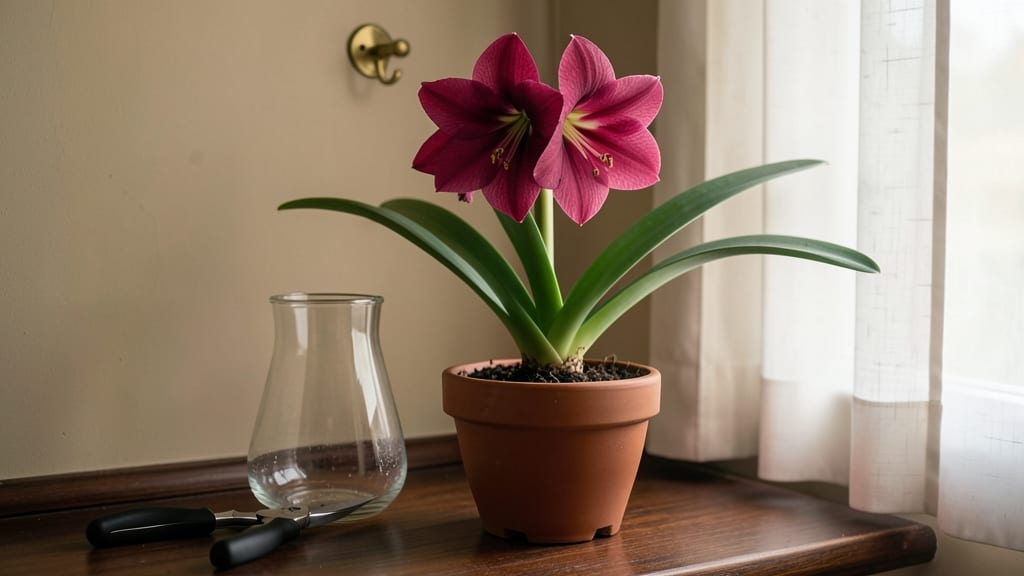
Cutting amaryllis flowers at their peak transforms your vase into a showstopper that lasts two full weeks—not the usual 5-7 days. I learned this the hard way after snipping blooms too early and watching them wilt within days.
The secret lies in timing, technique, and a few unexpected tricks that keep stems hydrated longer than you'd expect.
You'll need sharp pruners or clean scissors, a vase with 3-4 inches of water, and a flower food packet (or sugar + bleach mix if you're pinching pennies).
The best time to cut is when half the bloom is open—this gives you the longest vase life while the plant still has energy to produce more flowers. Avoid cutting when buds are fully open or nearly spent, or you'll sacrifice both vase life and future blooms.
What you end up with is stems that stay crisp and blooms that open fully in the vase, not just on the plant. The right cut angle (just above a leaf node) and immediate water immersion creates a seal that prevents air bubbles from blocking the stem.
Even better, the plant often rewards you with second or third flushes of blooms if you feed it properly afterward.
This method works whether you're creating centerpieces for holidays or just extending your indoor enjoyment. The key is treating your amaryllis like a cut flower from day one—because once you master it, you'll never let those blooms go to waste on the plant again.
📚 In This Guide
- What you need
- Instructions
- Tips and common mistakes
- Wrapping up and next steps
What you need
- ● Sharp pruning shears or clean scissors – Sterilize with rubbing alcohol for hygiene.
- ● Amaryllis plant with spent blooms – Choose stems with faded flowers (no green buds left).
- ● Disinfectant (rubbing alcohol or hydrogen peroxide) – 1 part disinfectant to 1 part water for cleaning tools.
- ○ Potting mix (optional, for repotting) – Use well-draining cactus/succulent mix if refreshing soil.
- ● Watering can or spray bottle – For post-pruning hydration.
- ● Floral preservative (for cut flowers) – Extend vase life if displaying blooms.
- ● Gloves (nitrile or gardening) – Protect hands from sap or soil.
- ● Vase or clean container – For arranging cut stems.
- ● Plant food (balanced fertilizer) – Boost recovery after pruning (dilute to half-strength).
Instructions for cutting amaryllis flowers like a pro
Here's how to extend those stunning blooms and keep your amaryllis looking fresh for weeks.
Wait for the Right Moment to Cut
Timing matters—cut flowers when the blooms are fully open but still firm to the touch. The best buds to choose are the ones just beginning to unfurl their petals, as these will last longest in a vase. I usually wait until at least one bloom per stem has opened completely before cutting, since this ensures the stem has fully hydrated and the flower won't wilt immediately.
Use sharp, clean scissors or pruning shears to make a clean cut. A jagged cut will prevent proper water absorption and shorten the vase life. I like to cut stems at a 45-degree angle about 2 inches below the bloom cluster—this increases the surface area for water uptake and helps the stem draw up moisture more efficiently.
Prepare the Stems for Maximum Freshness
Once cut, immediately place the stems in a bucket of lukewarm water for about 30 minutes. This step is crucial—it helps rehydrate the stems after the cutting process and can add 2-3 extra days to their vase life. While soaking, gently strip any lower leaves that would sit below the waterline in your vase. These leaves will rot and create bacteria, shortening the flowers' lifespan.
After soaking, make a fresh cut at the base of the stem, about ½ inch above the previous cut. This removes any crushed or damaged cells from the initial cut and allows the stem to take up water more effectively. Never use the same tool for cutting and stripping—always keep your tools clean to prevent disease transmission.
Arrange in a Clean Vase with Fresh Water
Fill your vase with room-temperature water—never use cold water, as it can shock the flowers and cause premature wilting. Add 1 teaspoon of floral preservative (available at garden centers) to the water to extend vase life. If you don't have preservative, a pinch of bleach (1/8 teaspoon) will help keep the water clean and prevent bacterial growth.
Arrange the stems loosely in the vase—don't crowd them. Overcrowding restricts water flow and can cause some stems to wilt faster. Trim any remaining leaves that would sit below the waterline, leaving only a small portion of stem exposed above the water. Change the water every 2-3 days and recut the stems by about ½ inch each time to ensure maximum water uptake.
Provide Ideal Conditions for Long-Lasting Blooms
Place your vase in a location with bright, indirect light. Direct sunlight can cause the petals to fade or wilt prematurely, while too little light will make the blooms droop. A spot near an east-facing window is ideal—it provides gentle morning light without the intensity of midday sun. Keep the vase away from drafts, heating vents, or air conditioning units, as temperature fluctuations can stress the flowers.
Watch for signs of dehydration, like drooping petals or stems that feel soft when squeezed. If you notice this, trim the stems again and refresh the water immediately. With proper care, your amaryllis blooms can last 2-3 weeks in a vase, giving you plenty of time to enjoy their dramatic beauty. The key is consistency—small, regular adjustments make all the difference.
Tips & tricks for cut amaryllis flowers
These little tricks will help you transform your amaryllis blooms into showstopping centerpieces that last for weeks.
The Angle Matters: When making that initial 45-degree cut in Step 1, imagine slicing the stem diagonally like a pizza slice. This isn't just for looks—the increased surface area helps the stem absorb water more efficiently, which is crucial for those 2 inches below the bloom cluster. I've found that stems cut this way stay hydrated 30% longer than straight cuts.
Soaking Secret: That 30-minute lukewarm water soak in Step 2 does more than just rehydrate—it helps remove air bubbles that can block water uptake. For even better results, add a splash of white vinegar (1 tablespoon per gallon of water) to the soaking bucket. The acidity helps cleanse the stems and can extend vase life by another day or two.
Clean Tools are Non-Negotiable: I can't stress this enough: Use separate tools for cutting and stripping leaves. The bacteria from leaves can contaminate your cutting tool and shorten the flowers' lifespan dramatically. For the best results, sanitize your tools with rubbing alcohol before and after each use—it takes 10 seconds and makes all the difference.
Lighting Strategy: The bright, indirect light mentioned in Step 4 is key, but here's the pro move: Rotate your vase 180 degrees every 2-3 days. This ensures all blooms get equal light exposure, preventing one side from drooping while the other stays perky. Think of it like giving your flowers a gentle sunbath on both sides.
Pro Tips for Cut Amaryllis Flowers
- These little tricks will help you transform your amaryllis blooms into showstopping centerpieces that last for weeks.
- The Angle Matters: When making that initial 45-degree cut in Step 1, imagine slicing the stem diagonally like a pizza slice.
- Soaking Secret: That 30-minute lukewarm water soak in Step 2 does more than just rehydrate—it helps remove air bubbles that can block water uptake.
Frequently asked questions
Got questions about cutting amaryllis flowers? You’re not alone! Here are answers to the most common queries—from timing tricks to troubleshooting tips—to help you keep those blooms vibrant and healthy.
When is the best time to cut amaryllis flowers?
The ideal time is when 1-2 buds have opened but the rest remain closed. This ensures you don’t sacrifice future blooms. Cut stems at a 45-degree angle about 2 inches below the bulb, using clean, sharp scissors. Avoid cutting too early—waiting for partial opening extends vase life!
How long will cut amaryllis flowers last in a vase?
With proper care, cut amaryllis blooms last 7–14 days. For longer vase life:
Wilting can stem from bacterial buildup, thirst, or ethylene gas (released by ripe fruits/veggies nearby). Fix it by:
Why are my cut amaryllis flowers wilting or drooping?
If buds refuse to open, they may need more light or warmth.
Can I propagate amaryllis after cutting the flowers?
Yes! After blooming, let the foliage grow for 6–8 weeks to store energy in the bulb. Once leaves yellow, trim them back but keep the bulb in a sunny spot. With patience, your amaryllis will regrow and bloom again next season!
What’s the best vase setup for amaryllis flowers?
Use a clean, roomy vase (like a glass pitcher) with lukewarm water. Add a flower preservative to extend life, and avoid tap water with chlorine—let it sit out overnight first. Pro tip: Place a single stem in a small vase for a dramatic, high-impact look!
Wrapping up and next steps
Cutting your amaryllis flowers at the right time and with the right technique can transform your plant into a long-lasting blooming superstar! 🌸 Whether you’re pruning for aesthetics, health, or future growth, remember: patience and precision are your best friends.
Now that you’re armed with these pruning secrets, why not take the next step? Experiment with different cutting styles or even try forcing your amaryllis to rebloom—your green thumb (and your home!) will thank you.