
Flowers
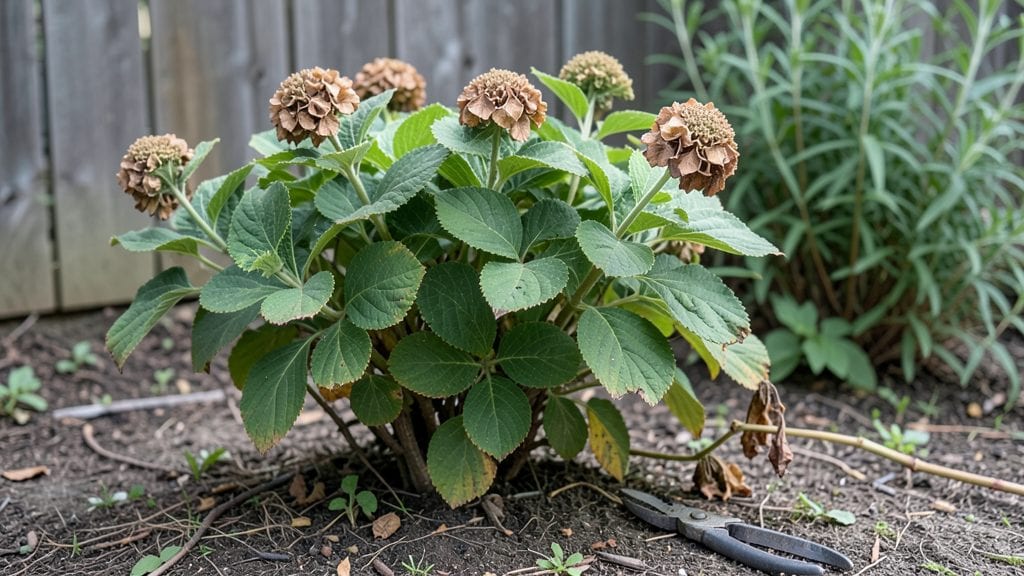
Cutting dead hydrangea flowers at the right time keeps your plants thriving and blooming bigger each year—but I’ve seen gardeners ruin their plants by pruning too late or too hard.
The secret lies in timing: late winter or early spring, when the plant is still dormant but before new growth starts. This ensures you don’t accidentally remove next year’s flower buds.
You’ll need just a few simple tools: sharp pruning shears, gloves (hydrangeas can be prickly), and a bucket for clippings. The goal is clean cuts just above a leaf node or bud, about 1/4 inch above it.
This encourages strong new growth while keeping the plant’s shape balanced. For large, woody stems, make the cut at a 45-degree angle to prevent water from pooling.
What you’re really doing is giving your hydrangeas a fresh start. By removing last year’s dead blooms, you improve airflow—cutting down on pests and diseases—and redirect the plant’s energy into vibrant new growth.
Within weeks, you’ll see fresh leaves and, eventually, those showstopping blooms you planted for. The best part? You’re also shaping the plant for better structure and easier maintenance next season.
Fair warning: if you prune too late in the season, you risk removing next year’s buds entirely. And never cut back more than 1/3 of the plant’s height—hydrangeas are resilient, but they hate being over-pruned.
With the right timing and technique, your plants will reward you with bigger, healthier blooms for years to come.
📚 In This Guide
- What you need
- Instructions
- Tips and common mistakes
- Wrapping up and next steps
What you need
- ● Bypass pruners or hand pruners – Look for sharp, clean ones (8-inch blades work best for most hydrangeas). Quantity: 1 pair.
- ○ Loppers – For thicker stems (up to 2 inches in diameter). Quantity: 1 pair (optional but helpful for larger shrubs).
- ● Garden gloves – Cut-resistant and gardening-grade to protect your hands from thorns and sharp edges.
- ● Disinfectant solution – Rubbing alcohol (70% isopropyl) or a 10% bleach solution (1 part bleach to 9 parts water) to sterilize tools between cuts.
- ● Heavy-duty trash bags or bucket – For collecting pruned debris. Quantity: 1-2 (depending on shrub size).
- ● Garden twine or zip ties – To temporarily secure large branches if needed. Quantity: A small roll.
- ● Hydrangea-specific fertilizer – Apply after pruning to boost next year’s blooms (follow package instructions).
- ● Mulch (shredded bark or pine straw) – To protect the base of the plant post-pruning.
- ● Pruning saw – For very thick stems (rare for most hydrangeas).
- ● Knee pads or a small stool – If your hydrangea is tall or ground-level pruning is uncomfortable.
- ● Plant marker or labels – If you’re pruning multiple hydrangea varieties (to avoid mix-ups!).
Instructions for revitalizing hydrangeas: pruning dead blooms the right way
Here’s the precise method I’ve used for years to refresh hydrangeas without risking next season’s flowers.
Identify Your Hydrangea Type and Bloom Cycle
Hydrangeas bloom on either old wood (last year’s growth) or new wood (current year’s growth), and cutting wrong can mean no flowers next year. Old-wood bloomers (like Bigleaf hydrangeas) produce buds on stems from the previous season, so prune only dead or spent blooms. New-wood bloomers (like Panicle or Smooth hydrangeas) set buds on current year’s growth, so you can trim back more aggressively.
Check your plant’s tags or research your variety—if you’re unsure, wait until after flowering to prune. This ensures you’re not accidentally removing next year’s buds hidden in last year’s stems. I always snap a photo of my hydrangeas before pruning to reference the structure later.
Remove Dead Flowers and Seed Heads
Use clean, sharp pruning shears to snip off dead blooms and seed heads, cutting just above the first set of healthy leaves or a visible bud. Avoid cutting into old wood if your hydrangea blooms on last year’s growth—this removes potential flower buds. For new-wood bloomers, you can trim back to 12–18 inches from the ground to encourage bushier growth.
Work systematically, starting at the outer edges and moving inward. This prevents accidental over-pruning and ensures you don’t miss any spent blooms. If a stem looks completely brown and brittle, it’s safe to remove entirely—just avoid cutting into green stems, which may still produce flowers.
Thin Out Crowded Stems for Better Airflow
Hydrangeas thrive with good airflow, which reduces disease risk. Look for stems that are crossing or rubbing against each other—these should be pruned at the base. For overgrown bushes, remove one-third of the oldest stems (those closest to the ground) to encourage younger, more vigorous growth. This rejuvenates the plant while maintaining its shape.
Step back occasionally to assess the plant’s form. You’ll notice a more open, balanced structure once you’ve removed the congested growth. Avoid the temptation to prune too much at once—hydrangeas respond better to gradual shaping.
Clean Up and Apply Post-Pruning Care
After pruning, sterilize your shears with rubbing alcohol to prevent spreading disease. Rake up and dispose of all clippings—leaving them can harbor pests or fungi. Water the base of the plant deeply to help it recover, especially if you’ve done significant pruning. A balanced fertilizer applied in early spring promotes healthy regrowth.
Monitor the plant for new growth within 4–6 weeks. If you see fresh shoots emerging from the base, your pruning was successful. For old-wood bloomers, avoid heavy pruning in late summer or fall—this risks removing next year’s flower buds before they form.
Plan for Next Year’s Blooms
Take notes on which stems produced the most vibrant flowers this year. Next spring, prune lightly to maintain the plant’s shape while preserving last year’s growth. For new-wood bloomers, you can prune more aggressively in late winter or early spring before new growth begins. This ensures you’re shaping the plant without cutting off potential blooms.
Mulch around the base with 2–3 inches of organic mulch to retain moisture and regulate soil temperature. This supports root health and sets the stage for even more dramatic blooms next season. With consistent care, your hydrangeas will reward you with fuller, healthier growth year after year.
Tips & tricks for perfect hydrangea pruning
Avoid these common mistakes and prune like a pro to keep your hydrangeas thriving for years.
Type Identification: The first step is absolutely critical—if you prune the wrong type, you could sacrifice next year's blooms. For old-wood bloomers like Bigleaf hydrangeas, make a habit of marking stems that produced the best flowers this year. In Step 1, snap that photo I mentioned—it's your visual reference for next year's pruning. This simple precaution prevents costly mistakes when you're ready to shape the plant.
Cutting Technique: When you're removing dead blooms in Step 2, focus on making clean cuts just above the first healthy leaf or bud. I've learned the hard way that cutting too close to the stem can leave wounds that invite disease. Use sharp pruning shears and make cuts at a 45-degree angle to prevent water from pooling on the cut surface. This technique promotes faster healing and keeps your hydrangea looking its best.
Pruning Strategy: The one-third rule in Step 3 is your best friend for rejuvenating overgrown bushes. When you remove that third of oldest stems, you're not just creating space—you're encouraging the plant to put energy into new, vigorous growth. This is especially important for hydrangeas that have become leggy over time. Remember to step back occasionally to assess the plant's form—your perspective changes dramatically when you're a few feet away.
Seasonal Timing: The timing mentioned in Step 5 about late winter/early spring pruning for new-wood bloomers is crucial. For old-wood varieties, avoid heavy pruning after mid-summer—this is when flower buds for next year begin to form. I've seen gardeners accidentally cut off potential blooms by pruning too late. When in doubt, wait until after flowering to prune old-wood varieties to ensure you're not removing next year's buds.
Pro Tips for Cutting Dead Hydrangea Flowers
- Avoid these common mistakes and prune like a pro to keep your hydrangeas thriving for years.
- Type Identification: The first step is absolutely critical—if you prune the wrong type, you could sacrifice next year's blooms.
- Cutting Technique: When you're removing dead blooms in Step 2, focus on making clean cuts just above the first healthy leaf or bud.
Frequently asked questions
Got questions about pruning dead hydrangea blooms? You’re not alone! Here are some of the most common concerns—plus expert answers to keep your plants thriving.
When is the best time to cut dead hydrangea flowers?
The ideal time depends on your hydrangea type. For bigleaf and oakleaf varieties, prune in late winter or early spring (before new growth starts). For panicle and smooth hydrangeas, wait until spring or early summer after blooms fade. Avoid pruning in fall—it can stimulate tender new growth that won’t survive winter frost.
Do I cut hydrangea flowers back to the ground?
No! Cutting to the ground can harm your plant. Instead, trim back to the first set of healthy buds (about 1–2 inches above a leaf or bud). For mophead and lacecap hydrangeas, look for swollen buds—these signal next year’s blooms. For panicle types, cut just above the highest remaining bud on the stem.
What if I cut too much by mistake?
Don’t panic! If you’ve over-pruned, your hydrangea may still recover. Focus on healthy growth this season—fertilize lightly in spring and keep soil moist. Next year, prune more selectively. Over time, your plant will bounce back, though it might take a year to regain full bloom. Pro tip: Take a photo of your hydrangea’s shape before pruning for future reference!
Can I prune hydrangeas in rain or after heavy rain?
Wait for dry weather to prune—wet conditions can spread disease and make cuts messy. If you must prune after rain, let the plant dry out for 24–48 hours first. Also, avoid pruning in extreme heat (over 90°F), as stress can weaken the plant. Early morning or late afternoon are the best times for clean, stress-free cuts.
What if my hydrangea doesn’t bloom after pruning?
Several factors could be at play: over-pruning, nutrient deficiency, or wrong pruning time. First, check if you’re pruning old wood (like mophead hydrangeas) too late—they bloom on last year’s growth. For panicle types, prune new wood in summer. Also, ensure your plant gets 6+ hours of sunlight, balanced fertilizer, and consistent watering. If issues persist, test soil pH—hydrangeas thrive in acidic soil (pH 5.2–6.0).
Wrapping up and next steps
Cutting dead hydrangea flowers is a simple yet powerful way to keep your plants healthy and vibrant while ensuring stunning blooms next season.
By following the right steps—like using clean tools, timing cuts properly, and fertilizing wisely—you’ll transform your garden into a lush, thriving oasis with minimal effort. You’ve got this! 🌸
Ready to take your hydrangea care to the next level? Grab your pruners and start pruning today—your future blooms will thank you!