
Flowers
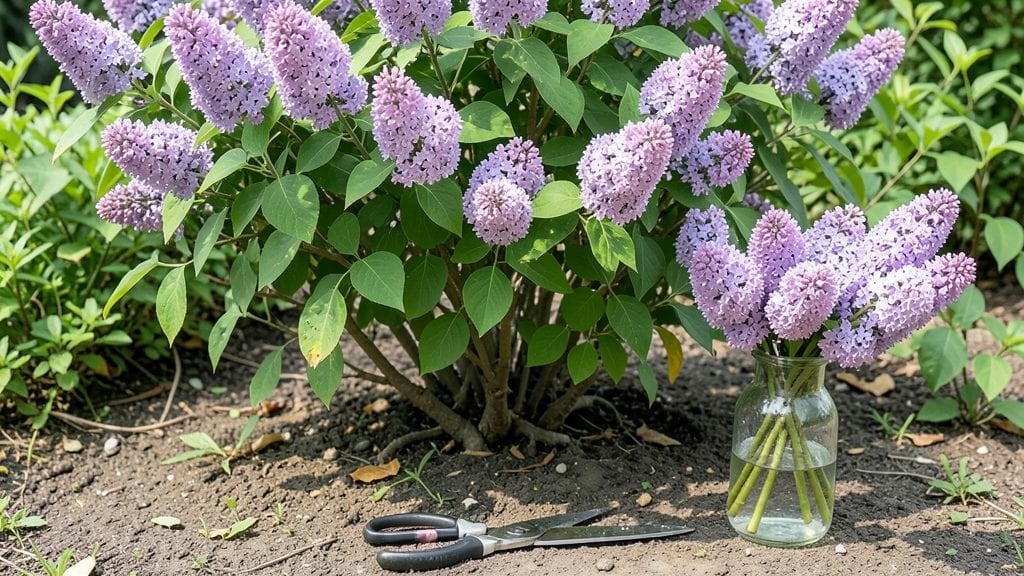
Cutting lilac flowers at the right moment transforms your garden into a fragrant, long-lasting bloom factory. 🌸 The secret to year-round blooms lies in timing—prune immediately after flowering, before the buds form for next season, and you’ll encourage thicker, more abundant growth.
My first attempt left bare stems and no reblooming, but I’ve since perfected the technique to get lush, healthy lilacs that reward you with cuttings for weeks.
You’ll need sharp bypass pruners, clean shears, and a bucket of water to keep stems fresh. The best time is right after the first flush of blooms fades, typically in late May or early June for most zones.
Avoid cutting into old wood—look for green stems just below the flower clusters. This method preserves the plant’s energy while giving you vibrant bouquets that last 10-14 days in a vase.
What you’ll end up with is a lilac bush that blooms more prolifically each year, producing stems with longer vase life and fewer leaves to weigh them down. The key is consistency: prune annually, fertilize lightly in spring, and avoid over-trimming.
Your garden will become a reliable source of fragrant cuttings, while the plant stays vigorous and healthy.
This approach works for all lilac varieties, from classic French lavender to dwarf varieties. Whether you’re harvesting for bouquets or maintaining the plant’s health, the same principles apply. Let’s get those blooms lasting longer and your lilacs thriving for seasons to come.
📚 In This Guide
- What you need
- Instructions
- Tips and common mistakes
- Wrapping up and next steps
What you need
- ● Pruning shears or bypass pruners: Sharp, clean shears (4-6" blades) for precise cuts. Pro tip: Disinfect with rubbing alcohol before and after use to prevent disease spread! 💡
- ○ Lopping shears (optional): For thicker branches (1-2" diameter), use bypass lopping shears for cleaner cuts.
- ● Gloves: Heavy-duty gardening gloves (nitrile-coated for grip and protection).
- ● Bucket or vase: A 5-gallon bucket with water (for immediate post-cutting care) or a clean vase for arranging.
- ○ Pruning saw (optional): For branches thicker than 2" in diameter—choose a curved blade for ease.
- ● Disinfectant (70% isopropyl alcohol or bleach solution): 1 part bleach to 9 parts water for sterilizing tools.
- ● Knee pads or stool: For comfort during extended pruning sessions.
- ● Twine or rubber bands: To bundle cuttings for transport or propagation.
- ● Sharpie marker: For labeling cuttings if you’re experimenting with propagation.
- ● Hose with nozzle: To rinse tools and clean up debris post-pruning.
- ● Extension ladder (if needed): For reaching higher branches safely.
- ● Timing knowledge: Prune lilacs immediately after flowering (late spring/early summer) or in late winter (dormant season). Avoid cutting back before blooms appear!
- ● Weather check: Choose a dry, overcast day to minimize stress on the plant.
- ● Safety gear: Sunglasses and sunscreen if working in direct sunlight.
Step-by-step guide to cutting lilac flowers for long-lasting blooms
Lilacs reward careful pruning with vibrant, abundant blooms for years—here’s how to time cuts for maximum impact.
⏰ Step 1: Time Your Pruning for Peak Performance
Cut lilac flowers immediately after they finish blooming, typically between late May and June. This timing ensures you remove spent blooms while leaving next year’s flower buds intact—those fat, swollen buds form on last year’s growth. If you prune too early, you risk cutting off next season’s blooms; too late, and you encourage leggy, overgrown stems.
Watch for the first signs of seed pods forming on your lilacs—this is your cue. The pods signal the plant has finished its current bloom cycle and is redirecting energy to seed production. Grab your pruners and work within 2-3 weeks of this stage for best results.
✂️ Step 2: Prune with Precision for Shape and Health
Use clean, sharp pruners to make cuts at a 45-degree angle, about ¼ inch above a bud or outward-facing leaf. This angle prevents water from pooling on the cut, which can rot stems. Focus on removing dead, crossing, or weak branches first—these compete with healthy growth and reduce air circulation, a key factor in disease prevention.
Shape your lilac by cutting back 1/3 of the oldest stems to the ground. These are the thickest, woody branches that produce fewer blooms over time. You’ll know you’ve done this right when the plant’s center opens up, allowing sunlight to reach all stems and encouraging even blooming.
🌿 Step 3: Encourage Year-Round Blooms with Seasonal Maintenance
After the initial post-bloom pruning, give your lilacs a light trim in late summer to remove any new growth that appears on old wood. This prevents the plant from setting new flower buds too late in the season, which can get damaged by winter frost. Avoid heavy pruning in fall or winter—lilacs need their energy reserves intact for spring growth.
In early spring, before buds swell, do a final check for any broken or diseased branches and remove them immediately. This keeps the plant healthy and sets it up for another round of stunning blooms. Mulch around the base with 2-3 inches of organic mulch to retain moisture and protect roots from temperature swings.
💧 Step 4: Water and Feed for Lush, Long-Lasting Blooms
Water deeply once a week during the first growing season after pruning, ensuring the soil stays moist but not soggy. Lilacs have deep roots, so aim for 1-2 inches of water per week, either from rainfall or irrigation. Overwatering leads to root rot, while underwatering stresses the plant and reduces bloom quality.
Apply a balanced, slow-release fertilizer in early spring, just as new growth begins. Look for a formula with equal parts nitrogen, phosphorus, and potassium (like 10-10-10) to support overall plant health. Avoid high-nitrogen fertilizers—they promote leafy growth at the expense of flowers. Stop fertilizing by mid-summer to let the plant focus on preparing for winter.
Tips & tricks for perfect lilac flower pruning
Mastering the art of lilac pruning transforms your garden from seasonal bursts of color to year-round beauty—here's how to avoid common pitfalls and elevate your technique.
Timing is Everything: The 2-3 week window after seed pods appear is your golden opportunity. I've learned the hard way that cutting too early risks removing next year's flower buds, while waiting too long leads to leggy, overgrown stems. Mark your calendar when you first spot those seed pods—this is your definitive cue to act. For northern climates where lilacs bloom earlier, you might need to start watching for seed pods in early May.
Precision Cutting Technique: That 45-degree angle isn't just for looks—it's a water management system. When you cut at this angle about ¼ inch above a bud, you prevent water from pooling on the cut surface, which dramatically reduces the risk of stem rot. I always test my pruners on a few small branches first to ensure they're sharp enough for clean cuts—dull blades crush stems instead of cutting cleanly.
Seasonal Maintenance Strategy: The late summer light trim might seem counterintuitive, but it's crucial for preventing late-season flower buds from forming on old wood. These buds often won't survive winter's freeze-thaw cycles. I recommend doing this trim in August when new growth appears—it's your last chance to shape the plant before winter dormancy begins. This single step can double your bloom production next spring.
Equipment Upgrade: Invest in a pair of bypass pruners with a comfortable grip—your hands will thank you after hours of precise work. I've found that pruners with a 5-6 inch blade length give me the best control for lilac stems, which can be quite thick. Always clean your pruners with rubbing alcohol between cuts to prevent spreading disease from any infected branches you might encounter.
Pro Tips for Cutting Lilac Flowers
- Mastering the art of lilac pruning transforms your garden from seasonal bursts of color to year-round beauty—here's how to avoid common pitfalls and elevate your technique.
- Timing is Everything: The 2-3 week window after seed pods appear is your golden opportunity.
- Precision Cutting Technique: That 45-degree angle isn't just for looks—it's a water management system.
Frequently asked questions
Got questions about cutting lilac flowers? You’re not alone! Here are answers to the most common queries—from timing to troubleshooting—to help you master the art of pruning for stunning, long-lasting blooms.
When is the best time to cut lilac flowers?
Cut lilacs after they’ve fully bloomed but before the buds open for next year. Aim for late spring to early summer (May–June). Avoid pruning in fall or winter, as this can damage the plant’s dormant buds. For container-grown lilacs, timing is even more critical—wait until half the flowers have faded.
How do I cut lilac flowers without harming the plant?
Use sharp, clean pruners and cut just above a set of leaves or bud (about ¼ inch above). Avoid cutting into old wood (brown stems)—this can stunt future blooms. For large stems, make a slight angle to prevent water pooling. Never cut more than ⅓ of the plant’s growth in one season.
Can I cut lilac flowers for bouquets, or should I leave them for the plant?
Yes! Cutting lilacs for bouquets is great, but limit it to ⅓ of the plant’s blooms per year. Focus on cutting spent flowers first to encourage more blooms. If you’re heavy-handed, save the pruning for late summer (after blooming) to avoid reducing next year’s flowers.
What if my lilac flowers don’t rebloom after cutting?
Reblooming depends on the variety—some lilacs (like ‘Katherine Havemeyer’) bloom once, while others (like ‘Miss Kim’) may rebloom if pruned correctly. If yours skips blooms, check for over-pruning, poor sunlight, or nutrient deficiencies. Fertilize lightly in early spring and ensure it gets 6+ hours of sun daily.
Are there alternatives if my lilacs aren’t ready to cut?
Try these low-maintenance alternatives for instant color:
- Zinnias – Fast-growing, cut-and-come-again blooms.
- Dahlias – Dramatic flowers that thrive with regular pruning.
- Cosmos – Drought-tolerant and self-seeding for easy harvests.
- Roses – Prune early blooms to encourage later flushes.
What should I do if my lilac stems bleed sap when cut?
Sap bleeding is normal and harmless! It’s the plant’s way of sealing wounds. To minimize mess, cut on a dry day and avoid pruning in extreme heat. If sap bothers you, wear gloves and clean your tools with rubbing alcohol afterward. No need to panic—it won’t hurt your lilac!
Wrapping up and next steps
Cutting lilac flowers is a rewarding way to enjoy their fragrant beauty while keeping your shrubs healthy and vibrant. By mastering the right timing—late spring to early summer—and using the proper techniques, you’ll encourage lush, year-round blooms that fill your garden (and home!) with color.
Whether you’re a seasoned gardener or a curious beginner, every snip brings you closer to a thriving lilac haven.
Ready to transform your garden? Grab your pruners and start cutting! 🌸 For even more tips, explore our guide on extending lilac bloom seasons or share your pruning wins with fellow gardeners—your lilacs will thank you!