
Pruning
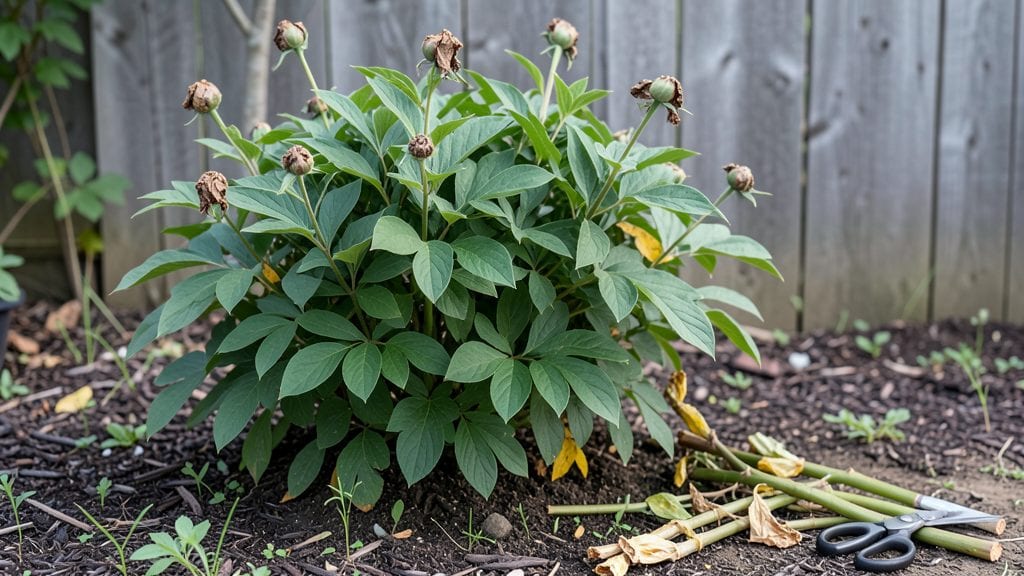
Pruning peonies after flowering isn’t just about tidying up—it’s the secret to next year’s showstopper blooms.
I’ve learned the hard way that cutting too soon or too much can leave your plants struggling, while the right timing and technique rewards you with lush, healthy growth and bold, abundant flowers.
The key is patience and precision: wait until the foliage yellows completely before pruning, and never cut back more than one-third of the plant. You’ll need clean, sharp pruners and a clear day to avoid spreading disease.
This simple routine takes just 10 minutes but makes all the difference for long-term plant vitality.
What you’ll get is a peony bush that comes back stronger every year, with larger blooms and fewer floppy stems. The yellowed leaves actually feed the roots, so resist the urge to clean up too early.
By following these steps, you’ll transform last year’s spent blooms into next season’s garden centerpiece.
Works for all peony varieties—herbaceous, intersectional, and tree peonies—though timing varies slightly by type. Here’s exactly how to do it without risking your plant’s health or future blooms.
📚 In This Guide
- What you need
- Instructions
- Tips and common mistakes
- Wrapping up and next steps
What you need
- ● Bypass pruners – Sharp, clean, and sterilized (avoid anvil pruners to prevent crushing stems).
- ● Hand pruners or loppers – For thicker stems (up to ½ inch in diameter).
- ● Gloves – Garden or work gloves to protect your hands from thorns and dirt.
- ○ Disinfectant (optional but recommended) – Rubbing alcohol (70%+), bleach solution (1:9 ratio), or hydrogen peroxide to sterilize tools.
- ● Garden shears or scissors – For finer cuts if needed (though pruners are ideal).
- ● Garden twine or rubber bands – To bundle pruned stems for disposal.
- ● Compost bin or trash bag – For removing dead foliage and stems.
- ● Knee pads – If your peonies are ground-level or you’ll be kneeling for extended periods.
- ● Pruning saw – For very thick, woody stems (rare for peonies but useful for established bushes).
- ● Garden hose or spray bottle – To rinse tools before and after pruning.
- ● Label markers – If you’re pruning multiple varieties and want to keep track.
Step-by-Step instructions for pruning peonies after flowering
Here's the simple method I use every year to keep my peonies blooming bigger and stronger.
Wait Until Flowers Are Fully Spent
Don't prune until the blooms have completely faded and the foliage begins to yellow naturally. I know it's tempting to clean up the garden after a beautiful display, but cutting back too soon starves the plant's roots of the energy they need to store for next year's blooms. Wait until the petals have browned and fallen away entirely—this usually happens about 4-6 weeks after flowering, depending on your climate.
If you live in a warm fall region, you might see new buds forming on the stems by late summer. In that case, wait until those buds open and then fade completely before pruning. Peonies are tough plants, and they'll reward your patience with even more dramatic blooms next season.
Cut Back Stems to the First Healthy Leaf Node
Using clean, sharp pruners or shears, cut each spent stem back to the first set of healthy green leaves. This is where the plant will send out new growth for next year. I like to make my cuts at a 45-degree angle, about ¼ inch above the leaf node, to prevent water from pooling and causing rot. Avoid cutting into the woody base of the plant—this is where the buds for next year's flowers are forming.
If you're unsure where to cut, look for the first pair of leaves that appear healthy and green. The stem below this point will be thicker and woody—leave it alone. You'll notice the stems become progressively thinner as you move upward. The thicker the stem, the more energy it contains that the plant needs to store for winter.
Remove All Dead or Diseased Foliage
After cutting back the flower stems, inspect the remaining foliage for any signs of disease, pests, or damage. Remove any leaves that are yellow, brown, or spotted with black or white patches. Use your pruners to make clean cuts just above a healthy leaf node or bud. This helps prevent the spread of disease and keeps the plant looking tidy.
I also like to thin out overly crowded stems to improve air circulation. If you have more than 3-5 strong stems per plant, you can remove some of the weaker ones at the base. This encourages the remaining stems to grow stronger and produce bigger blooms next year. Remember, peonies are slow growers, so don't over-prune—they'll thank you with years of beautiful flowers.
Clean Up Debris and Apply Mulch
Once you've finished pruning, gather all the cut stems and foliage and dispose of them in the trash or compost bin. Peony foliage can harbor fungal diseases, so don't leave it on the ground where it can reinfect your plants. After removing all the debris, spread a 2-3 inch layer of organic mulch, like shredded bark or compost, around the base of the plant.
This helps retain moisture, regulate soil temperature, and suppress weeds. I also like to water the plant deeply after mulching to help the roots establish and prepare for winter. Avoid overwatering, though—peonies hate soggy roots. A good rule of thumb is to water when the top 2-3 inches of soil feel dry to the touch.
Monitor and Prepare for Winter
In late fall, after the first hard frost, you can cut back any remaining foliage to about 2 inches above the ground. This makes it easier to clean up the garden and reduces the risk of disease over winter. However, if you live in a mild climate, you can leave the foliage until spring—it provides some insulation for the roots.
Peonies are hardy plants and can tolerate cold temperatures down to -20°F, so they don't need much winter protection. Just make sure they're well-mulched and watered before the ground freezes. In the spring, as soon as the soil thaws, remove the mulch and water the plants deeply to encourage new growth. You'll see fresh shoots emerging within a few weeks—this is your sign that the plant is ready for another season of blooming.
Tips & tricks for perfectly pruned peonies
Here's what nobody tells you about pruning peonies that makes all the difference between average blooms and show-stopping flowers.
Timing is Everything: The 4-6 week waiting period after flowering in Step 1 is crucial because peonies store energy in their roots during this time. If you prune too soon, you're essentially cutting off the plant's food supply right when it needs it most. I've learned the hard way—after pruning too early, my peonies produced half the blooms the following year. Mark your calendar right after your peonies finish flowering to remember when to prune.
Tool Selection Matters: Using clean, sharp pruners isn't just about making neat cuts—it's about plant health. Dull blades can crush stems, creating entry points for diseases. I keep a dedicated pair of pruners just for peonies and sterilize them with rubbing alcohol between uses. For larger stems, I use loppers with a bypass blade, which gives me more leverage without damaging the plant. The 45-degree angle cut in Step 2 also helps prevent water from sitting on the wound, which is key for preventing rot.
Visual Cues for Pruning: When you're deciding where to cut in Step 2, look for the first set of healthy green leaves that appear vibrant and full. The stem below this point should be noticeably thicker and woody—this is your visual cue that you're cutting in the right place. I've found that the thicker the stem at the cut point, the more energy the plant has stored for next year's blooms. If you're unsure, err on the side of leaving more stem—you can always trim back more next year if needed.
Winter Prep Strategy: That 2-3 inch layer of mulch in Step 4 isn't just for looks—it's insulation. In colder climates, this extra layer can make the difference between a peony that survives winter and one that struggles. I like to use shredded bark because it breaks down slowly, providing long-term benefits. And remember, peonies are tough—they can handle down to -20°F, but proper mulching gives them that extra protection they need to store energy for next spring's spectacular blooms.
Pro Tips for Prune Peonies After Flowering
- Here's what nobody tells you about pruning peonies that makes all the difference between average blooms and show-stopping flowers.
- Timing is Everything: The 4-6 week waiting period after flowering in Step 1 is crucial because peonies store energy in their roots during this time.
- Tool Selection Matters: Using clean, sharp pruners isn't just about making neat cuts—it's about plant health.
Frequently asked questions
Got questions about pruning peonies? You’re not alone! Here are answers to the most common concerns—so you can confidently trim your plants and set the stage for stunning blooms next season.
When is the exact best time to prune peonies after flowering?
Prune peonies 6–8 weeks after they finish blooming (typically late summer to early fall). This gives the plant time to store energy in its roots for next year’s growth. Avoid cutting back too early—you might accidentally remove next season’s flower buds!
What if I missed the window? Can I still prune peonies?
Yes! If you skip the ideal timing, prune in early spring before new shoots emerge. Just avoid heavy cuts—focus on removing dead or diseased stems. Late pruning may reduce next year’s blooms, but your peonies will still recover.
Should I cut back peonies to the ground, or leave some foliage?
Never cut to the ground!
Leave 2–3 inches of stems above soil level. The foliage feeds the plant until dormancy, ensuring strong root growth. Over-pruning can weaken peonies and delay—or even prevent—future blooms.
Why do my peonies have fewer flowers after pruning?
Peonies bloom on old wood, so aggressive pruning (like cutting stems too short) can reduce flowers. Stick to the 6-week rule and avoid removing more than 1/3 of the foliage. Patience pays off—healthy roots = more blooms next year!
Can I divide my peonies while I’m pruning?
Yes! Fall is the best time to divide peonies (after blooming but before hard frost). Dig up clumps, separate crowns with 3–5 eyes each, and replant immediately. Just avoid dividing young plants—they need 3–5 years to establish strong roots for division.
Pro Tip:
Mark your calendar!
Since peonies bloom at different times, jot down when your specific variety finishes flowering. This ensures you prune at the perfect moment—no guesswork, just perfectly timed trims for next year’s showstopper blooms.
Wrapping up and next steps
Pruning peonies after flowering is your secret weapon for showstopping blooms next season—just follow the simple steps of deadheading, trimming foliage, and avoiding over-pruning. With the right tools and timing, you’ll keep your peonies thriving for years to come! 🌸✨
Now that you’re armed with the know-how, grab your pruners and give your peonies the care they deserve. Watch them reward you with even more vibrant, healthy blooms in the years ahead!