
Flowers
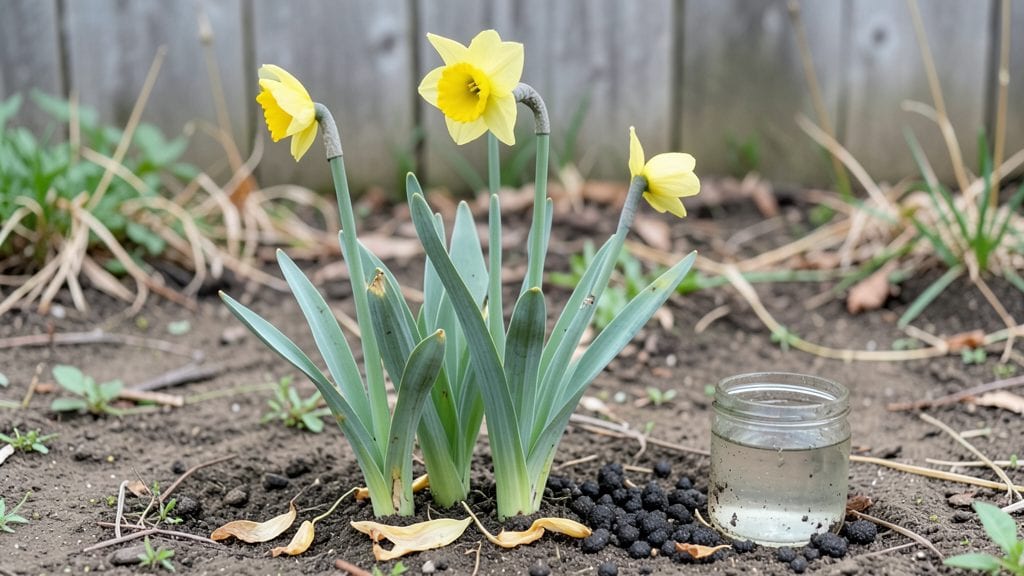
Mastering daffodil flower care guarantees bursts of golden cheer each spring—even through brutal winters—because these tough bulbs demand almost nothing but good soil, sunlight, and a little waiting. 🌱 after blooming. The secret to their longevity lies in how you handle them after those vibrant flowers fade.
You’ll need basic tools: a trowel for planting, a balanced fertilizer (like 10-10-10), and sharp pruners for cleanup. Daffodils hate soggy roots, so raised beds or amended garden soil with compost works best. Most gardeners overwater them—just keep the soil slightly moist, not soaked, especially after planting bulbs in fall.
By summer, you’ll see lush foliage that stores energy for next year’s blooms. Let it yellow naturally before cutting back—this ensures strong bulbs for another season. With proper care, your daffodils multiply over time, creating natural clusters that brighten your landscape for decades.
The best part? They’re deer-resistant and bloom before pests wake up in spring. Whether you’re a first-time gardener or a seasoned pro, daffodils reward even the smallest efforts with months of effortless color.
📚 In This Guide
- What you need
- Instructions
- Tips and common mistakes
- Wrapping up and next steps
What you need
- ● Daffodil bulbs: Choose healthy, firm bulbs (size depends on variety—typically 3-6 inches deep for most types).
- ● Well-draining soil: A mix of garden soil, compost, and perlite or sand (ratio: 60% soil, 30% compost, 10% perlite).
- ● Organic fertilizer: A balanced 10-10-10 or bulb-specific fertilizer (use sparingly—follow package instructions).
- ● Watering can or hose: With a gentle spray nozzle for even moisture.
- ● Pruners or sharp scissors: Sterilized to prevent disease (clean with rubbing alcohol).
- ● Mulch: Straw, shredded leaves, or pine needles (2-3 inches thick for winter protection).
- ● Garden gloves: To protect hands while handling soil or bulbs.
- ● Trowel or bulb planter: For digging holes with precision.
- ● Potting mix: If growing in containers (ensure it’s lightweight and well-draining).
- ○ Daffodil-specific pesticide (optional): For pest control (e.g., neem oil or systemic granules).
- ○ Stakes or supports (optional):strong> For tall varieties to prevent flopping in wind/rain.
- ○ pH testing kit (optional):strong> To check soil acidity (ideal range: 6.0–7.0).
Step-by-step guide to year-round daffodil flower care
Here's how to keep your daffodils thriving through every season—no matter how harsh the winter.
🌱 Step 1: Plant Bulbs at the Right Depth and Time
Daffodils need 6-8 weeks of cool weather to root properly before blooming. Plant bulbs in fall, about 6-8 weeks before your first hard frost. Dig holes 6 inches deep—twice the height of the bulb—and space them 4-6 inches apart for clusters or 12 inches apart for single stems.
Use well-draining soil with a mix of organic matter like compost. Press the bulb into the hole so the pointed end faces up—this ensures the stem grows straight. Cover it with soil and water lightly to settle it in. The key is getting the timing right: if planted too early, bulbs may sprout and get killed by frost; too late, and they won’t establish roots before winter.
☀️ Step 2: Provide Sunlight and Water for Strong Growth
Daffodils thrive in full sun to partial shade, with at least 6 hours of direct sunlight daily. Plant them in a spot where they’ll get morning sun and afternoon shade if your climate is very hot. Mulch around the base with 2-3 inches of organic mulch (like shredded bark or straw) after planting to insulate roots and retain moisture.
Water deeply after planting, then once a week during the growing season unless rain provides 1 inch of moisture. You’ll know they’re getting enough water when the soil feels moist 2-3 inches down. Overwatering is the biggest mistake—daffodils hate soggy roots, which can cause rot. Once foliage appears in spring, stop watering entirely until new growth emerges in fall.
✂️ Step 3: Deadhead and Fertilize for Next Year’s Blooms
After flowers fade, cut the spent blooms off at the stem base—but never cut the leaves. Those leaves are powering next year’s bloom through photosynthesis. Let them yellow naturally and die back on their own. If you’re impatient and cut them too soon, you’ll weaken the bulb and reduce—or even eliminate—next year’s flowers.
In early fall, after the leaves have died back, apply a balanced, slow-release fertilizer (like 10-10-10) around the base. Use about 1 tablespoon per bulb and water it in. This gives the bulb a nutrient boost before winter dormancy. Avoid high-nitrogen fertilizers in spring—they encourage leafy growth at the expense of blooms.
❄️ Step 4: Protect Bulbs Through Winter
Daffodils are frost-resistant, but extreme cold or wet conditions can damage bulbs. In areas with prolonged sub-zero temperatures or heavy snow, add an extra 2-3 inches of mulch in late fall to insulate the soil. This prevents the ground from freezing too deeply and protects the bulbs from temperature swings.
If your winter is particularly harsh, you can also cover the planting area with a lightweight frost blanket or burlap sack. Remove it in early spring once the ground thaws—usually when you can work the soil without it being rock-hard. The goal is to shield bulbs from freezing and thawing cycles, which can crack them open and invite rot.
🌿 Step 5: Monitor for Pests and Diseases
Daffodils are generally pest-resistant, but keep an eye out for squirrels and deer, which love digging up bulbs. If you notice missing bulbs, consider planting them in a wire mesh cage or using repellents like garlic spray. For diseases, watch for gray mold on flowers or bulb rot in wet conditions. Improve airflow by spacing plants properly and avoid overhead watering.
If you see aphids on the stems or leaves, spray with a soapy water solution (1 tablespoon mild dish soap per gallon of water). For severe infestations, use neem oil—but apply it in early morning to avoid harming pollinators. Healthy daffodils are resilient, so prevention (like proper planting and watering) is your best defense.
Tips & tricks for perfect daffodil flower care
These simple yet game-changing tips will help you avoid common mistakes and keep your daffodils blooming beautifully year after year.
The Timing Secret: Don't guess when to plant! Use your average first frost date as your guide. For example, if your first frost typically hits November 15th, plant bulbs around September 28th to give them that critical 6-8 weeks of cool weather. I always check my local weather records or use a frost calendar app to pinpoint the exact date—this makes all the difference for strong root development.
Soil Insight: Daffodils despise soggy soil, so amending your garden bed with compost or well-rotted manure before planting improves drainage significantly. I like to mix in a handful of coarse sand or perlite to break up heavy clay soils. This prevents the dreaded bulb rot that can kill your plants before they even bloom.
Winter Protection Strategy: In areas with prolonged sub-zero temperatures, I recommend adding a thick layer of straw mulch (at least 4-6 inches) over your planting area after the ground freezes. This creates an insulating blanket that prevents the soil from freezing too deeply. Just remember to remove it in early spring once the ground thaws—usually when you can easily push a trowel into the soil without resistance.
Fertilizer Timing: The key to next year's blooms is fertilizing at the right time—early fall, after the leaves have died back completely. I use a balanced, slow-release fertilizer (like 10-10-10) because it provides steady nutrients without encouraging excessive leaf growth at the expense of flowers. Avoid spring fertilizing—this is when many gardeners make the mistake of using high-nitrogen fertilizers, which results in lush foliage but no blooms.
Pro Tips for Daffodil Flower Care
- These simple yet game-changing tips will help you avoid common mistakes and keep your daffodils blooming beautifully year after year.
- The Timing Secret: Don't guess when to plant!
- Soil Insight: Daffodils despise soggy soil, so amending your garden bed with compost or well-rotted manure before planting improves drainage significantly.
Frequently asked questions
When is the best time to plant daffodil bulbs for spring blooms?
Plant daffodil bulbs in fall (6-8 weeks before the first hard frost), typically between October and December in most U.S. zones. This gives roots time to establish before winter. For warmer climates (zones 8-10), plant in late fall or early winter—just avoid soggy soil. Pro tip: Use a bulb planter or trowel to place bulbs 6-8 inches deep and 3-4 inches apart for clusters.
Can daffodils survive winter frost, or do I need to protect them?
Daffodils are frost-resistant champions! Most varieties thrive in USDA zones 3-8 and don’t need extra winter care. However, in extreme cold (below 0°F), mulch lightly with straw or leaves to insulate bulbs. Avoid heavy mulch—it can rot stems. Once spring arrives, remove mulch to prevent disease.
Why aren’t my daffodils blooming this year? Troubleshooting tips?
No blooms? Don’t panic! Common culprits include:
- Too much shade: Daffodils need full sun to partial shade (4-6 hours of light).
- Overcrowded bulbs: Divide bulbs every 3-5 years if flowers shrink.
- Poor drainage: Bulbs rot in soggy soil—plant on a slope or amend soil with sand.
- Lack of nutrients: Feed with balanced fertilizer (10-10-10) in early spring.
Are daffodils toxic to pets or kids? Safety first!
Yes, daffodils are toxic if ingested due to lycorine, a compound that can cause vomiting or diarrhea. Keep them out of reach of curious pets and children. If accidental ingestion occurs, contact a vet or poison control immediately. Opt for pet-safe alternatives like tulips (non-toxic varieties) or marigolds if safety is a concern.
Can I grow daffodils in containers? What’s the trick?
Use a container with drainage holes and plant bulbs 6 inches deep in well-draining potting mix. Choose shallow pots for single bulbs or larger ones for clusters. Move containers to a cool, dark place (like a garage) in winter to mimic dormancy, then bring them back indoors for spring blooms.
How do I make my daffodils rebloom next year?
Reblooming takes patience! After flowers fade, leave foliage until it yellows (6-8 weeks)—this feeds the bulb for next year. Deadhead spent blooms but never cut foliage. For second blooms, choose reblooming varieties like ‘Ice Follies’ or ‘Tête-à-Tête’, and fertilize lightly in early spring and after blooming.
Wrapping up and next steps
Caring for daffodils is a rewarding journey that brings bursts of sunshine to your garden year after year! 🌸 With their frost-resistant nature and simple needs—think well-draining soil, bright light, and minimal fuss—these cheerful blooms thrive with just a little love.
Whether you’re a seasoned gardener or a newbie, these tips ensure your daffodils will pop with color season after season.
Ready to level up your garden game? Grab your gloves, pick a sunny spot, and plant those bulbs this fall—your future spring display will thank you! 🌱 For extra flair, try mixing in companion plants like crocuses or tulips for a show-stopping border. Happy gardening! 😊