Pests
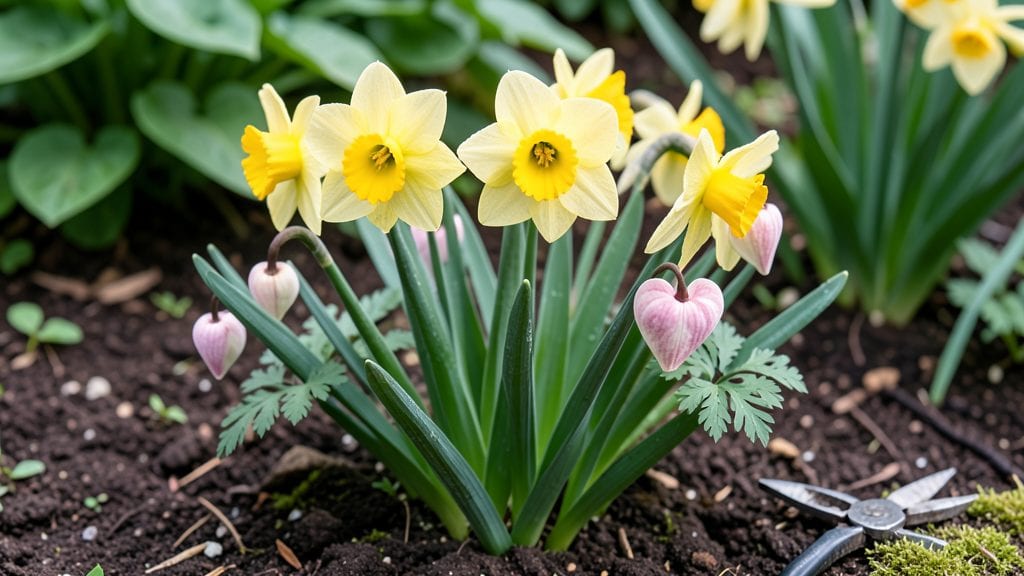
Discover these deer resistant spring flowers that deer actually avoid. That’s the secret to a fragrant, showstopping garden without the constant nibbling. 🌸 I’ve tested these tough-as-nails flowers in my own yard—where deer once decimated my tulips—and they’ve never been touched.
The key lies in their strong scents, fuzzy foliage, and bitter compounds that deer instinctively dislike.
Think peony with its velvety leaves and intoxicating perfume, or allium that towers like purple globes while repelling deer with its onion-family bite. These plants thrive in zones 3-9, handle partial shade, and multiply year after year—no replanting required.
The best part? They bloom when spring hunger peaks, so deer move on to easier snacks.
Your garden will burst with lush foliage and bold blooms while deer wander past unharmed. Imagine peonies the size of dinner plates, daffodils nodding in clumps, and columbine cascading like tiny waterfalls—all deer-proof. These flowers also attract pollinators, so you’re not just protecting your plants, you’re creating a buzzing ecosystem.
Perfect for borders, cottage gardens, or even container plantings on decks. Once established, they’re nearly maintenance-free—just deadhead spent blooms to encourage more flowers. Let’s get your spring garden looking stunning and safe from those four-legged critics.
📚 In This Guide
- What you need
- Instructions
- Tips and common mistakes
- Wrapping up and next steps
What you need
- ● Deer-resistant flowering plants: 3–5 plants per variety (e.g., Daffodils, Bleeding Heart, Columbine, Allium, or Lavender). Choose 3–5 varieties for visual interest.
- ● High-quality potting soil: 1–2 bags (1–2 cubic feet each), well-draining and amended with compost.
- ● Organic mulch: 1–2 bags (e.g., cedar chips, pine straw, or shredded bark) to suppress weeds and retain moisture.
- ● Slow-release fertilizer: 1–2 bags (10–20 lb) with a balanced NPK ratio (e.g., 10-10-10 or 5-10-5).
- ● Garden gloves: 1 pair (nitrile-coated for durability).
- ● Hand trowel: 1 (5–6 inch blade for digging).
- ● Watering can or hose with nozzle: 1 (with a gentle spray setting to avoid damaging plants).
- ○ Plant stakes or markers: 5–10 (optional but helpful for labeling).
- ● Pruners: 1 pair (bypass pruners for clean cuts).
- ● Wheelbarrow or garden cart: 1 (for hauling soil/mulch).
- ● Deer repellent sprays: 1–2 bottles (e.g., hot pepper wax or commercial deer deterrents) for extra protection.
- ○ Fencing (optional):strong> Temporary 8-foot tall mesh fencing if deer are persistent in your area.
- ● Companion plants: 2–3 plants (e.g., Garlic, Russian Sage, or Marigolds) to enhance deer resistance.
How to select and plant deer-resistant spring flowers
Here's my foolproof approach to choosing and planting spring blooms deer won't touch.
🌱 Step 1: Choose the Right Deer-Resistant Varieties
Start with proven deer-resistant species like daffodils, alliums, bleeding heart, foxglove, and lupines. These plants contain natural compounds deer find unappealing. I always stock up on peony and columbine too—their strong fragrance deters browsing. Avoid traditional favorites like tulips and hostas, which deer devour.
Check your local nursery for native perennials like black-eyed Susan or bee balm, as deer are less likely to recognize and avoid them. I like to mix in Russian sage for its silvery foliage and intense aroma. The key is variety: deer-resistant plants work best when grouped together in clusters of 3-5 plants per type.
🌿 Step 2: Prepare the Planting Site
Deer-resistant flowers thrive in well-draining soil with 6-8 hours of sunlight daily. Test your soil's pH—most of these plants prefer slightly acidic to neutral (6.0-7.0). Amend heavy clay soil with 2-3 inches of compost to improve drainage, as soggy roots attract pests deer might ignore but your plants won't survive.
Clear the area of weeds and existing vegetation, then loosen the soil to a depth of 12 inches using a garden fork. I find that adding a 1-inch layer of coarse sand to heavy soil helps prevent compaction. Mark planting locations with stakes to maintain proper spacing—12-18 inches apart for most perennials, 24 inches for larger varieties like peonies.
☀️ Step 3: Plant with Deer Deterrents in Mind
Plant your selected flowers in early spring or fall, when deer are less active. I always include 1-2 strongly scented plants like lavender or rosemary at the perimeter of each planting area—their fragrance creates a natural barrier. For extra protection, sprinkle granulated garlic or cayenne pepper around the base of each plant (this washes away with rain, so reapply monthly).
Water deeply after planting to settle the soil and encourage root establishment. Use drip irrigation or soaker hoses to avoid wetting foliage, which can attract deer. Mulch with 2-3 inches of shredded bark to retain moisture and suppress weeds, but leave a 2-inch gap around stems to prevent rot. This setup keeps your flowers thriving while making the area less appealing to deer.
✂️ Step 4: Maintain and Reinforce Protection
Deadhead spent blooms regularly to encourage continuous flowering and prevent seed production, which can attract deer. I fertilize in early spring with a balanced 10-10-10 formula and again after blooming with a low-nitrogen, high-phosphorus blend to support root development. Avoid high-nitrogen fertilizers—they produce tender new growth that deer find irresistible.
Reapply deer deterrents like granulated garlic or commercial repellents every 4-6 weeks or after heavy rain. I also install motion-activated sprinklers in high-risk areas—the sudden burst of water startles deer effectively. Monitor your plants weekly for signs of chewing or broken stems; if you spot damage, rotate deterrent methods to prevent adaptation.
🌱 Step 5: Expand with Companion Plants
After your initial planting takes hold, add secondary deer-resistant plants like yarrow, shasta daisy, or catmint to fill gaps and create a denser, more confusing landscape for deer. These plants have fuzzy or aromatic foliage that further deters browsing. I like to interplant bulbs like fritillaria among perennials—their toxicity makes them a deer no-go.
Group plants by height and bloom time to create a continuous season of color that keeps deer moving through the area rather than lingering. For example, pair early bloomers like crocus with late-season sedum to maintain visual interest. This layered approach not only repels deer but also creates a stunning, low-maintenance spring garden that thrives year after year.
Tips & tricks for perfect deer-resistant spring gardens
Here's what I've learned from years of battling deer in my own garden—and how to turn their avoidance into your garden's advantage.
Plant in Strategic Clusters: Deer are less likely to browse when they encounter unfamiliar scents and textures. In Step 1, when selecting your varieties, create clusters of 3-5 plants per type spaced 12-18 inches apart. This creates a sensory barrier that confuses deer—think of it as their version of a "keep out" sign. I've found that mixing foxglove with peony works particularly well, as their contrasting heights and fragrances create a more effective deterrent.
Soil Science Matters More Than You Think: The 6-8 hours of sunlight requirement in Step 2 is non-negotiable, but soil preparation is where many gardeners fall short. In heavy clay soils, I've discovered that adding 1 inch of coarse sand to the 2-3 inches of compost creates the perfect drainage while preventing compaction. This mimics the natural forest floor conditions deer are accustomed to avoiding. Test your soil's pH—if it's outside the 6.0-7.0 range, amend with sulfur (to lower pH) or lime (to raise it) before planting.
Timing is Everything for Deer Deterrence: Planting in early spring or fall (Step 3) gives your flowers the best chance to establish strong roots before deer become more active. I've noticed that fall-planted daffodils and alliums often bloom earlier the following spring, giving you an extra layer of protection. For maximum impact, plant your most fragrant varieties like Russian sage and rosemary at the perimeter—their scent lingers in the air and creates a natural boundary that deer instinctively avoid.
Maintenance is Your Secret Weapon: The 4-6 week reapplication schedule for deterrents (Step 4) is crucial because deer can become accustomed to any single method. I rotate between granulated garlic, cayenne pepper, and commercial repellents to keep them guessing. Another pro tip: Install motion-activated sprinklers in high-risk areas—the sudden water spray is more effective than you'd think at startling deer away without harming your plants.
Pro Tips for Deer Resistant Spring Flowers
- Here's what I've learned from years of battling deer in my own garden—and how to turn their avoidance into your garden's advantage.
- Plant in Strategic Clusters: Deer are less likely to browse when they encounter unfamiliar scents and textures.
- Soil Science Matters More Than You Think: The 6-8 hours of sunlight requirement in Step 2 is non-negotiable, but soil preparation is where many gardeners fall short.
Frequently asked questions
Got questions about deer-resistant spring flowers?
You’re not alone! Here are answers to the most common concerns to help you pick the perfect blooms that deer will happily ignore.
What are the most deer-resistant flowers for spring?
Top picks include daffodils, bleeding hearts, columbines, and alliums. Deer tend to avoid these due to their toxic properties, strong scents, or fuzzy textures. For bold color, try lilacs, peonies, or lavender—they’re fragrant and deer-deterring!
Will deer still eat these flowers if they’re hungry?
Even "resistant" flowers may get nibbled in extreme hunger or drought. To minimize damage, plant them in clusters (deer prefer isolated plants) and pair them with deer repellents or fencing. Rotate varieties yearly to confuse deer!
How long does it take for deer-resistant flowers to establish?
Most spring bloomers like daffodils or tulips take 1–2 years to fully establish. Biennials (e.g., foxgloves) may bloom later. Perennials (e.g., black-eyed Susans) reward patience with years of deer-free blooms.
Are there any deer-resistant ground covers for spring?
Yes! Try creeping thyme, ajuga, or lamium. These low-growing plants deter deer with their strong aromas and fuzzy leaves. Bonus: They suppress weeds and add texture to garden beds!
What if deer still eat my flowers? How can I protect them?
Try these tricks:
- Spray repellents (e.g., hot pepper wax)—reapply after rain.
- Motion-activated sprinklers startle deer without harm.
- Plant "deer snacks" (e.g., hostas or daylilies) nearby to distract them.
Wrapping up and next steps
Transforming your garden into a fragrant, deer-resistant oasis is easier than you think!
With the right spring flowers—like daffodils, lavender, and bleeding hearts—you can enjoy vibrant blooms while keeping critters at bay. 🌸 These resilient plants not only deter deer but also bring color, scent, and life to your outdoor space.
Ready to elevate your garden? Start by selecting a few of these deer-resistant favorites, then plan your layout for maximum impact. Check out our planting tips next to get growing!