
Flowers
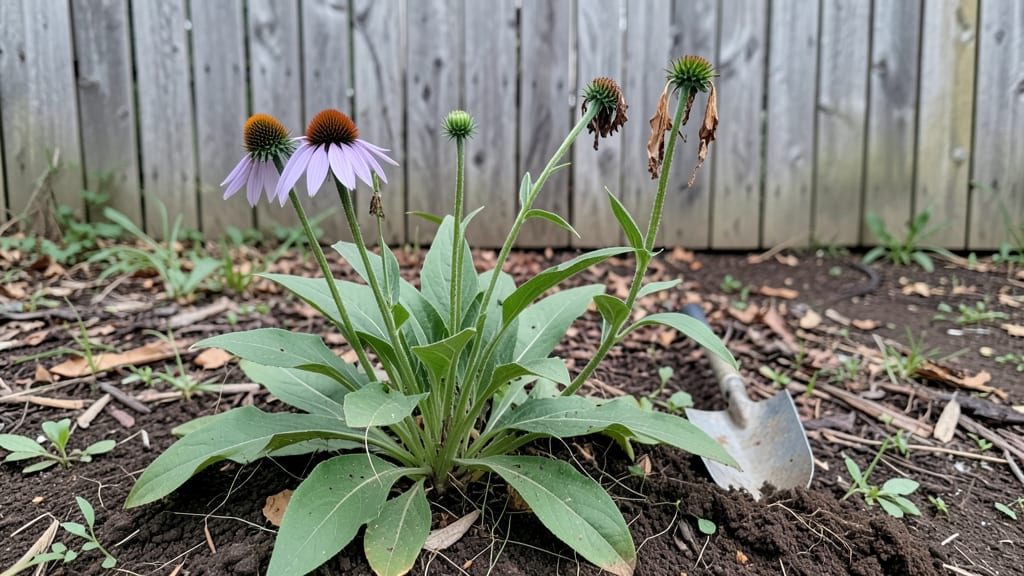
Dividing purple coneflower isn’t just about making room—it’s about doubling your pollinator power. 🌿 I’ve learned the hard way that skipping this every 3-4 years turns those once-vibrant blooms into sparse, leggy shadows. The secret? Timing, sharp tools, and knowing exactly where to slice.
Spring or early fall is your window—April or September—when roots are active but not stressed. Grab a sharp spade, gloves, and a wheelbarrow for hauling those clumps. You’ll end up with 3-5 strong divisions per mature plant, each ready to thrive in its new spot.
What you’ll get is bigger, bushier plants with more blooms next season. Butterflies and bees will flock to your garden like never before, and you’ll have extras to share with neighbors who’ll envy your effortless propagation.
Even if you nick a root or two, these tough plants bounce back. Just keep them watered for the first two weeks, and you’ll be rewarded with bold purple blooms that outshine anything from the nursery.
📚 In This Guide
- What you need
- Instructions
- Tips and common mistakes
- Wrapping up and next steps
What you need
- ● Healthy, mature purple coneflower plants: At least 3–5 years old (they’re ready to divide!). Aim for 2–3 plants if you’re a beginner.
- ● Sharp bypass pruners or clean garden shears: Sterilize with rubbing alcohol to prevent disease spread.
- ● Garden fork or digging spade: A sturdy, heavy-duty fork (like a dandelion digger) works best for breaking up roots.
- ● Garden hose or watering can: For pre- and post-division hydration.
- ● Compost or well-aged manure: 2–3 gallons per divided plant to enrich the soil.
- ○ Mulch (optional but recommended): 2–3 inches of shredded bark or straw to retain moisture.
- ● Rooting hormone: Speeds up establishment if transplanting in hot/dry conditions.
- ● Plant labels: Mark new divisions with plant tags (include date and variety).
- ● Garden gloves: Protect your hands from thorns and soil-borne pathogens.
- ● Wheelbarrow or bucket: For hauling divided clumps and compost.
- ● Pruning sealer (for cuts >1 inch): Only needed if dividing in late summer/fall.
Step-by-Step instructions for dividing purple coneflower
Here’s how I divide these tough, pollinator-loving perennials—keeping them healthy and spreading your garden’s beauty.
✂️ Step 1: Choose the Right Time and Healthy Clumps
Divide purple coneflower (Echinacea purpurea) in early spring or fall, when the plant is actively growing but not flowering. Look for clumps with multiple stems (3–5 years old) showing signs of crowding—thin centers with fewer blooms and leggy stems. Avoid dividing plants younger than 3 years; they need that time to establish strong roots.
Dig around the entire clump with a shovel or spade, lifting it carefully to expose the roots. You’ll see distinct sections with their own root systems. Use clean, sharp tools to prevent disease—dull blades tear roots and stress the plant. If the soil is dry, water the area 24 hours before to make digging easier and reduce root damage.
🌱 Step 2: Separate the Roots Gently
Rinse the clump lightly to clear away soil, then gently pull or cut it into sections with 3–5 stems each and healthy roots (at least 4–6 inches long). Avoid tearing roots—this is where new growth starts. If roots are tightly bound, use sterilized pruners to separate them cleanly. Discard any sections with mushy, dark roots (signs of rot) or no visible buds—these won’t regrow.
Here’s the thing—size matters. Smaller divisions (2–3 stems) establish faster but take longer to flower. Larger ones (5+ stems) bloom sooner but may struggle in crowded spots. I aim for medium-sized sections—they strike a balance between quick recovery and robust growth. Label each division with the date and variety if you’re working with multiple types.
☀️ Step 3: Prepare Planting Sites for Immediate Transplanting
Amend the new planting area with 2–3 inches of compost mixed into the top 6 inches of soil. Purple coneflower thrives in full sun (6+ hours daily) and well-draining soil—they hate soggy roots. If your soil is heavy clay, add sand or perlite to improve drainage. Space divisions 18–24 inches apart to give them room to spread without competing for nutrients.
Dig holes slightly deeper than the root ball but no wider—this encourages downward growth. Place each division in its hole, backfilling with soil until the crown (where stems meet roots) sits level with the soil surface. Water deeply to settle the soil and eliminate air pockets. Mulch with 2 inches of organic mulch (like shredded bark) to retain moisture and suppress weeds—just keep it 3 inches away from the crown to prevent rot.
💧 Step 4: Water and Monitor for New Growth
Water the newly divided plants deeply every 2–3 days for the first 2 weeks, then taper to once a week once they’re established. You’ll know they’re settling in when new leaves appear—this usually happens within 3–4 weeks. Avoid overhead watering after planting; it can spread disease. Instead, water at the base for targeted moisture.
Watch for wilting or yellowing leaves—this often means overwatering or poor drainage. If you see this, let the soil dry out slightly before watering again. Fertilizer isn’t needed immediately; the disturbed roots are sensitive to nutrients right after transplanting. Wait until new growth is 3–4 inches tall before applying a balanced, slow-release fertilizer (10-10-10) to support recovery.
⏰ Step 5: Prune and Maintain for Next Season’s Blooms
In late fall or early spring, cut back the previous year’s stems to 2–3 inches above the ground. This removes dead foliage, improves airflow, and redirects energy to new growth. Avoid pruning in summer—you’ll sacrifice next year’s blooms. After pruning, add a 1-inch layer of compost around the base to replenish nutrients.
Divided purple coneflower should flower the following year if cared for properly. If they skip blooming, check for overcrowding (they need space!) or poor soil (amend with compost annually). These plants are drought-tolerant once established, but consistent moisture in their first year ensures they thrive. With this method, you’ll have vibrant, pollinator-friendly blooms for years to come.
Tips & tricks for perfect purple coneflower division
These pro tips will help you propagate healthy, thriving purple coneflowers that'll reward you with years of pollinator-friendly blooms.
Timing is Everything: The 24-hour watering tip in Step 1 is crucial—it softens the soil just enough to make digging easier without turning your garden into mud. I've learned the hard way that skipping this can lead to torn roots and stressed plants. If you're working with particularly dry soil, consider watering twice in the 24-hour period, but avoid waterlogging the area.
Root Health Check: When separating roots in Step 2, focus on both length and color. Healthy roots should be white or light tan, with no green or dark brown spots. I always look for roots that are at least 4-6 inches long—this gives your new divisions enough energy to establish themselves. If you're unsure about a root's health, it's better to be safe and discard it rather than risk transplant shock.
Crown Position Matters: In Step 3, getting the crown level with the soil surface is more important than you might think. If you bury the crown too deeply, it can rot; if you leave it too high, the plant may struggle to establish. I use a small stick or pencil as a guide to check the depth—just make sure it's flush with the surrounding soil when you're done planting.
Post-Division Care: The first 4 weeks after transplanting are critical for new growth. During this time, I monitor my plants closely for signs of stress like wilting or yellowing leaves. If you notice these symptoms, it's usually a sign of overwatering or poor drainage. Let the soil dry out slightly between waterings and consider amending the planting area with additional compost if needed.
Pro Tips for Dividing Purple Coneflower
- These pro tips will help you propagate healthy, thriving purple coneflowers that'll reward you with years of pollinator-friendly blooms.
- Timing is Everything: The 24-hour watering tip in Step 1 is crucial—it softens the soil just enough to make digging easier without turning your garden into mud.
- Root Health Check: When separating roots in Step 2, focus on both length and color.
Frequently asked questions
Got questions about dividing purple coneflower? You’re not alone!
Whether you're a seasoned gardener or a newbie with a shovel, these answers will help you grow a thriving patch of these pollinator magnets. Let’s dive in!
When is the best time to divide purple coneflower?
Divide your purple coneflower in early spring (just as new growth emerges) or early fall (before frost). Avoid mid-summer—plants are stressed from blooming, and dividing then can shock them. Spring division gives roots time to establish before summer heat, while fall division lets them settle before winter dormancy.
How do I know if my purple coneflower needs dividing?
Your plant likely needs dividing if:
- It’s crowded—clumps over 18–24 inches wide with fewer blooms.
- Flower production declines despite good care.
- Leaves look yellow or sparse at the center.
- You spot fewer stems per plant (ideal: 3–5 per division).
Dividing every 3–4 years keeps plants healthy and vibrant!
Can I divide purple coneflower in pots or containers?
Yes! Purple coneflower thrives in containers, but dividing requires extra care. Use a large pot (at least 12–14 inches deep) with drainage holes and well-draining soil. Gently remove the rootball, separate clumps with a clean knife, and replant immediately. Water thoroughly and place in partial shade for a week to reduce stress. Containers dry out faster, so monitor moisture closely.
Will dividing hurt my purple coneflower’s ability to attract pollinators?
Not at all! In fact, dividing boosts blooms and pollinator appeal. Healthy, well-spaced plants produce more flowers, providing bees, butterflies, and hummingbirds with a longer food source. Just ensure you replant divisions in sunny, well-drained spots—they’ll bounce back stronger and attract even more visitors next season.
What if my divided coneflower doesn’t bloom the first year?
Don’t worry—it’s normal! Purple coneflower often takes 1–2 years to fully recover and bloom after division. Focus on keeping the soil moist (but not soggy) and fertilizing lightly with low-phosphorus compost in spring. Avoid over-fertilizing, as it can reduce flowering. Patience pays off—you’ll see a showstopping display by year two!
Wrapping up and next steps
Dividing your purple coneflower (Echinacea) is a rewarding way to expand your garden while keeping these pollinator magnets thriving! 🌸 With the right timing, tools, and care, you’ll soon enjoy double the blooms and share the love with fellow gardeners.
Whether you’re a beginner or a seasoned green thumb, this simple process ensures healthier plants and a buzzing ecosystem.
Ready to take the next step? Mark your calendar for early spring or fall—then grab your gloves and get dividing! Your garden (and the bees!) will thank you. 🐝✨