Pruning
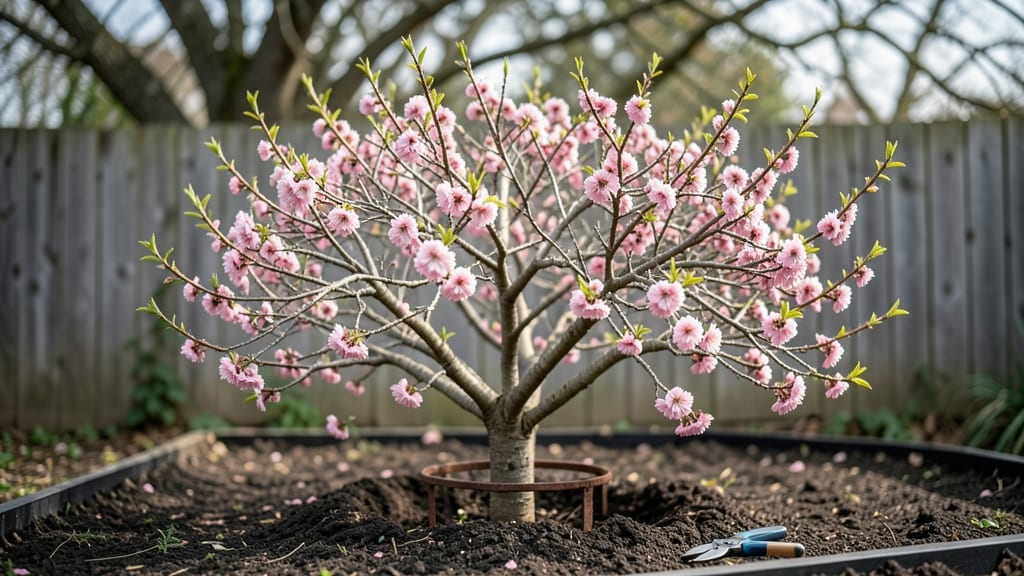
The Donut peach tree flower transforms your yard into a fragrant, blushing spectacle every spring. 🌸 I planted mine three years ago, and now my patio bursts with rosy-pink blooms that attract bees by the dozen—each one a delicate, edible treasure.
The secret isn’t just the tree itself but how you coax it into full, healthy bloom year after year.
This variety thrives in full sun and well-draining soil, but the real magic happens in late winter when you prune for airflow and light. A self-pollinating tree means fewer headaches with fruit set, though nearby pollinators still boost production.
The flowers arrive early, often weeks before other peach varieties, giving you a head start on that sweet harvest.
By summer, you’ll be rewarded with juicy, freestone peaches that ripen in clusters—perfect for fresh eating or (yes) baking. The tree’s compact growth habit makes it ideal for small spaces, and its disease resistance means fewer chemicals, more flavor.
With the right care, your Donut peach tree will give you edible beauty for decades.
Whether you’re a first-time fruit grower or a seasoned orchard keeper, this tree delivers on both form and function. Let’s get yours blooming like a pro—starting with the right location and pruning plan.
📚 In This Guide
- What you need
- Instructions
- Tips and common mistakes
- Wrapping up and next steps
What you need
- ● 1 cup all-purpose flour (plus extra for dusting)
- ● 1/4 cup granulated sugar (plus 1 tbsp for rolling)
- ● 1 packet (2 1/4 tsp) active dry yeast
- ● 1/2 cup warm milk (110°F/43°C)
- ● 1 large egg (room temperature)
- ● 1/4 cup unsalted butter (melted, cooled)
- ● 1 tsp vanilla extract
- ● Pinch of salt
- ● Edible peach tree flowers (harvested fresh, see tips below!)
- ○ Peach jam or glaze (for drizzling, optional but recommended)
- ● Large mixing bowl (for dough)
- ● Electric mixer or wooden spoon (for kneading)
- ● Measuring cups and spoons (precision matters!)
- ● Rolling pin (1/2-inch thickness for donuts)
- ● Donut cutter or two round cutters (2-3 inches for rings, 1-inch for centers)
- ● Baking sheet (parchment-lined)
- ● Deep fryer or deep pot (with oil for frying)
- ● Slotted spoon or tongs (for frying)
- ● Paper towels (for draining)
- ● Pastry brush (for glaze)
- ● Small bowl (for flower arrangement)
- ● Powdered sugar (for dusting)
- ● Cinnamon sugar mix (for extra flavor)
- ● Honey or caramel drizzle (for gourmet touch)
- ● Fresh mint leaves (to complement flowers)
- ● Food coloring (natural, like beet juice) (for colored glaze)
Step-by-step guide to growing a peach tree with edible flowers
Transform your garden into a fragrant, productive paradise with a peach tree that blooms into edible beauty.
🌱 Step 1: Select and Prepare the Right Peach Tree Variety
Choose a dwarf or semi-dwarf peach tree suited for your climate zone, especially one labeled for edible flowers like 'Bonanza' or 'Redhaven'. These varieties produce abundant blossoms that are safe and delicious when used in culinary creations. I always verify the variety's cold hardiness—peach trees need 100-1,000 chill hours annually, so check your local frost dates.
Plant in early spring, after the last frost, when soil temperatures reach 50°F. The tree will establish roots faster in warm soil. Amend the planting hole with 2 inches of compost mixed into the native soil. This ensures proper drainage while retaining moisture—peach trees hate soggy roots but need consistent hydration during flowering.
☀️ Step 2: Position for Optimal Sun and Airflow
Peach trees demand 6-8 hours of full sun daily for robust blooms and fruit set. A south-facing location with afternoon shade in hot climates works best. I position mine 15 feet from structures or fences to allow airflow—this prevents fungal diseases like peach leaf curl, which can ruin both foliage and edible blossoms.
Dig a hole twice as wide as the root ball but no deeper. The graft union (the bump near the base) should sit 2-3 inches above ground level. This prevents water from pooling around the graft, which can cause rot. Backfill with native soil, tamping gently to remove air pockets but not compacting too firmly.
💧 Step 3: Water and Fertilize for Peak Bloom Production
Water deeply 2-3 times per week for the first month, keeping the soil 6 inches deep consistently moist. After establishment, water 1-2 times weekly, adjusting for rainfall. Overwatering stresses the tree and reduces flower production—you’ll see fewer blooms if the soil stays soggy.
Apply a balanced 10-10-10 fertilizer in early spring before buds swell, then again after petals fall. Avoid high-nitrogen fertilizers—they promote leafy growth at the expense of flowers. I use a slow-release granular formula to feed roots steadily. Mulch with 3 inches of wood chips around the base, keeping it 6 inches from the trunk to retain moisture and regulate soil temperature.
✂️ Step 4: Prune for Abundant, Edible Blooms
Prune in late winter or early spring before buds break, removing 1/3 of the weakest branches to improve airflow. Aim for an open vase shape—this ensures sunlight reaches inner branches where flowers form. Cut just outside the branch collar (the swollen area where the branch meets the trunk) to prevent damage.
Thin out crowded branches to 6-8 inches apart. You’ll see more abundant, larger blooms when branches aren’t competing for resources. Avoid pruning during flowering—this stresses the tree and reduces edible yield. Harvest flowers in the morning after dew dries but before heat sets in for peak flavor and freshness.
🌿 Step 5: Protect Flowers and Maintain Tree Health
Cover young trees with frost cloth during late spring frosts—peach blossoms are highly sensitive to cold. A single late frost can wipe out an entire season’s flowers. I also monitor for peach tree borers and aphids, which can defoliate the tree. Spray with neem oil if you spot chewed leaves or sticky sap.
Harvest edible flowers by snipping stems 2 inches below the bloom to encourage regrowth. Use them immediately in baking or preserve in sugar syrup. After flowering, thin fruit to 6 inches apart to prevent overcrowding—this ensures larger, sweeter peaches and more robust blooms next season.
Tips & tricks for perfect peach tree donuts with edible flowers
Here's what nobody tells you about growing a peach tree that'll give you the most stunning, edible blooms for your donuts.
Climate Zone Intelligence: The 100-1,000 chill hours requirement isn't just a number—it's your first clue about whether 'Bonanza' or 'Redhaven' will thrive. Check your local frost dates and plant at least 6 weeks before the last frost. I learned this the hard way after planting too early in Zone 7, where the chill hours were barely met. The tree survived, but the blooms were sparse. For edible flowers, aim for varieties with at least 800 chill hours in your zone.
Soil Temperature Secret: That 50°F soil temperature isn't arbitrary—it's when roots become active but frost risk is minimal. Use a soil thermometer to verify before planting. I've found that planting when soil hits 55°F gives roots a head start, especially in cooler climates. The key is warm enough for root growth but cool enough to prevent transplant shock from heat stress. For donut-making potential, this early vigor translates directly to more robust flowering.
Pruning Precision: When you're thinning branches to 6-8 inches apart in Step 4, focus on removing branches that cross or rub against each other. These create wounds that invite disease, which can devastate your edible flower crop. I use sharp bypass pruners and make cuts at a 45-degree angle just outside the branch collar. The open vase shape isn't just aesthetic—it's what allows sunlight to penetrate to the inner branches where your edible flowers will form.
Harvest Timing: Those morning harvests after dew dries but before heat sets in are crucial for both flavor and presentation. Peach blossoms contain volatile oils that give them their delicate aroma—these compounds are most concentrated in the cool morning hours. For donut decorating, harvest flowers when they're fully open but still slightly closed at the center. This ensures they'll hold their shape when baked or candied. Store harvested flowers in a paper towel-lined container in the fridge for up to 24 hours before using.
Pro Tips for Donut Peach Tree Flower
- Here's what nobody tells you about growing a peach tree that'll give you the most stunning, edible blooms for your donuts.
- Climate Zone Intelligence: The 100-1,000 chill hours requirement isn't just a number—it's your first clue about whether 'Bonanza' or 'Redhaven' will thrive.
- Soil Temperature Secret: That 50°F soil temperature isn't arbitrary—it's when roots become active but frost risk is minimal.
Frequently asked questions
Got questions about growing peach tree flowers for your donut recipe?
Here are answers to the most common ones—so you can bloom with confidence!
When do peach tree flowers bloom for harvesting?
Peach tree flowers typically bloom in early spring (March–April in most climates), just before the leaves appear. For edible use, pick them when fully open but still fresh—usually 2–3 days after blooming. Avoid over-picking; leave some flowers for pollination to ensure fruit later!
Can I use any peach tree flowers, or are some better for donuts?
All peach tree flowers (Prunus persica) are edible, but white or light pink blooms add the mildest, sweetest flavor. Darker pink/red flowers may have a slightly bitter taste. Stick to organic trees (or pesticide-free) to avoid contamination, and avoid flowers treated with chemicals.
How long do peach tree flowers stay fresh for donut decorating?
Fresh peach tree flowers last 1–2 days in the fridge (wrapped in a damp paper towel). For longer storage, blanch and freeze them for up to 3 months. To use, thaw gently and pat dry before decorating. Pro tip: Add a splash of simple syrup to the water when storing to keep them vibrant!
What if my peach tree isn’t flowering? How can I encourage blooms?
Peach trees need full sun (6+ hours/day), well-draining soil, and proper pruning. If it’s young (<3 years), be patient—it may not bloom yet. For mature trees, prune in late winter to remove dead wood and improve airflow. Feed with citrus-specific fertilizer in early spring, and ensure it gets adequate water (but avoid soggy roots).
Are there alternatives if I can’t find peach tree flowers?
Try these edible flower substitutes for a similar look:
- Violet flowers (mild, sweet flavor)
- Lavender (adds a floral aroma)
- Borage flowers (cucumber-like taste)
- Rose petals (delicate and fragrant)
Wrapping up and next steps
Watching your peach tree flowers transform into golden, sweet donuts is a rewarding journey—full of patience, creativity, and a touch of whimsy! 🌸 From gathering the right ingredients to mastering the art of edible floral decor, every step brings you closer to a showstopping treat that’s as beautiful as it is delicious.
Whether you’re a baking novice or a pruning pro, this recipe proves that even nature’s blooms can inspire kitchen magic.
Ready to turn your next bake into a masterpiece? Grab your apron, gather your peach tree flowers, and start experimenting—your taste buds (and Instagram feed) will thank you! 🍩✨