
Flowers
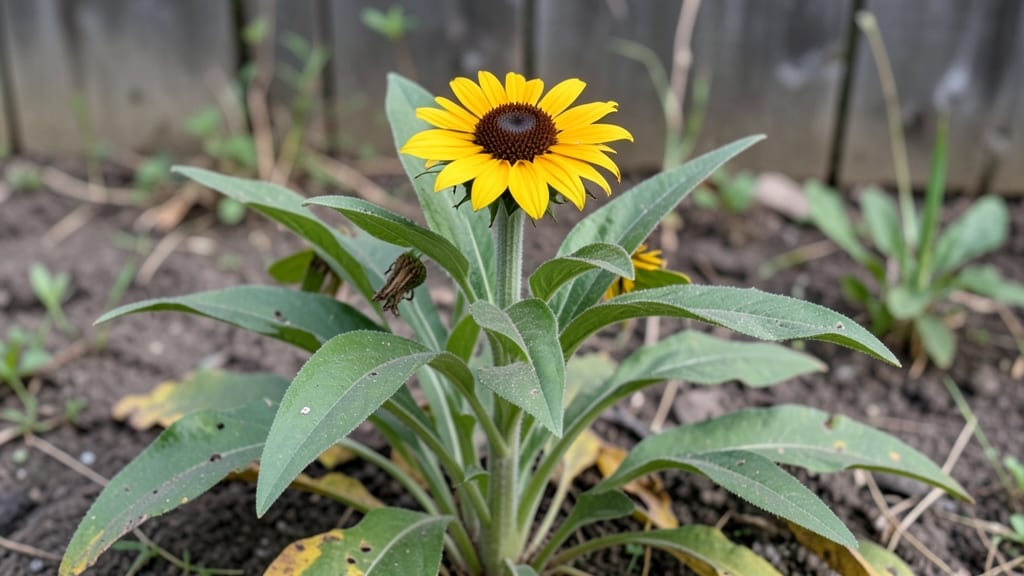
Double coneflowers bring the Pacific Northwest's rugged charm to your garden with their bold blooms and frost-hardy resilience. 🌿 I’ve grown these stunners through three winters here, and they’ve never skipped a beat—even after a late spring frost.
Their layered petals and sturdy stems make them a standout for pollinators, too.
These plants thrive in well-draining soil with a touch of compost, and they’ll reward you with 3-4 weeks of blooms if you deadhead spent flowers. They’re happy in full sun but tolerate partial shade, making them versatile for sunny borders or woodland edges.
Spacing them 18-24 inches apart prevents overcrowding and keeps stems sturdy.
You’ll love how they attract bees, butterflies, and hummingbirds all season long, turning your garden into a buzzing hub. The velvety purple centers and layered petals create a show that lasts from midsummer until frost. Just watch for floppy stems in wet climates—staking helps keep them upright.
Once established, they’re nearly disease-free and drought-tolerant, making them low-maintenance stars. Prune back in early spring to encourage fresh growth, and you’ll have a garden centerpiece that thrives year after year. Ready to grow yours?
📚 In This Guide
- What you need
- Instructions
- Tips and common mistakes
- Wrapping up and next steps
What you need
- ● Double cone flower seeds – 20-50 seeds (or a small pack of pre-grown seedlings if preferred). Opt for organic, non-GMO seeds for best results.
- ● Well-draining potting mix – 5-10 gallons (use a blend of 50% garden soil, 30% compost, and 20% perlite/sand for optimal drainage).
- ● Garden bed or large containers – At least 12-18 inches deep (double cone flowers thrive in USDA Zones 3-8, so they’re perfect for the Pacific Northwest’s frost!).
- ● Organic fertilizer – Balanced 10-10-10 or slow-release granular fertilizer (follow package instructions for application rates).
- ○ Mulch (optional but recommended) – 2-3 inches of shredded bark or straw to retain moisture and protect roots in winter.
- ● Garden trowel or transplanting spade – For digging holes and moving seedlings.
- ● Watering can or hose with a gentle spray nozzle – Double cone flowers prefer consistent moisture but hate soggy soil.
- ● Pruning shears – To trim dead foliage and encourage bushier growth.
- ○ Gloves (optional) – For handling prickly stems or soil.
- ○ Plant labels (optional) – To track varieties if growing multiple types.
- ● Sunlight access – Full sun (6+ hours/day) is ideal, but they tolerate partial shade in hotter climates.
- ● Frost tolerance – Double cone flowers are hardy to -30°F, making them perfect for the PNW’s chilly winters!
- ● Patience – Seeds may take 60-90 days to germinate, while seedlings bloom in their first or second year.
Step-by-Step guide to planting double cone flowers in the Pacific Northwest
Here's how to establish these hardy perennials for years of vibrant blooms in our cool, damp climate.
🌱 Step 1: Choose the Perfect Planting Location
Double cone flowers thrive in full sun to partial shade, but in the Pacific Northwest, I recommend morning sun with afternoon shade to prevent leaf scorch. Look for spots with well-draining soil—these plants hate soggy roots. A slight slope helps prevent water pooling around the crown.
Test your soil by squeezing a handful—if it stays clumped, amend with 2-3 inches of compost mixed into the top 6 inches. The ideal planting site should have 4-6 hours of direct sunlight daily, especially during spring and summer when growth is most active.
🪴 Step 2: Prepare the Planting Hole and Soil
Dig a hole twice as wide as the root ball but only as deep as the container height. This encourages roots to spread outward rather than settle too deep. Gently loosen the roots if they're circling in the pot—you'll see them fan out naturally when planted.
Fill the bottom of the hole with 1 inch of compost mixed with a handful of bone meal for phosphorus. This gives your double cone flowers a nutrient boost right where they need it. Backfill with native soil, leaving a ½-inch gap at the surface—settling happens after watering.
☀️ Step 3: Plant and Water for Immediate Establishment
Place the plant in the hole, ensuring the top of the root ball sits level with the surrounding soil. Press gently around the edges to remove air pockets, but don't compact the soil. Water deeply until moisture reaches 6 inches down—you'll know it's enough when the soil feels damp but not waterlogged.
Mulch with 2-3 inches of shredded bark or wood chips to retain moisture and protect roots from winter chills. Keep mulch 2 inches away from the stem to prevent rot. In the Pacific Northwest, this layer is especially valuable for insulating through our damp winters.
🌿 Step 4: Maintain Through the Growing Season
Water 1-2 times per week during the first growing season, aiming for 1 inch of water weekly. Let the top 1-2 inches of soil dry between waterings to prevent fungal issues. You'll notice healthy foliage when leaves remain deep green and firm to the touch.
Fertilize lightly in early spring with 5-10-10 fertilizer at half strength. Double cone flowers are low-maintenance but appreciate a boost in late May to early June when new growth appears. Deadhead spent blooms by snipping stems 2 inches below the flower head to encourage more flowers.
⏰ Step 5: Prepare for Pacific Northwest Winters
Cut back stems to 4-6 inches tall in late fall after the first frost. This prevents flopping and makes spring cleanup easier. Avoid heavy pruning—these perennials store energy in their roots for next year's growth.
Add an extra 2 inches of mulch in winter to protect roots from freeze-thaw cycles. Double cone flowers are frost-resistant, but our wet winters can cause crown rot if roots stay too wet. Check mulch levels in late January—if it's settled below 2 inches, top it up before spring rains begin.
Tips & tricks for perfect double cone flower planting in the Pacific Northwest
Double cone flowers are a gardener's dream for our region, but a few key strategies make all the difference between thriving plants and struggling survivors. Here's what I've learned after years of growing them successfully in our challenging climate.
Location is Everything: In Step 1, when choosing your planting spot, pay special attention to the 4-6 hours of morning sun requirement. I've found that eastern-facing slopes get just the right balance—enough sun to fuel growth without the afternoon heat that causes leaf scorch. If your yard only has western exposure, consider planting near a reflective surface like a light-colored wall or patio to help diffuse the intensity.
Soil Preparation Secret: For Step 2, when amending your soil, I recommend adding 1 part perlite to your compost mixture to improve drainage even further. Our Pacific Northwest clay soils can become compacted, and this extra step prevents waterlogging which these plants absolutely hate. Think of it as creating a little "root spa" for your double cone flowers.
Watering Wisdom: The 1-2 times per week watering guideline in Step 4 is perfect, but here's the trick: water deeply in the morning rather than evening. This gives the foliage time to dry completely before nightfall, reducing fungal risks. I've noticed my plants develop fewer leaf spots when I follow this schedule—it's a small change with big results.
Winter Protection: When preparing for winter in Step 5, don't forget to check your mulch depth in late January—this is often when our heaviest rains occur. I've had plants suffer from crown rot when mulch settled below the recommended 2 inches. A quick check now prevents winter damage later.
Pro Tips for Double Cone Flower
- Double cone flowers are a gardener's dream for our region, but a few key strategies make all the difference between thriving plants and struggling survivors.
- Location is Everything: In Step 1, when choosing your planting spot, pay special attention to the 4-6 hours of morning sun requirement.
- Soil Preparation Secret: For Step 2, when amending your soil, I recommend adding 1 part perlite to your compost mixture to improve drainage even further.
Frequently asked questions
Got questions about growing double cone flowers (Echinacea paradoxa)?
You’re not alone—this striking native beauty has a few quirks! Here are the most common queries from gardeners in the Pacific Northwest and beyond.
When is the best time to plant double cone flowers?
Plant them in early spring or fall for optimal root establishment. If planting in summer, water deeply and mulch to reduce stress. Double cone flowers thrive in USDA Zones 3-9, making them perfect for PNW winters—just give them time to settle before frost hits!
How much water do they need?
These drought-tolerant stars hate soggy soil. Water deeply but infrequently—about 1 inch per week during the first growing season. Once established, they’ll survive on rainfall alone. Overwatering is the #1 killer, so amend heavy clay soil with compost for better drainage.
Why aren’t my double cone flowers blooming?
Blooms may lag due to immature roots (give them 2+ years), poor soil (amend with phosphorus-rich fertilizer), or overcrowding. Deadhead spent blooms to encourage reblooming, and ensure they get 6+ hours of sun. If pests like aphids attack buds, blast them off with water or use neem oil.
Can I grow double cone flowers in containers?
Yes! Use a large pot (12+ inches wide) with drainage holes and a well-draining mix (50% potting soil, 30% perlite, 20% compost). Repot every 2–3 years, and fertilize lightly in spring. Just know they’ll be shorter-lived in containers than in the ground.
What’s a good alternative if I can’t find double cone flowers?
Try these PNW-friendly echinacea look-alikes:
- Echinacea purpurea (classic purple coneflower)
- Rudbeckia fulgida (black-eyed Susan)
- Helenium autumnale (sneezeweed, great for late-season color)
Wrapping up and next steps
Growing double cone flower in the Pacific Northwest isn’t just possible—it’s a rewarding way to bring vibrant color and resilience to your garden. 🌸 With the right soil, sunlight, and care, these frost-hardy beauties will thrive year after year, offering pollinators a feast and you a stunning focal point.
Whether you're a seasoned gardener or just starting, now’s the perfect time to roll up your sleeves and plant these Echinacea stars!
Ready to take the next step? Start small—pick a sunny spot, prep the soil, and plant your first double cone flower this season. Before you know it, your garden will be buzzing with life (and color)! 🌿