Companion Plants
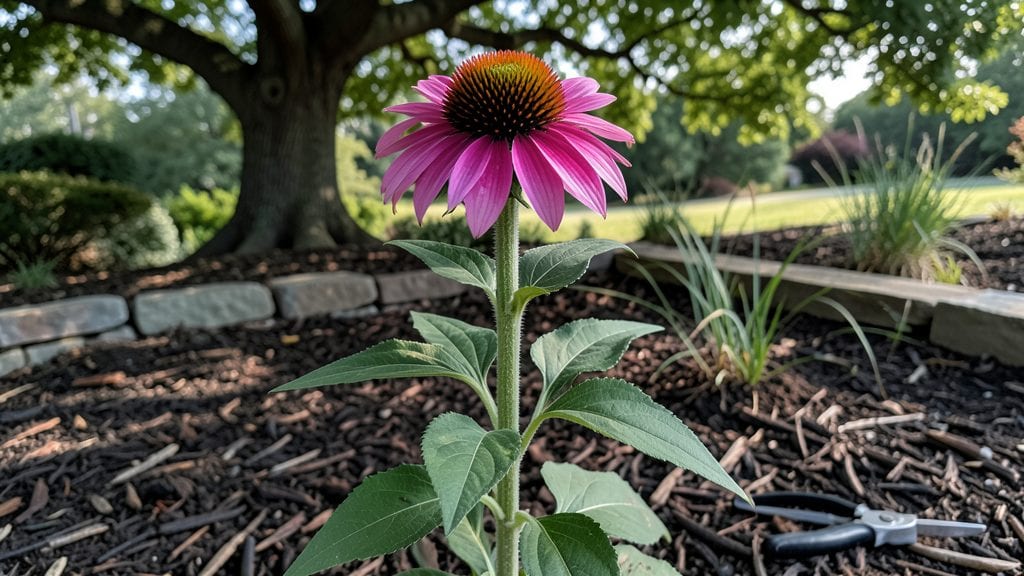
Double coneflower plants bring stunning double blooms that hummingbirds and bees can't resist—especially in Pacific Northwest gardens where pollinators thrive. 🌿 I've grown these showstoppers for years, and they've become my go-to for late-summer color and wildlife support.
The secret lies in their love for well-draining soil and full sun, which mimics their native prairie habitats.
You'll need a spot with at least 6 hours of sunlight daily and soil that drains well—amending heavy clay with compost works wonders. Plant your double coneflowers in early spring or fall, spacing them 18-24 inches apart to give roots room to establish.
Once planted, they're remarkably low-maintenance, needing water only during dry spells and occasional deadheading to encourage more blooms.
By midsummer, you'll have vibrant purple-pink blooms that last for weeks, attracting pollinators from dawn till dusk. The plants grow 2-4 feet tall, making them perfect for borders or pollinator gardens. Their deep roots also help prevent soil erosion, adding another layer of value to your landscape.
In the Pacific Northwest's mild winters, these perennials stay hardy and often return stronger each year. For best results, cut back stems in late winter and watch them bounce back with even more vigor. Whether you're a beginner or a seasoned gardener, double coneflowers deliver beauty with minimal effort.
📚 In This Guide
- What you need
- Instructions
- Tips and common mistakes
- Wrapping up and next steps
What you need
- ● Double coneflower plants: 1–3 nursery-grown transplants (6–12 inches tall, hardy to zones 4–9)
- ● OR 1 packet of organic seeds (300–500 seeds per packet)
- ● Well-draining soil: Amend heavy clay (common in PNW) with 2–3 inches of compost or sandy loam.
- ● Sunlight: Full sun (6+ hours/day) or partial shade (4–6 hours) for milder PNW climates.
- ● Water: Drip irrigation or a watering can with a fine rose (avoid overhead sprinklers to prevent fungal issues).
- ● Garden trowel (for transplanting or dividing)
- ● Garden gloves (to protect hands from thorny stems)
- ● Pruning shears (for deadheading or shaping)
- ○ Mulch (optional): 2–3 inches of wood chips or straw to retain moisture and suppress weeds.
- ○ pH test kit (optional): Aim for 6.0–7.0 (double coneflowers tolerate a range but thrive in slightly acidic soil).
- ● 🌡️ Timing: Plant transplants in early spring (March–April) or early fall (September–October) to avoid summer heat stress.
- ● 💡 Seed Starting: Sow seeds indoors 6–8 weeks before last frost or directly outdoors after soil warms to 50°F+.
- ● 🎯 Companion Plants: Pair with salvia, bee balm, or yarrow for a pollinator magnet!
Step-by-step guide to growing double coneflower in the Pacific Northwest
Here’s how to establish these pollinator magnets with minimal fuss—ideal for your region’s climate.
🌱 Step 1: Select the Right Location and Prepare Soil
Double coneflowers (Echinacea purpurea) thrive in full sun—at least 6 hours daily—so choose a spot with unobstructed southern or western exposure. In the Pacific Northwest’s mild summers, they’ll tolerate partial shade (4-6 hours of sun) but may produce fewer blooms. Amend your native soil with 2-3 inches of compost to improve drainage and fertility, as these plants dislike soggy roots.
Test your soil’s pH—double coneflowers prefer a neutral to slightly acidic range (6.0-7.0). If your soil is heavy clay, mix in 1 part perlite or coarse sand to 3 parts soil to prevent compaction. I like to work the amendments into the top 12 inches of soil for best results. Avoid fresh manure, which can burn tender roots.
🌿 Step 2: Plant at the Right Time and Depth
In the Pacific Northwest, plant bare-root plants in early spring (March-April) or container-grown plants in early fall (September-October). Spring planting gives roots time to establish before summer’s heat, while fall planting avoids drought stress. Dig a hole twice as wide as the root ball but only as deep—planting too deep suffocates the crown and invites rot.
Space plants 18-24 inches apart to allow airflow and prevent fungal diseases like powdery mildew. Gently tease apart roots if they’re circling in the container before placing them in the hole. Backfill with native soil, tamp lightly, and water deeply to settle the soil around the roots. You’ll know it’s right when the soil surface looks slightly firm but not packed.
☀️ Step 3: Water and Mulch for Establishment
Water newly planted coneflowers deeply once a week for the first 4-6 weeks to encourage deep root growth. In the Pacific Northwest’s maritime climate, this means 1-1.5 inches of water per week, including rainfall. Let the top 2 inches of soil dry out between waterings to prevent fungal issues. Overwatering is the fastest way to kill these drought-tolerant perennials.
Apply a 2-3 inch layer of organic mulch (like wood chips or straw) around the base, keeping it 2 inches away from the stem to prevent rot. Mulch conserves moisture, regulates soil temperature, and suppresses weeds. Replenish mulch annually in early spring. You’ll notice healthier foliage and more robust blooms within a season of proper mulching.
✂️ Step 4: Prune and Deadhead for Longevity
Cut back spent blooms in early summer by one-third of their height to encourage a second flush of flowers. This also improves air circulation, reducing the risk of fungal diseases. Avoid cutting into old wood—always leave 2-3 inches of stem above the crown. In late fall, cut back the entire plant to 4-6 inches tall to remove debris and prevent pests from overwintering.
Double coneflowers are low-maintenance perennials, but they benefit from a light early spring pruning to remove dead foliage. This is the moment that matters: timing your cuts just as new growth emerges ensures you don’t accidentally trim back next year’s blooms. Fertilize lightly in early spring with a balanced 10-10-10 formula if your soil is poor, but skip fertilizer in nutrient-rich native soil.
🐝 Step 5: Support Pollinators Year-Round
Leave some spent seed heads on the plant in late summer and fall—they provide food for goldfinches and other birds. Double coneflowers are a pollinator powerhouse, attracting bees, butterflies, and hummingbirds. To maximize their impact, plant in clusters of 3-5 plants rather than single specimens. This creates a visual and olfactory beacon for pollinators.
In the Pacific Northwest, coneflowers often rebloom into early fall, extending their pollinator benefits. If you notice fewer blooms in subsequent years, divide mature plants every 3-4 years in early spring. Dig up the clump, separate the roots, and replant the healthiest sections. This rejuvenates the plant and prevents overcrowding, which reduces flower production.
Tips & tricks for perfect double coneflower growth in the Pacific Northwest
A few key strategies will help your coneflowers thrive in our unique climate and become a pollinator magnet.
Sunlight Strategy: While the instructions mention 6 hours of full sun, I've found that in the Pacific Northwest's mild summers, positioning your coneflowers to catch the morning sun (east-facing) and afternoon shade (west-facing) actually produces more consistent blooms. The cooler afternoon temperatures prevent stress during our occasional heatwaves. For partial shade situations, prioritize the southern exposure to maximize light exposure during the critical midday hours when pollinators are most active.
Soil Science: The recommended 2-3 inches of compost is perfect, but I've discovered that adding a handful of worm castings to each planting hole gives an extra boost of beneficial microbes. These microscopic helpers improve nutrient uptake and help establish stronger root systems in our often-acidic Pacific Northwest soils. For clay-heavy areas, mix in additional perlite (up to 20% of your soil mixture) to create better drainage channels that prevent waterlogging during our rainy seasons.
Watering Wisdom: That 1-1.5 inches of water per week guideline works well, but I've learned to adjust based on our regional patterns. After planting, I water deeply every 3-4 days for the first 2 weeks to help roots establish, then transition to the weekly schedule. The key is to water slowly at the base of the plant rather than overhead—this prevents fungal spores from splashing onto leaves and creates stronger root systems that can handle our occasional drought periods better.
Pruning Precision: When deadheading in early summer, I've found that using clean, sharp pruners and making cuts at a 45-degree angle just above a leaf node encourages more vigorous regrowth. This small technique prevents water from pooling on cut stems, which can lead to rot in our damp climate. For fall cleanup, I wait until after the first frost to cut back—this allows seed heads to provide winter interest and food for birds while still giving me a clean slate for spring growth.
Pro Tips for Double Coneflower Plants
- A few key strategies will help your coneflowers thrive in our unique climate and become a pollinator magnet.
- The cooler afternoon temperatures prevent stress during our occasional heatwaves.
- Soil Science: The recommended 2-3 inches of compost is perfect, but I've discovered that adding a handful of worm castings to each planting hole gives an extra boost of beneficial microbes.
Frequently asked questions
Got questions about growing double coneflower in the Pacific Northwest? You’re not alone! Here are some of the most common concerns—plus quick answers to help you cultivate these pollinator magnets like a pro.
When is the best time to plant double coneflower in the PNW?
Double coneflowers thrive when planted in early spring (March–April) or early fall (September–October). This gives roots time to establish before summer heat or winter frost. Avoid planting in late summer—hot, dry conditions can stress young plants. Pro tip: If transplanting, water deeply for the first 2 weeks to reduce shock.
How long does it take for double coneflower to bloom?
With patience, you’ll see blooms 60–90 days after planting (or the following summer if planted in fall). First-year plants may focus on root growth, but mature plants (year 2+) produce abundant, long-lasting flowers from mid-summer to frost. Deadhead spent blooms to encourage more flowers!
What pests or diseases should I watch for in PNW gardens?
Double coneflowers are drought-tolerant and pest-resistant, but keep an eye out for:
- Japanese beetles (chew petals)—handpick or use neem oil.
- Powdery mildew (white dust on leaves) in humid summers—improve airflow and avoid overhead watering.
- Aster yellows (distorted growth)—remove infected plants to prevent spread.
Most issues stem from overwatering or poor drainage. Pro tip: Mulch around the base to deter pests and retain moisture.
Can I grow double coneflower in containers or small spaces?
Choose compact varieties like ‘Double Delight’ or ‘White Swan’ for containers (minimum 12-inch pots). Use well-draining soil and place in full sun (6+ hours/day). Containers dry out faster, so water regularly until established. Bonus: They’re great for balconies or urban gardens—pollinators will visit even in tight spaces!
How do I propagate double coneflower from seed?
Direct-sow seeds in late spring or early summer after the last frost. Press seeds lightly into moist soil (they need light to germinate!) and keep them consistently damp. Germination takes 14–30 days. Thin seedlings to 18–24 inches apart for mature plants. Pro tip: Start seeds indoors 4–6 weeks early if your summer is short.
Are there any companion plants that pair well with double coneflower?
Double coneflowers play nicely with:
- Grasses (like Miscanthus) for texture.
- Salvias or lavender for pollinator synergy.
- Rudbeckias or black-eyed Susans for extended bloom time.
- Ferns or hostas for shade-loving contrast.
Avoid planting near mint or other aggressive spreaders—coneflowers prefer low competition. Design tip: Group in odd numbers for a naturalistic look!
Wrapping up and next steps
Double coneflower plants are a game-changer for Pacific Northwest gardens, offering year-round beauty, pollinator support, and easy care. Whether you're a beginner or seasoned gardener, these resilient perennials bring color, texture, and life to your outdoor space while nurturing bees, butterflies, and birds. 🌸
Ready to transform your garden? Start by selecting the perfect spot, gathering your supplies, and planting with confidence. Watch your yard thrive—one bloom at a time!
- Next step: Mark your calendar for planting season and explore companion plants to create an even more vibrant ecosystem!