Shrubs
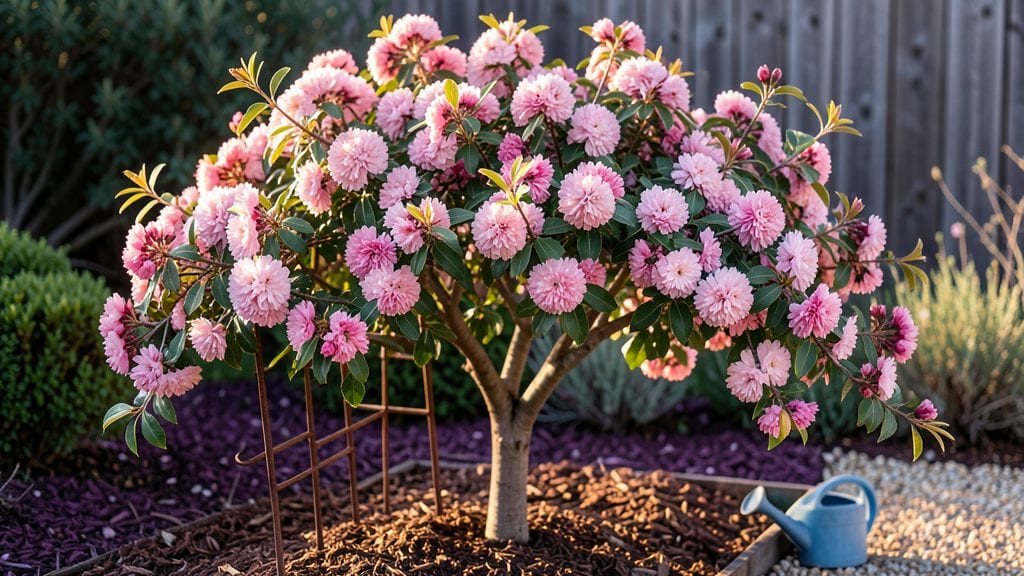
The double flowering plum transforms any Pacific Northwest garden into a fragrant spring spectacle with its lush, repeat-blooming branches.
I planted mine last spring after years of dreaming about a tree that could handle our damp winters and still burst into color—it’s now the star of my yard, covered in pink blossoms from late winter through spring.
The secret lies in its cold-hardy roots and adaptable nature, but getting the location and soil right makes all the difference.
This tree thrives in full sun to partial shade and tolerates a range of soils, though it rewards you most when planted in well-draining, slightly acidic soil.
Water deeply after planting, then let the roots establish before settling into a moderate watering schedule—about 1-2 inches per week during dry spells.
Unlike fussy ornamentals, double flowering plums handle our region’s chill with ease, making them perfect for both urban yards and rural landscapes where other bloomers would struggle.
What truly sets this tree apart is its year-round beauty: silvery bark in winter, delicate blossoms in spring, and even occasional summer blooms if pruned correctly. The fragrance alone—like a cross between cherry blossoms and almond—will have neighbors stopping to admire your yard.
With proper care, you’ll enjoy decades of effortless elegance, and the best part? It attracts pollinators early in the season when little else is blooming.
For advanced gardeners, strategic pruning in late winter encourages even more flowers, while beginners can simply step back and enjoy. Just watch for aphids or scale in new growth—both are easy to manage with a strong spray of water or horticultural oil.
Whether you’re planting one as a focal point or lining a driveway, this tree delivers low-maintenance luxury that keeps giving back.
📚 In This Guide
- What you need
- Instructions
- Tips and common mistakes
- Wrapping up and next steps
What you need
- ● Double flowering plum plants: 1–3 Prunus cerasifera ‘Atropurpurea’ or Prunus × yedoensis (varies by cultivar; check for frost-resistant varieties like ‘Snow Fence’ or ‘Snowgoose’).
- ● Size: 1–3 gallon container (for established plants) or bare-root saplings (for faster growth).
- ● Soil amendments: 5–10 lbs compost or well-rotted manure per planting hole.
- ○ 1–2 cups bone meal (optional, for phosphorus boost).
- ● Mulch: 3–4 inches wood chips or pine bark (to retain moisture and protect roots).
- ● Hand trowel or garden spade (for digging).
- ● Pruning shears (sterilized with rubbing alcohol).
- ● Wheelbarrow (for mixing soil amendments).
- ● Watering can or hose with gentle spray nozzle.
- ● Garden gloves (to protect hands from thorns).
- ● Measuring tape (to ensure proper spacing: 15–20 ft apart for mature trees).
- ● Sunlight: Full sun (6+ hours/day) for optimal blooms.
- ● Soil pH: Slightly acidic to neutral (6.0–7.0). Test with a soil pH kit if unsure.
- ● Water access: Drip irrigation or soaker hose (plums need consistent moisture but hate soggy roots).
- ● Frost hardiness: Plant in USDA Zones 5–9 (PNW-friendly!).
- ● Slow-release fertilizer (e.g., 10-10-10, applied in early spring).
- ● Frost cloth (for young plants during late frosts).
- ● Staking (if planting in windy areas).
- ● Pest control: Neem oil spray (prevents aphids or scale).
Step-by-Step guide to planting and caring for double flowering plum trees
Here’s how to establish a stunning, frost-hardy double flowering plum that thrives in the Pacific Northwest’s climate.
Select the Right Site for Planting
Choose a location with full sun exposure—at least 6-8 hours daily—since double flowering plums need ample light to develop their abundant blooms. The Pacific Northwest’s mild winters mean you can plant in late fall or early spring, but spring planting gives roots time to establish before summer heat arrives. Avoid low-lying areas where cold air pools, as even frost-resistant varieties can suffer from prolonged cold saturation.
Test your soil’s drainage by digging a 12-inch hole and filling it with water. If it drains in under an hour, your site is suitable. Poor drainage leads to root rot, which can kill even hardy plums. If your soil is heavy clay, amend it with 3-4 inches of compost mixed into the top 12 inches of soil to improve structure and aeration.
Prepare the Planting Hole and Plant Correctly
Dig a hole twice as wide as the root ball but no deeper—planting too deep suffocates the graft union, which is critical for the tree’s vigor. Gently loosen the roots of your double flowering plum if they’re circling tightly in the container. This prevents girdling as the tree matures. Place the tree in the hole so the top of the root ball sits 1-2 inches above ground level; settling will occur over time.
Backfill the hole with native soil, tamping lightly every 4-6 inches to eliminate air pockets. Water deeply to settle the soil and encourage root contact. Mulch the base with 2-3 inches of organic mulch, keeping it 6 inches away from the trunk to prevent moisture buildup that invites disease. This mulch layer also insulates roots during winter’s occasional hard freezes.
Water Deeply and Establish a Consistent Care Routine
Water your newly planted double flowering plum once weekly for the first month, providing 1-2 gallons per tree to ensure roots penetrate deeply. In the Pacific Northwest’s damp climate, you’ll need to adjust for rain—check soil moisture weekly by probing 2 inches deep. If it’s dry, water; if damp, hold off. Overwatering in winter can drown roots, even in frost-resistant varieties.
Fertilize lightly in early spring with a balanced, slow-release fertilizer (10-10-10) to support new growth. Avoid high-nitrogen fertilizers, which promote leafy growth at the expense of flowers. Prune only to remove dead or crossing branches in late winter or early spring, as double flowering plums bloom on old wood—meaning their stunning flowers form on last year’s growth.
Protect and Prune for Long-Term Beauty
In the Pacific Northwest’s unpredictable winters, young trees may need winter protection if temperatures dip below 10°F. Wrap the trunk with burlap or tree guard to prevent rodent damage and apply a 3-inch layer of mulch around the base. Avoid piling mulch against the trunk, as this can cause rot. Prune again in late winter to shape the tree and remove any weak or diseased wood, ensuring airflow reduces humidity-related issues.
Watch for signs of stress—yellowing leaves or sparse blooms often indicate overwatering, while brittle branches suggest underwatering. Double flowering plums are generally low-maintenance, but their showstopping blooms reward consistent care. With proper siting and gentle nurturing, your tree will reward you with year-round interest, from spring blossoms to autumn foliage.
Tips & tricks for perfect double flowering plum planting
These practical insights will help you establish a thriving double flowering plum that blooms beautifully year after year in the Pacific Northwest's climate.
Sunlight Secret: In Step 1, when selecting your site, remember that the 6-8 hours of daily sunlight is non-negotiable for abundant blooms. Morning sun is particularly beneficial as it dries dew quickly, reducing fungal risks. If your yard has partial shade, consider planting near a south-facing wall or fence to maximize sunlight exposure.
Soil Preparation Strategy: The 12-inch deep drainage test mentioned in Step 1 is crucial. For heavy clay soils, mix in 3-4 inches of compost down to 12 inches deep—this improves both drainage and nutrient availability. I've found that adding a handful of perlite to the bottom of the planting hole creates an instant drainage layer that prevents waterlogging.
Planting Depth Precision: When placing your tree in Step 2, that 1-2 inches above ground level position is critical for the graft union. Use a level to ensure the tree sits perfectly straight, as leaning can cause uneven growth. I've seen many gardeners accidentally bury the graft union too deeply, which weakens the tree's vigor over time.
Winter Protection Wisdom: For the 10°F temperature threshold mentioned in Step 4, consider wrapping young trees in burlap and adding extra mulch when forecasts predict prolonged cold snaps. I've found that wrapping the trunk with tree guard not only protects from rodents but also helps regulate temperature fluctuations that can stress the tree.
Pro Tips for Double Flowering Plum
- These practical insights will help you establish a thriving double flowering plum that blooms beautifully year after year in the Pacific Northwest's climate.
- Sunlight Secret: In Step 1, when selecting your site, remember that the 6-8 hours of daily sunlight is non-negotiable for abundant blooms.
- Soil Preparation Strategy: The 12-inch deep drainage test mentioned in Step 1 is crucial.
Frequently asked questions
Got questions about growing and caring for your double flowering plum? You’re not alone!
Here are answers to the most common queries from gardeners in the Pacific Northwest and beyond.
When is the best time to plant a double flowering plum?
Plant your double flowering plum in early spring or early fall when soil temperatures are mild (50–60°F). This gives roots time to establish before summer heat or winter frost. Avoid planting in extreme temperatures—root shock is a real risk! For PNW gardeners, spring is ideal to beat late frosts.
How cold-hardy is this plum compared to regular plums?
Double flowering plums are far more frost-resistant than fruiting plums, often surviving down to -20°F (-29°C). Their ornamental focus (not fruit production) means they prioritize hardy growth over delicate blooms. In the PNW, they thrive year-round with minimal winter protection—just avoid planting in low-lying frost pockets.
Why aren’t my double flowering plum blooms as abundant as expected?
Fewer blooms often stem from over-fertilizing (especially nitrogen), pruning at the wrong time, or stress (drought, poor drainage). Prune in late winter to shape, but avoid heavy cuts—these plums bloom on old wood. For a boost, apply a balanced 10-10-10 fertilizer in early spring and ensure 6+ hours of sunlight daily.
Can I grow double flowering plums in containers?
Yes! Choose a large container (20+ gallons) with drainage holes and use a well-draining potting mix. Expect smaller blooms than in-ground plants, but they’ll still thrive. Repot every 2–3 years and overwinter indoors if temps drop below 10°F (-12°C). Bonus: Container plums are perfect for patios or urban gardens!
What pests or diseases should I watch for?
Common issues include:
- Plum curculio (weevils): Handpick adults or use neem oil.
- Powdery mildew: Improve airflow and spray with baking soda solution (1 tsp per quart of water).
- Scale insects: Wipe with rubbing alcohol-soaked cotton or introduce ladybugs.
Prevent issues by mulching (2–3 inches) and avoiding overhead watering.
Wrapping up and next steps
The double flowering plum isn’t just a stunning addition to your Pacific Northwest garden—it’s a low-maintenance, frost-resistant superstar that blooms year-round with minimal fuss. Whether you’re drawn to its romantic pink blossoms or its resilience in cold climates, this shrub delivers beauty without the hassle.
Ready to transform your outdoor space? Start by selecting your variety, prepping the soil, and planting with confidence!
🌸 Next step: Grab your gloves, pick a sunny spot, and let your double flowering plum work its magic—your garden (and neighbors!) will thank you. 🌿