
Flowers
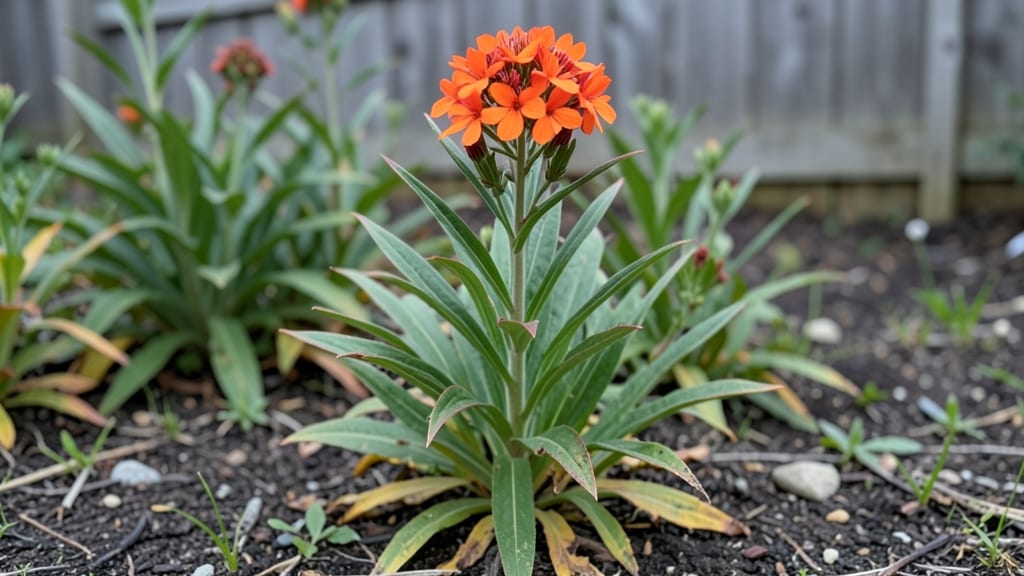
Growing dragon wing flower (Tritonia crocata) in your Pacific Northwest garden means adding a bold, climbing star that thrives where others falter. Its striking red-orange blooms and wiry stems create a dramatic vertical display that begs to be the centerpiece of trellises or arbors.
I planted mine last spring, and by midsummer, it had already claimed a 6-foot fence—without any coaxing.
The secret lies in its love for well-draining soil and partial shade, which protects its delicate foliage from the region’s damp summers. A mix of compost and native soil gives it the nutrients it craves, while morning sun and afternoon shade keep it happy.
Watering is simple: keep the soil evenly moist but never soggy, and you’ll avoid the fungal issues that plague other climbers.
By late summer, you’ll be rewarded with vibrant blooms that last for weeks, drawing hummingbirds and butterflies to your garden. The plants spread easily through division, so you can share cuttings with fellow gardeners—or let it naturalize along fences.
Just watch for slugs in spring, which love the tender new shoots.
Perfect for cottage gardens, urban courtyards, or even container training with sturdy supports. Once established, it’s low-maintenance and returns year after year with even more vigor. Let’s get yours growing!
📚 In This Guide
- What you need
- Instructions
- Tips and common mistakes
- Wrapping up and next steps
What you need
- ● Dragon Wing Flower Plants: 1–3 nursery-grown plants (3–4 feet tall, mature size) or seeds (if starting from scratch). Pro tip: Nursery plants (💡) save time—this species grows slowly from seed!
- ● Well-Draining Soil: 1–2 cubic yards of moist, humus-rich soil (amend with compost if your soil is sandy or clay-heavy). PNW tip: Mix in peat moss (1 part) for acidity-loving roots! 🌡️
- ● Mulch: 3–5 bags of wood chips or shredded bark (to retain moisture and suppress weeds).
- ● Watering Can or Hose: A 5-gallon capacity for deep watering (1–2 times per week, depending on rainfall).
- ● Gloves & Pruners: 1 pair of gardening gloves (for handling thorny stems).
- ● 1 pair of bypass pruners (for shaping or dividing mature clumps).
- ● Slow-release fertilizer (10-10-10, 1 lb per plant) for nutrient boosts.
- ● Stakes or trellis (if training vines in early growth—though dragon wing flowers are self-supporting!).
- ● Soil pH tester (ideal range: 5.0–6.5; adjust with sulfur if needed).
- ● Drip irrigation kit (for automated watering in dry spells).
How to plant and maintain dragon wing flower in the Pacific Northwest
This striking vine thrives in our region’s climate—here’s how to establish it for years of bold, drought-resistant blooms.
Choose the Perfect Spot with Morning Sun
Dragon wing flower (Asclepias fascicularis) demands full sun to partial shade, but in the Pacific Northwest’s cooler summers, at least 6 hours of morning sunlight is ideal. Avoid hot afternoon sun—it can scorch the glossy foliage. Look for a location with well-draining soil and a sturdy trellis, arbor, or fence within 6-10 feet of the planting site. I always test drainage first by digging a 12-inch hole, filling it with water, and waiting to see if it drains within 30 minutes. Slow drainage here means amending the soil with 2-3 inches of coarse sand or composted pine bark.
This vine spreads aggressively, so plant it 10-12 feet away from structures or use underground root barriers if containment is a concern. The Pacific Northwest’s mild winters mean it stays evergreen in most zones, so choose a spot where the foliage won’t block windows or doors during winter months.
Prepare the Soil for Optimal Growth
Dragon wing flower tolerates poor soil but flourishes in sandy loam with a pH between 6.0 and 7.5. Before planting, mix 3-4 inches of organic matter (like compost or well-rotted leaf mold) into the top 12 inches of native soil. In heavy clay soils common to the PNW, blend in 20% perlite or coarse sand to improve aeration. I like to add a handful of bone meal at planting time—it provides phosphorus for strong root development and future blooms.
If your soil is acidic (common in rainforest regions), add dolomitic lime to raise the pH gradually. Test your soil’s pH with a kit before amending—this vine won’t tolerate acidic conditions below 5.5. Once amended, rake the area smooth and create a mound of soil about 6 inches high where the roots will settle. This slight elevation prevents waterlogging during our region’s frequent winter rains.
Plant Bare-Root or Container-Grown Vines Correctly
For bare-root plants, soak the roots in lukewarm water for 1-2 hours before planting to revive them. Position the crown 1-2 inches above soil level—burying it too deep invites rot in our damp climate. Spread the roots outward over the mound, then backfill with native soil mixed with 1 cup of compost. Press gently to eliminate air pockets but avoid compacting the soil.
If using container-grown plants, remove it from the pot and loosen any circling roots. Plant at the same depth it was in the container, then water deeply to settle the soil. Mulch immediately with 2-3 inches of wood chips or bark, keeping the mulch 6 inches away from the stem to prevent moisture buildup. This mulch layer conserves water and regulates soil temperature—critical in our region’s mild but unpredictable winters.
Water Deeply and Establish a Consistent Routine
After planting, water deeply once a week for the first 4-6 weeks to encourage deep root growth. Dragon wing flower is drought-tolerant once established, but young plants need 1-2 inches of water per week during the first growing season. In the Pacific Northwest, morning watering is best—it reduces fungal risks from evening moisture. You’ll know the plant is getting enough water when the leaves remain plump and dark green rather than wilting or yellowing.
Once established, reduce watering to every 2-3 weeks unless we experience an extended dry spell. Overwatering in winter can lead to root rot, so always check soil moisture by digging 2 inches deep—if it’s damp, wait before watering again. Fertilize lightly in early spring with a balanced 10-10-10 fertilizer to support new growth, but avoid heavy feeding—this vine prefers lean soil.
Prune and Support for Healthy, Abundant Blooms
Prune in late winter or early spring before new growth begins. Remove dead or damaged stems at the base, then cut back one-third of the oldest stems to encourage fresh, vigorous growth. I also trim back any stems that grew too long or leggy during the previous season—this redirects energy to flowering. Use clean, sharp pruners to make cuts at a 45-degree angle just above a leaf node or bud.
Install a strong trellis or arbor before the vine reaches 3 feet tall—it climbs aggressively and can reach 15-20 feet in ideal conditions. Train young vines by tying them loosely to the support structure with soft garden twine. Avoid tight binding, which can girdle the stems. Deadhead spent flower clusters in late summer to prolong blooming and prevent seed pods from draining the plant’s energy.
Tips & tricks for perfect dragon wing flower planting in the Pacific Northwest
These essential insights will help you establish a thriving dragon wing flower that thrives in our region's unique climate.
Site Selection Strategy: When evaluating your location in Step 1, prioritize spots with morning sun exposure that also receive gentle afternoon shade—this balances light needs without risking leaf scorch. I've found that planting near the east side of structures or under deciduous trees that provide summer shade works beautifully. The 6-hour morning sun guideline is non-negotiable for vibrant foliage and abundant blooms, but don't overlook the importance of afternoon shade during our hotter summer days.
Soil Preparation Insight: For the soil amendments in Step 2, consider using a soil test kit to verify your pH before adding lime—our region's natural acidity can be deceiving. I've had success using a combination of 2 parts native soil, 1 part compost, and 1 part coarse sand for heavy clay soils. The 6-inch elevation mound is particularly important in our rainy climate—it creates natural drainage while maintaining moisture for the roots.
Planting Technique: When handling bare-root plants in Step 3, I recommend trimming any damaged roots before soaking—this prevents potential rot from compromised areas. For container-grown plants, gently squeeze the root ball to encourage root expansion before planting. The 1-2 inch crown positioning above soil level is critical in our damp climate to prevent crown rot, which can be fatal to young plants.
Ongoing Maintenance: In Step 4, consider installing a simple rain gauge near your planting site to track precipitation—this helps you determine when supplemental watering is truly needed. The 2-3 week watering schedule for established plants works well, but monitor leaf color closely. Yellowing leaves typically indicate overwatering, while crisp edges suggest underwatering. The morning watering guideline is particularly important in our humid climate to prevent fungal diseases.
Pro Tips for Dragon Wing Flower
- These essential insights will help you establish a thriving dragon wing flower that thrives in our region's unique climate.
- Site Selection Strategy: When evaluating your location in Step 1, prioritize spots with morning sun exposure that also receive gentle afternoon shade—this balances light needs without risking leaf scorch.
- Soil Preparation Insight: For the soil amendments in Step 2, consider using a soil test kit to verify your pH before adding lime—our region's natural acidity can be deceiving.
Frequently asked questions
What’s the best time to plant Dragon Wing Flower in my region?
The ideal time to plant Dragon Wing Flower (Botanical name: Spathiphyllum or Asparagus officinalis—often confused with its namesake!) depends on your climate. In the Pacific Northwest, spring (after the last frost, around April–May) is perfect. For warmer zones, fall planting works too. Pro tip: Avoid planting in extreme heat—root shock is a real risk!
How fast does Dragon Wing Flower grow, and how tall can it get?
This vigorous climber grows 3–5 feet per year with proper support (think trellises, fences, or arbors). Mature plants can reach 10–15 feet if given space and regular pruning. Troubleshooting: If growth stalls, check for nutrient deficiencies (add compost) or overwatering (roots need aeration).
How often should I water Dragon Wing Flower, and does it tolerate drought?
Dragon Wing Flower loves consistent moisture but hates soggy soil. Water 1–2 times per week in summer (more in containers) and reduce to weekly in winter. While it’s drought-tolerant once established, wilting leaves signal thirst. Quick fix: Mulch with wood chips to retain moisture and protect roots.
Can I grow Dragon Wing Flower in containers, and what’s the best soil mix?
Use a well-draining potting mix (50% peat/compost, 30% perlite, 20% sand). Containers need drainage holes and should be 12+ inches deep to accommodate roots. Alternative tip: Add a slow-release fertilizer at planting to boost early growth.
Does Dragon Wing Flower survive winter in the PNW, and how do I protect it?
Yes! This hardy plant tolerates USDA Zones 7–10. In colder PNW winters (below 20°F), mulch heavily and wrap the base with burlap or frost cloth. Prune dead foliage in early spring to encourage new growth. Bonus: Its evergreen leaves add winter interest!
Are there any pests or diseases I should watch for?
Keep an eye out for aphids, spider mites, and slugs—common culprits. Treat with neem oil or insecticidal soap. Fungal issues (like powdery mildew) can occur in humid conditions; prevent it by: pruning for airflow and avoiding overhead watering.
Wrapping up and next steps
The Dragon Wing Flower (Botanical name: Emmenanthe penduliflora) isn’t just a stunning addition to your Pacific Northwest garden—it’s a resilient, low-maintenance superstar that thrives where others falter. With its vibrant blooms, easy-care nature, and ecological benefits, it’s the perfect choice for gardeners who want beauty without the fuss.
Whether you’re a beginner or a seasoned green thumb, this climbing gem is ready to transform your outdoor space into a lush, thriving paradise.
Ready to bring home this dragon wing flower magic? Start by checking local nurseries or reputable online sellers, then grab your gardening gloves—your garden’s next star is waiting! 🌿✨