Vegetables
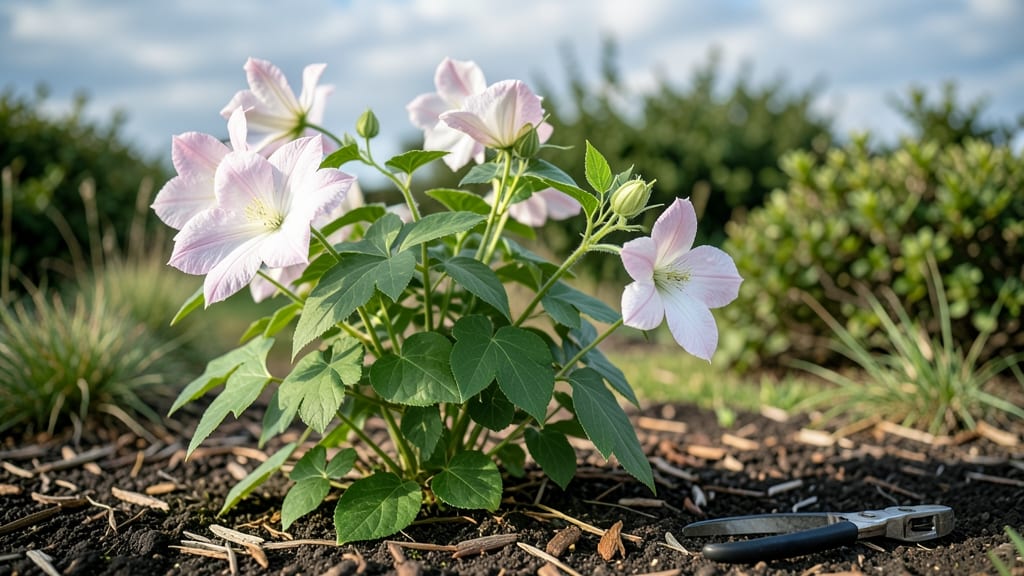
Early large-flowered clematis thrives in the Pacific Northwest’s cool, damp climate—if you pick the right frost-resistant varieties and give them the care they crave.
I’ve grown these showstoppers for years, and the secret isn’t just the pruning or the soil—it’s knowing when to push them and when to let them rest.
The first blooms appear in late spring, just as the rain lets up, and they keep coming until frost, with some varieties even reblooming in fall.
You’ll need well-draining soil mixed with compost, a sturdy trellis or arbor for support, and a spot with morning sun and afternoon shade—critical for preventing scorched foliage. Water deeply once a week, more in summer, and mulch heavily to protect roots from winter’s chill.
The right variety matters too: ‘Jackmanii’, ‘Nelly Moser’, and ‘Vyvyan Pennell’ are my top picks for their hardiness and bold blooms.
By late summer, your clematis will be a lush, flowering wall of color, with blooms the size of dinner plates. The fragrance on warm evenings is unbeatable, and the way they climb trellises or drape over arbors transforms any space.
Pruning in early spring (before new growth starts) keeps them tidy and encourages stronger stems for next season’s flowers.
This works beautifully in gardens big or small, from city balconies to country backyards. The key is patience—clematis take a year or two to really establish, but once they do, they reward you with decades of stunning blooms. Let’s get yours growing strong!
📚 In This Guide
- What you need
- Instructions
- Tips and common mistakes
- Wrapping up and next steps
What you need
- ● Clematis plants: 3–5 early large-flowered varieties (e.g., 'Jackmanii,' 'Comtesse de Bouchard,' or 'Niobe'). Choose frost-resistant PNW-friendly cultivars.
- ● Well-draining soil: 5–10 cubic yards of loamy garden soil amended with 30% compost or peat moss (avoid heavy clay).
- ● Support structures: 1–2 trellises, arbors, or obelisks (6–10 ft tall, sturdy for 15+ lb vines).
- ● Twine or soft garden ties (10–20 ft per plant).
- ● Mulch: 2–3 inches of wood chips or straw (retains moisture, regulates soil temp).
- ● Garden tools: 1 shovel (for digging holes 12–18" wide/deep).
- ● 1 trowel (for root adjustments).
- ● 1 pruners (sterilized, for cleanup).
- ● 1 gloves (gardening-grade, cut-resistant).
- ● Fertilizer: Balanced 10-10-10 (1 lb per plant) or bone meal (for phosphorus).
- ● Watering system: Drip irrigation or soaker hose (10+ ft reach).
- ○ Optional (but helpful!): Soil pH test kit (aim for 6.5–7.0).
- ● Epsom salt (1 tbsp per plant, for magnesium boost).
- ● Frost cloth (for early-season protection in cold microclimates).
Step-by-Step guide to planting early large flowered clematis in the Pacific Northwest
Here's how to establish these stunning frost-resistant climbers with minimal fuss.
Choose the Perfect Planting Site
Early large-flowered clematis thrive in partial shade—at least 4-6 hours of morning sun but protection from hot afternoon rays. In the Pacific Northwest, a north- or east-facing wall works beautifully. I always look for a spot with well-draining soil and room to grow—these vines can reach 10-15 feet over time.
Dig a hole twice as wide as the root ball but only as deep as the container it came in. Clematis roots are shallow and sensitive to burial too deep. If your soil is heavy clay (common in PNW), mix in a 5-gallon bucket of compost to improve drainage. The roots will thank you later with stronger growth.
Plant with Proper Support and Mulch
Install a trellis, arbor, or sturdy wire frame before planting—clematis vines need something to climb immediately. I use 3-4 inch diameter wooden posts with horizontal wires spaced 12-18 inches apart for my varieties. Position the support 3-4 feet away from the planting hole so the vine can grow toward it naturally.
Place the clematis in the hole, spreading roots gently outward. Fill with soil, pressing lightly to remove air pockets, then water deeply. Top with 2-3 inches of mulch (like bark chips or shredded leaves) to retain moisture and protect roots from winter frost. Keep mulch 6 inches away from the stem to prevent rot.
Water and Fertilize for Strong Establishment
Water deeply once a week during the first growing season—1-2 gallons per plant—to encourage deep root growth. You'll know you're doing it right when the soil stays moist 2-3 inches down but not soggy. In the PNW's damp climate, overwatering is the real danger, so check before watering.
Apply a balanced, slow-release fertilizer (like 10-10-10) in early spring and again after flowering. I sprinkle about 1/4 cup around the base, then water it in. Avoid high-nitrogen fertilizers—they promote leafy growth at the expense of those show-stopping blooms. For established plants, a low-phosphorus fertilizer (like 5-10-10) in late summer helps prepare for next year's flowers.
Prune for Pacific Northwest Conditions
Early large-flowered clematis bloom on old wood, so prune immediately after flowering (late spring to early summer). Cut back last year's growth by about one-third, removing weak or crossing stems. I always leave 2-3 strong buds on each stem to encourage next year's blooms. Never prune in fall—you'll remove next year's flower buds.
In winter, simply remove any dead or damaged stems—no heavy pruning needed. The PNW's mild winters mean these clematis stay dormant but alive, ready to burst into color as soon as spring arrives. A light dusting of mulch around the base adds extra frost protection without smothering the plant.
Maintain Through the Seasons
Monitor for vine weevils (common PNW pests) by checking leaves for notches. If you see them, handpick and drop in soapy water. I also spray with neem oil in early summer as a preventative measure. Clematis are generally tough, but these pests can defoliate plants quickly if left unchecked.
In late fall, apply a 4-6 inch layer of mulch to insulate roots from winter chill. These frost-resistant varieties handle PNW winters well, but extra protection ensures they return stronger each spring. By summer, you'll have a vibrant display of blooms that lasts for weeks—worth every bit of care!
Tips & tricks for perfect early large flowered clematis planting
These simple strategies will help you establish thriving clematis that burst into stunning blooms year after year in the Pacific Northwest.
Site Selection Secret: When choosing your north- or east-facing spot, look for areas where morning sun warms the soil but afternoon shade keeps roots cool. I've found that clematis planted near evergreen trees actually benefit from the dappled shade they provide—it mimics their natural woodland habitat. In Step 1, test your chosen location by observing how sunlight moves through the space at different times of day.
Support System Strategy: Don't wait until after planting to install your trellis! In Step 2, position your support structure 3-4 feet away from the planting hole before you even dig. This gives the vine natural direction to grow toward, and you'll avoid disturbing roots later. For extra stability in windy PNW conditions, I anchor my trellises with metal stakes driven deep into the soil.
Watering Wisdom: The once-weekly deep watering in Step 3 is crucial, but timing matters just as much. Water in the morning so the soil has all day to dry slightly—this prevents fungal issues. I've learned the hard way that watering in the evening can leave foliage damp overnight, inviting vine weevils. Use a rain gauge or tuna can to measure your 1-2 gallons per plant to ensure consistency.
Pruning Precision: For that one-third pruning in Step 4, focus on removing stems that cross each other or grow inward. These competing stems weaken the plant and reduce air circulation, which can lead to mildew. I always make my cuts just above a pair of outward-facing buds—this ensures new growth will have room to spread and catch sunlight.
Pro Tips for Early Large Flowered Clematis
- These simple strategies will help you establish thriving clematis that burst into stunning blooms year after year in the Pacific Northwest.
- Site Selection Secret: When choosing your north- or east-facing spot, look for areas where morning sun warms the soil but afternoon shade keeps roots cool.
- Support System Strategy: Don't wait until after planting to install your trellis!
Frequently asked questions
Got questions about growing early large-flowered clematis in the Pacific Northwest? Here are some common ones—and their answers—to help you cultivate stunning, frost-resistant blooms with confidence!
What’s the best time to plant early large-flowered clematis in the PNW?
Plant in early spring or fall (4–6 weeks before the first frost) to give roots time to establish. Avoid summer heatwaves, which can stress young plants. For cold-hardy varieties like ‘Jackmanii’ or ‘Nelly Moser’, fall planting works well—just mulch heavily to protect roots.
How cold-hardy are these clematis varieties, and do they need winter protection?
Most early large-flowered clematis thrive in USDA Zones 4–8, handling temps down to -20°F. However, young plants or tender varieties may need mulch (6–8 inches of straw or leaves) or a light burlap wrap in harsh winters. Established vines usually bounce back with minimal care!
Can I grow early clematis in partial shade, or do they need full sun?
While they love full sun (6+ hours/day), early bloomers like ‘Comtesse de Bouchaud’ tolerate morning sun + afternoon shade, especially in hotter PNW summers. Just avoid deep shade—it reduces flowering. Pair with shade-tolerant perennials (e.g., hostas) for a balanced garden.
What pests or diseases should I watch for, and how do I prevent them?
Common issues include:
- Clematis wilt: Fungal disease causing sudden wilting. Solution: Remove infected stems, improve airflow, and water at the base (not leaves).
- Spider mites/slugs: Use neem oil or copper tape barriers. Handpick slugs at dawn!
- Powdery mildew: Spray with baking soda solution (1 tsp/L water) weekly in humid weather.
Pro tip: Prune in late winter to improve airflow and reduce disease risks.
How do I encourage bigger, earlier blooms in my clematis?
For larger flowers:
- Feed with high-phosphorus fertilizer (like 5-10-5) in early spring.
- Deadhead spent blooms to redirect energy to new growth.
- Water deeply 1–2x/week (drought stress = smaller flowers).
For earlier blooms, plant Group 1 clematis (early large-flowered types) and avoid heavy pruning—just trim dead stems in late winter. Bonus: Mulch with compost to boost root health!
Wrapping up and next steps
Growing early large-flowered clematis in the Pacific Northwest is a rewarding way to add vibrant color and texture to your garden—even in cooler climates! 🌸 With the right frost-resistant varieties, proper soil prep, and a little patience, you’ll enjoy stunning blooms year after year.
Whether you’re a beginner or a seasoned gardener, these hardy plants are perfect for transforming your outdoor space.
Ready to get started? Pick your favorite variety, gather your supplies, and plant with confidence! For extra inspiration, explore local gardening forums or connect with fellow PNW plant lovers to share tips and successes.