
Shrubs
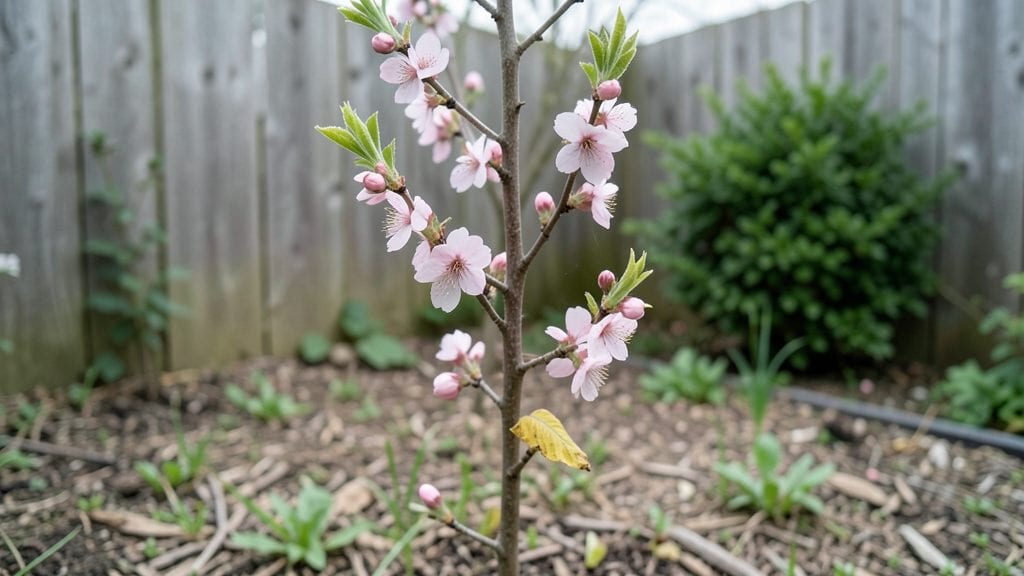
That first blush of pink in late winter is worth every chilly morning you tend this tree. 🌸 The early pink flowering peach isn't just another ornamental—it's a showstopper that actually thrives in Pacific Northwest winters, where most peaches would freeze solid.
I planted mine three years ago after seeing it at a local nursery, and now it's the first tree to bloom in my yard, beating even my cherry trees by weeks.
The secret to its success? Cold-hardy rootstock combined with a few smart care choices. You'll want well-draining soil (amend with compost if yours is heavy clay), a spot with full sun for at least six hours, and protection from late frosts—though this variety handles 15°F better than most.
The tradeoff? It produces small, tart fruit that's not for eating fresh, but the blooms are so spectacular they make up for it.
By late spring, you'll have a canopy of delicate pink blossoms that attract bees and hummingbirds while your neighbors are still shoveling snow. The tree stays compact enough for small yards (12-15 feet tall), and with proper pruning, it rewards you with blooms every year.
Even in rainy PNW winters, this tree stays healthy and vibrant.
Best part? It's low-maintenance once established—just mulch annually, prune after blooming, and watch it become the centerpiece of your garden. The only real challenge is finding a nursery that carries it, but the payoff is worth the hunt. Let's get yours growing strong!
📚 In This Guide
- What you need
- Instructions
- Tips and common mistakes
- Wrapping up and next steps
What you need
- ● Early Pink Flowering Peach Tree: 1 bare-root or potted Prunus persica (var. ‘Bonanza’ or similar cold-hardy variety) – check local nurseries for PNW-specific strains.
- ● Age: 1–3 years old (younger trees establish faster).
- ● Soil: Well-draining, slightly acidic soil (pH 6.0–6.5).
- ● 5–10 gallons of compost or aged manure (for nutrient boost).
- ○ Optional: Garden lime (if soil is too acidic) or sulfur (if too alkaline).
- ● Planting Site: Full sun (6+ hours of direct sunlight daily).
- ● Sheltered spot (protection from strong winds).
- ● Tools: Shovel or trowel (for digging).
- ● Pruning shears (sterilized with rubbing alcohol).
- ● Measuring tape (to mark planting depth).
- ● Mulch: 2–3 inches of wood chips or straw (retains moisture, regulates temperature).
- ● Fertilizer: Balanced 10-10-10 or citrus-specific fertilizer (peaches love nitrogen!).
- ● Slow-release granules (apply in early spring).
- ● Tree Guards: Protective wire cages or tree wraps (keeps critters away).
- ● Drip Irrigation: For consistent watering (especially in dry PNW summers).
- ● Cold Frame or Row Covers: Temporary protection for young trees during late frosts.
Step-by-Step guide for planting and caring for early pink flowering peach trees
Here's how to bring those stunning pink blossoms to life—even in cooler climates.
🌱 Step 1: Choose the Right Location and Prepare the Soil
Pick a sunny spot that gets at least 6-8 hours of sunlight daily. Early pink flowering peaches need warmth to set fruit, but they also appreciate some afternoon shade in hotter regions. The Pacific Northwest's cooler climate works perfectly if you choose a sheltered location where cold winds won’t stress the tree.
Before planting, test your soil's pH—aim for a slightly acidic range of 6.0-6.5. Amend heavy clay soil with 2-3 inches of compost or well-rotted manure to improve drainage. Peach trees hate soggy roots, so if your soil drains poorly, consider planting on a mound or adding organic matter to loosen it. Dig a hole twice as wide as the root ball but no deeper—this encourages roots to spread outward rather than settling too low.
🪴 Step 2: Plant Your Tree at the Right Time and Depth
Plant your early pink flowering peach in early spring, about 4-6 weeks before your last frost date. This gives roots time to establish before summer heat arrives. Handle the root ball carefully—if it’s wrapped in burlap or a container, remove any restrictions around the roots before placing it in the hole.
Position the tree so the graft union (the bump near the base where the tree was joined to its rootstock) sits 2-3 inches above soil level. This prevents the union from being buried, which can cause rot. Backfill the hole with native soil, tamping gently to remove air pockets. Water deeply to settle the soil and eliminate gaps around the roots. A newly planted tree needs 1-2 gallons of water per week during its first growing season.
☀️ Step 3: Mulch and Protect for the First Critical Year
Spread 3-4 inches of organic mulch (like wood chips or straw) around the base of the tree, keeping it 6 inches away from the trunk to prevent rot. Mulch helps retain moisture and regulates soil temperature, which is especially important in the Pacific Northwest’s fluctuating spring weather. Avoid synthetic mulches—they don’t break down and can suffocate roots over time.
Install a tree guard or fence to protect young trees from deer, rabbits, and curious pets. Early pink flowering peaches are particularly vulnerable to browsing in their first year. Prune any damaged or crossing branches with clean, sharp pruners, cutting just above a bud that faces outward. This encourages an open, airy canopy that reduces disease risk. Water deeply once a week if rainfall is scarce, ensuring the soil stays moist but not waterlogged.
✂️ Step 4: Prune and Fertilize for Healthy Growth
Prune your peach tree in late winter or early spring before buds swell. Remove any dead, diseased, or weak wood first, then thin out crowded branches to improve airflow. Aim to keep the tree’s shape open and balanced—this helps sunlight reach all parts of the canopy, which is crucial for fruit development. Cut back any suckers (shoots growing from the rootstock below the graft union) as soon as they appear to maintain the desired variety.
Fertilize lightly in early spring with a balanced 10-10-10 or 20-20-20 fertilizer, following package instructions for application rates. Over-fertilizing can lead to excessive leaf growth at the expense of fruit production. In the Pacific Northwest, where summers can be cool and wet, avoid high-nitrogen fertilizers later in the season—they encourage late-season growth that’s prone to frost damage. Instead, focus on phosphorus and potassium to support root development and disease resistance.
🌿 Step 5: Monitor for Pests and Diseases Year-Round
Keep an eye out for common peach tree pests like aphids, peach leaf curl, and borers. Aphids can be controlled with a strong spray of water or insecticidal soap, while peach leaf curl (a fungal disease) is best prevented by applying a copper fungicide in late fall or early winter. Remove and destroy any fallen leaves or fruit to reduce overwintering pests and diseases.
Thin fruit when it’s about 1 inch in diameter to ensure the remaining peaches grow larger and develop proper color. Leave 6-8 inches between fruits to avoid overcrowding, which can lead to smaller, misshapen fruit and increased disease pressure. Harvest early pink flowering peaches when they’re fully colored and slightly soft to the touch—usually in late summer or early fall, depending on your location. Enjoy your tree’s beauty and bounty, and watch those stunning pink blossoms return year after year!
Tips & tricks for perfect early pink flowering peach trees
These simple strategies will help you coax vibrant blossoms from your tree—even when Pacific Northwest weather tries to hold you back.
Sunlight Secret: The 6-8 hours of sunlight mentioned in Step 1 is non-negotiable for flowering, but here's the thing: early morning sun is more valuable than afternoon sun in cooler climates. Position your tree to catch those first rays, which help dry dew quickly and prevent fungal issues. If your yard has afternoon shade, that's actually a bonus for protecting blossoms from afternoon heat stress.
Soil Prep Game-Changer: When amending heavy clay soil with 2-3 inches of compost in Step 1, don't just mix it in—create a "soil sandwich." Place a 2-inch layer of compost at the bottom of the planting hole, then your native soil, then another 1-inch layer of compost on top before backfilling. This creates ideal drainage while keeping roots happy in cooler Pacific Northwest soils.
Watering Wisdom: The 1-2 gallons per week for new trees in Step 2 might seem like a lot, but here's how to do it right: water deeply but infrequently. Instead of daily light watering, give your tree a thorough soaking every 5-7 days. This encourages deep root growth—critical for trees that need to survive our region's wet winters. Use a rain gauge to track rainfall so you're not overwatering when it's already raining.
Mulch Magic: That 3-4 inches of organic mulch in Step 3 is your tree's winter blanket. For extra protection in the Pacific Northwest, consider adding a 2-inch layer of straw on top of your wood chips in late fall. This creates an insulating layer that shields roots from temperature swings. Just remember to pull it back 6 inches from the trunk to prevent rot—this is where many gardeners make their mistake!
Pro Tips for Early Pink Flowering Peach
- These simple strategies will help you coax vibrant blossoms from your tree—even when Pacific Northwest weather tries to hold you back.
- Sunlight Secret: The 6-8 hours of sunlight mentioned in Step 1 is non-negotiable for flowering, but here's the thing: early morning sun is more valuable than afternoon sun in cooler climates.
- Soil Prep Game-Changer: When amending heavy clay soil with 2-3 inches of compost in Step 1, don't just mix it in—create a "soil sandwich."
Frequently asked questions
Got questions about nurturing your early pink flowering peach? You’re not alone! Here are answers to the most common queries—from planting to blooming—so you can enjoy those stunning blossoms with confidence.
When is the best time to plant an early pink flowering peach tree in the Pacific Northwest?
Plant in early spring (March–April) or fall (September–October) for optimal root establishment. The PNW’s mild winters mean fall planting works well, but avoid planting when the ground is frozen. Choose a sunny, sheltered spot (at least 6–8 hours of sunlight) to protect blossoms from late frosts.
How cold-hardy are early pink flowering peaches, and how do I protect them from frost?
These trees tolerate USDA Zones 5–8, but young trees or late blooms may need frost protection. Use frost cloths or row covers on chilly nights (below 28°F). Prune in late winter to open the canopy for airflow, reducing frost pockets. Mulch heavily in winter to insulate roots.
Will my early pink flowering peach produce fruit, or is it purely ornamental?
Most early blooming varieties (like ‘Springtime’ or ‘Redhaven’) are dual-purpose—they produce small, sweet peaches (though not as large as commercial varieties) alongside stunning flowers. If fruit isn’t your goal, focus on ornamental cultivars like ‘Bonanza,’ which prioritize blossoms.
What pests or diseases should I watch for, and how do I prevent them?
Common issues include:
- Peach leaf curl: Fungal disease causing puckered leaves. Solution: Apply copper fungicide in late fall or early spring before buds swell.
- Aphids/mealybugs: Sap-sucking pests. Solution: Spray with neem oil or introduce ladybugs.
- Peach tree borers: Larvae tunnel into bark. Solution: Wrap the trunk with tree banding tape in early spring.
Can I grow an early pink flowering peach in a container, or does it need to be planted in the ground?
While possible, containers limit root growth and may stress the tree. If you must pot it:
- Use a large (20+ gallon) container
- Choose a fast-draining mix with compost
- Move it to ground level in winter for root insulation
Wrapping up and next steps
Growing an early pink flowering peach tree in the Pacific Northwest is not just possible—it’s a rewarding way to bring vibrant color and sweet rewards to your garden. With the right variety, soil prep, and a little patience, you’ll enjoy stunning blooms and juicy fruit, even in cooler climates. 🌸
Ready to take the next step? Start by selecting a low-chill cultivar and give your tree the care it deserves—your future harvest (and neighbors!) will thank you. Shop early bloomers today or dig deeper into pruning tips to keep your tree thriving.