
Companion Plants
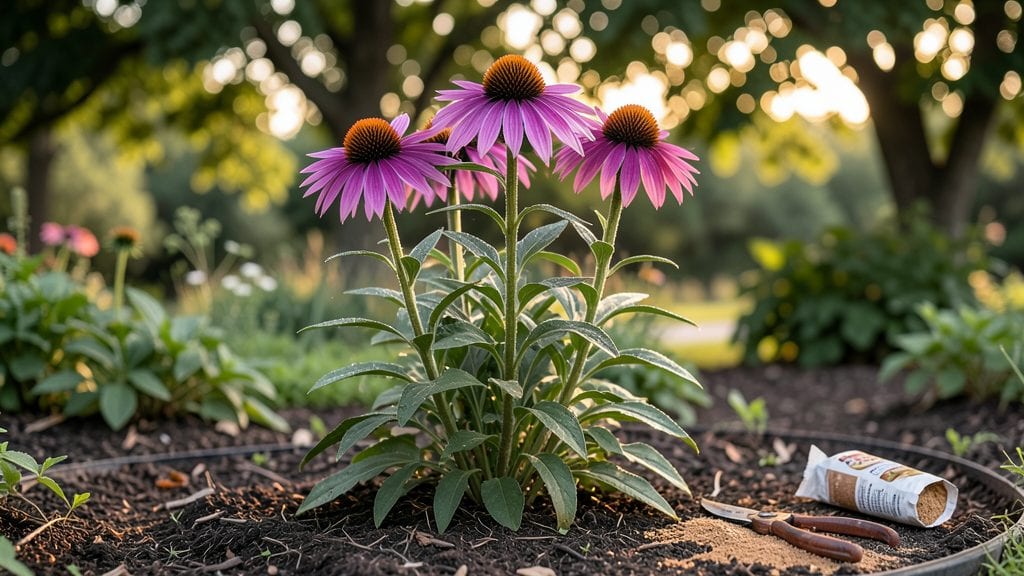
Planting Echinacea 'Cheyenne Spirit' in your Pacific Northwest garden means adding a drought-proof pollinator powerhouse that thrives where others fail. 🌿 This coneflower isn’t just tough—it’s a magnet for bees, butterflies, and hummingbirds from early summer through frost, even when your neighbors’ gardens are wilting by July.
The deep rose-pink blooms stand out against gray skies, and the sturdy stems hold up to wind and rain like nothing else in your beds.
Here’s the secret to its success: well-draining soil (even rocky or sandy) and full sun—at least six hours daily. I’ve grown it in everything from heavy clay to gravelly slopes, and it never complains.
Watering’s easy too: once established, it’s happy with 1 inch per week, but don’t skimp on moisture the first year. The key is spacing—24 to 36 inches apart—so those bold blooms get plenty of airflow and don’t crowd out smaller perennials.
By midsummer, you’ll have 3-foot-tall plants bursting with 3-inch-wide flowers that last for weeks. The best part? It multiplies over time, creating natural drifts that look stunning in cottage gardens or modern landscapes alike.
Prune back spent blooms in late fall, and you’ll wake up to fresh growth in spring—no fuss, no drama, just reliable beauty year after year.
Perfect for beginner-friendly gardens, it’s also a low-maintenance star in pollinator-friendly designs. Whether you’re replacing high-water plants or filling a sunny border, this coneflower delivers color, resilience, and wildlife value without the hassle. Let’s get yours planted!
📚 In This Guide
- What you need
- Instructions
- Tips and common mistakes
- Wrapping up and next steps
What you need
- ● Echinacea Cheyenne Spirit seeds or nursery-grown plants: 3–5 plants (or seeds) to ensure a vibrant display. Look for Echinacea purpurea varieties labeled "Cheyenne Spirit" for the iconic deep purple blooms.
- ● Well-draining soil: A mix of native soil (sandy loam works best in the PNW) with 10–20% compost or aged manure to improve fertility. Avoid heavy clay.
- ● Full sun location: A spot receiving 6–8 hours of direct sunlight daily (critical for robust growth and blooms). Partial shade (3–6 hours) may work in hotter microclimates.
- ● Watering can or hose: With a gentle spray nozzle for 1–1.5 inches of water per week (adjust for rain). Drip irrigation is ideal for consistency.
- ● Mulch: 2–3 inches of organic mulch (e.g., cedar chips, straw, or wood chips) to retain moisture and suppress weeds.
- ● Hand trowel or transplanting spade for planting.
- ● Pruning shears (sterilized) for deadheading spent blooms or shaping.
- ● Garden gloves to protect hands from thorns (Cheyenne Spirit has mild thorns!).
- ○ pH testing kit (optional): Aim for 6.0–7.0 pH—slightly acidic to neutral.
- ○ Stakes or plant supports (optional): Only needed if your garden experiences strong winds (common in the PNW!).
- ● Patience! Echinacea Cheyenne Spirit may take 6–8 weeks to germinate from seed (or 1–2 years to fully mature from seed). Nursery plants bloom faster.
- ● Knowledge of your last frost date (typically mid-April to early May in the PNW). Plant seeds 4–6 weeks before or wait until spring for transplants.
- ● Awareness of local pollinators (bees, butterflies, hummingbirds) to maximize their visit to your garden!
Step-by-Step guide to growing Echinacea Cheyenne Spirit in the Pacific Northwest
This hardy cultivar thrives in our rainy climate—here's how to coax its bold blooms.
🌱 Step 1: Select the Perfect Planting Site
Choose a location with full sun to partial shade—at least 6 hours of direct sunlight daily, though Cheyenne Spirit tolerates morning sun with afternoon shade better than other echinaceas. In the PNW's damp summers, afternoon shade prevents fungal stress while maintaining vibrant blooms.
Test soil drainage by digging a 6-inch deep hole—if water pools after 30 minutes, amend with 2-3 inches of compost or plant on a slight mound. Cheyenne Spirit's deep roots appreciate well-drained soil but won't thrive in soggy conditions. I always plant mine where summer water collects naturally, then improve drainage with a 1-inch layer of coarse sand mixed into the topsoil.
🪴 Step 2: Plant at the Right Time and Depth
Plant bare-root plants in early spring (March-April) or container-grown specimens in fall (September-October) to establish roots before summer's peak heat. For container plants, dig a hole twice as wide as the root ball but only as deep—the top of the root ball should sit flush with soil level to prevent crown rot.
Space plants 24-30 inches apart—this variety grows 2-3 feet tall with a 2-foot spread, and crowding invites fungal diseases in our humid climate. Gently loosen roots if pot-bound, then backfill with native soil mixed with 1 cup of bone meal per plant for phosphorus boost. Water deeply immediately after planting to settle soil around roots.
☀️ Step 3: Water Strategically for PNW Conditions
Water deeply once per week during the first growing season to encourage deep root development—1-2 gallons per plant until the top 6 inches of soil feel moist. In our rainy summers, you'll likely need to water only during dry spells (when 1 inch of rain doesn't occur weekly). Cheyenne Spirit's drought tolerance kicks in after establishment, but young plants need consistent moisture.
Never let the plant sit in standing water—this cultivar's susceptibility to powdery mildew increases when foliage stays damp. Water at soil level in the morning to allow foliage to dry completely before evening humidity sets in. You'll know moisture is right when the soil surface looks slightly damp but not glistening—this prevents both underwatering and fungal issues.
✂️ Step 4: Prune for Health and Longer Blooms
Deadhead spent blooms every 2-3 weeks throughout summer to encourage continuous flowering until frost. Cut back stems to the first set of healthy leaves—this prevents seed formation and redirects energy to new blooms. I always use clean, sharp pruners to avoid tearing stems, which invites disease.
In early spring, cut back last year's stems to 4-6 inches above ground level. This variety's woody stems can become leggy, and rejuvenating pruning prevents flopping in our windy summers. Apply a 2-inch layer of mulch (like shredded bark) around the base to retain moisture and suppress weeds—just keep mulch 2 inches away from stems to prevent rot.
🌿 Step 5: Overwinter for Year-Round Performance
Cheyenne Spirit handles PNW winters beautifully, but a 3-inch layer of mulch added in late fall protects roots from freeze-thaw cycles. In particularly cold winters (below 10°F), wrap young plants with burlap for the first two years until established. The plant's deep taproot makes it surprisingly cold-hardy—USDA Zones 3-8—but young specimens need extra protection.
Prune back any damaged stems in early spring before new growth emerges. You'll notice fresh, vibrant foliage pushing through the mulch by mid-April—this is your cue that the plant is ready for another season of pollinator support. The first blooms typically appear 6-8 weeks after spring pruning, making it a reliable early-season nectar source for bees and butterflies.
Tips & tricks for perfect Echinacea Cheyenne Spirit growth
These pro strategies will help you coax the most vibrant blooms from this Pacific Northwest powerhouse—especially in our challenging climate.
Soil Drainage Test: The 30-minute water test in Step 1 is your best friend for preventing soggy roots. If water still pools after 30 minutes, add more sand or create a raised bed. I've seen Cheyenne Spirit thrive in heavy clay when planted on a 6-inch mound—this simple elevation change makes all the difference in our rainy summers.
Spring Planting Timing: That March-April window for bare-root plants is critical for root establishment before summer's heat arrives. I've found planting in late March (when soil reaches 50°F) gives roots a head start before our typical June heatwaves. For container plants, September's cooler temps mean less transplant shock.
Watering Visual Cues: The "slightly damp but not glistening" soil test in Step 3 is easier than it sounds. Just run your finger through the top 6 inches—if it feels like a damp sponge, you're golden. I keep a small trowel handy to check moisture levels after our frequent PNW downpours, which can easily overwater these plants.
Pruning Precision: When cutting back to the first set of healthy leaves in Step 4, look for leaves that are at least 2 inches wide—smaller leaves mean you're cutting too aggressively. This variety's woody stems can become surprisingly sturdy, so don't hesitate to make clean cuts right at the stem base when rejuvenating in spring.
Pro Tips for Echinacea Cheyenne Spirit Coneflower
- These pro strategies will help you coax the most vibrant blooms from this Pacific Northwest powerhouse—especially in our challenging climate.
- Soil Drainage Test: The 30-minute water test in Step 1 is your best friend for preventing soggy roots.
- Spring Planting Timing: That March-April window for bare-root plants is critical for root establishment before summer's heat arrives.
Frequently asked questions
Got questions about growing Echinacea Cheyenne Spirit in the Pacific Northwest? You’re not alone! Here are some of the most common queries—and their answers—to help you cultivate this pollinator powerhouse with confidence.
How cold-hardy is Cheyenne Spirit compared to other echinacea varieties?
Cheyenne Spirit is one of the hardiest echinacea varieties, thriving in USDA Zones 3–9. Unlike some varieties that struggle in harsh winters, it handles sub-zero temps and Pacific Northwest’s wet springs like a champ. Its deep roots also make it drought-tolerant once established—perfect for PNW’s unpredictable weather!
When is the best time to plant Cheyenne Spirit in the Pacific Northwest?
For spring planting, aim for early April after the last frost (soil temps should be above 40°F). Fall planting is ideal too—September to early October gives roots time to establish before winter. Avoid late fall planting, as tender roots may not survive wet, cold soil.
Why aren’t bees visiting my Cheyenne Spirit flowers?
If pollinators seem scarce, check these fixes:
- Water stress: Even drought-tolerant plants need 1 inch of water weekly during dry spells.
- Pesticides: Skip neonicotinoids—opt for organic sprays or horticultural oil instead.
- Timing: Blooms peak in mid-to-late summer; bees may be busy elsewhere earlier.
- Deadheading: Remove spent blooms to encourage new flowers and extend the season.
Can I grow Cheyenne Spirit in containers, or is it strictly for gardens?
Cheyenne Spirit adapts well to containers 12+ inches deep with drainage holes. Use a well-draining potting mix (add perlite or sand) and a 5-gallon pot per plant. Place in full sun (6+ hours daily) and fertilize lightly with balanced 10-10-10 in spring. Just avoid overcrowding—space plants 18–24 inches apart.
What’s a good alternative if Cheyenne Spirit struggles in my shady spot?
While Cheyenne Spirit prefers full sun to partial shade, try these PNW-friendly pollinator stars for shadier gardens:
- Coneflower (Echinacea purpurea ‘White Swan’) – Tolerates morning sun.
- Bee balm (Monarda fistulosa) – Thrives in dappled shade.
- Yarrow (Achillea millefolium) – Handles woodland gardens beautifully.
- Salvia (Salvia nemorosa) – Drought-tolerant and shade-adaptable.
Wrapping up and next steps
Incorporating Echinacea Cheyenne Spirit into your Pacific Northwest garden isn’t just about adding beauty—it’s about creating a thriving ecosystem that supports pollinators while standing up to the region’s unique challenges. 🌿 With its hardy nature, vibrant blooms, and ability to attract bees, butterflies, and hummingbirds, this coneflower is a game-changer for any pollinator-friendly space.
Whether you’re a seasoned gardener or just starting, this plant makes it easy to make a difference!
Ready to take the next step? Start small—plant a few Cheyenne Spirit coneflowers in a sunny spot this season and watch your garden transform. Need inspiration? Check out companion plant pairings like lavender or bee balm to maximize pollinator appeal. Happy gardening! 🌸