
Flowers
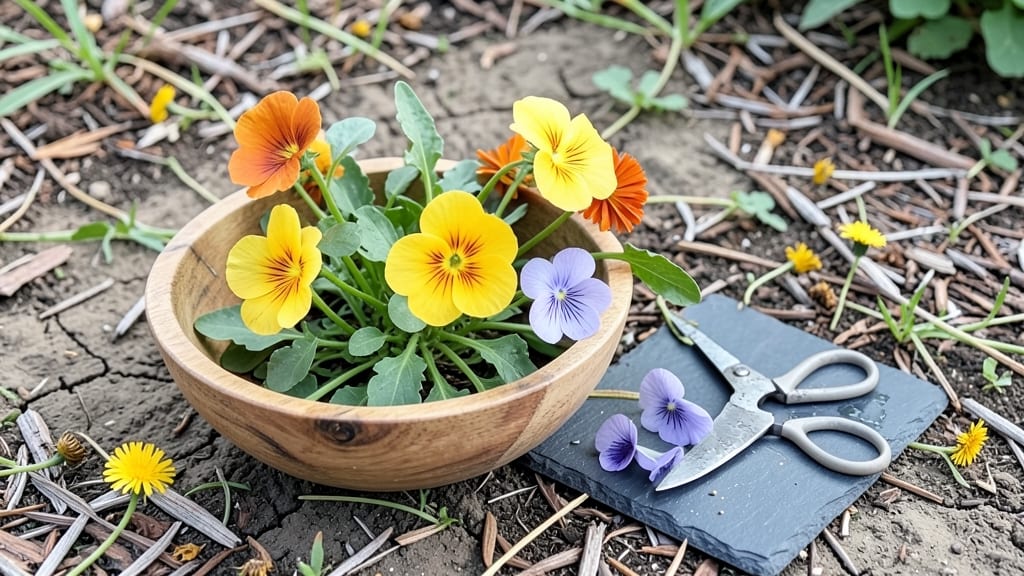
Your salad just got a whole new level of showstopper potential. 🌸 Edible flower salad transforms simple greens into a feast for the eyes and palate, and growing your own blooms makes it even more rewarding.
I remember the first time I scattered nasturtium petals over a summer salad—the way they popped against the greens felt like magic in a bowl.
The key is choosing the right flowers—think nasturtiums for peppery crunch, pansies for sweetness, and calendulas for a mild, citrusy bite. These thrive in sunny spots and need minimal care, making them perfect for beginners.
You’ll also want a mix of textures: delicate borage flowers, hearty rose petals, and frilly violas for contrast.
What you’ll end up with is a salad that’s not just eaten but celebrated. Imagine the vibrant colors—deep reds, sunny yellows, soft purples—all edible and bursting with flavor. The best part? Your garden becomes the kitchen’s secret ingredient, fresh-picked and full of stories.
This works for any garden size, from a balcony pot to a full sunlit border. Whether you’re growing for color, flavor, or both, these blooms bring the garden right to your plate. Let’s get those petals prettifying your meals!
📚 In This Guide
- What you need
- Instructions
- Tips and common mistakes
- Wrapping up and next steps
What you need
- ● Edible flowers (1–2 cups, fresh or organic): Nasturtiums (bright, peppery) – ½ cup
- ● Violets (delicate, sweet) – ¼ cup
- ● Calendula (cheerful, citrusy) – ¼ cup
- ● Borage (cucumber-like flavor) – ¼ cup
- ● Pansies (mild, colorful) – ¼ cup
- ● Base greens (2–3 cups): Mixed baby greens (spinach, arugula, or butter lettuce)
- ● OR microgreens (for a gourmet touch)
- ○ Protein or crunch (optional but recommended): Chickpeas (½ cup, roasted) or grilled shrimp (¼ lb)
- ● Toasted nuts/seeds (¼ cup, e.g., almonds, pumpkin seeds)
- ● Dressing (2–3 tbsp): Lemon-olive oil vinaigrette (1 tbsp lemon juice + 2 tbsp olive oil + pinch of salt)
- ● OR honey-mustard (1 tsp honey + 1 tbsp Dijon mustard + 1 tbsp olive oil)
- ● Large mixing bowl (for tossing)
- ● Sharp scissors or floral shears (to trim stems)
- ● Fine-mesh strainer (for rinsing delicate flowers)
- ○ Plating tools (tongs or a salad spinner, optional)
- ● Safety note: Always verify flowers are edible and pesticide-free!
- ● Goat cheese crumbles (2 tbsp) or feta cubes
- ● Fresh herbs (basil, mint, or dill – 2 tbsp, chopped)
- ● Edible flower petals (rose, hibiscus – sparingly!)
- ● Citrus zest (lemon/orange – 1 tsp, for brightness)
How to create a stunning edible flower salad
Here’s how to craft a visually striking, flavor-packed salad using blooms that taste as good as they look.
🌿 Step 1: Select Safe, Flavorful Edible Flowers
Start by gathering flowers known for both beauty and taste. Nasturtiums add a peppery kick, violas offer sweetness, and pansies bring mild floral notes. Avoid flowers treated with pesticides—opt for organic or homegrown blooms. I like to pick flowers in the morning when their petals are fully unfurled and dew-free for the freshest flavor.
Remove any green, bitter stems and sepals (the leafy bases) unless they’re known to be edible—like those on nasturtiums. For a balanced salad, aim for a mix of colors and textures: delicate petals like rosebuds, crunchy blossoms like borage, and tender leaves like microgreens. A handful of each type per serving ensures visual appeal and flavor harmony.
💧 Step 2: Prep Flowers for Maximum Freshness
Gently rinse your flowers under cool water to remove dirt or insects, then pat them dry with a clean kitchen towel or paper towels. Avoid soaking them—waterlogged petals wilt quickly and lose their vibrant color. I find it helpful to separate flowers by type and store them in small containers lined with paper towels in the fridge until ready to use.
For extra-long-lasting blooms, trim stems at an angle and place them in a glass of water for up to 24 hours before using. This hydrates the petals and keeps them crisp. If you’re using delicate flowers like violets, handle them with care—they bruise easily and can turn bitter if damaged.
☀️ Step 3: Layer Flowers for Texture and Color
Build your salad in stages, starting with a base of mixed greens like arugula or butter lettuce. These act as a neutral canvas for the vibrant flowers. Add larger, sturdy blooms like sunflowers or calendula first—they anchor the salad and prevent smaller petals from getting lost. Sprinkle in clusters of tiny flowers like Johnny-jump-ups or cornflowers toward the top for a confetti-like effect.
Balance the arrangement by placing flowers in odd-numbered groupings (3, 5, or 7) for natural visual appeal. For example, a trio of nasturtiums beside a cluster of pansies creates a pleasing asymmetry. Avoid overcrowding—leave space between petals so each bloom remains visible and edible.
✂️ Step 4: Add Complementary Ingredients
Pair your flowers with ingredients that enhance their flavors. Creamy goat cheese or feta crumbles balance the peppery bite of nasturtiums, while honey or balsamic glaze sweetens the floral notes of violets. I like to add thinly sliced radishes, crisp cucumber ribbons, or toasted nuts for crunch. A drizzle of olive oil or a sprinkle of sea salt ties everything together.
For a light touch, toss the salad with a dressing made from lemon juice, olive oil, and a touch of maple syrup. Avoid heavy vinaigrettes—they can overwhelm delicate petals. Instead, focus on flavors that let the flowers shine, like a simple herb-infused oil or a citrusy vinaigrette. Taste as you go, adjusting seasoning to highlight the blooms’ natural sweetness or spice.
Tips & tricks for perfect edible flower salad
Here's what nobody tells you about creating an edible flower salad that looks as good as it tastes.
Flower Selection: Confession: I skipped this step for years and wondered why my salads always looked dull. Always pick flowers in the morning when petals are fully open—this guarantees vibrant colors and maximum flavor. For a balanced salad, include at least 3 different types of flowers: one with peppery notes (nasturtiums), one with sweetness (violets), and one with mild floral flavor (pansies). This trio creates a harmonious flavor profile that's always crowd-pleasing.
Prep Technique: The 24-hour water soak for delicate flowers is a game-changer I wish I'd known sooner. This simple step prevents wilting during your salad assembly and keeps petals crisp. For flowers you can't soak (like nasturtiums), give them a quick 10-second rinse in cold water instead of soaking—they bruise easily and turn bitter when overhandled. Pat them completely dry with paper towels to prevent any moisture from making them soggy.
Layering Strategy: Don't make my mistake of piling all flowers on top—this creates a muddy, unappetizing presentation. Start with your base greens, then add larger flowers first to anchor the salad, and sprinkle the tiniest flowers last for that confetti effect. The odd-number grouping trick (3, 5, or 7 flowers) isn't just about looks—it creates natural visual balance that feels intentional rather than random. Think of it like arranging a still life painting.
Dressing Wisdom: Here's what nobody tells you about dressings: less is more with edible flowers. A heavy vinaigrette can overwhelm delicate petals, making them lose their natural flavors. Instead, use a light dressing made with equal parts lemon juice and olive oil, plus just a touch of sweetener like honey or maple syrup. Taste as you go—you can always add more, but you can't take it away once it's on the salad.
Pro Tips for Edible Flower Salad
- Here's what nobody tells you about creating an edible flower salad that looks as good as it tastes.
- Flower Selection: Confession: I skipped this step for years and wondered why my salads always looked dull.
- Prep Technique: The 24-hour water soak for delicate flowers is a game-changer I wish I'd known sooner.
Frequently asked questions
Got questions about adding edible flowers to your salads? You’re not alone! Here are some of the most common queries—and their answers—to help you create stunning, delicious dishes with confidence.
Which edible flowers are safe to eat in salads?
Stick to culinary-safe varieties like nasturtiums, pansies, violets, and calendula. Always avoid wild flowers, pesticides-treated blooms, or those with milky sap (like foxglove). When in doubt, buy from a trusted nursery or organic market. Pro tip: Remove petals from flowers like roses—only the petals are edible!
How far in advance can I prepare an edible flower salad?
Prep greens and toppings up to 24 hours ahead, but add flowers last-minute to preserve their color and texture. Store them in a dry, airtight container in the fridge. For delicate blooms (like violets), toss them in just before serving to avoid wilting. Time-saving hack: Pre-wash and dry flowers separately, then assemble when ready!
What do I do if my edible flowers taste bitter?
Bitterness often means the flowers are overripe or from a non-culinary variety. Try these fixes:
- Rinse gently with cold water to remove any residual pesticides or dirt.
- Pair bitter flowers (like dandelions) with sweet ingredients like honey or berries.
- Use younger, more tender blooms—they’re milder in flavor.
Can I substitute edible flowers with other garnishes?
If flowers aren’t available, try:
- Herbs: Microgreens, basil, or cilantro for color and flavor.
- Vegetables: Thinly sliced radishes, jicama, or beets for crunch.
- Fruits: Edible flowers (like citrus zest) or pomegranate seeds for a pop of color.
Are there any allergies or sensitivities I should warn about?
While rare, some people may react to edible flowers due to pollen or latex cross-contamination (e.g., ragweed-sensitive individuals might react to chrysanthemums). Always:
- Check for allergies before serving.
- Avoid flowers from treated gardens or roadsides.
- Start with small amounts to test tolerance.
Wrapping up and next steps
Transforming your salads with edible flowers isn’t just about adding color—it’s a delicious way to elevate flavor, nutrition, and creativity in your meals! 🌸 From delicate petals to bold blooms, these floral touches turn simple greens into showstopping dishes that impress everyone at the table.
Whether you’re a seasoned chef or a home cook experimenting for the first time, the possibilities are endless.
Ready to dive in? Start small—try one new edible flower in your next salad or recipe, and let your taste buds (and Instagram feed!) thank you. Happy blooming!