
Aphids
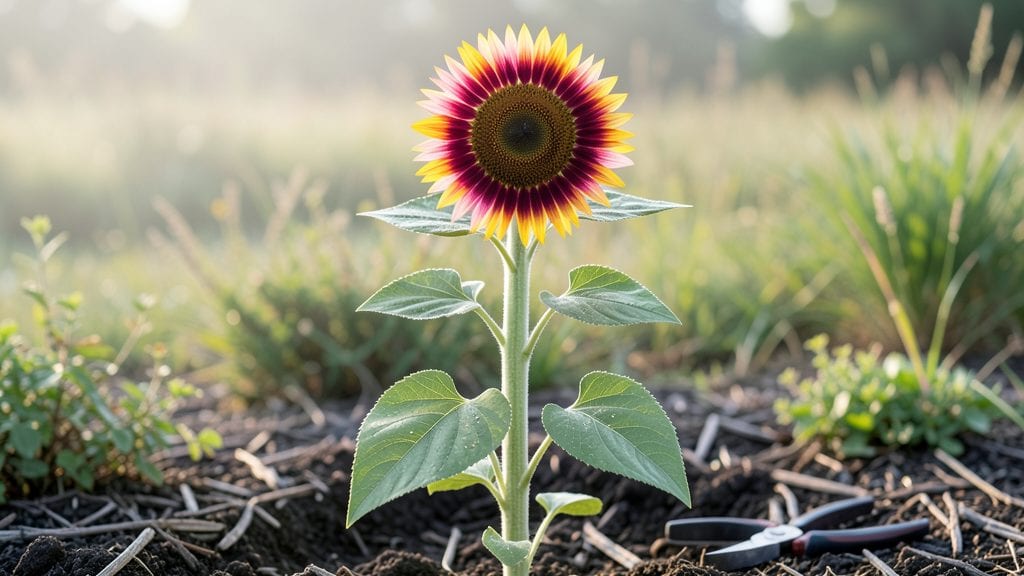
The rainbow-colored sunflowers in my front yard this summer turned heads—and not just because they towered over everything else. 🌻 Their fiery oranges, deep purples, and sunny yellows created a living tapestry that made neighbors pause to take photos.
The secret isn’t just their color; it’s how they transform any space into a buzzing, vibrant pollinator paradise.
These sunflowers thrive in almost any setting—flower beds, containers, or even as bold border plants. Pair them with lavender for a cottage-garden dream or contrast their heights with low-growing salvias for a modern look.
The key is planting them in clusters of three or more, so their colors pop and pollinators like bees and butterflies have a feast waiting for them.
By mid-summer, you’ll have a garden that feels alive with movement and color. The sunflowers’ cheerful faces will draw in wildlife, while their striking hues create a focal point that’s impossible to ignore. Whether you’re going for whimsical or sleek, these sunflowers deliver drama with minimal effort.
Pro tip: Stagger planting times for continuous blooms, and save the seeds for next year’s even brighter display. The best part? These sunflowers grow almost anywhere—even in less-than-ideal soil—so you can’t go wrong.
📚 In This Guide
- What you need
- Instructions
- Tips and common mistakes
- Wrapping up and next steps
What you need
- ● Rainbow Sunflower Seeds: Choose a mix of heirloom varieties like Autumn Booster, Moulin Rouge, or Russian Giant (1–2 lbs for a small garden, 3–5 lbs for larger beds).
- ● Well-draining soil: Loamy or sandy soil with a pH of 6.0–7.5. Amend clay soil with compost or perlite.
- ● Organic fertilizer: Balanced 10-10-10 or compost (1 cup per plant at planting time).
- ● Watering can or hose with a gentle spray nozzle: Sunflowers need consistent moisture, especially in dry spells.
- ○ Sturdy stakes or trellis (optional): For tall varieties like Russian Giant (1–2 stakes per plant, 4–6 ft long).
- ● Garden trowel or transplanting spade: For digging holes (6–8 inches deep).
- ○ Gloves (optional): To protect hands while handling soil or seeds.
- ● Mulch (straw or shredded leaves): 2–3 inches to retain moisture and suppress weeds.
- ○ Pest deterrents (optional): Neem oil or insecticidal soap (for aphid-prone gardens).
- ● Sunny location: Full sun (6–8+ hours daily) is a must for vibrant blooms!
- ● 🌡️ Plant in early spring after the last frost (or late summer for fall blooms).
- ● ✨ Space seeds 12–24 inches apart (closer for dwarf varieties, farther for giants).
- ● 💧 Water at the base to avoid fungal diseases on leaves.
How to grow vibrant rainbow sunflowers for a pollinator paradise
Here's how to create a dazzling sunflower display that attracts bees and butterflies while adding bold color to your garden.
🌱 Step 1: Choose the Right Varieties and Planting Location
Select a mix of sunflower varieties with different heights and bloom times for continuous color. I like pairing 'Autumn Beauty' (multi-colored blooms) with 'Moulin Rouge' (deep red) and 'Teddy Bear' (yellow with chocolate centers). These varieties bloom at different intervals, extending your display from early summer through fall.
Sunflowers need full sun—at least 6-8 hours daily—and a spot with well-draining soil. If your soil is heavy clay, mix in 1-2 inches of compost before planting to improve drainage. I always test my soil pH first; sunflowers thrive in slightly acidic to neutral soil (pH 6.0-7.5). If your soil is too alkaline, add a handful of sulfur to lower the pH gradually.
🌱 Step 2: Prepare the Soil and Plant Seeds at the Right Depth
Sunflower seeds need warmth to germinate, so wait until the soil temperature reaches at least 55°F before planting. Scatter seeds ½ inch deep and 12-18 inches apart for single-stem varieties, or 6-12 inches apart for dwarf or multi-branched types. I plant mine in early spring after the last frost date, but you can also direct-sow in late spring for a summer bloom.
Cover the seeds lightly with soil and water gently to settle the soil around them. Avoid overwatering—sunflower seeds rot if kept too wet. Once planted, keep the soil consistently moist (not soggy) until germination, which typically takes 7-14 days. You’ll know it’s working when the first true leaves appear, looking like tiny, jagged green fingers.
☀️ Step 3: Provide Support and Encourage Strong Stems
As seedlings grow, thin them to 12-18 inches apart to give each plant room to develop. If you’re growing tall varieties like 'Russian Giant', stake them early with 3-4 foot bamboo stakes or use a tomato cage for support. I tie stems loosely to the stake with soft plant ties or old fabric strips to avoid damaging the stem as it grows.
Sunflowers are heavy feeders, so side-dress with 1 tablespoon of 10-10-10 fertilizer around each plant when they reach 12 inches tall. Water deeply at the base—1-2 gallons per plant weekly—and avoid wetting the leaves to prevent fungal diseases like powdery mildew. You’ll see strong, sturdy stems ready to support those vibrant blooms within 4-6 weeks after germination.
💧 Step 4: Maintain Moisture and Watch for Pollinators
Once flowers begin to bud, reduce watering slightly to 1 gallon per plant weekly to encourage stronger stems. Sunflowers are drought-tolerant once established, but consistent moisture prevents heads from splitting open prematurely. Mulch around the base with 2-3 inches of straw or wood chips to retain moisture and suppress weeds.
Here’s where the magic happens: Sunflowers are a pollinator magnet. You’ll start seeing bees, butterflies, and even hummingbirds within days of the first bloom opening. To maximize their visit, avoid pesticides—let nature do the work! Deadhead spent blooms by cutting the stem just above the next bud to encourage more flowers. With proper care, your rainbow sunflowers will bloom for 8-10 weeks, creating a lively, colorful garden haven.
✂️ Step 5: Harvest and Preserve for Winter Joy
Cut sunflowers at their peak—when the petals are fully open but before they start wilting. Use clean, sharp pruners and leave 4-6 inches of stem for vase life. I like to harvest in the early morning when the blooms are freshest. To dry sunflowers for winter arrangements, hang them upside down in a well-ventilated, dark space for 2-3 weeks until fully dry.
Save seeds from your favorite varieties by letting a few heads mature fully on the plant. Once the back of the head turns brown and the petals drop, rub the head gently to release the seeds. Store them in a cool, dry place for next year’s planting. With a little care, your rainbow sunflowers will bring color, life, and pollinators to your garden year after year.
Tips & tricks for perfect rainbow sunflower displays
Creating a vibrant rainbow sunflower garden takes a few key strategies that make all the difference between a pretty patch and a pollinator paradise.
Variety Planning: The secret to continuous color is planting varieties with staggered bloom times. I like grouping 'Autumn Beauty' (late summer blooms) with 'Teddy Bear' (early summer) and 'Moulin Rouge' (mid-summer). This creates a cascading effect where one variety fades just as another peaks. Mark your calendar with each variety's bloom window—it's like having a built-in color schedule!
Soil Preparation Pro Tip: Don't skip the soil test! While sunflowers tolerate a range, they really shine in slightly acidic to neutral soil (pH 6.0-7.5). If your test shows alkaline soil, add sulfur gradually—too much at once can actually make the problem worse. I've seen gardens where the soil looked perfect but the sunflowers struggled because of hidden pH issues.
Germination Timing: The 55°F soil temperature threshold is non-negotiable for germination. Use a soil thermometer for accuracy—your garden's surface temp can be misleading. I've planted too early when surface temps were warm but soil was still cold, resulting in no germination. Pro tip: If your soil runs cold, consider using black plastic mulch to warm it up faster before planting.
Pollinator Magnet Strategy: For maximum pollinator action, plant your sunflowers near other pollinator favorites like marigolds or coneflowers. The combination creates a "superhighway" for bees and butterflies. I've noticed hummingbirds will visit my sunflower patch more consistently when there are other nectar sources nearby—it's like they're saying "thanks for the buffet!"
Pro Tips for Rainbow Colored Sunflowers
- Creating a vibrant rainbow sunflower garden takes a few key strategies that make all the difference between a pretty patch and a pollinator paradise.
- Variety Planning: The secret to continuous color is planting varieties with staggered bloom times.
- Soil Preparation Pro Tip: Don't skip the soil test!
Frequently asked questions
Got questions about growing rainbow-colored sunflowers?
You’re not alone! Here are some of the most common queries gardeners have—plus quick, actionable answers to help your pollinator haven thrive.
How do I get rainbow-colored sunflowers?
Rainbow sunflowers aren’t a natural species—they’re striped varieties like ‘Moulin Rouge’ or ‘Rainbow Bright’! To grow them, plant seeds from a reputable supplier (like Baker Creek Heirloom Seeds) and follow standard sunflower care. The stripes appear as the flowers mature—patience pays off!
When is the best time to plant rainbow sunflower seeds?
For most climates, sow seeds 2–3 weeks after the last frost when soil temps reach 55°F+. In warmer zones (zones 8–10), plant in late winter or early spring. Direct-sow seeds ½ inch deep—they germinate in 7–14 days. Check your frost dates for precision!
Do rainbow sunflowers attract more pollinators than regular ones?
Their bright, striped blooms act like neon signs for bees, butterflies, and hummingbirds. Plus, sunflowers produce high nectar rewards, making them a superstar pollinator magnet. Plant them near other flowers (like cosmos or marigolds) to create a pollinator buffet!
Why are my rainbow sunflower leaves turning yellow or spotted?
Yellowing leaves often signal aphids, powdery mildew, or overwatering. Fix it fast:
- Check undersides of leaves for aphids—blast off with water or use neem oil.
- Improve airflow by spacing plants 12–18 inches apart.
- Water at the base (not leaves) to prevent mildew.
Can I grow rainbow sunflowers in containers?
Yes! Dwarf varieties like ‘Teddy Bear’ thrive in 5-gallon pots with well-draining soil. Use a balanced fertilizer (like 10-10-10) every 4–6 weeks. Place containers in full sun (6+ hours/day) and stake tall varieties to prevent tipping. Bonus: Container sunflowers make stunning balcony pollinator hotels!
What’s the best way to dry rainbow sunflower blooms for crafts?
Harvest blooms when fully open but before seeds turn brown. Hang upside-down in a dark, dry, well-ventilated space (like a closet) for 1–2 weeks. Alternatively, use a dehydrator at 95°F for 2–3 hours. Store dried flowers in paper bags to preserve colors for wreaths, potpourri, or pressed art!
Wrapping up and next steps
Transforming your garden into a vibrant haven for pollinators with rainbow-colored sunflowers isn’t just rewarding—it’s a celebration of nature’s beauty! 🌈 These striking blooms attract bees, butterflies, and birds while adding a pop of color to your outdoor space.
Whether you’re a seasoned gardener or just starting, the key is patience, care, and a little creativity.
Ready to bring your garden to life? Start by planting a few seeds or cuttings this season—your local ecosystem (and your Instagram feed!) will thank you. Happy gardening! 🌱