Flowers
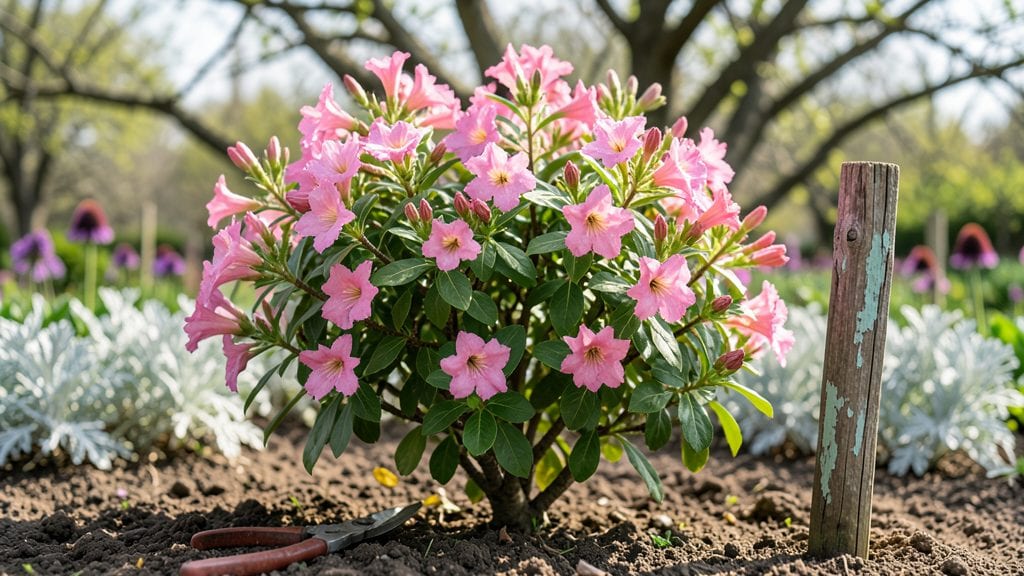
That first blush of pink in late winter is what makes early spring pink flowering bushes the Pacific Northwest's secret weapon. 🌸 I still remember the year I planted witch hazel (Hamamelis)—its delicate, spidery blooms appeared when everything else was still brown and dormant, turning my yard into a hummingbird buffet before the bees even woke up.
The right varieties for our cool, wet climate include witch hazel, early blooming cherries like Prunus serrulata, and even some Magnolia species that burst into color while snow still lingers in the high country. These bushes thrive with minimal fuss—just well-draining soil, morning sun, and protection from late frosts.
I've had mine bloom reliably for years with nothing more than a little mulch in fall and occasional pruning after flowering.
What you'll get is a garden that feels alive months before summer arrives. The scent of witch hazel blooms is like fresh honey on a chilly morning, while hummingbirds arrive early to sip nectar from the first cherry blossoms.
These bushes also play well with other early spring plants—pair them with hellebores or bleeding hearts for a layered effect that keeps color coming until summer takes over.
Works perfectly in both city gardens and country estates, from sunny borders to dappled woodland edges. The key is choosing varieties that match your microclimate—some handle wet winters better than others. Let's get you planted for next year's early show!
📚 In This Guide
- What you need
- Instructions
- Tips and common mistakes
- Wrapping up and next steps
What you need
- ● Pink flowering bush: Choose a native PNW variety like Mahonia aquifolium (Oregon grape holly) or Symphoricarpos albus (snowberry) for early blooms. Pro tip: 💡 Buy a 1-3 gallon potted plant from a local nursery for best results!
- ● High-quality potting soil: 2-3 bags (1.5–2 cubic feet each) of organic, well-draining soil (e.g., Miracle-Gro Garden Soil or a native PNW blend).
- ● Organic compost: 1-2 bags (1 cubic foot each) to enrich the soil and support root growth.
- ● Slow-release fertilizer: 1 bag of balanced 10-10-10 or 5-10-10 fertilizer for early-season feeding.
- ● Mulch: 2-3 bags of wood chips or pine bark (3–4 inches deep) to retain moisture and suppress weeds.
- ● Garden trowel or spade: For digging holes (12–18 inches wide/deep).
- ● Garden gloves: A pair of durable, waterproof gloves (e.g., Felco or Fox River).
- ● Watering can or hose with nozzle: For gentle, deep watering (aim for 1–2 gallons per plant after planting).
- ● Pruning shears: Bypass pruners (for shaping and deadheading later).
- ● Measuring tape or ruler: To ensure proper spacing (3–5 feet apart for most PNW bushes).
- ● Epsom salt: 1 small container (for magnesium boost, especially for yellowing leaves).
- ● Bird-friendly feeder: A hummingbird feeder (14–19 oz capacity) to attract pollinators immediately after planting!
- ● Soil pH tester: To check if your soil needs lime (PNW bushes prefer slightly acidic to neutral pH 6.0–7.0).
- ● Drip irrigation kit: For low-maintenance watering (great for busy gardeners!).
How to choose and plant an early spring pink flowering bush for hummingbirds
Here's the straightforward approach I've used to attract hummingbirds reliably every spring.
🌱 Step 1: Select the Right Pink-Blooming Variety for Your Climate
For the Pacific Northwest's mild, wet springs, I recommend Pacific Dogwood (Cornus nuttallii) or Pink Spirea (Spiraea japonica 'Anthony Waterer')—both thrive in zones 6-9 and produce vibrant pink blooms that hummingbirds adore. Avoid varieties that bloom later than April, as hummingbirds arrive early and need nectar immediately.
Check your specific microclimate: Coastal areas stay cooler longer, so choose varieties like Oregon Grape Holly (Mahonia aquifolium), which blooms in late winter. Inland areas can handle Flowering Currant (Ribes sanguineum), which blooms slightly later but still attracts early pollinators. Plant tags always list bloom times—match that to your last frost date.
🪴 Step 2: Prepare the Planting Site for Optimal Growth
Choose a location with 6+ hours of morning sun and afternoon shade if possible—this prevents leaf scorch while keeping flowers vibrant. Pacific Northwest summers can be surprisingly hot, and afternoon sun turns pink blooms dull. Amend the soil with 2-3 inches of compost mixed into the top 12 inches of native soil to improve drainage and fertility.
Dig a hole twice as wide as the root ball but only as deep—planting too deep suffocates roots. Loosen the roots gently if they're circling in the container, then place the bush in the hole. The top of the root ball should sit 1 inch above ground level—this prevents waterlogging during our wet springs. Backfill with native soil mixed with compost, tamping lightly every 2 inches to eliminate air pockets.
☀️ Step 3: Plant and Water for Immediate Establishment
Water deeply right after planting—1 gallon per foot of plant height—to settle the soil and eliminate air gaps. Pacific Dogwood and Spirea need consistently moist soil during their first year, so mulch with 3 inches of wood chips (keep mulch 6 inches away from the trunk to prevent rot). Check soil moisture weekly: Stick your finger 2 inches deep—if it feels dry, water again.
Here's the thing—hummingbirds need accessible nectar, so place your bush near a window where you can watch them feed. Avoid planting under large trees that will compete for water and nutrients. After planting, avoid heavy pruning—just remove any dead branches. Let the plant establish its natural shape; hummingbirds prefer dense, full bushes with abundant blooms.
💧 Step 4: Maintain Through the First Season for Next Spring's Blooms
Fertilize lightly in early spring with a balanced 10-10-10 fertilizer (use ¼ cup per foot of plant height) to encourage strong new growth. Pacific Northwest soils are often acidic, so test your soil—if pH is below 6.0, add pelletized lime according to package instructions. This ensures your bush can absorb nutrients properly for next year's blooms.
Watch for aphids on new growth—our mild winters mean they arrive early. Spray with neem oil if you see sticky residue on leaves. Deadhead spent blooms in late spring to encourage a second flush of flowers, which extends the hummingbird feeding season. By late summer, reduce watering slightly to prepare the plant for dormancy—this prevents weak growth that can't survive our rainy winters.
Tips & tricks for perfect early spring pink flowering bush planting
These practical tips will help you avoid common mistakes and maximize your chances of attracting hummingbirds to your Pacific Northwest garden.
Variety Selection: Don't overlook the Pacific Dogwood's white underbark—it's a stunning winter feature that adds year-round interest. For coastal gardens, Oregon Grape Holly is particularly resilient against salt spray, making it ideal for seaside properties. Always check the plant tag for bloom times—hummingbirds time their migration to match early spring blooms, so April-blooming varieties are critical.
Soil Preparation: The 2-3 inches of compost recommendation is perfect for our region's often-compacted soils. For heavy clay soils common in inland areas, mix in an additional 1 inch of coarse sand to improve drainage. When amending the soil, focus on the top 12 inches—the roots of these bushes won't grow much deeper than that in their first year.
Planting Depth: That 1-inch above ground level positioning is crucial—it prevents waterlogging that can rot roots during our wet springs. If your soil is particularly sandy, you can plant slightly deeper (up to ½ inch below ground level) to help retain moisture. Just avoid planting deeper than that, as it can suffocate the plant.
Watering Strategy: The 1-gallon-per-foot watering guideline works well, but consider using a drip irrigation system for the first year. This ensures consistent moisture without the risk of overwatering that can come from hand-watering. The weekly moisture check with your finger is perfect—if it feels dry at 2 inches, water thoroughly until it runs out the bottom of the pot or hole.
Pro Tips for Early Spring Pink Flowering Bush
- These practical tips will help you avoid common mistakes and maximize your chances of attracting hummingbirds to your Pacific Northwest garden.
- Variety Selection: Don't overlook the Pacific Dogwood's white underbark—it's a stunning winter feature that adds year-round interest.
- Soil Preparation: The 2-3 inches of compost recommendation is perfect for our region's often-compacted soils.
Frequently asked questions
about early spring pink flowering bushes—especially those that attract hummingbirds in the Pacific Northwest—can help you make the best choices for your garden. Here are some common queries:What are the best early spring pink flowering bushes for the Pacific Northwest?
The Pacific Dogwood (Cornus nuttallii) and Oregon Grape Holly (Mahonia aquifolium) are top picks, but Red Currant (Ribes sanguineum) and Salal (Gaultheria shallon) also bloom early with vibrant pink hues. These natives thrive in PNW conditions and provide nectar for hummingbirds.
When do these bushes typically bloom in early spring?
Most early spring pink flowering bushes bloom between late February and April, depending on local microclimates. Pacific Dogwood often starts in March, while Red Currant may bloom as early as February. Warmer coastal areas see earlier blooms than inland regions.
Do these bushes really attract hummingbirds?
Pink flowering bushes like Red Currant and Salal produce nectar-rich blooms that hummingbirds love. Planting them near feeders or other pollinator-friendly plants (e.g., Salmonberry) creates a hummingbird buffet. Bonus: Their early blooms provide food when other sources are scarce!
How do I care for a pink flowering bush in the PNW?
These bushes are low-maintenance but appreciate:
- Well-draining soil (amend heavy clay with compost).
- Partial shade to full sun (depends on the species).
- Prune after blooming to shape and remove dead wood.
- Water deeply during droughts (established plants are drought-tolerant).
What if my bush isn’t flowering?
Lack of blooms often stems from:
- Too much shade (try moving to a sunnier spot).
- Over-fertilizing (use a balanced, low-nitrogen fertilizer in early spring).
- Poor pruning timing (prune after flowering, never in late fall).
- Pests/disease (check for aphids or fungal issues; treat organically if needed).
Wrapping up and next steps
Transforming your Pacific Northwest garden into a vibrant hummingbird haven is easier—and more rewarding—than you think! 🌸 With the right early spring pink flowering bush, like Corydalis or Mahonia, you’ll create a stunning focal point that blooms early, supports pollinators, and thrives in your region’s climate.
Whether you’re a seasoned gardener or just starting, every small step—from soil prep to plant placement—brings you closer to a garden teeming with life and color.
Ready to take the next step? Start small: pick one bush, gather your supplies, and plant it this weekend! Watch as your garden becomes a buzzing, blooming paradise—hummingbirds (and neighbors) will thank you. 🐦✨